
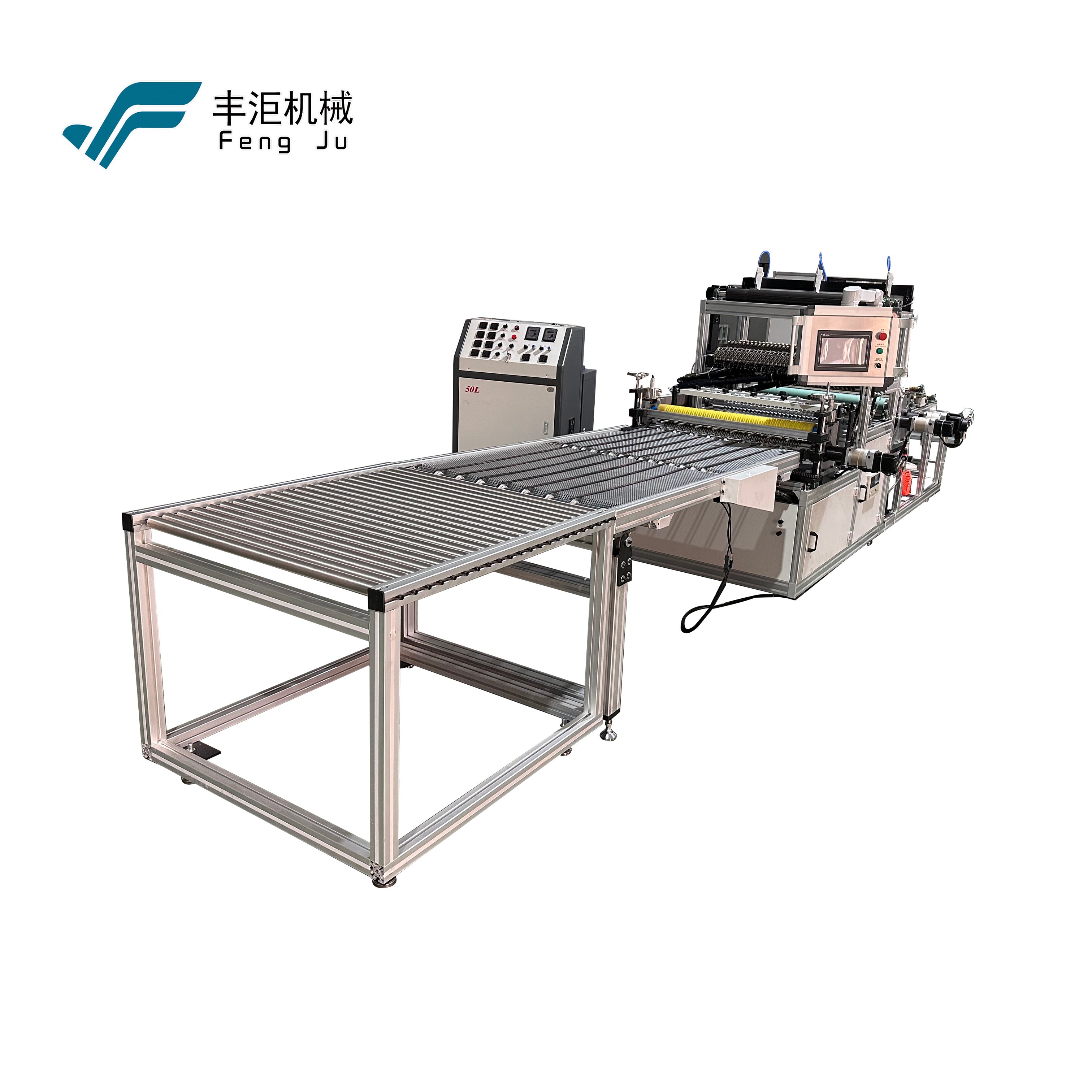
Selecting the right automatic pleating machine is one of the most critical decisions a filter manufacturer can make. The efficiency, precision, and consistency of your production depend directly on the quality and capability of your automatic pleating machine. Whether you operate a small filter facility or a large industrial production plant, choosing an automatic pleating machine that matches your operational needs, production volume, and quality standards will significantly impact your bottom line and competitive position.
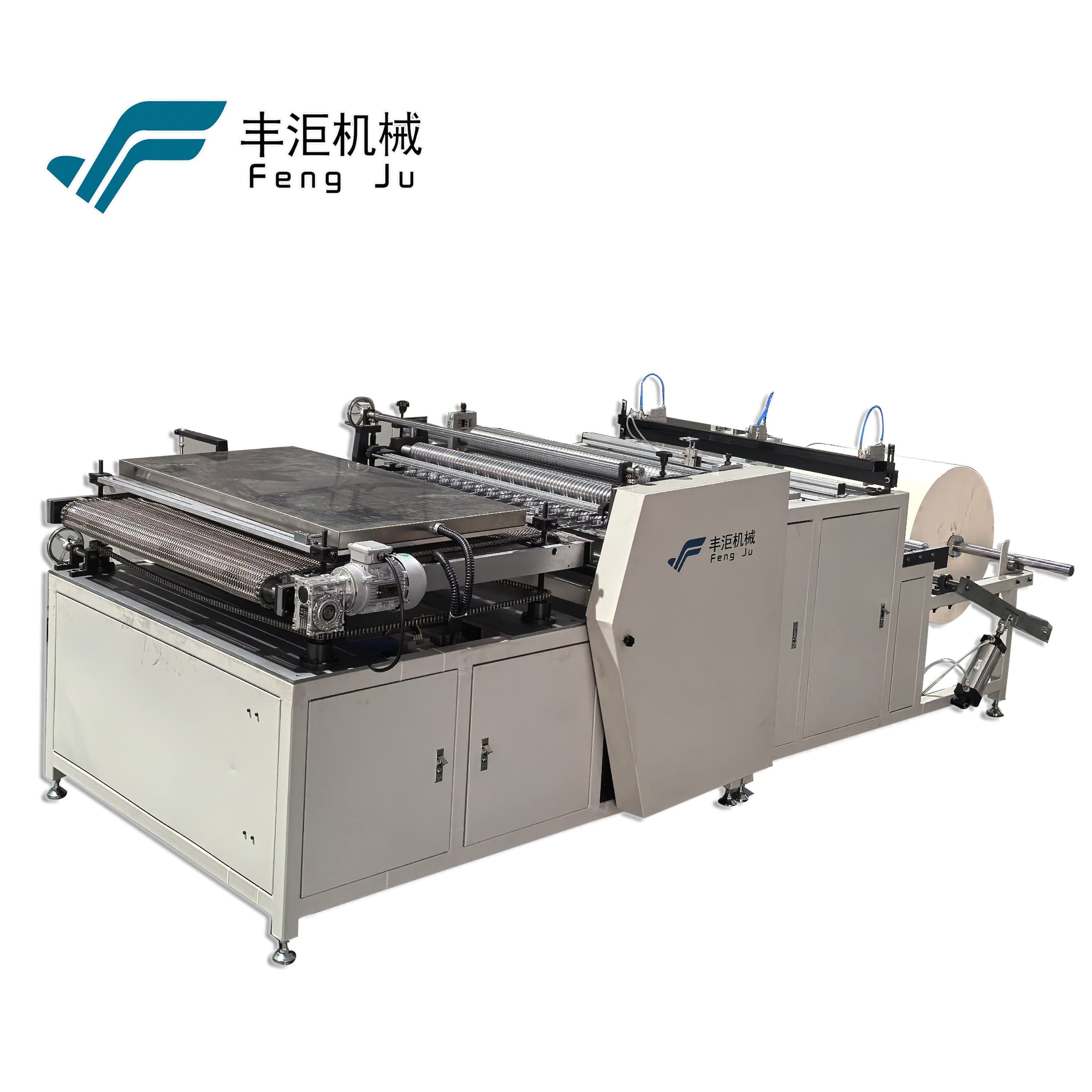
The process of selecting an automatic pleating machine involves evaluating multiple technical specifications, production capabilities, maintenance requirements, and cost considerations. An automatic pleating machine designed for filter manufacturing must deliver consistent pleat geometry, maintain high throughput, and integrate seamlessly with your existing production workflow. This guide walks you through the essential criteria for choosing an automatic pleating machine that will maximize your filter production efficiency and product quality.
Understanding Core Performance Specifications
Pleat Precision and Consistency
The accuracy of pleat formation is the foundation of filter quality. An automatic pleating machine must maintain uniform pleat depth, width, and spacing across every filter element produced. When evaluating an automatic pleating machine, look for specifications that guarantee pleat consistency within tight tolerances, typically within 0.1 to 0.5 millimeters depending on your filter type. Inconsistent pleats reduce filter surface area, compromise filtration efficiency, and create customer quality complaints. The best automatic pleating machine models use servo-driven systems and precision die sets to ensure that every pleat meets exact specifications without variation across production runs.
Production Speed and Throughput
Your automatic pleating machine must match your production volume targets. Throughput capacity is measured in pleats per minute or completed filter elements per hour, depending on your production model. An automatic pleating machine that operates too slowly creates bottlenecks; one that runs faster than needed represents unnecessary capital expenditure. Evaluate your current production demand and projected growth over the next three to five years, then select an automatic pleating machine with capacity that covers your peak operational needs plus a reasonable safety margin. Most modern automatic pleating machine systems offer variable speed controls, allowing you to adjust throughput based on demand while maintaining quality.
Evaluating Technical Integration and Flexibility
Compatibility with Existing Equipment
Your automatic pleating machine must integrate smoothly with upstream and downstream equipment in your production line. Consider whether your automatic pleating machine connects to raw material handling systems, whether it accommodates your specific filter media types, and whether its output interfaces properly with your wrapping, capping, or assembly equipment. An automatic pleating machine that stands isolated from your workflow creates manual handling steps that reduce efficiency and increase error rates. Verify that your automatic pleating machine features standard material inputs, adjustable feed mechanisms, and compatible output configurations before making a purchase commitment.
Filter Media Versatility
Different filter applications require different media thicknesses, compositions, and pleat patterns. Your automatic pleating machine should accommodate a range of media specifications without requiring extensive retooling or manual adjustments between production runs. Ask potential suppliers whether their automatic pleating machine models support multiple filter sizes, pleat depths, and media types. A versatile automatic pleating machine allows you to respond quickly to customer requests and diversify your product portfolio without investing in additional equipment. Verify the setup time required to switch between different filter configurations on your chosen automatic pleating machine model.
Assessing Reliability, Maintenance, and Total Cost of Ownership
Build Quality and Component Durability
The durability of your automatic pleating machine directly affects how long it remains productive before requiring major repairs or replacement. Examine the frame construction, die materials, drive system components, and wear parts used in the automatic pleating machine. Industrial-grade automatic pleating machine models typically feature hardened steel frames, precision-ground dies, and heavy-duty servo motors designed to operate continuously in demanding manufacturing environments. Ask about the expected lifespan of critical components, typical maintenance intervals, and the availability of replacement parts. A well-built automatic pleating machine requires fewer unplanned downtime incidents and delivers lower per-unit production costs over its operational lifetime.
Maintenance Requirements and Support
Preventive maintenance keeps your automatic pleating machine running reliably and extends its productive life. Review the maintenance schedules specified for your automatic pleating machine, including lubrication intervals, die replacement procedures, and calibration checks. Confirm that your automatic pleating machine supplier provides clear documentation, training, and accessible customer support. A responsive supplier with local service technicians can minimize downtime when your automatic pleating machine requires attention. Additionally, verify that replacement parts for your automatic pleating machine are readily available and reasonably priced, as unexpected lead times or high component costs can significantly impact your production flexibility.
Energy Efficiency and Operating Costs
An automatic pleating machine that consumes excessive energy increases your operational costs without improving product quality. Compare the electrical specifications of different automatic pleating machine models and calculate the energy cost per unit produced. Modern automatic pleating machine designs often feature variable frequency drives and optimized hydraulic or pneumatic systems that reduce energy waste. Consider the total cost of ownership—including electricity, maintenance, component replacement, and operator labor—across the expected lifespan of your automatic pleating machine. A slightly more expensive automatic pleating machine that operates more efficiently may deliver superior financial performance over time compared to a cheaper model with higher operational costs.
FAQ
What production volume should my automatic pleating machine handle?
Your automatic pleating machine capacity should comfortably exceed your current production demand while allowing for growth. Most filter manufacturers choose an automatic pleating machine that operates at 60 to 75 percent of maximum capacity during normal production, reserving the remaining speed for surge periods and maintenance windows. This approach ensures your automatic pleating machine performs reliably without constant maximum-load stress.
How long does it take to train operators on a new automatic pleating machine?
Typical automatic pleating machine operator training requires one to two weeks of hands-on instruction from the supplier's technician. Most automatic pleating machine systems are designed with intuitive controls and clear visual feedback, reducing the learning curve. Ensure your automatic pleating machine supplier includes comprehensive training as part of the purchase agreement to minimize startup delays.
What should I expect to spend on maintenance for an automatic pleating machine annually?
Annual maintenance costs for an automatic pleating machine typically range from 5 to 10 percent of the initial purchase price, depending on usage intensity and component wear patterns. Budget for die replacements, seal kits, calibration services, and preventive maintenance. Request a detailed maintenance cost estimate from your automatic pleating machine supplier based on your projected production volume and operating conditions.