
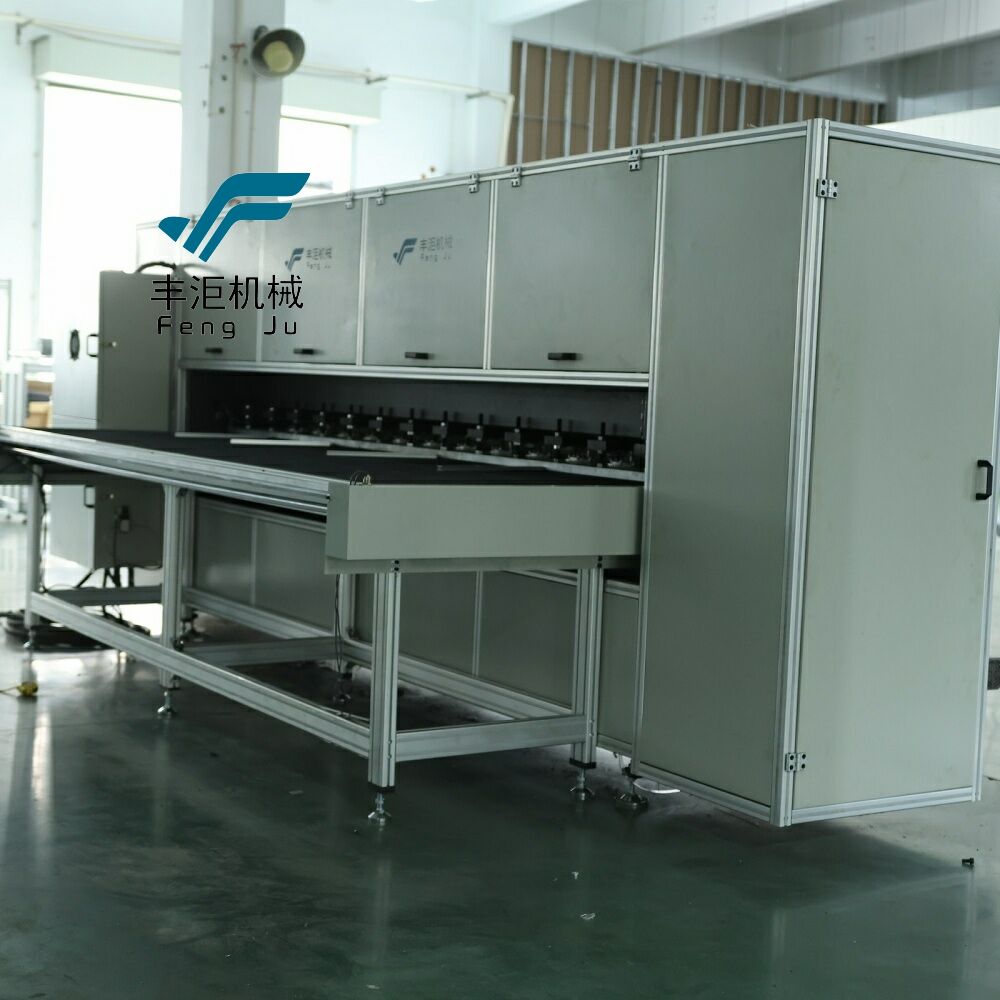
תחזוקה תקינה של מכונת קפל יריעות היא קריטית לייצרני טקסטיל ומתקני עיבוד בד, אשר תלויים בפעולות קפל עקביות ובאיכות גבוהה. ללא פרוטוקולי תחזוקה קבועים, מכונות מתקדמות אלו עלולות לסבול מירידה בביצועים, מהוות קפלים לא סדירים, ועצירות ייצור יקרות שמביאות להפרעות בלוחות הזמנים של הייצור. הבנת דרישות התיקון והתחזוקה הספציפיות למכונת הקפל שלכם מבטיחה פעילות אופטימלית ומעריכה משמעותית את משך החיים הפעיל של הציוד.
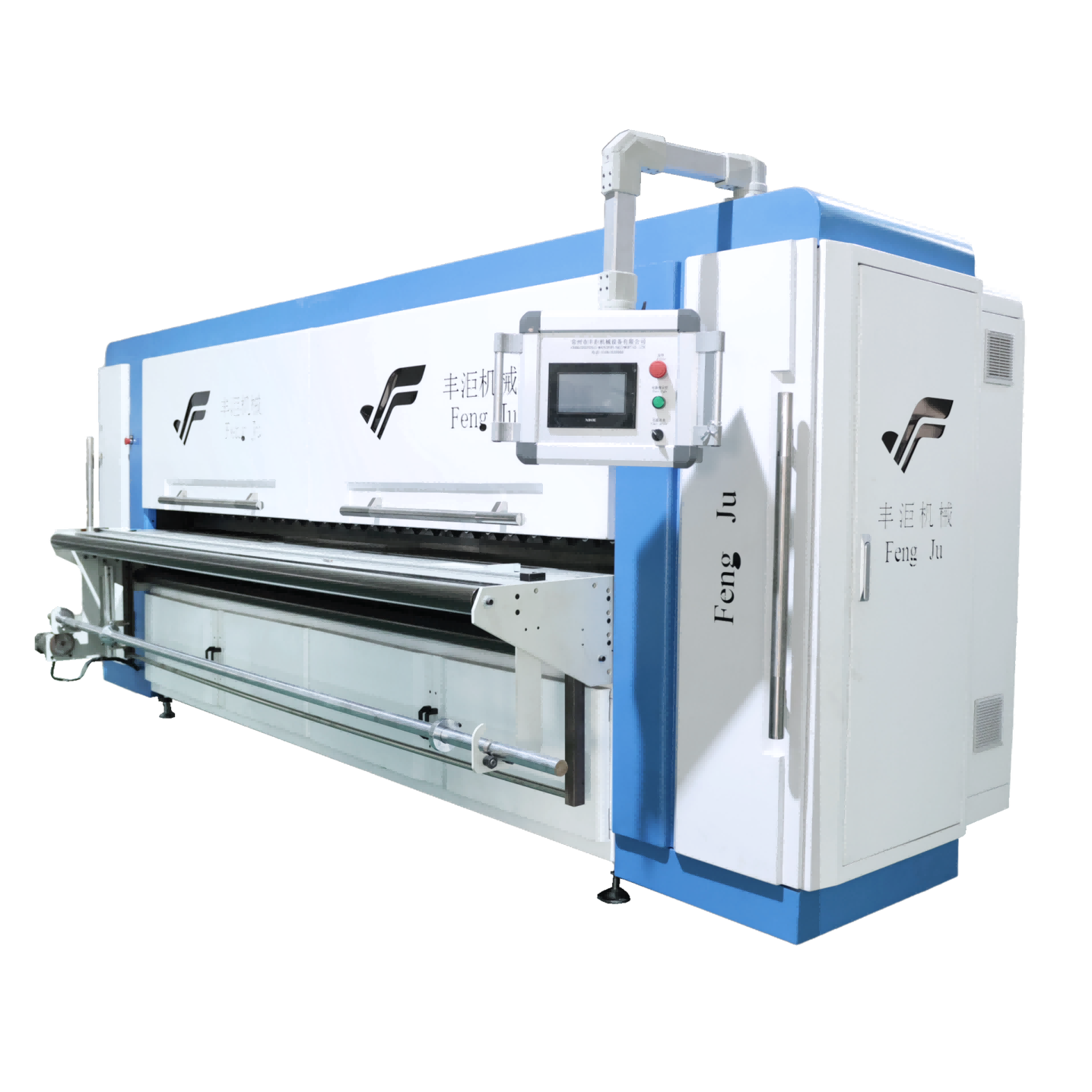
התיקון המקצועי של מכונת קפל רדידים כולל גישות שיטתיות לרכיבים המכניים, למערכות החשמל ולהגדרות הפעלה שמשפיעות ישירות על דיוק הקפל וארך ימי המכונה. מורכבותה של ציוד הקפל המודרני דורשת לוחות זמנים מתוכננים לתיקון שמתמודדים הן עם טיפול מונע והן עם אופטימיזציה של הביצועים. האסטרטגיה המקיפה הזו לתיקון מגינה על ההשקעה שלכם ומשמרת את איכות הפלט העקבי שהלקוחות מצפים מפעולות עיבוד טקסטיל מקצועיות.
נהלי תחזוקה יומיים חיוניים
סדרת בדיקות לפני הפעלה
לפני תחילת כל פעולת קפלים, יש לבצע בדיקה ויזואלית מקיפה של מכונת הקפלים לווילונות כדי לזהות בעיות פוטנציאליות שעשויות להשפיע על הביצועים או על הבטיחות. יש לבדוק את כל הרכיבים הנראים לעין לסימנים של שחיקה, חיבורים רופפים או הצטברות של זבל שעלולים להפריע לתפעול הרגיל. בדיקה מוקדמת זו חייבת לכלול אימות שהגנות הבטיחות כולם ממוקמות ונעוצות כראוי, כדי להבטיח את בטיחות הפעיל במהלך התפעול של המכונה.
יש לבדוק בזהירות את מנגנון הזנת הבד, ולבחור אחר חסימות או אי-יישור שעלולים לגרום לקפלים לא סדירים או לפגוע בבד. גלגלות הזנה צריכות להסתובב חלקות ללא רעש מוגזם או רטט, והמנחים לבד חייבים להיות נקיים וממוקמים כראוי. כל אי-סדר ברכיבים אלו עלול לגרום לאיכות לקויה של הקפלים וצריך לטפל בו באופן מיידי לפני תחילת רצף ייצור.
משימות ניקוי ושמירה
הניקוי היומי של מכונת הקפלים לווילונות מונע הצטברות של סיבי בד, אבק וזבל אחר שיכול להפריע לפעולת המכניקה. השתמשו באוויר דחוס כדי להסיר זבל מאזורים קשים לגישה, תוך התמקדות מיוחדת במנגנון הקפלים ובמסלול הבד. לא תשתמשו במים או ניקיון נוזלי על רכיבים חשמליים, ודאגו שהמכונה כבויה במהלך פעולות הניקוי.
החליקו שמן מתאים בנקודות המוגדרות כפי שצוין בהנחיות היצרן, תוך התמקדות ברכיבים נעים החשים חיכוך קבוע במהלך הפעלה. ה מכונת קפלים לווילונות דורש סוגי שמן מסוימים לרכיבים שונים, והשימוש בשמנים לא מתאימים עלול לגרום נזק או לבלאי מהיר יותר. שמורו יומן שימון כדי לעקוב מתי ואיפה הושמו השמנים, ולוודא עקביות בפעולות התיקון והתחזוקה.
בדיקות תחזוקה מקיפות שבועיות
הערכת רכיבים מכניים
התחזוקה השבועית של מכונת הקפלים לווילונות שלכם אמורה לכלול בדיקה מפורטת של כל המערכות המכניות שתרומתן היא לדיוק הקפלים ולאמינות הפעולה. בדקו את מתיחות החגורות ואת יישורן, תוך וידוא שהן נעות כראוי ובמתיחות הנכונה שמניעה החלקה, אך לא יוצרת עומס יתר על השעונים והגלגלונים. חגורות משוחקות או בעלות מתיחות לא נכונה עלולות לגרום לקפלים לא אחידים וצריך להתאים או להחליף אותן לפי הצורך.
בדקו את כל השעונים לפעולתם הרגילה ולשימור הנאותי שלהם, והאזינו לצלילים חריגים שיכולים לרמז על שחיקה או שימור בלתי מספק. גלגלוני הקפלים ומערכות הלחץ דורשים תשומת לב מיוחדת, מאחר שהרכיבים האלה משפיעים ישירות על יצירת הקפלים ועל טיפול בבד. יש לתעד כל סימן לשחיקה, פגיעה או נזק לרכיבים קריטיים אלו ולטפל בהם באופן מיידי כדי למנוע בעיות באיכות.
בדיקת מערכת חשמל
רכיבים חשמליים במכונת קפל פרוכות דורשים בדיקה שבועית כדי להבטיח תפעול בטוח ואמין. יש לבדוק את כל החיבורים החשמליים על צפיפותם ועל סימנים של חימום יתר, כגון שינוי צבע או ריח שריפה. חיבורים רופפים עלולים לגרום לתפעול מפורק או לתקלה מערכתית מלאה, בעוד שחיבורים מחוממים יתר עלולו ליצור סיכונים לביטחון ולפגוע ברכיבי בקרה יקרים.
יש לאשר כי כל מערכות הבקרה מגיבות כראוי להנחיות הפעלתן, ולבחון את פונקציות עצירת החירום ואת המנגנונים הבטיחותיים כדי להבטיח שהן פועלות כראוי. מסכי הלוח הבקרה חייבים להיות ברורים ותגובתיים, וכל נורות המצביעים חייבות לפעול כמתוכנן. כל אי-סדר בתפעול המערכת החשמלית חייב להיבדק באופן מיידי, מאחר שבעיות חשמליות עלולות להידרדר במהרה לסיכונים חמורים לביטחון או לנזק לציוד.
דרישות תחזוקה מעמיקה חודשית
הגדרה ותאמה מדויקות
הליכי הכיול החודשיים מבטיחים שהמכונה ליצירת קפלים בפרוכות שומרת על הדיוק הדרוש להפקת קפלים עקביים ודיוק ממדי. השתמשו בכלים מדידים מתאימים כדי לאמת את הממדים של הקפלים מול المواصفות, תוך בדיקה הן של עומק הקפל והן של המרחק בין הקפלים, כדי לוודא התאמה לדרישות. יש לבצע את הכיול באמצעות תקנים ידועים או חומרים רפרנסיים כדי להבטיח דיוק במדידות.
התאם את הגדרות המתח, מערכות הלחץ וקצב האספקה לפי הצורך כדי לשמור על ביצועי הקיפול האופטימליים. התאמות אלו דורשות תיעוד זהיר כדי לעקוב אחר השינויים לאורך זמן ולזהות מגמות שעשויות לרמז על בעיות מתפתחות. ייתכן שיהיה צורך להתאים במדויק את מנגנון הקיפול עצמו כדי לפצות על wearing נורמלי או על שינויים בתנאי הפעלה המשפיעים על איכות הקפלים.
החלפת רכיבים הערכה של סימני בלאי
בצעו בדיקה מקיפה של חלקים המתחלפים עקב סחיפה כחלק מתהליך התיקון התקופתי של מכונת הקפלים של הווילון. להבות החיתוך, כריות הלחיצה ומורכבי הנחיתה של הבד סובלים מסחיפה רגילה במהלך הפעולה וחייבים להוחלף לפני שהמצב שלהם ישפיע על איכות המוצר. קבעו לוחות замены בהתאם לשעות הפעלה או לנפח הייצור, ולא לחכות עד שיסומנו סימני סחיפה מראים.
הקלידו את מצב כל הרכיבים העיקריים, וצלמו אזורים שמעוררים חשש לצורך הפניה בעתיד. תיעוד זה עוזר לקבוע דפוסי החלפה ויכול לזהות סחיפה בלתי צפויה שיכולה לרמז על בעיות בתפעול. שמרו מלאי של חלקי חילוף קריטיים כדי למזער את זמן העצירה כאשר נדרשת החלפה, ולוודא שניתן לפעול לפי לוח הזמנים לתיקונים ללא עיכובים.
אסטרטגיית תחזוקה ארוכת טווח
שירות מקצועי שנתי
השירות המקצועי השנתי של מכונת הקפלים לווילונות שלכם מספק הערכה ותחזוקה מקיפות שמעבר לתחזוקה רגילה על ידי המפעיל. טכנאי שירות מוסמך יכול לבצע בדיקות מפורטות של רכיבים פנימיים שאינם נגישים במהלך הפעלה רגילה, ולזהות בעיות פוטנציאליות לפני שהן גורמות לתקלות. הערכת המקצועית הזו כוללת מדידות מדויקות וביצוע מבחנים הדורשים כלים מיוחדים וידע מקצועי.
השירות המקצועי כולל בדרך כלל פירוק מלא ובדיקה של מערכות קריטיות, החלפת חתימות וחגורות אטימה, וסנכרון מחדש של כל מערכות הבקרה. טכנאי השירות יכול גם להציע המלצות לשיפור הפעולה ולשיפוץ הליכי התחזוקה, בהתבסס על התנאים הספציפיים ודפוסי השימוש במתקן שלכם. ההשקעה השנתית הזו בשירות מקצועי תורמת באופן משמעותי להארכת חיי המיכון ומונעת תיקונים חירום יקרים.
ניהול רישומים ומעקב אחר ביצועים
רשומות תחזוקה מקיפות מספקות תובנות חשובות על הביצועים והאמינות של מכונת הקפלים לווילונות שלכם לאורך זמן. תעדו את כל פעולות התחזוקה, כולל בדיקות שגרתיות, החלפת רכיבים ותאמונים שבוצעו כדי לשפר את הביצועים. רשומות אלו עוזרות לזהות דפוסים שעשויים לרמז על בעיות שיטתיות או על הזדמנויות לשיפור הפעילות.
עקבו אחר מדדי ביצוע מרכזיים כגון דיוק הקפלים, קצבי הייצור ותקריות עצירה כדי למדוד את יעילות תוכנית התחזוקה שלכם. ניתוח קבוע של נתונים אלו יכול לחשוף מגמות שעוזרות לאופטימיזציה של לוחות הזמנים לתכנון תחזוקה ולזהות אזורים הדורשים תשומת לב נוספת כדי למנוע בעיות. רשומות תחזוקה מוצלחות תומכות גם בדרישות אחריות ויכולות להגביר את ערך הציוד בעת מכירה חוזרת או עסקאות חליפין אפשריות.
שאלה נפוצה
באיזו תדירות יש להחליף את להבי החיתוך במכונת הקפלים לווילונות שלי?
תדירות החלפת להב החיתוך תלויה בנפח הייצור ובסוגי הבדים המעובדים, אך בדרך כלל היא נעשית כל 500–2000 שעות פעילות. יש לפקח באופן שוטף על מצב הלהב כדי לזהות סימנים של קהות, ניקוב או wearing מופרז, אשר עלולים לפגוע באיכות החיתוך ולהגביר את בד הפסולת. יש להחליף את הלהבים לפני שהמצב שלהם יידרדר במידה שמשפיעה על איכות המוצר או דורשת כוח חיתוך מופרז שמעמיס על המכונה.
אילו שמן שמייה יש להשתמש במנגנון הקמטים?
יש להשתמש רק בחומרי סיכה שצוינו על ידי יצרן מכונת קפלי הווילונות, מכיוון שרכיבים שונים דורשים סוגי סיכה וצמיגות ספציפיים לקבלת ביצועים מיטביים. ייתכן שיידרשו חומרי סיכה ברמת מזון עבור מכונות המעבדות בדים המיועדים ליישומי שירותי מזון, בעוד שחומרי סיכה בטמפרטורה גבוהה עשויים להיות נחוצים עבור פעולות הכרוכות בתהליכי קיבוע בחום. יש לעיין תמיד במדריך היצרן לקבלת המלצות ספציפיות לחומרי סיכה ונהלי יישום.
איך אפשר לדעת אם מכונת הקפלים ליריעות זקוקה לשירות מקצועי?
סימנים המצביעים על הצורך בשירות מקצועי כוללים היווצרות קפלים לא סדירה, רעשים חריגים במהלך הפעולה, התאמות תכופות הנדרשות כדי לשמור על האיכות, או ירידה בקצב הייצור למרות ביצוע תחזוקה שוטפת תקינה. בנוסף, אם תחזוקה שוטפת חושפת חוסר-תפקוד או נזק שמעבר ליכולת התיקון של הפעיל, יש לתאם שירות מקצועי באופן מיידי כדי למנוע החמרה נוספת או סיכונים לביטחון.
אילו אמצעי זהירות לביטחון עליי להקפיד עליהם במהלך פעולות התיקון והתחזוקה?
לעולם לא לבצע פעולות תחזוקה על מכונת הקפלים של הווילונות ללא ניתוק מוחלט של הה alimentation, ולעמוד בכללי הסגירה והתיוג (Lockout/Tagout) כדי למנוע הפעלה אקראית. יש ללבוש ציוד הגנה אישי מתאים, כולל משקפי בטיחות וכפפות, ולהבטיח תאורה מספקת באזורים שבהם מתבצעות העבודות. אסור לעקוף או לנטרל את מערכות הביטחון המובנות בזמן התיקון והתחזוקה, וחייבים לבדוק את כל מערכות הביטחון לפני החזרת המכונה לפעולתה הרגילה לאחר השלמת פעולות התיקון והתחזוקה.