
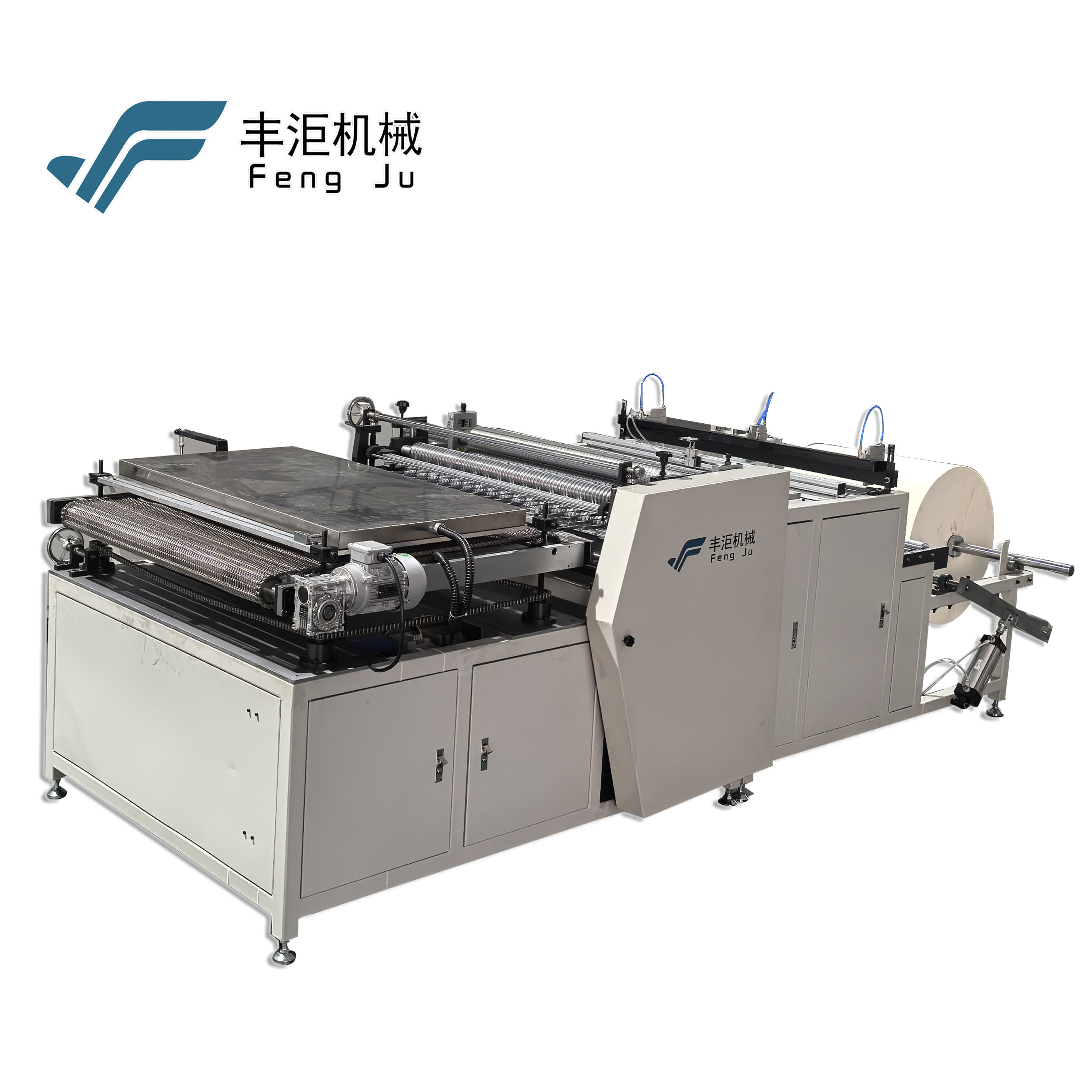
Selecting the right rotary pleating machine for industrial applications requires careful consideration of precision requirements, production capacity, and operational efficiency. The choice between different rotary pleating machine models directly impacts product quality, manufacturing speed, and long-term operational costs. Industrial facilities processing air filters, automotive components, and HVAC systems depend on high-precision pleating equipment to maintain consistent fold geometry and dimensional accuracy.
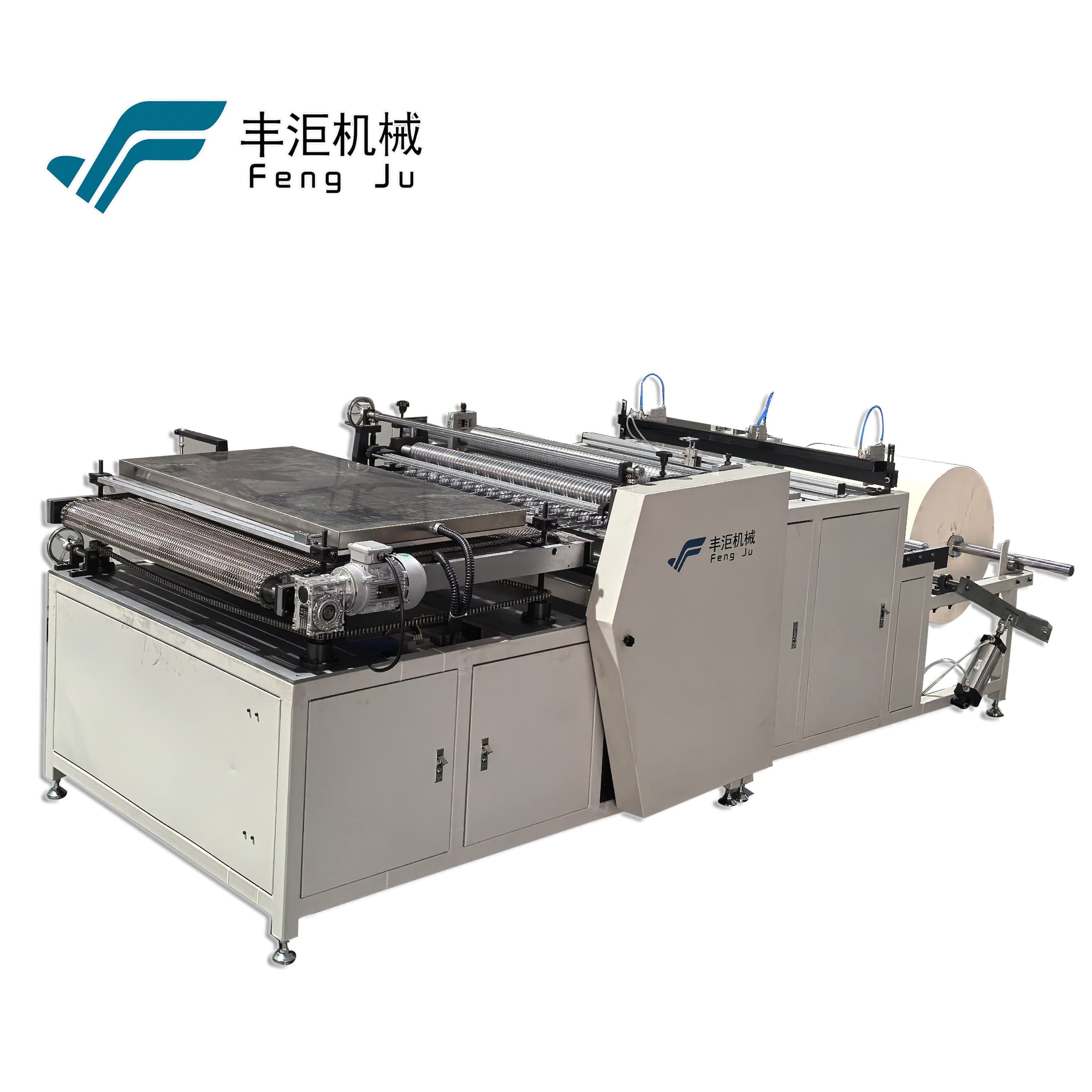
Modern manufacturing environments demand equipment that delivers repeatable results while minimizing material waste and maximizing throughput. A properly selected rotary pleating machine becomes the cornerstone of efficient production lines, enabling manufacturers to meet strict quality standards while maintaining competitive production costs. Understanding the key selection criteria ensures optimal equipment investment and operational performance for years to come.
Understanding Precision Requirements in Rotary Pleating Equipment
Dimensional Accuracy Specifications
High-precision rotary pleating machine systems must maintain consistent pleat heights, spacing, and angles across extended production runs. Manufacturing tolerances typically range from ±0.1mm to ±0.5mm depending on application requirements. Industrial filter production often demands tighter tolerances to ensure proper sealing and filtration efficiency. The machine's mechanical design, including bearing systems, drive mechanisms, and forming tooling, directly influences achievable precision levels.
Temperature stability affects dimensional consistency in rotary pleating operations. Thermal expansion of machine components can introduce variations that compromise precision over time. Advanced rotary pleating machine designs incorporate temperature compensation systems and thermally stable materials to maintain accuracy across varying operating conditions. Understanding these factors helps determine the appropriate precision class for specific manufacturing requirements.
Material Handling Precision
Material feeding accuracy plays a crucial role in overall pleating precision. A quality rotary pleating machine features servo-controlled feed systems that maintain consistent material tension and positioning. Variations in material feed rates create uneven pleat formation and dimensional inconsistencies. Electronic control systems monitor and adjust feeding parameters in real-time to compensate for material property variations.
Web tracking systems ensure materials remain properly aligned throughout the pleating process. Misalignment issues compound through multiple pleating stations, resulting in progressively worse dimensional accuracy. Advanced rotary pleating machine models include automatic edge guiding systems that detect and correct material positioning deviations before they affect product quality.
Production Capacity and Throughput Considerations
Speed vs. Quality Balance
Production speed requirements must be balanced against quality expectations when selecting a rotary pleating machine. Higher operating speeds can introduce dynamic forces that affect pleat formation accuracy. Machine manufacturers specify optimal speed ranges where precision and throughput are balanced. Understanding production volume requirements helps determine whether maximum speed capability is necessary or if lower speeds with higher precision better serve manufacturing objectives.
Variable speed control allows operators to optimize production parameters for different materials and quality requirements. Some applications benefit from slower speeds during critical pleating phases and higher speeds during material transport phases. A flexible rotary pleating machine design accommodates varying production demands while maintaining consistent quality standards across different operating modes.
Continuous Operation Capabilities
Industrial applications often require extended operation periods with minimal downtime. rotary pleating machine reliability depends on robust mechanical design, quality lubrication systems, and predictive maintenance capabilities. Machine availability directly impacts overall production efficiency and manufacturing costs.
Automated monitoring systems track machine performance parameters and provide early warning of potential issues. These systems help maintenance teams schedule interventions during planned downtime rather than experiencing unexpected failures. A well-designed rotary pleating machine incorporates diagnostic capabilities that support proactive maintenance strategies and maximize operational uptime.
Material Compatibility and Processing Flexibility
Substrate Material Range
Different industrial applications require pleating of various materials with distinct properties. A versatile rotary pleating machine must accommodate synthetic filters, natural fiber media, metallic substrates, and composite materials. Material thickness variations, flexibility characteristics, and surface treatments all influence pleating requirements and machine selection criteria.
Tooling adaptability allows the same rotary pleating machine to process multiple material types without extensive reconfiguration. Quick-change tooling systems reduce setup times when switching between different products or materials. Understanding material processing requirements helps identify machines with appropriate flexibility for diverse production needs.
Coating and Treatment Compatibility
Many industrial filter materials include specialized coatings or treatments that affect pleating behavior. Adhesive-backed materials, antimicrobial treatments, and hydrophobic coatings require specific handling techniques. The selected rotary pleating machine must accommodate these material characteristics without damaging surface treatments or compromising pleating quality.
Temperature-sensitive materials need controlled processing environments to prevent coating damage or material degradation. Some rotary pleating machine designs include temperature-controlled forming stations that maintain optimal processing conditions for sensitive substrates. Evaluating material requirements against machine capabilities ensures compatibility throughout the production process.
Control System Technology and Integration
Automation and Process Control
Modern rotary pleating machine systems integrate advanced control technology to optimize production efficiency and quality consistency. Programmable logic controllers (PLCs) manage complex processing sequences and maintain precise operating parameters. Human-machine interfaces (HMIs) provide operators with real-time process monitoring and adjustment capabilities.
Recipe management systems store optimal processing parameters for different products and materials. These systems enable rapid changeovers between production runs while maintaining consistent quality standards. A sophisticated rotary pleating machine control system reduces operator dependency and minimizes setup variations that can affect product quality.
Integration with Manufacturing Systems
Industrial rotary pleating machine systems must integrate seamlessly with existing manufacturing infrastructure. Communication protocols enable data exchange with enterprise resource planning (ERP) systems, quality management systems, and production scheduling software. This integration provides visibility into production status and enables data-driven process optimization.
Remote monitoring capabilities allow maintenance and engineering teams to assess machine performance from central locations. Cloud-based data collection systems enable predictive analytics that identify optimization opportunities and potential reliability issues. A well-connected rotary pleating machine becomes part of an intelligent manufacturing ecosystem that continuously improves efficiency and quality.
Economic Factors and Return on Investment
Initial Investment vs. Operating Costs
Total cost of ownership includes initial purchase price, installation costs, training expenses, and ongoing operational costs. A higher-precision rotary pleating machine typically requires greater initial investment but may deliver lower per-unit production costs through improved efficiency and reduced waste. Understanding the relationship between machine capability and operating costs helps justify appropriate investment levels.
Energy efficiency considerations become increasingly important in industrial operations. Modern rotary pleating machine designs incorporate energy-saving technologies that reduce operating costs while maintaining performance standards. Servo-driven systems, efficient heating elements, and optimized mechanical designs contribute to lower energy consumption compared to older technologies.
Productivity and Quality Benefits
Higher precision and reliability translate directly into improved productivity and quality outcomes. Reduced rework, lower rejection rates, and increased customer satisfaction provide measurable returns on equipment investment. A quality rotary pleating machine enables manufacturers to pursue higher-value market segments that demand superior product quality.
Maintenance cost reductions result from reliable equipment design and predictive maintenance capabilities. Well-engineered rotary pleating machine systems require less frequent service interventions and experience fewer unexpected failures. These reliability benefits compound over time, providing substantial cost savings throughout the equipment lifecycle.
FAQ
What are the most important technical specifications to consider when selecting a rotary pleating machine?
The most critical specifications include dimensional accuracy tolerances, maximum processing speed, material thickness range, and pleat height capabilities. Additionally, consider temperature control precision, web tracking accuracy, and servo control resolution. These specifications directly impact product quality and production efficiency.
How do I determine the appropriate production capacity for my industrial application?
Calculate your required annual production volume and factor in expected growth, seasonal variations, and efficiency losses due to changeovers and maintenance. Consider peak demand periods and desired production flexibility. A rotary pleating machine should provide adequate capacity while maintaining quality standards during high-volume production periods.
What maintenance requirements should I expect with a high-precision rotary pleating machine?
Regular maintenance includes lubrication system service, tooling inspection and replacement, control system calibration, and mechanical component wear monitoring. Preventive maintenance schedules typically range from daily inspections to annual overhauls. Advanced machines include automated monitoring systems that optimize maintenance timing and reduce unexpected downtime.
How important is supplier support and training for rotary pleating machine implementation?
Comprehensive supplier support is essential for successful implementation and long-term operation. This includes installation assistance, operator training, maintenance training, technical support, and spare parts availability. Quality suppliers provide ongoing support throughout the equipment lifecycle, ensuring optimal performance and minimizing operational disruptions.
Table of Contents
- Understanding Precision Requirements in Rotary Pleating Equipment
- Production Capacity and Throughput Considerations
- Material Compatibility and Processing Flexibility
- Control System Technology and Integration
- Economic Factors and Return on Investment
-
FAQ
- What are the most important technical specifications to consider when selecting a rotary pleating machine?
- How do I determine the appropriate production capacity for my industrial application?
- What maintenance requirements should I expect with a high-precision rotary pleating machine?
- How important is supplier support and training for rotary pleating machine implementation?