
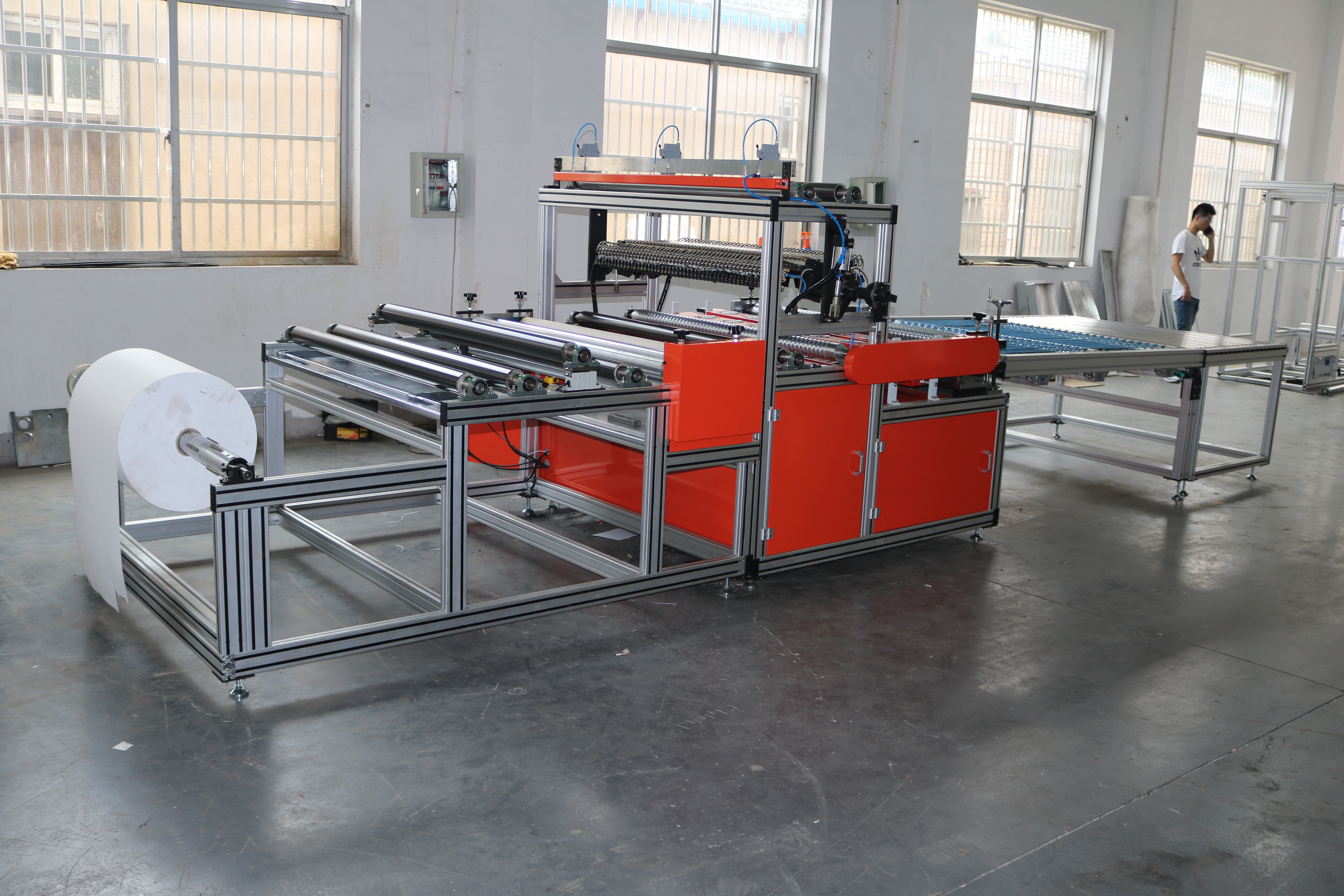
Understanding material compatibility is crucial when selecting a mini pleating machine for industrial applications. The performance, efficiency, and longevity of your pleating operations depend heavily on choosing the right materials that align with your machine's specifications and capabilities.
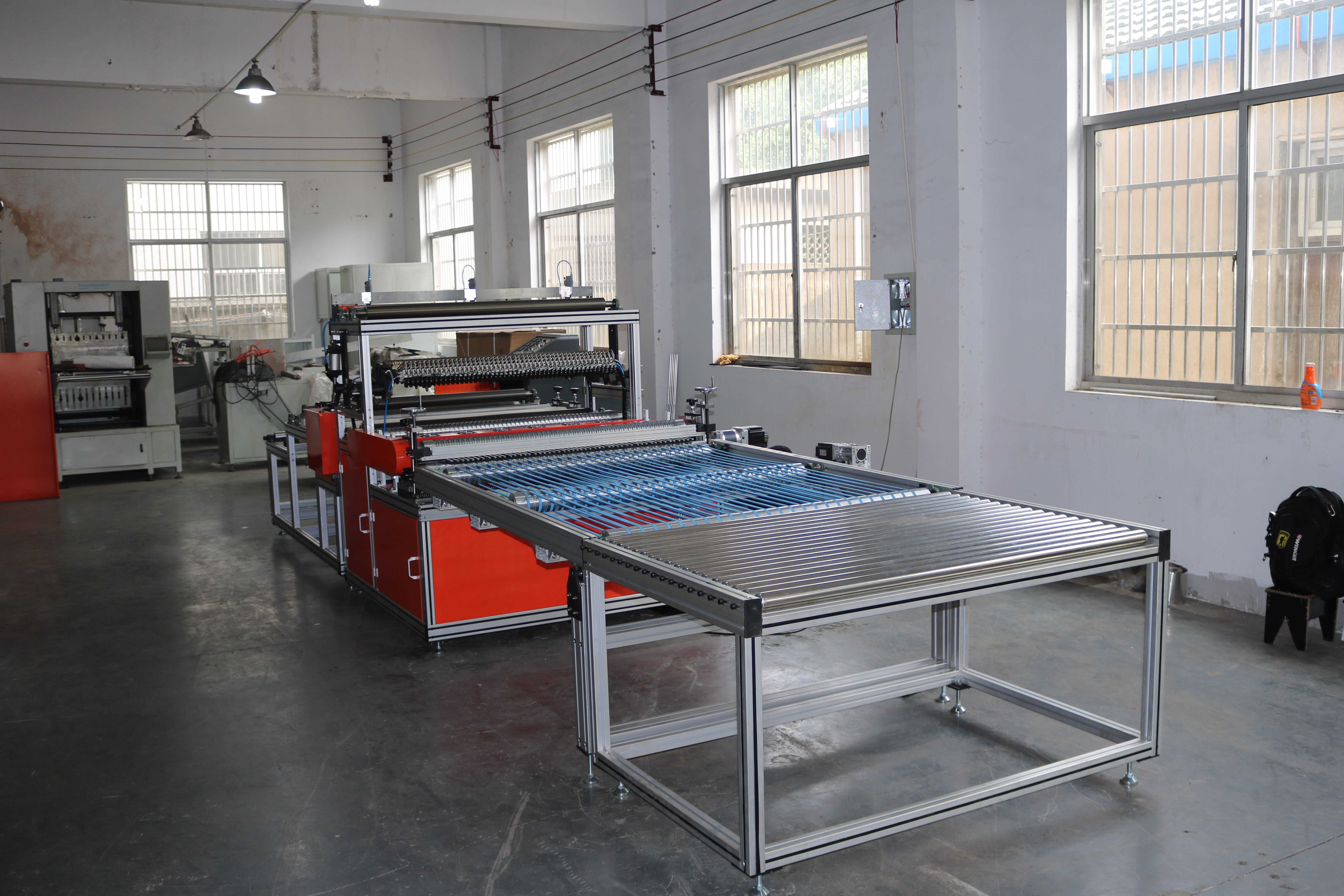
Material compatibility directly impacts the quality of pleated products, production speed, and maintenance requirements of your mini pleating machine. Different materials respond differently to heat, pressure, and mechanical stress during the pleating process, making it essential to understand which materials work best with your specific equipment configuration.
Primary Filter Media Materials for Mini Pleating Machines
Synthetic Fiber Materials
Synthetic fiber materials represent the most commonly compatible option for mini pleating machine operations. Polyester fibers demonstrate excellent compatibility due to their consistent thickness, predictable melting points, and uniform density distribution. The controlled manufacturing process of synthetic materials ensures consistent pleating results across production runs.
Polypropylene materials work exceptionally well with mini pleating machine systems because of their thermoplastic properties. These materials respond predictably to heat-based pleating methods while maintaining structural integrity throughout the process. The chemical resistance of polypropylene also makes it suitable for various industrial applications where the pleated products will encounter harsh environments.
Nylon fibers offer another compatible option for mini pleating machine operations, particularly when higher strength requirements are necessary. The material's ability to maintain crisp fold lines and resist deformation makes it valuable for applications requiring long-term dimensional stability.
Natural Fiber Combinations
While synthetic materials dominate mini pleating machine compatibility, certain natural fiber combinations can work effectively when properly processed. Cotton-blend materials with synthetic reinforcement provide good compatibility when the cotton content remains below thirty percent. Higher natural fiber percentages can lead to inconsistent pleating due to variable fiber lengths and moisture content variations.
Cellulose-based materials demonstrate moderate compatibility with mini pleating machine systems when treated with appropriate stabilizers. The key factor lies in achieving uniform moisture content and fiber distribution before processing. Untreated natural fibers often create challenges due to their tendency to compress unevenly during pleating operations.
Material Thickness and Density Considerations
Optimal Thickness Ranges
Material thickness plays a critical role in mini pleating machine compatibility. Most systems perform optimally with materials ranging from 0.3 to 2.5 millimeters in thickness. Thinner materials may lack sufficient structural integrity to maintain sharp pleats, while thicker materials can strain the machine's folding mechanisms and produce inconsistent results.
The thickness tolerance of your mini pleating machine determines the acceptable variation range within material batches. High-precision systems typically require thickness variations of less than ±0.1 millimeters to maintain consistent pleating quality. Materials with greater thickness variations may require additional quality control measures or pre-sorting before processing.
Multi-layer materials present unique compatibility challenges for mini pleating machine operations. Each layer must bond securely to prevent delamination during the pleating process. The combined thickness of multi-layer materials should still fall within the machine's specified operating range while ensuring adequate bonding between layers.
Density and Porosity Factors
Material density significantly affects how materials behave during mini pleating machine operations. Low-density materials may compress excessively under pleating pressure, resulting in reduced filtration surface area and compromised performance. High-density materials may resist proper folding, leading to stress fractures or incomplete pleat formation.
Porosity levels must align with both the intended application and the mini pleating machine capabilities. Materials with very high porosity may require specialized handling during the pleating process to prevent fiber migration or structural damage. Conversely, low-porosity materials may need adjusted processing parameters to achieve proper pleat formation without compromising material integrity.
Temperature and Chemical Resistance Requirements
Heat Tolerance Specifications
Temperature resistance becomes crucial when considering material compatibility with mini pleating machine operations, particularly for heat-activated pleating systems. Materials must withstand processing temperatures without degrading, melting, or losing their structural properties. Most synthetic materials suitable for mini pleating machine use can handle temperatures between 140°C and 180°C during processing.
The glass transition temperature of materials determines their behavior during heated pleating processes. Materials with glass transition temperatures well above the processing temperature maintain crisp pleats and dimensional stability. Materials approaching their glass transition temperature during processing may produce soft, poorly defined pleats that affect product performance.
Heat distribution uniformity affects material compatibility with mini pleating machine systems. Materials with good thermal conductivity help ensure even heating across the pleating width, reducing the risk of localized overheating or incomplete pleat formation. Poor thermal conductivity can lead to temperature gradients that compromise pleating quality.
Chemical Compatibility Factors
Chemical resistance requirements influence material selection for mini pleating machine applications, especially when pleated products will encounter aggressive environments. Materials must resist degradation from cleaning chemicals, process fluids, and environmental contaminants throughout their service life. This resistance must be maintained without compromising the material's pleating characteristics.
Solvent resistance becomes particularly important when mini pleating machine products will be used in industrial processes involving organic chemicals. Materials that swell or dissolve in common solvents create operational challenges and reduced product lifespan. Testing material compatibility with expected chemical exposures helps ensure long-term performance.
Surface Treatment and Coating Compatibility
Pre-treatment Requirements
Surface treatments can enhance material compatibility with mini pleating machine operations while improving end-product performance. Anti-static treatments help reduce material handling difficulties during high-speed pleating operations. These treatments must be applied uniformly to prevent localized adhesion or release issues during processing.
Moisture conditioning represents another important pre-treatment consideration for mini pleating machine compatibility. Materials with optimal moisture content (typically 2-4% for synthetic fibers) pleat more consistently and maintain better dimensional stability. Excessive moisture can cause steam generation during heated pleating, while insufficient moisture may make materials brittle and prone to cracking.
Surface energy modification through plasma treatment or chemical primers can improve material compatibility with certain mini pleating machine systems. These treatments enhance the material's response to heat and pressure during pleating while improving bond strength in multi-layer applications.
Functional Coatings and Additives
Functional coatings must be selected carefully to maintain mini pleating machine compatibility while providing desired end-product characteristics. Antimicrobial coatings should remain stable during pleating temperatures and pressures without affecting material flexibility. The coating thickness must not significantly alter the material's overall thickness beyond machine tolerances.
Oleophobic and hydrophobic treatments can enhance filtration performance but may affect material behavior during mini pleating machine operations. These treatments should not interfere with heat transfer or cause material stiffness that compromises pleat formation. Testing coated materials under actual processing conditions helps verify compatibility.
Quality Control and Material Testing
Pre-processing Evaluation Methods
Establishing material compatibility with mini pleating machine systems requires comprehensive testing protocols. Tensile strength testing ensures materials can withstand the mechanical stresses of pleating without tearing or permanent deformation. Materials should maintain at least 80% of their original tensile strength after pleating to ensure adequate service life.
Dimensional stability testing helps predict how materials will behave during and after mini pleating machine processing. Materials that shrink or expand significantly during pleating may create quality issues or dimensional inconsistencies in finished products. Stability tests should simulate actual processing conditions including temperature, humidity, and mechanical stress.
Thermal analysis provides valuable insights into material compatibility with heated mini pleating machine systems. Differential scanning calorimetry can identify optimal processing temperatures and reveal potential degradation issues before full-scale production begins. This analysis helps optimize processing parameters for each material type.
Production Monitoring Standards
Continuous quality monitoring during mini pleating machine operations ensures maintained material compatibility throughout production runs. Regular thickness measurements help detect material variations that could affect pleating quality. Automated monitoring systems can alert operators to material inconsistencies before they impact product quality.
Pleat angle measurements provide real-time feedback on material compatibility with current processing parameters. Consistent pleat angles indicate good material-machine compatibility, while variations may signal material property changes or processing adjustments needed. These measurements help maintain quality standards across different material batches.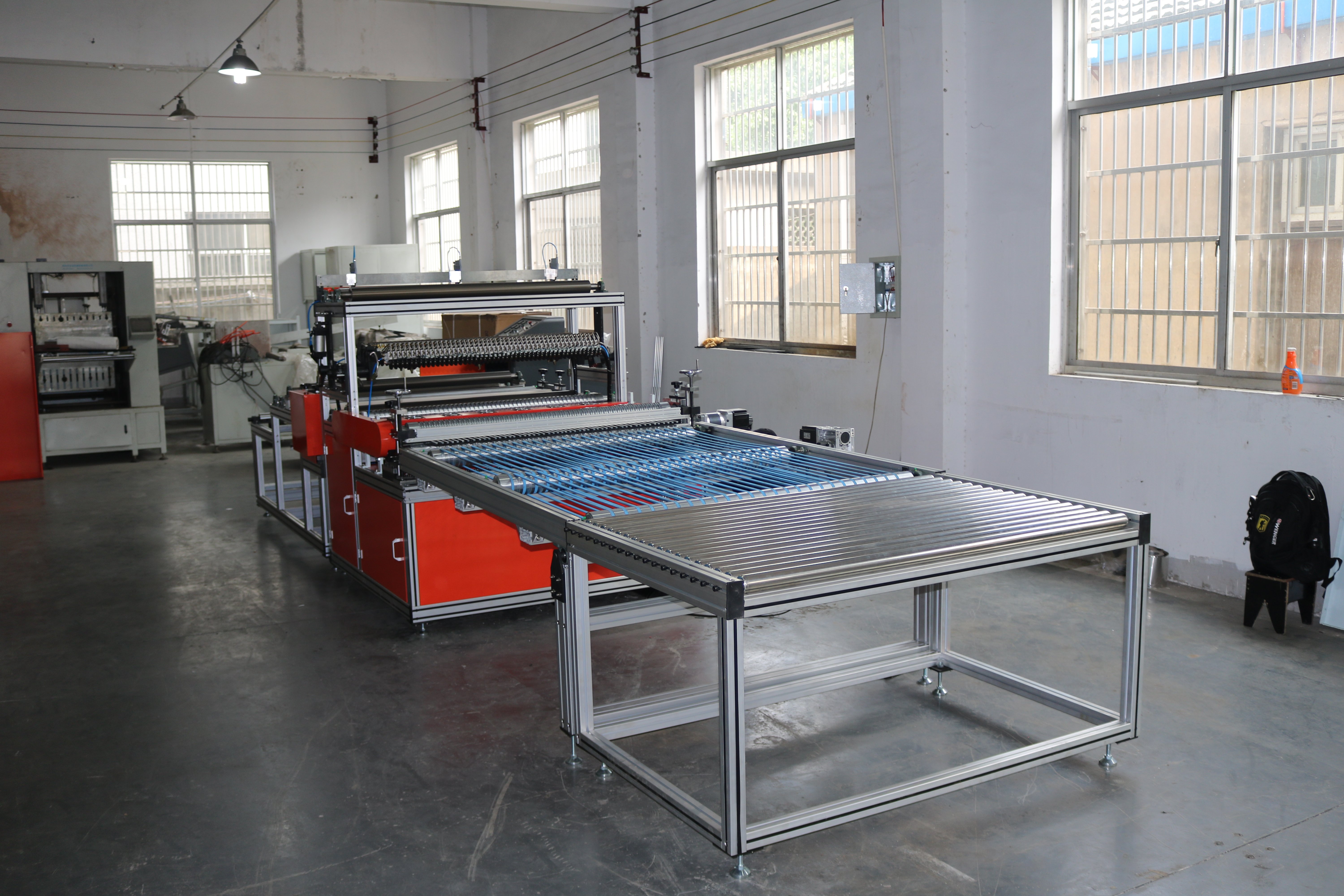
FAQ
What is the most important factor when determining material compatibility with a mini pleating machine?
The most important factor is material consistency, including uniform thickness, density, and thermal properties. Materials with consistent properties throughout each batch will produce reliable pleating results and minimize machine adjustments. Temperature resistance and mechanical strength during processing are also critical compatibility factors.
Can recycled materials be used with mini pleating machines?
Recycled materials can be compatible with mini pleating machines if they meet the same quality standards as virgin materials. The key requirements include consistent thickness, adequate tensile strength, and stable thermal properties. Recycled materials often require additional quality testing to verify these characteristics before use.
How does material width affect compatibility with mini pleating machines?
Material width must match the mini pleating machine's maximum processing width capacity. Most systems can handle materials from 100mm to 600mm wide, but specific machine models have defined limits. Using materials outside these width specifications can cause tracking problems, uneven pleating, or mechanical damage to the equipment.
What happens if incompatible materials are used in a mini pleating machine?
Using incompatible materials can result in poor pleat quality, machine jams, increased wear on components, and potentially damaged products. Common issues include incomplete pleat formation, material tearing, inconsistent fold angles, and excessive machine downtime. These problems can significantly impact production efficiency and product quality standards.
Table of Contents
- Primary Filter Media Materials for Mini Pleating Machines
- Material Thickness and Density Considerations
- Temperature and Chemical Resistance Requirements
- Surface Treatment and Coating Compatibility
- Quality Control and Material Testing
-
FAQ
- What is the most important factor when determining material compatibility with a mini pleating machine?
- Can recycled materials be used with mini pleating machines?
- How does material width affect compatibility with mini pleating machines?
- What happens if incompatible materials are used in a mini pleating machine?