
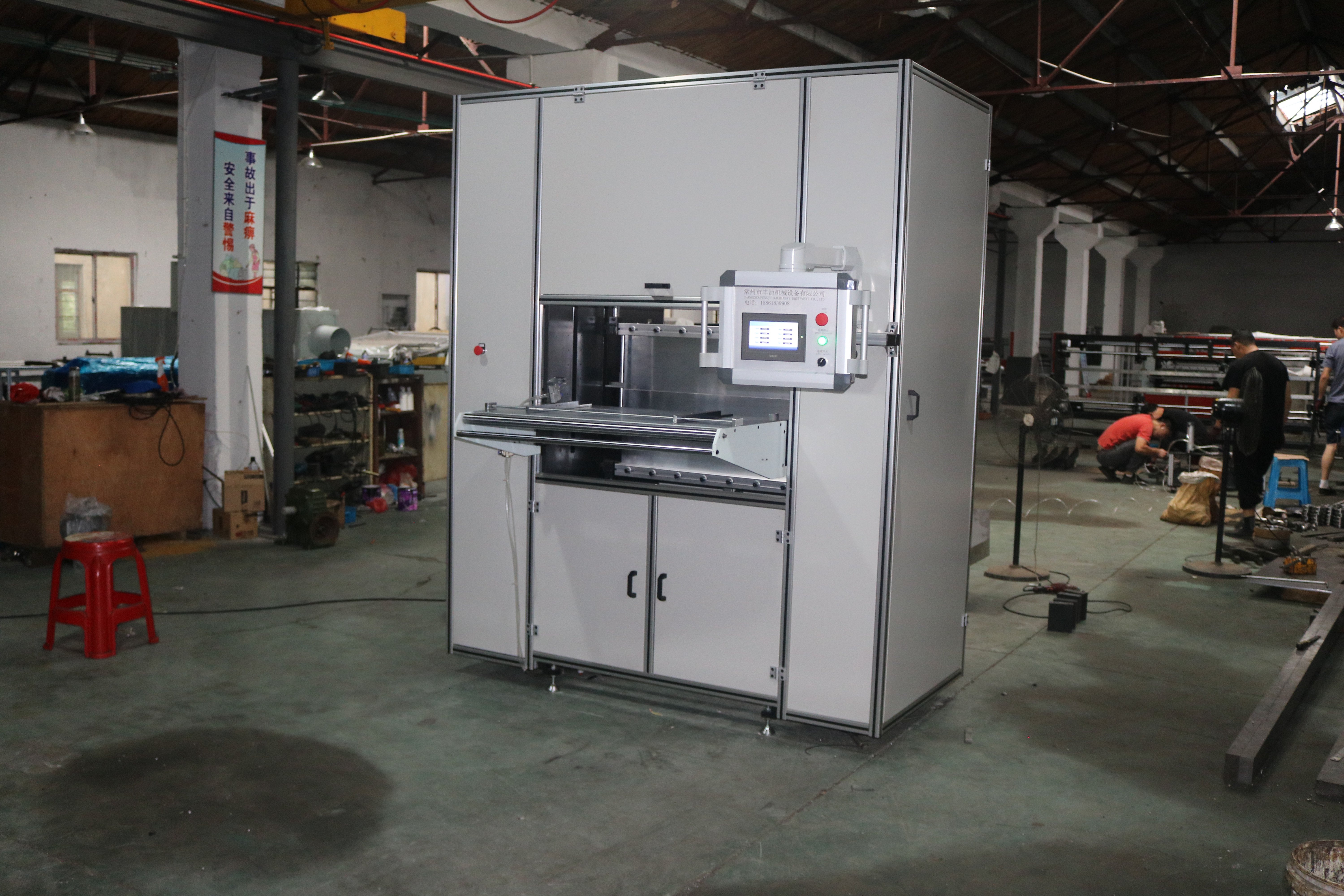
Proper maintenance of your paper folding machine is essential for ensuring optimal performance, extending equipment lifespan, and maintaining consistent folding quality in industrial and commercial applications. Understanding the specific maintenance requirements of your paper folding machine can prevent costly breakdowns, reduce downtime, and preserve the precision that these specialized machines are designed to deliver.
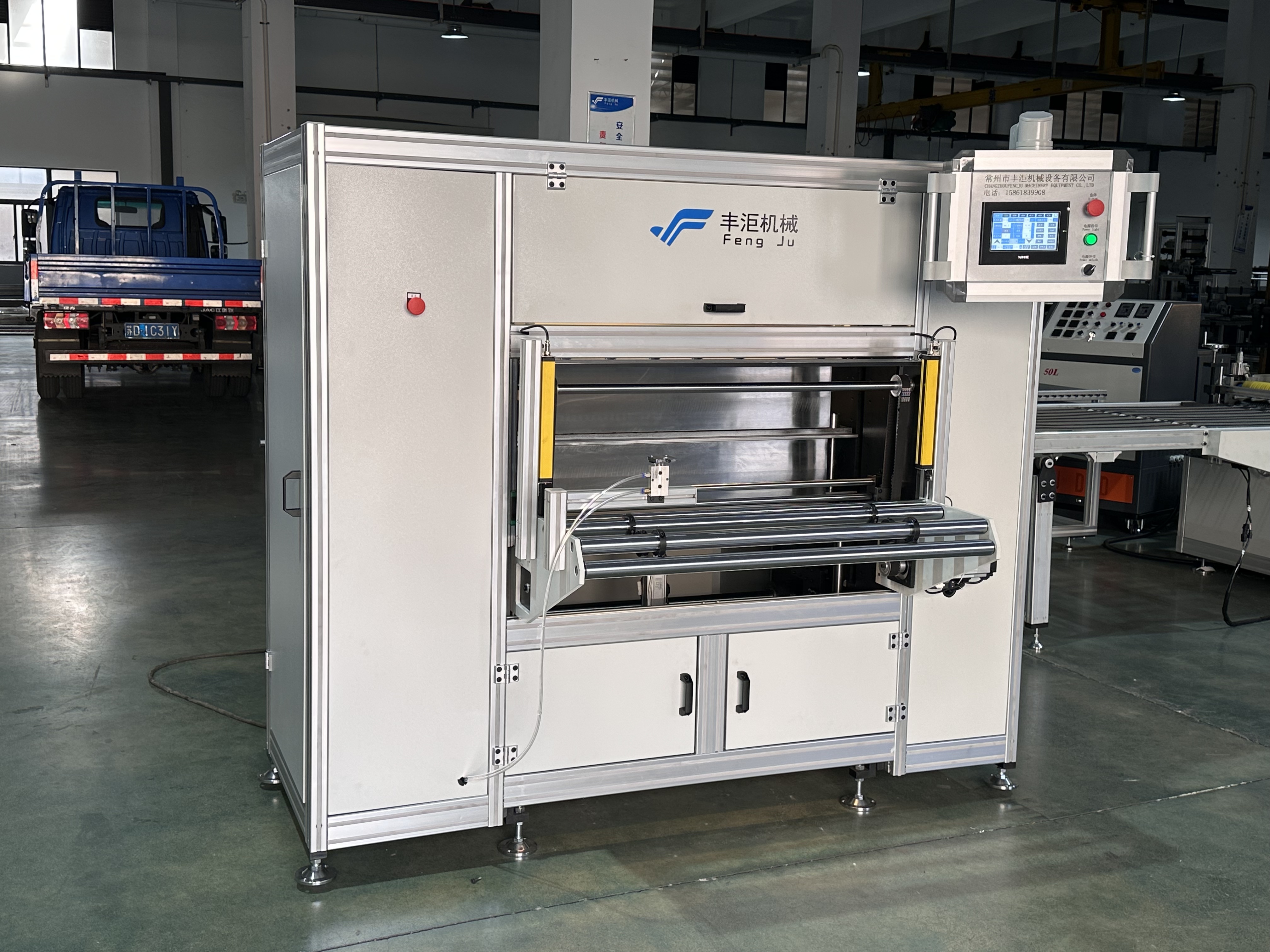
Effective maintenance of a paper folding machine involves systematic attention to mechanical components, electrical systems, and operational parameters that directly impact folding accuracy and production efficiency. By implementing a comprehensive maintenance strategy, operators can significantly reduce unexpected failures and maintain the high-precision standards required for professional paper processing applications.
Daily Maintenance Procedures for Paper Folding Machine Operations
Essential Daily Cleaning Protocols
Daily cleaning represents the foundation of effective paper folding machine maintenance, requiring specific attention to areas where paper dust and debris accumulate during operation. The folding rollers should be cleaned with lint-free cloths and appropriate cleaning solutions to remove paper residue that can affect folding precision and cause operational irregularities.
Paper guides and feed mechanisms require careful cleaning to prevent paper jams and maintain smooth material flow through the folding system. Operators should inspect and clean the paper path components, ensuring that no adhesive residue or foreign materials interfere with the precise paper handling capabilities of the machine.
The control panel and electronic interfaces of the paper folding machine should be cleaned with appropriate electronic-safe cleaning materials to maintain clear visibility and prevent dust accumulation that could affect sensitive control components. Regular cleaning of these interfaces ensures reliable operation and extends the lifespan of electronic components.
Lubrication and Mechanical Inspection Requirements
Daily lubrication of moving parts forms a critical component of paper folding machine maintenance, with specific attention to folding rollers, drive mechanisms, and adjustment components that experience continuous operation during production cycles. Proper lubrication reduces friction, prevents premature wear, and maintains the smooth operation essential for consistent folding quality.
Mechanical inspection procedures should include checking belt tension, examining drive components for signs of wear, and verifying that all safety mechanisms function properly. These inspections help identify potential issues before they develop into significant problems that could disrupt production or compromise operator safety.
The paper folding machine drive system requires regular attention to ensure optimal power transmission and prevent unexpected mechanical failures. Daily checks should include listening for unusual noises, observing vibration patterns, and monitoring drive component alignment to maintain efficient operation.
Weekly and Monthly Maintenance Schedules
Comprehensive Component Inspection Protocols
Weekly maintenance schedules for paper folding machine operations should include thorough inspection of folding plates, knife assemblies, and calibration systems that determine folding accuracy and consistency. These components require precise alignment and proper adjustment to maintain the high-quality folding results that industrial applications demand.
Monthly inspection procedures should encompass electrical connections, motor performance evaluation, and comprehensive testing of safety systems integrated into the paper folding machine design. These deeper inspections help identify developing issues that daily maintenance procedures might not detect, ensuring long-term reliability and operational safety.
The paper handling system components, including feed rollers, separation mechanisms, and delivery systems, require periodic detailed inspection to maintain optimal paper processing performance. Monthly evaluation of these systems ensures that paper feeding remains consistent and that folding accuracy is preserved across different paper types and weights.
Calibration and Adjustment Procedures
Regular calibration of the paper folding machine ensures that folding dimensions remain accurate and consistent with specified requirements, particularly important for applications requiring precise fold measurements and consistent results across production runs. Calibration procedures should follow manufacturer specifications and include verification of all adjustment mechanisms.
Monthly adjustment procedures should include fine-tuning of pressure settings, fold angle verification, and speed optimization based on the types of paper materials being processed. These adjustments help maintain optimal performance as operating conditions change and ensure that the paper folding machine continues to deliver consistent results.
Documentation of calibration results and adjustment settings provides valuable reference information for troubleshooting and helps maintain consistency in machine setup across different operators and production shifts. Proper record keeping supports effective maintenance planning and quality control procedures.
Preventive Maintenance for Critical Components
Folding Mechanism Maintenance Strategies
The folding mechanism represents the heart of paper folding machine operation, requiring specialized maintenance attention to preserve the precision and reliability that these systems provide. Regular inspection and maintenance of folding knives, buckle plates, and adjustment mechanisms ensure that fold quality remains consistent and that the machine operates within specified tolerances.
Preventive maintenance of folding components includes checking for wear patterns, verifying proper alignment, and ensuring that all adjustment mechanisms function smoothly and accurately. These procedures help prevent the gradual degradation of folding quality that can occur when components wear or become misaligned during operation.
The paper folding machine folding system requires periodic replacement of wear components such as folding knives and guide plates to maintain optimal performance. Establishing replacement schedules based on production volume and operating conditions helps ensure that component replacement occurs before quality degradation becomes noticeable.
Drive System and Motor Maintenance
The drive system of a paper folding machine requires systematic maintenance to ensure reliable power delivery and precise speed control essential for consistent folding results. Motor maintenance includes checking electrical connections, monitoring operating temperatures, and verifying that drive components remain properly aligned and lubricated.
Belt and chain drive components require regular inspection and tension adjustment to prevent slippage and maintain accurate timing relationships between different machine functions. Proper drive system maintenance ensures that paper feeding, folding, and delivery operations remain synchronized and operate efficiently.
Electronic drive controls and variable frequency drives used in modern paper folding machine designs require specialized maintenance attention, including checking programming parameters, verifying sensor functions, and ensuring that electronic components remain clean and properly ventilated for optimal operation.
Troubleshooting and Problem Prevention
Common Issues and Maintenance Solutions
Understanding common paper folding machine problems and their maintenance-related solutions enables operators to address issues quickly and prevent minor problems from developing into major operational disruptions. Paper jamming issues often result from inadequate cleaning or improper adjustment of paper guides and feed mechanisms.
Folding quality problems frequently stem from worn or misaligned folding components, highlighting the importance of regular inspection and timely replacement of wear parts. Maintaining detailed maintenance records helps identify patterns that can predict when component replacement or adjustment will be necessary.
The paper folding machine control system requires regular attention to prevent programming errors and ensure that all operational parameters remain within specified ranges. Regular backup of control system settings and periodic verification of sensor calibration help prevent control-related problems.
Environmental Factors and Maintenance Adaptation
Environmental conditions significantly impact paper folding machine maintenance requirements, with factors such as humidity, temperature, and dust levels affecting component wear rates and operational reliability. Maintenance schedules should be adapted based on operating environment conditions to ensure optimal machine performance.
Paper storage conditions and material handling procedures affect the maintenance requirements of paper folding machine components, particularly those involved in paper feeding and handling. Proper paper conditioning and storage help reduce maintenance demands and improve overall system reliability.
Seasonal variations in operating conditions may require adjustments to maintenance schedules and procedures to account for changes in humidity, temperature, and other environmental factors that affect paper handling and machine operation. Adapting maintenance practices to seasonal conditions helps maintain consistent performance year-round.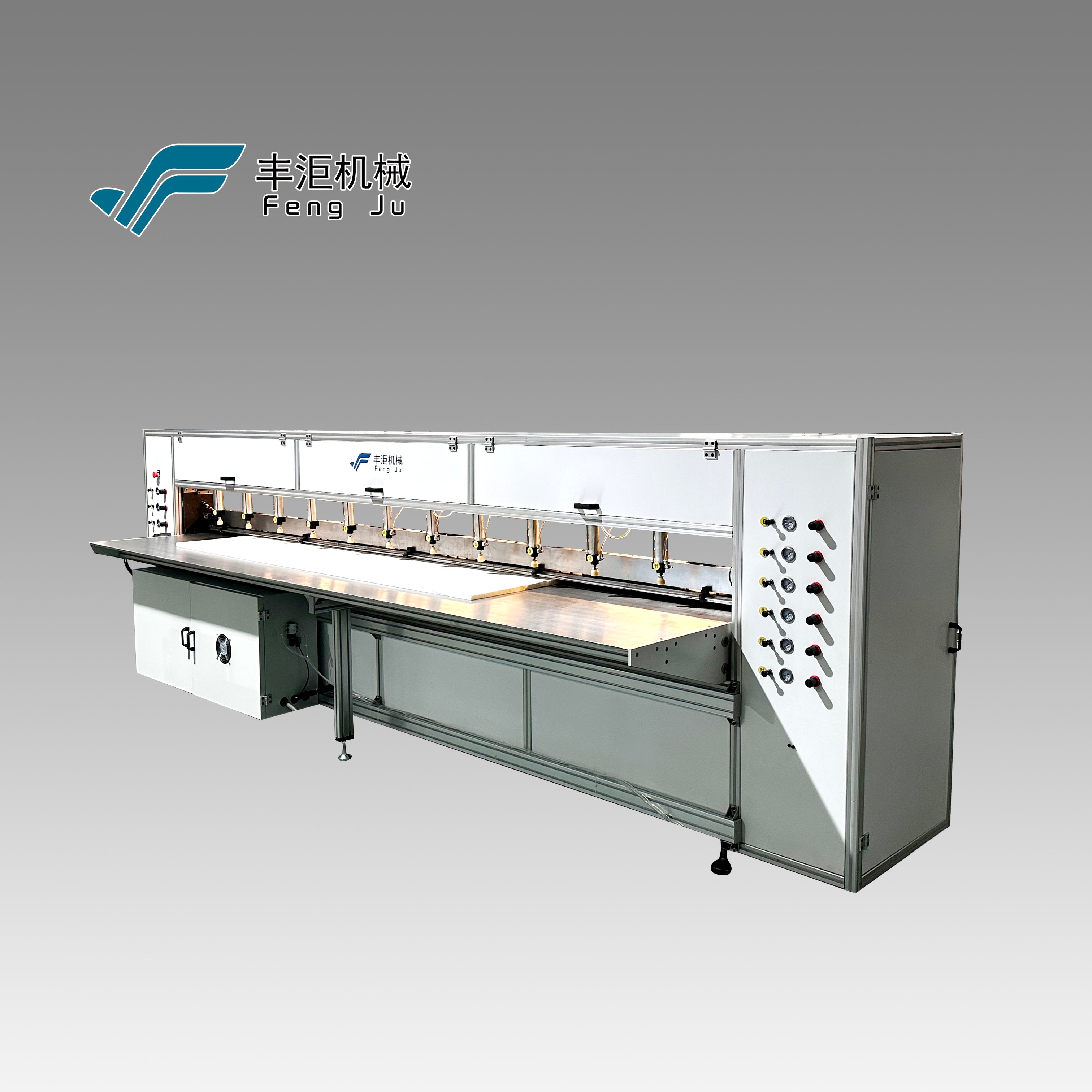
FAQ
How often should I lubricate my paper folding machine components?
Most paper folding machine components require daily lubrication of high-wear points such as folding rollers and drive mechanisms, while deeper lubrication of gear boxes and motor bearings typically occurs monthly or according to manufacturer specifications. The lubrication frequency depends on operating hours, environmental conditions, and the specific requirements of your machine model.
What are the signs that my paper folding machine needs immediate maintenance attention?
Key warning signs include unusual noises during operation, decreased folding accuracy, paper jamming frequency increases, visible wear on folding components, or inconsistent paper feeding. Any deviation from normal operating parameters should prompt immediate inspection to prevent more serious problems from developing.
Can improper maintenance void my paper folding machine warranty?
Yes, failing to follow manufacturer-specified maintenance procedures can void warranty coverage, particularly if improper maintenance leads to component failure or damage. Always use recommended lubricants, follow prescribed maintenance schedules, and document all maintenance activities to maintain warranty compliance and ensure optimal machine performance.
How do I establish an effective maintenance schedule for my paper folding machine?
An effective maintenance schedule should be based on manufacturer recommendations, operating hours, production volume, and environmental conditions. Start with the manufacturer's baseline schedule and adjust based on your specific operating conditions, keeping detailed records to identify patterns that may require schedule modifications for optimal performance and reliability.
Table of Contents
- Daily Maintenance Procedures for Paper Folding Machine Operations
- Weekly and Monthly Maintenance Schedules
- Preventive Maintenance for Critical Components
- Troubleshooting and Problem Prevention
-
FAQ
- How often should I lubricate my paper folding machine components?
- What are the signs that my paper folding machine needs immediate maintenance attention?
- Can improper maintenance void my paper folding machine warranty?
- How do I establish an effective maintenance schedule for my paper folding machine?