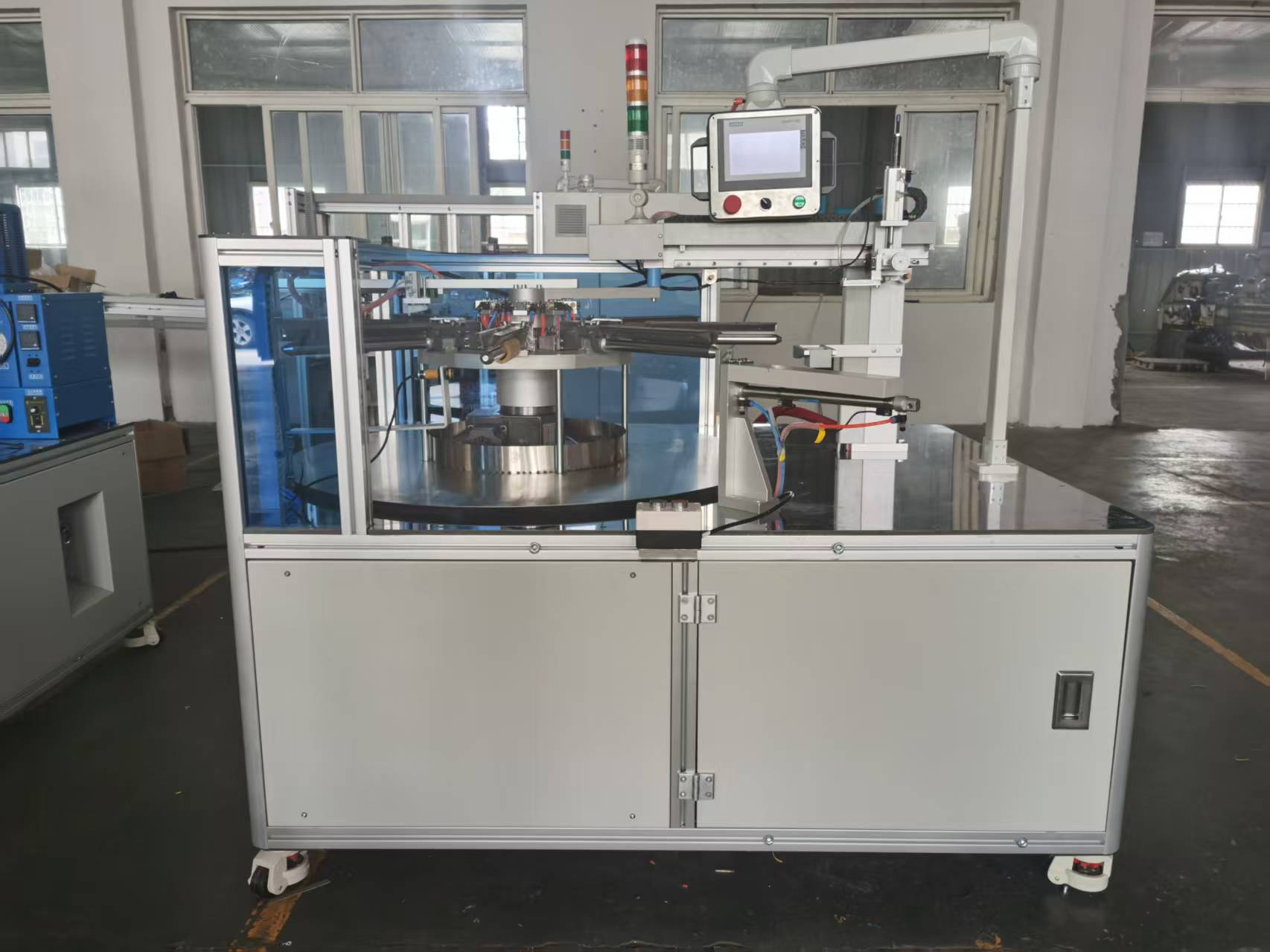
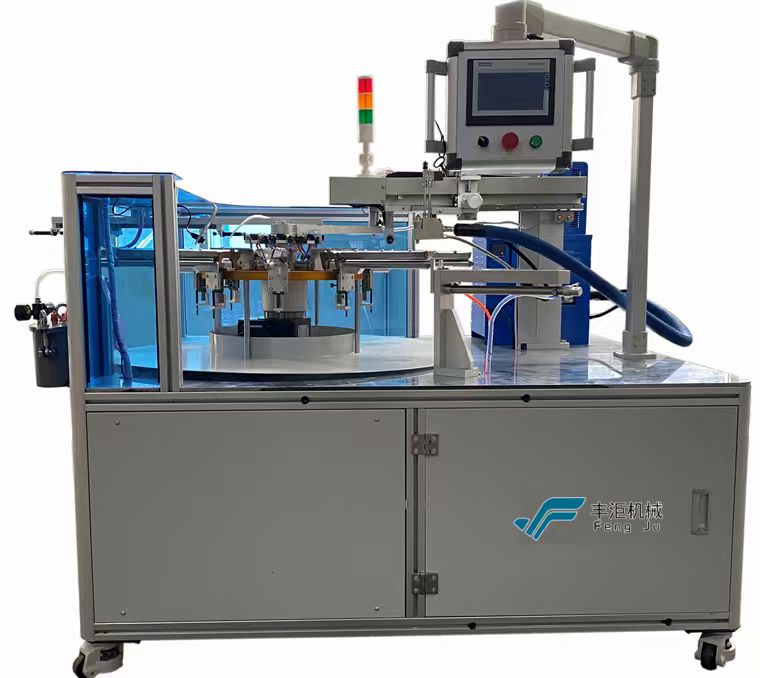
Understanding what factors affect the performance of a glue machine is crucial for manufacturers seeking optimal production efficiency and consistent bond quality. A glue machine's performance directly impacts production throughput, adhesive waste, and final product integrity across industrial applications. Multiple interconnected variables influence how effectively these automated systems operate, from mechanical components to environmental conditions.
The performance characteristics of any glue machine depend on several critical factors that work together to determine overall operational effectiveness. These factors range from the quality of internal components and calibration precision to external variables like temperature control and adhesive properties. Manufacturing professionals must consider each of these elements when optimizing their glue machine operations for specific production requirements.
Mechanical Component Quality and Design
Pump System Efficiency
The pump system serves as the heart of any glue machine, directly affecting flow rate consistency and adhesive distribution accuracy. High-quality pumps maintain precise pressure control, ensuring uniform adhesive application across varying production speeds. Pump wear, seal integrity, and impeller condition significantly impact a glue machine's ability to deliver consistent performance over extended operational periods.
Regular pump maintenance and component replacement schedules help maintain optimal performance levels. Advanced glue machine designs incorporate precision-engineered pumps with improved durability and self-monitoring capabilities. The pump's compatibility with specific adhesive types also influences overall system performance and longevity.
Application Head Precision
Application heads determine the accuracy and pattern consistency of adhesive placement on target materials. Precision-machined heads with tight tolerances ensure uniform bead width and placement accuracy, reducing adhesive waste and improving bond quality. The design of application heads must match specific production requirements and adhesive characteristics.
Multiple application head configurations allow glue machine operators to adapt to different substrate materials and bonding requirements. Head heating systems maintain optimal adhesive viscosity for consistent application, while automated cleaning mechanisms prevent clog formation during production runs.
Control System Sophistication
Modern glue machine control systems integrate sensors, feedback mechanisms, and programmable logic controllers to optimize performance automatically. Advanced control systems monitor adhesive flow rates, temperature, and pressure in real-time, making automatic adjustments to maintain consistent output quality. These systems reduce operator intervention requirements while improving overall reliability.
Programmable control interfaces allow operators to store multiple application profiles for different products, enabling quick changeovers between production runs. Integrated diagnostic capabilities help identify potential performance issues before they impact production quality or efficiency.
Adhesive Properties and Compatibility
Viscosity Characteristics
Adhesive viscosity directly affects how well a glue machine can pump, meter, and apply materials consistently. Low-viscosity adhesives flow more easily through system components but may require specialized application techniques to prevent dripping or over-application. High-viscosity adhesives provide better gap-filling properties but demand more robust pumping systems and heated application components.
Temperature-sensitive adhesives require precise thermal management to maintain optimal viscosity throughout the application process. Glue machine performance varies significantly when adhesive viscosity fluctuates beyond design parameters, affecting both application accuracy and production speed.
Cure Time and Working Life
The working life of adhesive materials affects how long a glue machine can operate continuously before requiring system cleaning or adhesive replacement. Fast-curing adhesives may require frequent system purging to prevent clogging, while longer working life formulations allow extended production runs with minimal interruption.
Pot life considerations influence production scheduling and glue machine utilization rates. Systems designed for specific adhesive types optimize performance by matching component materials and heating systems to adhesive cure characteristics.
Chemical Compatibility
Material compatibility between adhesive formulations and glue machine components affects both performance and equipment longevity. Aggressive solvents or reactive adhesives may degrade seals, gaskets, and wetted components over time, leading to performance degradation and increased maintenance requirements.
Selecting appropriate component materials and surface treatments ensures long-term compatibility between adhesive chemistry and machine components. Regular monitoring of component condition helps identify compatibility issues before they significantly impact glue machine performance.
Operating Environment and Conditions
Temperature Control Requirements
Ambient temperature and thermal management systems significantly affect glue machine performance across different operating conditions. Most industrial adhesives require specific temperature ranges for optimal flow characteristics and application properties. Temperature fluctuations can cause adhesive viscosity changes that impact application accuracy and bond quality.
Effective thermal management systems maintain consistent adhesive and component temperatures regardless of ambient conditions. Insulated supply lines, heated application heads, and temperature monitoring systems help ensure stable glue machine performance in varying environmental conditions.
Humidity and Air Quality
Moisture content in the operating environment affects both adhesive performance and glue machine component condition. High humidity levels may cause premature adhesive curing, affect bond strength, or contribute to corrosion of machine components. Conversely, extremely dry conditions can affect adhesive working properties and static electricity buildup.
Air filtration systems and environmental controls help maintain optimal operating conditions for sensitive glue machine operations. Proper ventilation ensures safe operation while preventing contamination that could affect adhesive application quality.
Substrate Material Characteristics
The materials being bonded significantly influence glue machine performance requirements and optimal operating parameters. Different substrate materials require specific adhesive application patterns, coverage rates, and curing conditions. Surface preparation, cleanliness, and material temperature all affect how effectively the glue machine can achieve desired bonding results.
Material handling systems must coordinate with glue machine operation to ensure proper substrate positioning and timing. Variations in material thickness, surface texture, or composition may require glue machine parameter adjustments to maintain consistent bond quality.
Maintenance and Operational Practices
Preventive Maintenance Scheduling
Regular maintenance schedules directly impact glue machine performance consistency and equipment reliability. Preventive maintenance includes component inspection, calibration verification, and replacement of wear items before they cause performance degradation. Well-maintained equipment operates more efficiently and produces higher quality results.
Maintenance scheduling should align with production requirements and adhesive characteristics to minimize operational disruption. Documentation of maintenance activities helps identify performance trends and optimize maintenance intervals for specific operating conditions.
Operator Training and Procedures
Skilled operators significantly influence glue machine performance through proper setup, monitoring, and adjustment procedures. Comprehensive training programs ensure operators understand system capabilities, troubleshooting procedures, and optimization techniques. Consistent operating procedures reduce variability and improve overall performance reliability.
Regular operator training updates help maintain performance standards as equipment capabilities evolve and production requirements change. Standardized procedures reduce the impact of operator changes on glue machine performance consistency.
Quality Control Integration
Integrated quality control systems monitor glue machine performance in real-time, providing immediate feedback on application quality and consistency. Statistical process control techniques help identify performance trends and optimize operating parameters for specific production requirements.
Quality control data integration allows operators to correlate glue machine performance with final product quality metrics. This feedback enables continuous improvement of operating parameters and maintenance procedures to optimize overall system performance.
Production Speed and Throughput Considerations
Flow Rate Optimization
Production speed requirements directly affect glue machine flow rate settings and system capacity utilization. Higher production speeds require more precise flow control and faster system response times to maintain application accuracy. The relationship between speed and quality often requires optimization to achieve desired throughput without compromising bond integrity.
Flow rate optimization involves balancing adhesive coverage requirements with production efficiency goals. Advanced glue machine systems automatically adjust flow rates based on line speed changes, maintaining consistent coverage regardless of throughput variations.
Changeover Efficiency
Product changeover procedures significantly impact overall glue machine utilization and performance metrics. Efficient changeover processes minimize downtime while ensuring complete removal of previous adhesive formulations. Quick-change systems and automated cleaning procedures reduce changeover time and improve production flexibility.
Changeover efficiency affects the economic viability of shorter production runs and increases overall glue machine versatility. Standardized changeover procedures ensure consistent performance across different product configurations and adhesive types.
System Integration Requirements
Integration with upstream and downstream production equipment affects glue machine performance optimization and overall line efficiency. Coordinated control systems ensure proper timing and material handling to maximize adhesive application effectiveness. Communication protocols between different system components enable automated adjustments based on real-time production conditions.
Effective system integration reduces manual intervention requirements and improves overall production consistency. Integrated monitoring systems provide comprehensive performance data across the entire production line, enabling system-wide optimization strategies.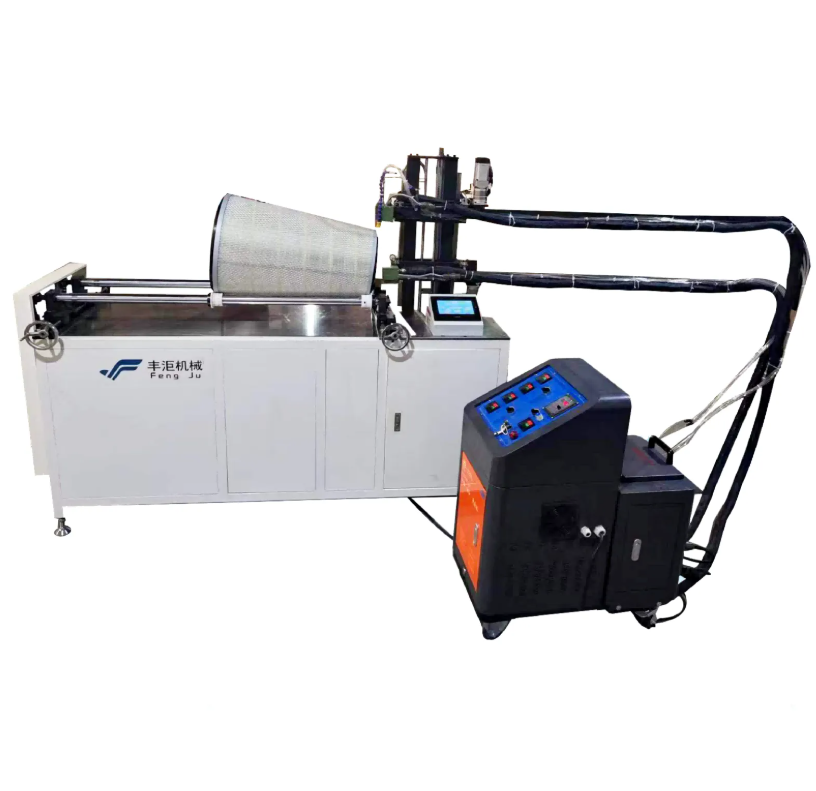
FAQ
How often should I calibrate my glue machine for optimal performance?
Calibration frequency depends on usage intensity and adhesive types, but most industrial glue machines require monthly calibration checks for flow rates, pressure settings, and temperature controls. High-volume operations or systems using aggressive adhesives may need weekly calibration verification to maintain optimal performance levels.
What temperature range provides the best glue machine performance?
Optimal operating temperatures vary by adhesive type, but most industrial glue machines perform best when adhesive temperatures are maintained between 120-180°F (49-82°C). System components should be preheated to prevent thermal shock, and ambient temperatures should remain within the manufacturer's specified range to ensure consistent performance.
Can environmental humidity affect my glue machine's performance?
Yes, humidity levels significantly impact glue machine performance, particularly with moisture-sensitive adhesives. Relative humidity should typically be maintained between 40-60% for optimal results. High humidity can cause premature adhesive curing or affect cure rates, while extremely low humidity may cause static buildup or adhesive skinning issues.
How do I know when adhesive viscosity is affecting machine performance?
Signs of viscosity-related performance issues include inconsistent bead width, pressure fluctuations, pump cavitation, or difficulty maintaining target flow rates. Monitor adhesive temperature closely, as viscosity changes dramatically with temperature variations. Regular viscosity testing ensures the adhesive remains within specifications for your glue machine's design parameters.