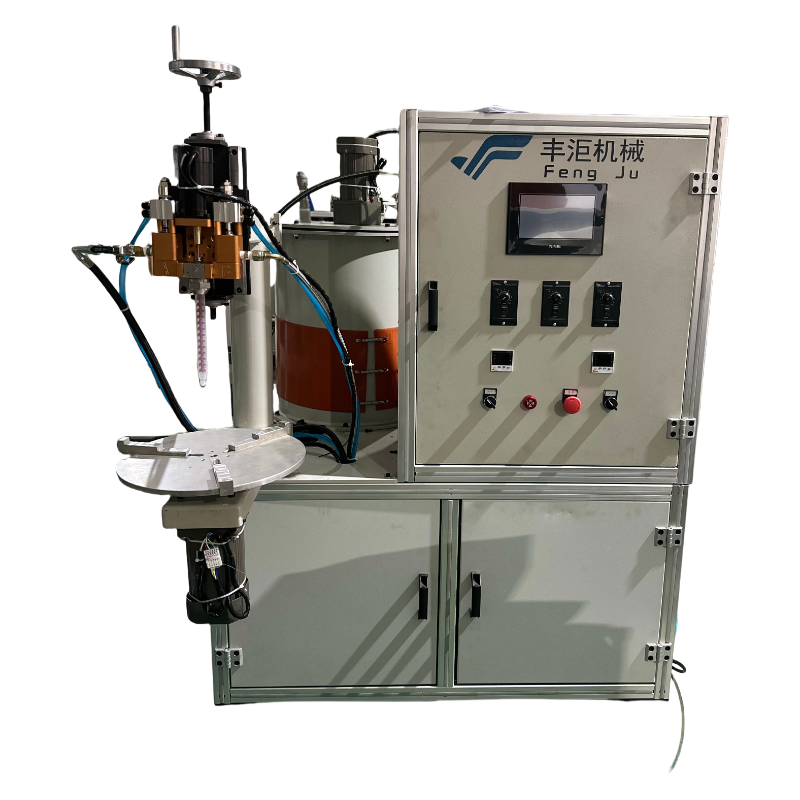
A glue machine is one of the most operationally critical pieces of equipment in any manufacturing or assembly environment. Whether it is used in filter production, packaging lines, woodworking, or automotive component assembly, this equipment must perform consistently under demanding conditions. The challenge is not simply buying the right glue machine — it is keeping it performing at its best over months and years of continuous use. Without a disciplined maintenance approach, even the highest-quality equipment will begin to suffer from adhesive buildup, pressure inconsistencies, nozzle clogs, and mechanical wear that slowly erode output quality and production uptime.
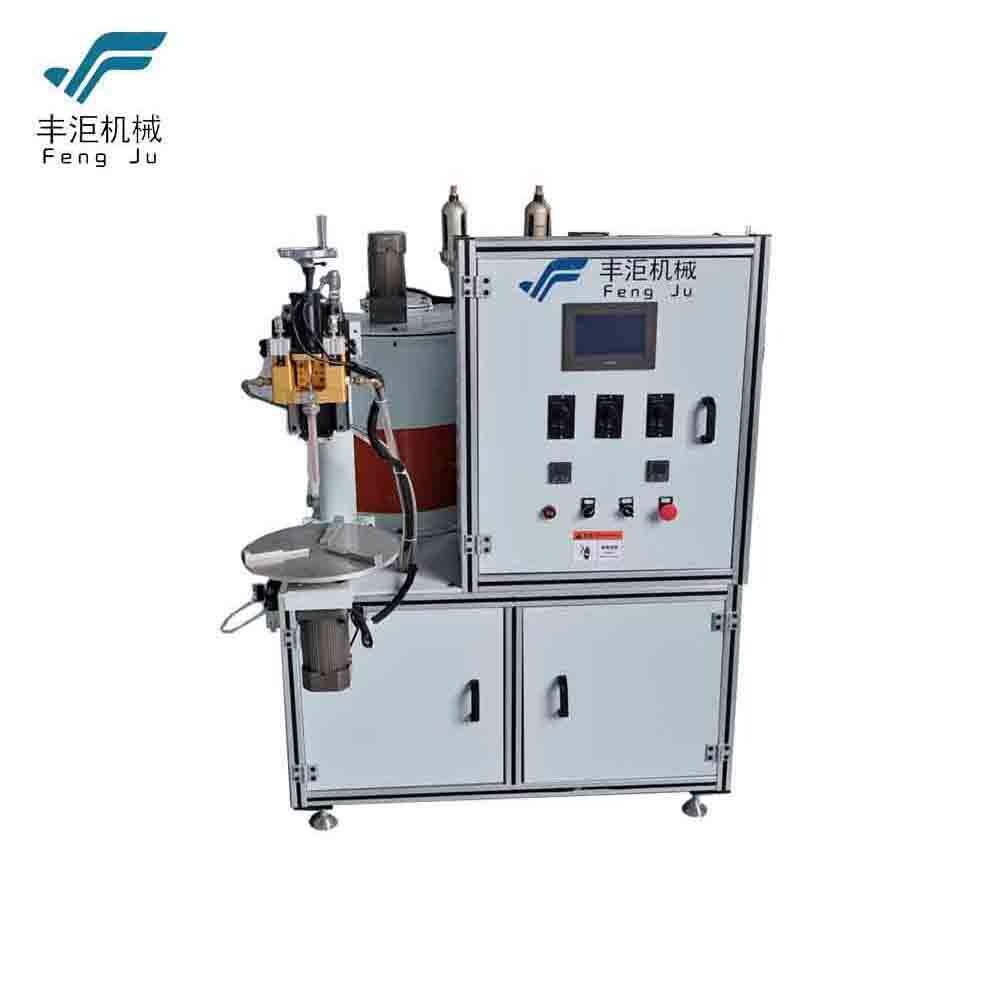
Long-term reliability from a glue machine does not happen by accident. It is the direct result of structured maintenance routines, early fault detection, and a team that understands how each component functions and degrades over time. This guide walks through the full maintenance workflow — from daily cleaning habits to annual overhauls — so you can protect your investment, minimize unplanned downtime, and maintain the dispensing precision your production line depends on. The guidance applies broadly across adhesive dispensing systems, with particular relevance to precision industrial environments where consistency is non-negotiable.
Understanding the Core Components of a Glue Machine
The Dispensing System and Adhesive Pathway
Before you can maintain a glue machine effectively, you must understand what you are maintaining. The dispensing system is the heart of the machine — it controls how adhesive is metered, transferred, and applied to the workpiece. This system typically includes a reservoir or hopper, a pump assembly, delivery tubing, and the dispensing nozzle or valve. Each of these components is in direct contact with adhesive and is therefore subject to fouling, thermal stress, and material buildup over time.
The adhesive pathway must be kept clear and free from dried or degraded material at all times. When adhesive sits idle in the pathway — especially in high-temperature hot melt systems — it can char, thicken, or separate, leading to blockages that disrupt flow rate and application accuracy. Understanding the full path that adhesive travels through your glue machine is the first step toward building a maintenance routine that actually addresses the root causes of equipment failure.
Different adhesive chemistries behave differently inside the machine. Reactive adhesives, solvent-based systems, and hot melt materials all have distinct degradation patterns. Your maintenance schedule must account for the specific adhesive your glue machine uses, because the cleaning agents, purging procedures, and inspection intervals will differ significantly depending on the chemistry involved.
Mechanical Drive and Control Electronics
Beyond the adhesive pathway, a glue machine relies on mechanical drive components — motors, gears, cams, or pneumatic actuators — to control dispensing cycles and substrate movement. These components require lubrication, alignment checks, and periodic replacement of wear parts such as seals, O-rings, and drive belts. Neglecting the mechanical side of maintenance is one of the most common reasons why adhesive application quality degrades unexpectedly.
The control electronics govern temperature regulation, cycle timing, pressure settings, and dispensing volume. Modern glue machine systems use programmable logic controllers (PLCs) or dedicated microcontrollers to manage these parameters. Keeping firmware updated, monitoring sensor calibration, and inspecting electrical connections for corrosion or looseness are all essential maintenance tasks that are too often overlooked in industrial settings focused primarily on the adhesive-side components.
Building a Preventive Maintenance Schedule
Daily and Weekly Maintenance Tasks
Daily maintenance for a glue machine should be fast, systematic, and non-negotiable. At the start or end of each shift, operators should visually inspect the dispensing nozzle for adhesive buildup or dried residue. Even small accumulations around the nozzle tip can alter bead shape, disrupt flow, and cause inconsistent application patterns that show up as defects downstream. A soft cloth or approved solvent wipe — matched to your adhesive chemistry — is typically sufficient for nozzle cleaning during daily checks.
Checking the adhesive level in the reservoir and monitoring operating temperature are also daily responsibilities. Running a glue machine with insufficient adhesive can cause pump cavitation and introduce air into the dispensing system, which leads to voids and inconsistencies in the applied bead. Temperature monitoring is equally important — if the operating temperature drifts outside the adhesive manufacturer's recommended range, both adhesion performance and internal component health are at risk.
Weekly tasks should include a more thorough cleaning of the dispensing head assembly, inspection of tubing and hose connections for leaks or kinks, and a check of all moving mechanical parts for signs of wear or abnormal noise. Documenting these weekly inspections in a logbook or digital maintenance system allows you to identify trends over time — a subtle increase in pressure readings, for example, might signal the early stages of a blockage before it becomes a shutdown event.
Monthly and Quarterly Maintenance Protocols
On a monthly basis, a glue machine should undergo a more detailed inspection and servicing cycle. This includes purging the adhesive pathway with an appropriate flushing agent to remove any accumulated degraded material. For hot melt systems, this means running a purge cycle at the correct temperature with a compatible purge compound. For cold glue or reactive systems, the procedure will differ — always follow the adhesive supplier's guidance and the equipment manufacturer's protocol.
Nozzle and valve components should be removed, cleaned individually, and inspected under magnification on a monthly basis. Small wear marks, deformation at sealing surfaces, or micro-cracks in nozzle tips are often invisible during a standard visual check but become apparent with closer examination. Replacing these components proactively — before they fail in production — is far less costly than unplanned downtime caused by a mid-run dispensing failure on your glue machine.
Quarterly servicing should encompass a full mechanical inspection, including lubrication of all specified points, tension checks on drive belts or chains, and verification of sensor accuracy. Pressure transducers, temperature sensors, and flow meters all drift over time. If your glue machine uses closed-loop feedback for dispensing control, inaccurate sensors translate directly into application errors that may not be caught until product quality inspections reveal a defect pattern.
Cleaning Techniques That Protect Equipment Longevity
Selecting the Right Cleaning Agents
The cleaning products used on a glue machine must be selected with as much care as the adhesive itself. Using an incompatible cleaning agent can damage seals, degrade internal coatings, or leave behind residues that contaminate the next adhesive batch. Always cross-reference your adhesive supplier's cleaning recommendations with the equipment manufacturer's approved materials list before introducing any solvent or cleaning compound into the machine's fluid circuit.
For hot melt adhesive systems, purge compounds specifically formulated for polymer flushing are the preferred cleaning method. These materials are designed to mechanically push degraded adhesive through the system without chemical interaction with internal surfaces. For water-based adhesive systems running in a glue machine, warm water purges — sometimes combined with a mild detergent — are typically effective and far less aggressive on seals and gaskets than solvent-based alternatives.
External cleaning of the machine housing, conveyor components, and work surfaces should use only non-corrosive, non-residue agents. Operators who use harsh industrial degreasers on machine exteriors sometimes inadvertently allow cleaning agents to migrate into control panel enclosures or bearing housings, causing electrical faults or premature bearing failure. Discipline in cleaning agent selection protects your glue machine just as much as discipline in application.
Avoiding Common Cleaning Mistakes
One of the most damaging cleaning mistakes is using metal tools — wire brushes, scrapers, or picks — to remove dried adhesive from nozzle tips and valve seats. These surfaces are precision-machined to very tight tolerances, and even minor scratching can alter flow dynamics or prevent proper valve sealing. Always use plastic or silicone tools, and if adhesive is too hardened to remove manually, apply heat or an approved softening agent first and allow adequate soak time before attempting removal on your glue machine components.
Another common mistake is cleaning a hot melt glue machine while the system is still at full operating temperature and under pressure. Purging at elevated temperature is normal, but disassembly for manual cleaning must follow a proper cool-down and pressure-relief procedure. Ignoring this step risks burns from hot adhesive spray, as well as damage to seals that contract improperly when components are handled at temperature extremes. Safety and equipment longevity are both served by following the correct cool-down sequence before hands-on maintenance begins.
Diagnosing and Addressing Common Glue Machine Failures
Inconsistent Bead Width or Adhesive Dropouts
One of the most frequently reported problems with a glue machine in production environments is inconsistent bead width — where the adhesive pattern varies in width or thickness across a run. This symptom typically points to one of three root causes: a partially clogged nozzle, pressure variation in the supply system, or an adhesive viscosity problem caused by temperature drift. Systematically eliminating each possible cause through targeted inspection is the correct diagnostic approach rather than replacing components at random.
Start by checking nozzle condition and cleaning it thoroughly. If bead consistency improves after cleaning, the nozzle was the culprit and a more rigorous cleaning schedule should be introduced going forward. If the problem persists, check pump pressure readings against the target specification. A pump that is wearing internally will show declining output pressure at constant drive speed — this is a sign that pump internals are due for inspection or replacement on the glue machine.
Temperature-related viscosity drift should be investigated by logging operating temperature continuously over several hours of production. Many older glue machine systems use simple on/off thermostats rather than PID temperature controllers, which results in cyclic temperature variation. If temperature fluctuation correlates with bead width variation, upgrading the temperature control system or tightening thermostat tolerance bands is a higher-value fix than any amount of nozzle cleaning.
Adhesive Leakage and Seal Degradation
Adhesive leakage from hose connections, valve bodies, or pump housings is a sign that seals or gaskets within the glue machine have degraded and require attention. In hot melt systems, seal degradation is often accelerated by thermal cycling — the repeated expansion and contraction of metal components as the machine heats up and cools down each shift puts cumulative stress on elastomeric seals. The correct response is to replace seals on a scheduled basis rather than waiting for visible leakage to appear.
When replacing seals on a glue machine, always use manufacturer-specified seal materials. Substituting a generic O-ring for a specified fluorocarbon or PTFE seal, for example, can result in rapid re-failure if the adhesive or operating temperature is outside the generic material's compatibility range. Keep an inventory of the most commonly replaced seal and gasket sizes for your specific machine model so that scheduled replacements can be completed without production delays while waiting for parts to arrive.
Long-Term Reliability Strategies for Glue Machine Operations
Operator Training and Maintenance Culture
Equipment reliability is ultimately a function of human behavior as much as mechanical quality. A glue machine maintained by well-trained, engaged operators will consistently outperform an identical machine in the hands of an undertrained team. Investing in proper operator training — covering not just how to run the machine but how to identify early warning signs of developing problems — pays compounding dividends over the lifetime of the equipment.
Maintenance culture is built through documentation, accountability, and visible management commitment. When operators know that maintenance logs are reviewed, that early problem reporting is rewarded rather than penalized, and that the maintenance schedule is treated as a business priority rather than an optional task, they engage more actively with equipment health. For any glue machine operating in a precision manufacturing environment, this cultural dimension is just as important as the technical maintenance protocol itself.
Spare Parts Management and Predictive Maintenance
Maintaining an appropriate spare parts inventory is one of the most practical reliability strategies available for a glue machine operation. When a nozzle, seal, or pump component fails unexpectedly and no replacement is on hand, the result is extended downtime while parts are sourced — a highly avoidable situation with proper inventory planning. Review your maintenance history to identify the components that require most frequent replacement and ensure those parts are always stocked at a sensible safety quantity.
Predictive maintenance takes reliability management a step further by using operational data — pressure trends, temperature logs, cycle counts, and vibration readings — to forecast when a component is likely to fail before it actually does. Modern glue machine systems increasingly include built-in data logging and connectivity features that make this approach more accessible. Even without sophisticated IIoT integration, simply trending key parameters in a spreadsheet can reveal degradation patterns early enough to schedule maintenance during planned downtime rather than responding reactively to production stoppages.
A glue machine that is maintained proactively will deliver years of reliable service with predictable output quality. The combination of structured preventive maintenance, disciplined cleaning practices, timely seal replacement, trained operators, and data-driven decision-making creates a maintenance ecosystem that supports long-term operational reliability across the full lifecycle of the equipment.
FAQ
How often should I perform a full cleaning of my glue machine?
A full cleaning of the adhesive pathway in a glue machine should be performed at minimum on a monthly basis, with more frequent purging recommended for high-volume operations or when using adhesives prone to charring or thickening. Daily nozzle checks and weekly partial cleanings should complement the monthly deep-clean cycle to prevent cumulative buildup from developing into a blockage or quality problem.
What are the most common signs that a glue machine needs maintenance attention?
The most common warning signs include inconsistent bead width or adhesive dropout during production runs, visible adhesive leakage from fittings or valve bodies, unusual noise from the pump or drive assembly, and temperature readings that drift outside the normal operating range. Any of these symptoms indicates that a glue machine requires inspection and likely targeted maintenance before the issue escalates into a major failure.
Can I use any solvent to clean the inside of my glue machine?
No — solvent selection for internal cleaning of a glue machine must be matched to both the adhesive chemistry and the materials used in the machine's fluid circuit. Using an incompatible solvent can damage seals, degrade internal coatings, and contaminate the adhesive system. Always consult both the adhesive supplier's cleaning recommendations and the equipment manufacturer's approved materials list before introducing any cleaning agent into the machine's internal components.
How do I extend the service life of dispensing nozzles on a glue machine?
Nozzle life on a glue machine is extended primarily through regular cleaning, avoiding mechanical damage during cleaning, and operating within the adhesive's recommended temperature and pressure parameters. Never use metal tools on nozzle orifices or sealing surfaces. Store removed nozzles in clean, sealed containers when not in use, and inspect them monthly under magnification to catch early wear before it affects dispensing accuracy or causes production defects.