
Proper maintenance of a filter pleating machine directly impacts production efficiency, product quality, and operational costs in industrial filtration manufacturing. Understanding the systematic approach to maintaining these precision instruments ensures consistent pleating accuracy, minimizes downtime, and extends equipment lifespan significantly beyond standard operational expectations.
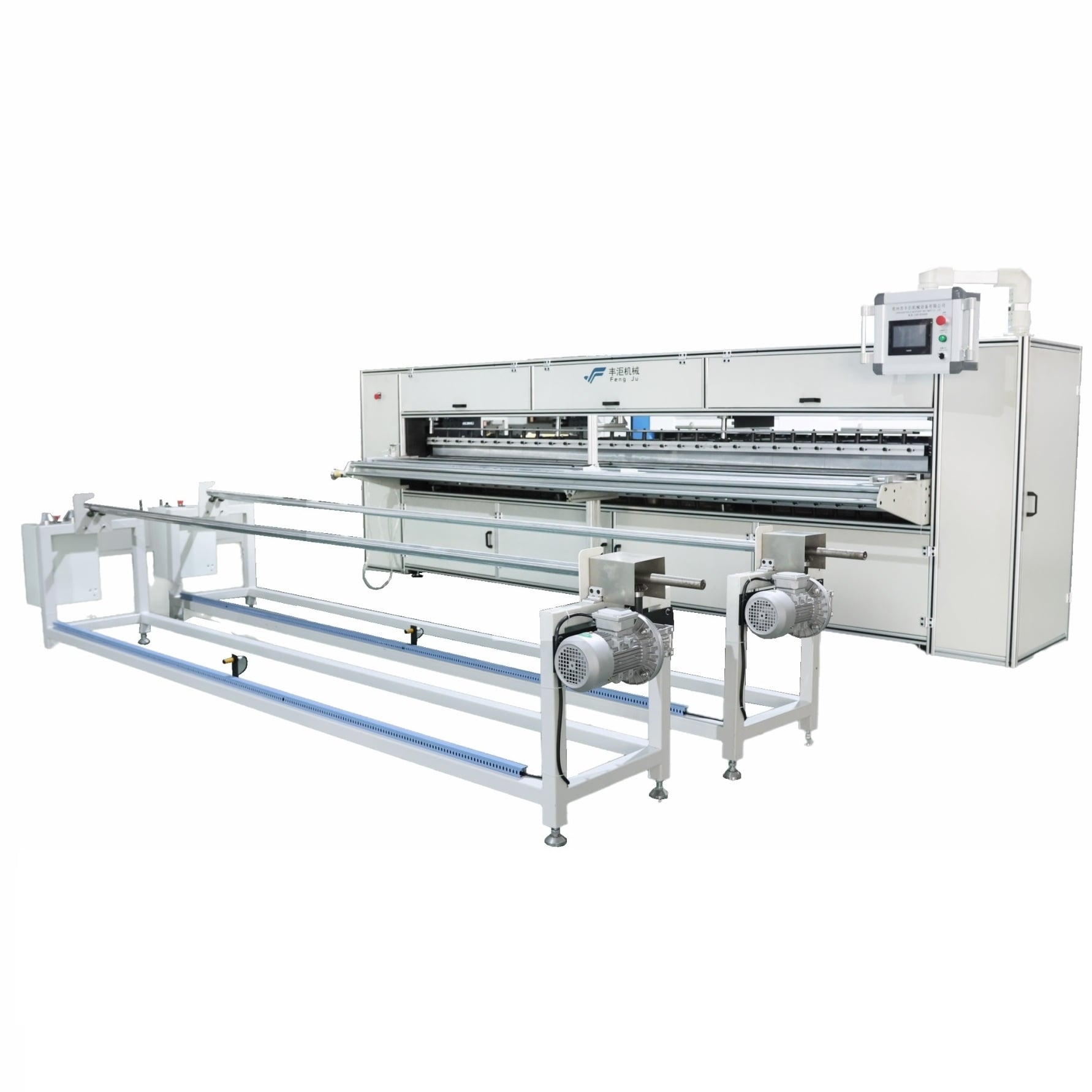
This comprehensive maintenance guide provides step-by-step procedures, timing recommendations, and troubleshooting strategies specifically designed for filter pleating machine operations. By implementing these proven maintenance protocols, manufacturers can achieve optimal performance metrics while reducing unexpected equipment failures and costly production interruptions.
Understanding Filter Pleating Machine Components and Maintenance Requirements
Critical Mechanical Systems Requiring Regular Attention
The filter pleating machine contains several precision mechanical systems that demand specific maintenance intervals and procedures. The pleating blade assembly represents the most critical component, requiring daily inspection and weekly calibration to maintain consistent fold angles and spacing. These blades experience continuous wear from contact with filter media, making regular assessment essential for optimal performance.
Drive mechanisms, including servo motors and transmission components, require monthly lubrication and alignment checks. The pneumatic systems controlling blade movement and material feeding need weekly inspection for air pressure consistency and seal integrity. Sensor arrays monitoring pleat depth and material tension require calibration every two weeks to ensure accurate feedback to control systems.
The material handling system, encompassing unwinding stations and cutting mechanisms, demands daily cleaning and weekly tension adjustment. Accumulator systems maintaining consistent material flow require monthly inspection for proper pressure settings and mechanical wear indicators.
Electrical and Control System Maintenance Protocols
Modern filter pleating machine operations rely heavily on sophisticated electrical control systems requiring specialized maintenance approaches. The programmable logic controller (PLC) system needs monthly software backup procedures and quarterly diagnostic testing to prevent unexpected failures. Touchscreen interfaces require weekly cleaning with appropriate solvents and monthly calibration verification.
Servo drive systems controlling pleating precision demand quarterly parameter verification and annual recalibration. Variable frequency drives (VFDs) managing motor speeds require monthly inspection for proper heat dissipation and annual thermal imaging assessment. Emergency stop circuits need weekly functional testing and annual electrical safety verification.
Encoder systems providing position feedback require monthly cleaning and quarterly accuracy verification. Safety light curtains and proximity sensors need weekly cleaning and monthly alignment checks to ensure proper operation. Power supply systems require quarterly voltage verification and annual component inspection for signs of wear or degradation.
Daily Maintenance Procedures for Consistent Performance
Pre-Production Inspection and Setup Verification
Each production day begins with a comprehensive pre-production inspection of the filter pleating machine to identify potential issues before they impact operations. Visual inspection of pleating blades for damage, wear, or contamination takes priority, as blade condition directly affects pleat quality and consistency. Check blade alignment using precision gauges to ensure proper positioning within specified tolerances.
Verify material feed mechanisms for smooth operation and proper tension settings. Inspect unwinding stations for even material distribution and check cutting blade sharpness for clean edge preparation. Test all safety systems, including emergency stops, light curtains, and guard interlocks, to ensure proper function before production begins.
Review production parameters on the control system, confirming pleat specifications, material dimensions, and speed settings match work order requirements. Perform test pleating cycles using sample material to verify proper fold formation and dimensional accuracy before committing to full production runs.
In-Process Monitoring and Quality Assurance
During production operations, continuous monitoring of filter pleating machine performance prevents quality issues and equipment damage. Monitor pleat consistency every thirty minutes, checking fold angles, spacing uniformity, and edge alignment against established standards. Document any deviations immediately and adjust machine parameters as necessary to maintain specifications.
Check material tension throughout production runs, as variations can cause pleating irregularities and equipment stress. Monitor pneumatic pressure levels hourly to ensure consistent blade operation and material handling performance. Listen for unusual noises that might indicate mechanical wear or misalignment developing during operation.
Verify cutting blade performance regularly by inspecting cut edges for cleanliness and accuracy. Clean accumulator surfaces as needed to prevent material contamination and ensure smooth feeding. Record production parameters and quality measurements for trend analysis and predictive maintenance planning.
Weekly and Monthly Maintenance Schedules
Comprehensive Weekly Maintenance Tasks
Weekly maintenance of the filter pleating machine involves thorough cleaning and calibration procedures that prevent accumulation of wear factors and performance degradation. Begin with complete cleaning of all accessible surfaces, removing dust, debris, and material residue that could interfere with precision operations. Pay particular attention to sensor areas, as contamination can cause false readings and operational errors.
Lubricate all grease points according to manufacturer specifications, using appropriate lubricants for each application. Check belt tensions on drive systems and adjust as necessary to prevent slippage or excessive wear. Inspect air lines and fittings for leaks, replacing worn components before they cause system pressure loss.
Calibrate pleating blade positioning using precision measurement tools to ensure continued accuracy. Verify sensor alignment and clean optical components to maintain proper detection capability. Test all safety systems comprehensively, including emergency stops, guard interlocks, and warning devices, documenting test results for compliance records.
Monthly Deep Maintenance and Component Inspection
Monthly maintenance sessions provide opportunities for detailed inspection and preventive component replacement on the filter pleating machine. Remove protective covers to access internal components, inspecting drive mechanisms for signs of wear, misalignment, or unusual stress patterns. Check bearing conditions using vibration analysis or temperature monitoring to identify developing problems before failure occurs.
Perform electrical system inspection, checking wire connections for tightness and insulation integrity. Clean electrical panels and verify proper ventilation for heat-sensitive components. Review error logs and diagnostic data to identify recurring issues that might indicate underlying problems requiring attention.
Replace consumable items according to scheduled intervals, including filters, seals, and wear plates. Update software backups and verify system security settings remain appropriate. Conduct comprehensive performance testing using standardized procedures to document machine capability and identify performance trends over time.
Troubleshooting Common Performance Issues
Pleating Quality Problems and Solutions
When filter pleating machine output shows quality deviations, systematic troubleshooting identifies root causes and enables targeted corrective action. Uneven pleat spacing typically results from blade wear, misalignment, or inconsistent material feeding. Check blade condition first, as worn or damaged blades cannot maintain consistent fold formation regardless of other adjustments.
Material tension variations cause pleating irregularities and require immediate attention to prevent waste and rework. Verify unwinding tension settings and check for material defects that might cause feeding inconsistencies. Inspect material path for obstructions or wear points that could create drag or binding during operation.
Pleat depth variations often indicate pneumatic pressure inconsistencies or servo motor performance issues. Check air pressure stability and verify that pressure settings match material specifications. Test servo motor response using diagnostic functions to identify mechanical binding or electrical problems affecting positioning accuracy.
Mechanical and Electrical System Diagnostics
Mechanical problems in filter pleating machine operations typically manifest as unusual noises, vibration, or reduced performance capabilities. Bearing failures produce characteristic frequency patterns detectable through vibration monitoring or audible inspection. Address bearing issues immediately, as continued operation can cause extensive secondary damage to drive systems and structural components.
Belt and chain drive problems create power transmission inefficiencies and positioning errors. Inspect drive components for proper tension, alignment, and wear patterns. Replace worn components before they cause complete failure and potential damage to connected systems. Verify motor performance using current monitoring and thermal inspection techniques.
Electrical system problems often present as intermittent faults or performance inconsistencies that challenge diagnostic efforts. Use systematic troubleshooting approaches, starting with power supply verification and progressing through control circuits to identify fault locations. Document electrical measurements and compare against baseline values to identify degradation trends requiring preventive action.
Preventive Maintenance Planning and Documentation
Establishing Effective Maintenance Schedules
Successful filter pleating machine maintenance requires structured scheduling based on operational demands, manufacturer recommendations, and historical performance data. Develop maintenance calendars that coordinate routine tasks with production schedules to minimize operational disruption while ensuring adequate maintenance coverage. Consider seasonal factors and production volume variations when planning major maintenance activities.
Create task-specific checklists ensuring consistent execution of maintenance procedures regardless of personnel assignments. Include safety requirements, tool specifications, and quality verification steps for each maintenance activity. Establish clear criteria for when additional investigation or corrective action becomes necessary during routine maintenance.
Implement condition-based maintenance strategies that use performance monitoring data to optimize maintenance timing. Track key performance indicators such as pleat quality metrics, energy consumption, and error frequencies to identify trends indicating developing problems. Adjust maintenance frequencies based on actual equipment condition rather than relying solely on time-based schedules.
Record Keeping and Performance Analysis
Comprehensive documentation of filter pleating machine maintenance activities provides essential data for troubleshooting, warranty claims, and performance optimization. Maintain detailed records of all maintenance activities, including dates, personnel involved, parts replaced, and any unusual observations. Document measured parameters and compare against baseline values to identify performance trends.
Track spare parts consumption to identify components experiencing higher-than-expected wear rates. Analyze failure patterns to determine if environmental factors, operational practices, or design limitations contribute to premature component replacement. Use this information to refine maintenance procedures and improve equipment reliability.
Create performance dashboards showing key metrics such as overall equipment effectiveness (OEE), mean time between failures (MTBF), and maintenance costs per production unit. Regular review of these metrics enables data-driven decisions about maintenance strategy adjustments and equipment upgrade considerations. Share performance data with equipment suppliers to leverage their expertise in optimizing maintenance approaches.
FAQ
How often should filter pleating machine blades be replaced?
Filter pleating machine blade replacement frequency depends on production volume, material types processed, and blade quality. Typically, blades require replacement every 3-6 months under normal production conditions. Monitor blade condition weekly for wear indicators such as edge damage, dimensional changes, or decreased cutting performance. Replace blades immediately when pleat quality degradation occurs, regardless of time intervals.
What are the most critical safety considerations during filter pleating machine maintenance?
Safety during filter pleating machine maintenance requires following lockout/tagout procedures, wearing appropriate personal protective equipment, and understanding pinch point hazards. Always disconnect power sources and verify zero energy state before beginning maintenance work. Use proper lifting techniques when handling heavy components and ensure adequate lighting for detailed inspection work. Test safety systems immediately after maintenance completion.
How can I identify when my filter pleating machine needs professional service?
Professional service becomes necessary when diagnostic procedures reveal problems beyond routine maintenance capabilities, such as servo motor failures, PLC programming issues, or structural component damage. Contact professional service when unusual vibrations persist after bearing replacement, when electrical faults cannot be isolated using standard procedures, or when performance degradation continues despite completing recommended maintenance tasks.
What environmental factors most significantly impact filter pleating machine maintenance requirements?
Environmental conditions affecting filter pleating machine maintenance include temperature extremes, humidity levels, airborne contaminants, and electrical power quality. High humidity increases corrosion risks and electrical component degradation. Dusty environments require more frequent cleaning and filter replacement. Temperature fluctuations cause thermal expansion issues affecting precision adjustments. Poor power quality accelerates electrical component wear and increases failure rates.
Table of Contents
- Understanding Filter Pleating Machine Components and Maintenance Requirements
- Daily Maintenance Procedures for Consistent Performance
- Weekly and Monthly Maintenance Schedules
- Troubleshooting Common Performance Issues
- Preventive Maintenance Planning and Documentation
-
FAQ
- How often should filter pleating machine blades be replaced?
- What are the most critical safety considerations during filter pleating machine maintenance?
- How can I identify when my filter pleating machine needs professional service?
- What environmental factors most significantly impact filter pleating machine maintenance requirements?