
Selecting the appropriate filter pleating machine for air filter production requires careful evaluation of multiple technical and operational factors. The choice directly impacts production efficiency, filter quality, and long-term manufacturing costs. A properly selected filter pleating machine ensures consistent pleat formation, optimal material utilization, and reliable output that meets industry standards for air filtration applications.

Modern air filter manufacturing demands precision equipment that can handle various media types while maintaining consistent quality standards. The decision process involves analyzing production requirements, material compatibility, automation levels, and integration capabilities within existing manufacturing workflows. Understanding these selection criteria helps manufacturers invest in equipment that delivers measurable returns through improved productivity and reduced operational costs.
Understanding Filter Media Requirements
Media Type Compatibility Assessment
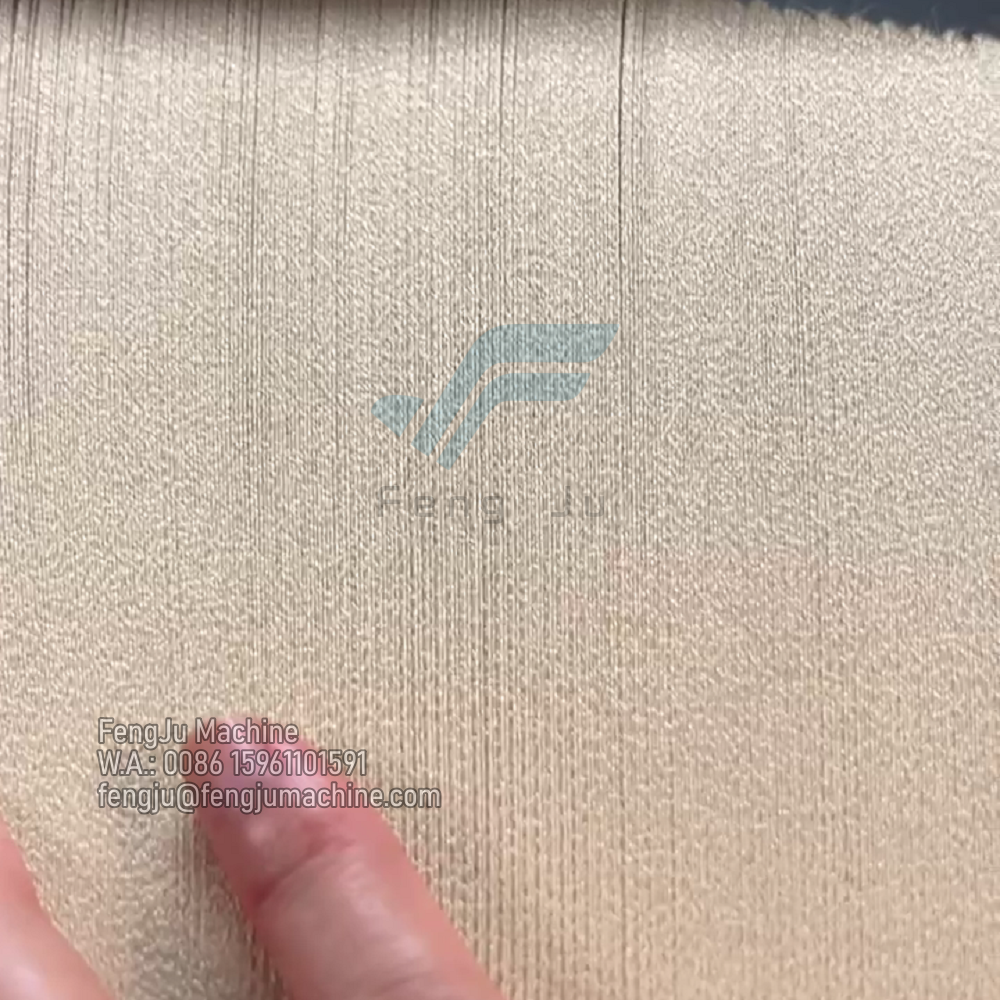
Different air filter applications require specific media materials, and your filter pleating machine must accommodate these variations effectively. Synthetic media, fiberglass, polyester, and HEPA-grade materials each present unique handling challenges during the pleating process. The machine's feeding mechanism, tension control, and pleating pressure must align with the physical properties of your primary filter media.
Material thickness significantly influences machine selection, as thicker media requires more robust pleating mechanisms and higher compression forces. Evaluate whether your target media range falls within the machine's operational specifications, including minimum and maximum thickness tolerances. Some filter pleating machine models excel with lightweight synthetic materials but struggle with dense fiberglass media, while others handle heavy-duty applications but lack precision for delicate materials.
Surface treatments and coatings on filter media can affect machine performance, particularly in feeding and release mechanisms. Antimicrobial coatings, electrostatic treatments, or moisture-resistant finishes may require specialized handling features. Consider how these material characteristics impact the pleating process and ensure your selected equipment can maintain consistent results across all intended media types.
Dimensional Specifications and Tolerances
Pleat geometry directly affects filter performance, making dimensional accuracy a critical selection factor for any filter pleating machine. Standard pleat heights range from 12mm to 150mm depending on application requirements, and your chosen equipment must deliver consistent dimensions within specified tolerances. Variations in pleat height or spacing can compromise filtration efficiency and create assembly challenges in downstream processes.
Width capacity determines the range of filter sizes your operation can produce, affecting both current production needs and future expansion capabilities. Consider whether the machine can handle your complete product range or if multiple units will be required for different filter dimensions. Some applications demand custom pleat configurations that require specialized tooling or programmable parameters.
Edge finishing and cutting precision impact the final filter assembly quality and must align with your quality standards. Evaluate the machine's ability to create clean, consistent cuts without media fraying or distortion. Poor edge quality can lead to air bypass issues and reduced filter effectiveness in critical applications.
Production Volume and Speed Considerations
Throughput Requirements Analysis
Production volume targets directly influence the appropriate filter pleating machine specification and automation level. High-volume operations require equipment with faster cycle times, automated material handling, and minimal setup requirements between product changes. Calculate your daily, weekly, and peak production demands to establish minimum speed requirements for any potential equipment.
Continuous operation capabilities become essential for high-volume manufacturing, requiring machines with robust construction, reliable components, and minimal maintenance downtime. Evaluate the duty cycle ratings and recommended maintenance intervals to ensure the equipment can support your production schedule. Some filter pleating machine models offer modular designs that enable maintenance without complete production shutdown.
Batch size flexibility affects production efficiency, particularly when manufacturing multiple filter types or sizes. Consider whether your operation benefits from equipment that can handle both small custom orders and large standard production runs efficiently. Quick changeover capabilities reduce setup time and improve overall equipment effectiveness in mixed production environments.
Automation Integration Requirements
Automation levels range from manual operation to fully integrated production lines, and your choice depends on volume requirements, labor availability, and quality consistency needs. Semi-automatic filter pleating machine configurations offer good balance between investment cost and productivity improvement for medium-volume operations. Full automation provides maximum consistency and throughput but requires higher initial investment and technical support capabilities.
Integration with upstream and downstream processes affects overall production flow and efficiency. Consider how the pleating machine connects with media unwinding, cutting, frame assembly, and packaging equipment. Synchronized operation reduces material handling, minimizes quality variations, and improves overall production efficiency. Some manufacturers offer complete production line solutions with integrated controls and quality monitoring systems.
Quality monitoring and data collection capabilities enable process optimization and compliance documentation. Modern filter pleating machine systems can provide real-time feedback on pleat dimensions, cycle times, and material consumption. This data supports continuous improvement initiatives and helps maintain consistent quality standards across production runs.
Technical Specifications and Features
Control System Capabilities
Advanced control systems distinguish professional-grade filter pleating machine equipment from basic models, offering precise parameter adjustment and repeatability. Programmable logic controllers enable storage of multiple product recipes, reducing setup time and ensuring consistent results across production runs. Touch-screen interfaces provide intuitive operation while maintaining access to detailed parameter adjustment capabilities.
Servo-driven mechanisms deliver superior precision compared to pneumatic or mechanical systems, particularly for applications requiring tight dimensional tolerances. Variable speed control allows optimization for different media types and pleat configurations, while closed-loop feedback systems maintain consistent performance despite material variations or wear over time. These features justify higher initial investment through improved quality and reduced waste.
Diagnostic capabilities and remote monitoring support reduce downtime and enable proactive maintenance scheduling. Modern systems provide detailed error reporting, performance trending, and predictive maintenance alerts. These features become increasingly valuable as production volumes increase and downtime costs escalate.
Build Quality and Durability Factors
Mechanical construction quality determines long-term reliability and maintenance requirements for any filter pleating machine investment. Heavy-duty frames, precision-ground components, and quality bearings support consistent performance under demanding production conditions. Evaluate the manufacturer's reputation for build quality and available service support in your region.
Component accessibility affects maintenance efficiency and total ownership costs over the equipment lifecycle. Well-designed machines provide easy access to wear items, lubrication points, and adjustment mechanisms without requiring extensive disassembly. Consider the availability and cost of replacement parts, particularly for specialized components or custom tooling elements.
Environmental resistance features become important in manufacturing environments with temperature variations, humidity, or airborne contaminants. Sealed electrical enclosures, corrosion-resistant materials, and appropriate ventilation systems protect critical components and extend equipment life. These considerations are particularly relevant for facilities producing filters for harsh environments or specialized applications.
Economic Evaluation and Return on Investment
Initial Investment and Financing Considerations
Equipment cost varies significantly based on automation level, production capacity, and feature sophistication of different filter pleating machine models. Entry-level manual or semi-automatic units start at lower price points but may require additional labor and produce lower throughput rates. Fully automated systems command premium pricing but deliver higher productivity and consistency that can justify the investment in appropriate applications.
Total cost of ownership includes installation, training, maintenance, and operating expenses beyond the initial purchase price. Factor in electrical requirements, compressed air consumption, and space preparation costs when budgeting for new equipment. Some suppliers offer comprehensive packages including installation, training, and startup support that simplify budgeting and project management.
Financing options and lease arrangements can improve cash flow management for equipment investments. Consider whether purchasing, leasing, or rent-to-own arrangements best fit your financial situation and business growth plans. Equipment manufacturers and financing partners often provide competitive terms that enable acquisition of more capable filter pleating machine systems than outright purchase budgets might allow.
Operational Cost Analysis
Labor requirements vary dramatically between manual, semi-automatic, and fully automated filter pleating machine configurations. Calculate the fully-loaded labor cost including wages, benefits, and productivity factors to compare different automation levels accurately. Higher automation typically reduces direct labor needs while requiring more skilled technical support for maintenance and troubleshooting activities.
Energy consumption and compressed air requirements represent ongoing operational costs that accumulate over equipment lifetime. More efficient machines may justify higher initial investment through reduced utility costs, particularly in high-volume operations. Variable frequency drives, energy-efficient motors, and optimized pneumatic systems contribute to lower operating costs while supporting environmental sustainability initiatives.
Maintenance costs depend on equipment complexity, build quality, and operational intensity. Preventive maintenance programs help minimize unexpected downtime but require investment in spare parts inventory and technical training. Consider the manufacturer's recommended maintenance schedules and parts availability when evaluating long-term operational costs for different equipment options.
FAQ
What production volume justifies investing in an automated filter pleating machine?
Automated filter pleating machine systems typically become cost-effective when production volumes exceed 1,000 units per day, though the exact breakpoint depends on filter complexity, labor costs, and quality requirements. The automation investment pays returns through reduced labor costs, improved consistency, and higher throughput rates. Consider your projected volume growth over 3-5 years when making this decision, as expanding production with manual equipment becomes increasingly challenging.
How important is material compatibility when selecting a filter pleating machine?
Material compatibility is absolutely critical for successful filter production, as different media types require specific handling characteristics, tension control, and pleating pressures. A machine optimized for synthetic materials may damage fiberglass media, while equipment designed for heavy materials might lack precision for delicate substrates. Always verify that your target media falls within the manufacturer's tested and approved material range before making a purchase decision.
What maintenance requirements should I expect with a filter pleating machine?
Typical maintenance requirements include daily lubrication checks, weekly cleaning of cutting mechanisms, monthly calibration verification, and quarterly replacement of wear items such as blades and seals. More complex automated systems require additional attention to sensors, actuators, and control system components. Budget approximately 5-8% of equipment value annually for maintenance costs, including parts, labor, and planned downtime for preventive service activities.
Can a single filter pleating machine handle multiple filter types and sizes?
Most modern filter pleating machine systems offer flexibility for multiple product types through adjustable parameters, changeable tooling, and programmable control systems. However, significant dimensional differences may require separate equipment or extensive changeover procedures that impact production efficiency. Evaluate your product mix to determine whether a versatile single machine or multiple specialized units better serve your manufacturing requirements and changeover frequency needs.
Table of Contents
- Understanding Filter Media Requirements
- Production Volume and Speed Considerations
- Technical Specifications and Features
- Economic Evaluation and Return on Investment
-
FAQ
- What production volume justifies investing in an automated filter pleating machine?
- How important is material compatibility when selecting a filter pleating machine?
- What maintenance requirements should I expect with a filter pleating machine?
- Can a single filter pleating machine handle multiple filter types and sizes?