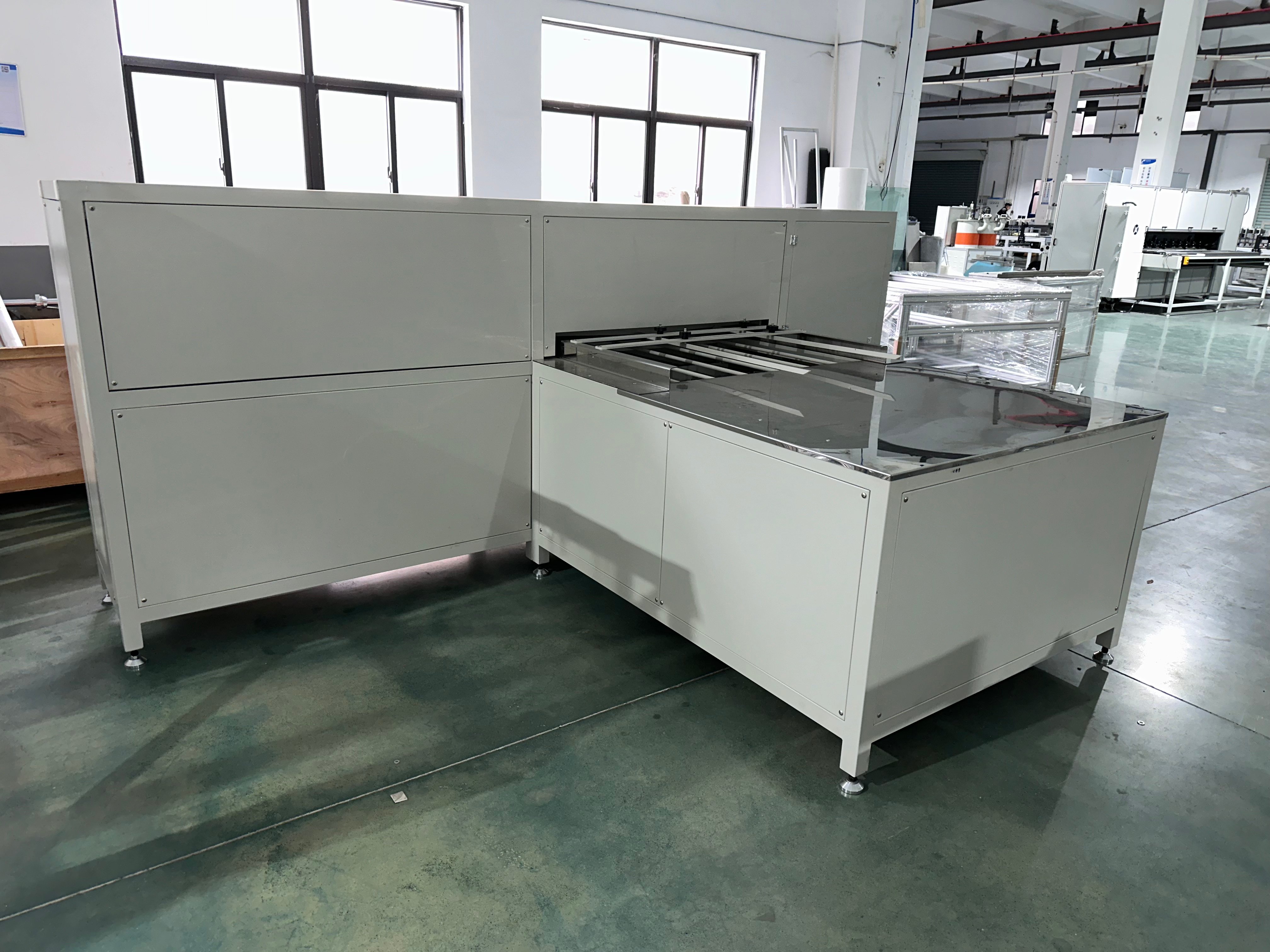
Selecting the right manufacturer for an oil filter production line is one of the most consequential procurement decisions a filtration business can make. Whether you are launching a new facility or upgrading existing equipment, the manufacturer you choose will directly shape your output quality, production efficiency, long-term maintenance costs, and overall competitive position. With so many suppliers operating in the global market, distinguishing a truly reliable partner from a mediocre vendor requires a structured evaluation process grounded in technical and commercial criteria.
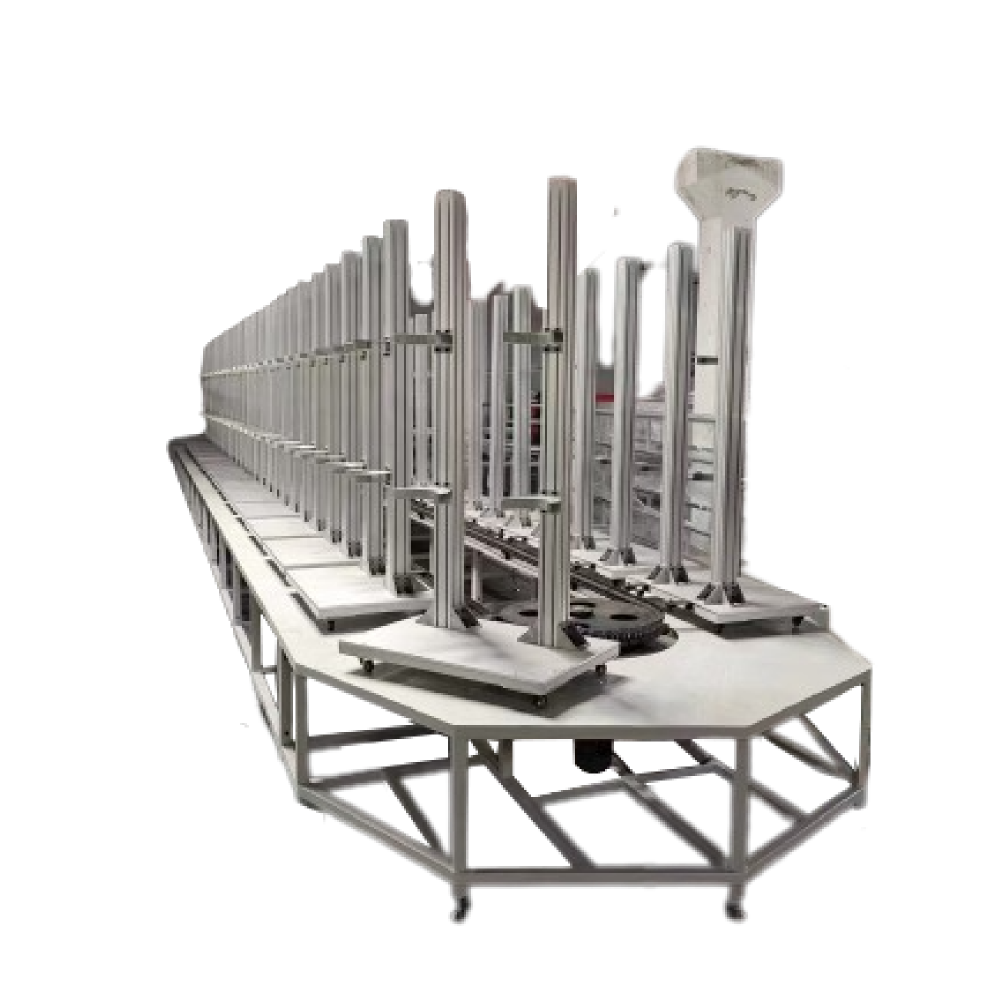
This guide breaks down the critical factors you need to assess when evaluating manufacturers of an oil filter production line. From technical capabilities and automation levels to after-sales support and quality certifications, every dimension covered here is designed to help procurement managers, plant engineers, and business owners make well-informed, risk-reduced decisions. Understanding what separates a dependable manufacturer from an unreliable one will save you from costly equipment failures, production downtime, and missed delivery commitments.
Understanding What a Full Oil Filter Production Line Involves
Core Components and Process Stages
A complete oil filter production line encompasses multiple integrated stages, each requiring precision engineering and tight process control. The typical line includes end cap forming, filter media cutting and pleating, element assembly, gluing or welding, leak testing, and final packaging. Each stage must be designed to work seamlessly with the others to ensure continuous, high-speed output without bottlenecks or quality deviations.
A capable manufacturer should be able to supply the full spectrum of these stages as an integrated system rather than a collection of loosely connected machines. When evaluating a potential supplier, ask whether the oil filter production line they offer is designed as a cohesive, engineered solution or simply a combination of off-the-shelf machines from different sources. An integrated design minimizes interface failures and reduces tuning time during commissioning.
The complexity of a modern oil filter production line also means that the manufacturer needs deep expertise not just in mechanical engineering, but also in automation systems, materials compatibility, and filtration science. A vendor who understands the functional requirements of the finished oil filter product will always produce better-designed equipment than one who only understands the mechanical assembly process in isolation.
Automation Levels and Production Output
One of the first technical questions to ask any manufacturer is about the degree of automation available in their oil filter production line. Semi-automatic lines may be suitable for smaller production volumes or for facilities where labor costs are low, while fully automated configurations are better suited for high-volume operations where consistency and throughput are critical priorities.
A reliable manufacturer will offer clear, verifiable specifications for output capacity per hour, cycle times, and changeover durations for different filter sizes. They should also be transparent about which parts of the line require manual intervention and what level of operator skill is needed. Vague answers to these questions are a warning sign that the manufacturer may not have sufficient real-world deployment experience with their own oil filter production line systems.
Automation also has direct implications for quality consistency. In an oil filter production line, automated pressure testing, vision inspection systems, and servo-controlled media pleating dramatically reduce human error and ensure that every unit leaving the line meets specification. Ask specifically whether quality control steps are embedded into the line itself or handled as a separate offline process.
Evaluating Manufacturer Technical Credentials
Engineering Experience and Industry Track Record
A manufacturer's engineering experience is one of the strongest predictors of how well an oil filter production line will perform in your specific operating environment. Look for manufacturers who have been actively designing and deploying filtration equipment for a significant number of years and who can demonstrate a portfolio of successful installations across varied production scenarios. Years in business alone are not sufficient — the relevant measure is demonstrated, application-specific experience.
Request case studies or reference projects that are genuinely comparable to your production requirements. A manufacturer who has successfully delivered an oil filter production line for cartridge-style filters, for example, may or may not have the same depth of expertise when it comes to spin-on or panel filter configurations. Always verify that their track record matches the specific type of filter product you intend to manufacture.
Engaging with the manufacturer's engineering team directly during the evaluation process is also highly informative. Their ability to discuss process optimization, material selection, and equipment layout in technical depth signals whether you are dealing with a genuine engineering-led organization or a trading company that simply resells equipment manufactured elsewhere.
Certifications, Compliance, and Quality Management Systems
Certifications such as ISO 9001 provide a baseline indication that a manufacturer operates under a structured quality management system for their oil filter production line products. While certifications alone do not guarantee equipment quality, their absence is a significant red flag in a market where regulatory compliance and product traceability are increasingly important for downstream customers.
Beyond general quality certifications, ask whether the manufacturer's oil filter production line equipment is designed to help you meet relevant industry standards applicable in your target market. For instance, if you are producing filters for automotive aftermarket applications, your production process may need to align with OEM-level quality requirements. A knowledgeable manufacturer should be able to advise on how their line supports your compliance objectives.
Equipment safety certifications are equally important. Electrical components, control panels, and pneumatic systems in an oil filter production line should comply with applicable electrical safety and machinery directive standards for your region of operation. Confirm that the manufacturer can provide proper documentation and that their machines have been independently tested where required.
Assessing After-Sales Support and Service Capability
Spare Parts Availability and Lead Times
Even the best-designed oil filter production line will require spare parts over its operational lifetime. The speed at which critical components can be sourced will directly affect how quickly your production can recover from unexpected downtime. A reliable manufacturer should maintain a comprehensive inventory of wear parts and critical components, and should be able to communicate realistic lead times with transparency before the sale is finalized.
Ask the manufacturer whether they stock parts domestically or rely entirely on overseas production and shipping for replenishment. For operations where production continuity is critical, the ability to receive urgent spare parts within days rather than weeks can be the difference between a minor interruption and a commercially damaging halt. Evaluate whether the manufacturer offers recommended spare parts kits as part of their oil filter production line package.
It is also worth asking about component standardization. Manufacturers who design their oil filter production line around widely available industrial-grade components — servo drives, PLCs, pneumatic valves — give you the flexibility to source replacement parts from multiple channels, reducing dependency on a single vendor for ongoing maintenance.
Technical Support, Training, and Remote Assistance
Commissioning and operator training are critical phases in deploying any new oil filter production line. A dependable manufacturer should provide comprehensive on-site commissioning support, thorough operator and maintenance training, and detailed documentation including electrical schematics, mechanical drawings, and troubleshooting guides. Never assume these are included — confirm them explicitly in the commercial agreement.
Remote technical support capability has become increasingly important, particularly for international buyers who cannot easily arrange on-site engineer visits. The best manufacturers of oil filter production line systems now offer remote diagnostics through connected control systems, allowing their engineers to identify faults and guide local technicians through resolution procedures without physical travel. Ask how this capability works in practice and what communication infrastructure is required on your end.
Evaluate the manufacturer's responsiveness during the pre-sale phase as a reliable indicator of how they will behave after you have committed to a purchase. A team that responds promptly, provides detailed technical answers, and proactively shares relevant information during the inquiry process is much more likely to deliver strong support once the oil filter production line is in operation.
Commercial and Contractual Due Diligence
Pricing Transparency and Total Cost of Ownership
The purchase price of an oil filter production line is only one component of its true total cost of ownership. Responsible procurement requires factoring in installation costs, operator training time, expected maintenance expenditure, energy consumption, and the projected cost of spare parts over the equipment's working life. A manufacturer who quotes a low upfront price but provides inadequate documentation, poor spare parts support, or energy-inefficient equipment may represent a significantly higher total cost over a five- to ten-year operating horizon.
Request an itemized quotation that clearly separates the cost of the core oil filter production line equipment from ancillary items such as tooling, installation supervision, training, and spare parts packages. This transparency allows you to compare offers on a like-for-like basis and ensures there are no hidden charges that only emerge after the contract is signed.
Be cautious of manufacturers who refuse to provide detailed pricing breakdowns or who bundle together items in ways that make comparison difficult. Pricing opacity in the sales process often reflects a lack of confidence in the competitiveness of individual components or an intention to recover margin through inflated post-sale charges on consumables and spare parts for the oil filter production line.
Contract Terms, Warranty, and Acceptance Testing
A solid commercial contract is essential when procuring an oil filter production line. Key contract elements to scrutinize include the warranty period and scope, the conditions under which warranty claims are accepted or rejected, the process for handling defects discovered after installation, and the defined acceptance criteria that must be met before final payment is released.
Acceptance testing — ideally conducted at the manufacturer's facility before shipment — is one of the most effective risk mitigation tools available to buyers of capital equipment. A Factory Acceptance Test allows you to verify that the oil filter production line meets its specified output rate, quality parameters, and operational characteristics before it leaves the manufacturer's premises. Any manufacturer unwilling to conduct a witnessed Factory Acceptance Test should be treated with significant caution.
Intellectual property provisions are also relevant if you are commissioning a customized oil filter production line with proprietary process know-how embedded in the control software or mechanical design. Ensure that ownership of any custom engineering work is clearly defined in the contract and that your right to make modifications or engage third-party maintenance providers is not unreasonably restricted.
FAQ
What is the typical lead time for a custom oil filter production line?
Lead times for a custom oil filter production line typically range from three to six months depending on the complexity of the configuration, the degree of customization required, and the manufacturer's current production schedule. Standard or semi-standard configurations may be available faster. Always confirm the lead time in writing and include milestone payment terms tied to verifiable production progress checkpoints.
How do I verify that a manufacturer's oil filter production line will meet my output requirements?
The most reliable verification method is a Factory Acceptance Test conducted at the manufacturer's premises before shipment. During this test, the oil filter production line should be run at its specified throughput rate while producing conforming products. You should define the acceptance criteria in the contract in advance, including output speed, defect rate, and dimensional tolerances for the finished filters.
What level of maintenance does an oil filter production line typically require?
Routine maintenance for an oil filter production line generally includes lubrication of mechanical components, inspection and replacement of wear parts such as blades, glue application nozzles, and conveyor belts, calibration of measurement and inspection systems, and periodic software updates for the control system. A reliable manufacturer will provide a detailed preventive maintenance schedule as part of the equipment documentation package.
Can an oil filter production line be reconfigured to produce different filter sizes?
Many modern oil filter production line systems are designed with changeover flexibility in mind, allowing the line to be reconfigured for different filter diameters, lengths, or media types through tooling changes or parameter adjustments in the control system. The time and complexity required for changeover vary significantly between manufacturers and machine designs, so this should be evaluated and tested during the Factory Acceptance Test if product variety is an important operational requirement for your facility.
Table of Contents
- Understanding What a Full Oil Filter Production Line Involves
- Evaluating Manufacturer Technical Credentials
- Assessing After-Sales Support and Service Capability
- Commercial and Contractual Due Diligence
-
FAQ
- What is the typical lead time for a custom oil filter production line?
- How do I verify that a manufacturer's oil filter production line will meet my output requirements?
- What level of maintenance does an oil filter production line typically require?
- Can an oil filter production line be reconfigured to produce different filter sizes?