
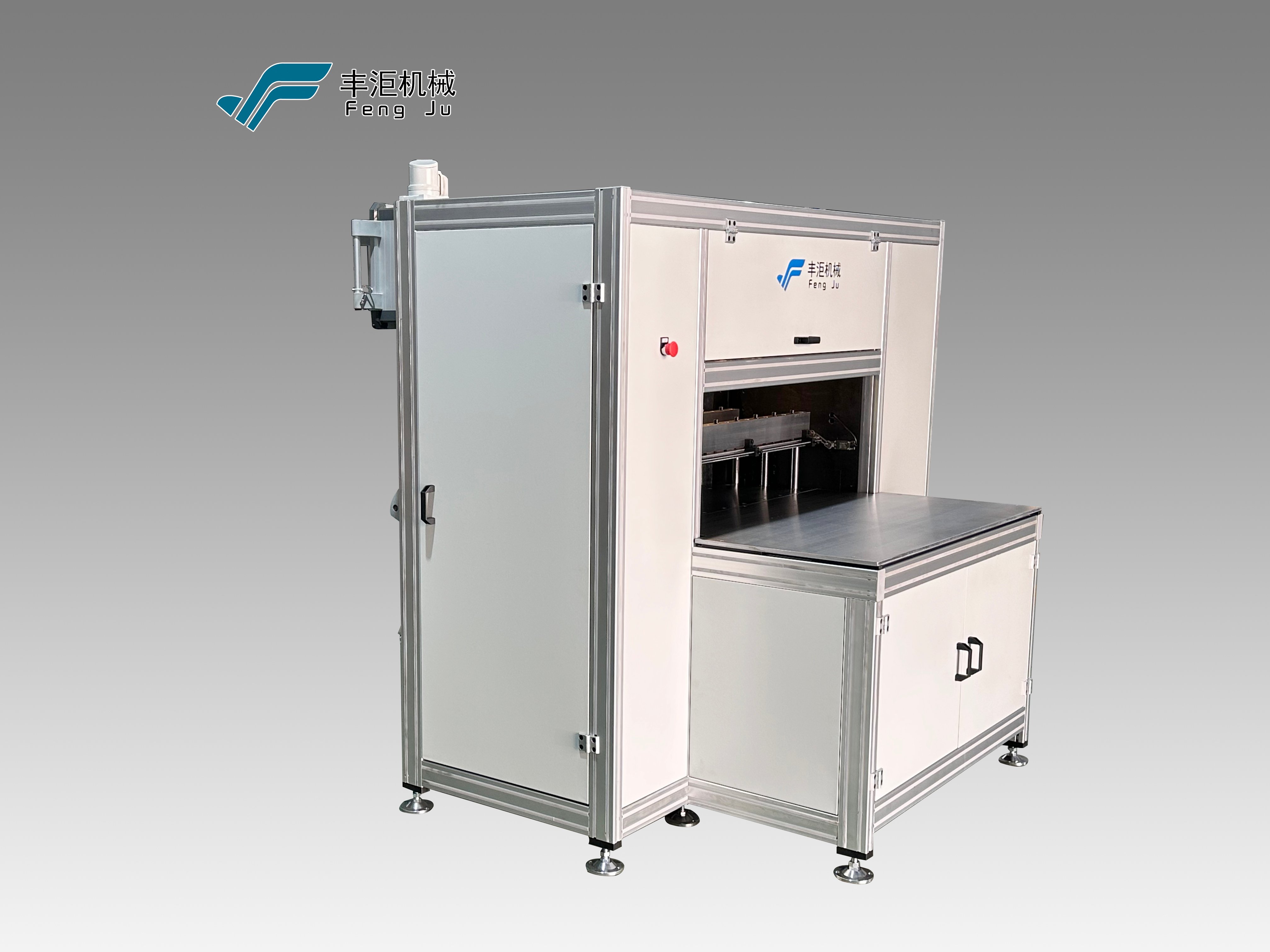
An automatic pleating machine represents a significant investment in textile production operations, and protecting that investment through proper maintenance is essential for consistent output quality and long equipment lifespan. The automatic pleating machine requires systematic care routines that prevent costly breakdowns and maintain the precision required for professional fabric pleating. Understanding maintenance fundamentals ensures your automatic pleating machine delivers reliable performance across thousands of production cycles.
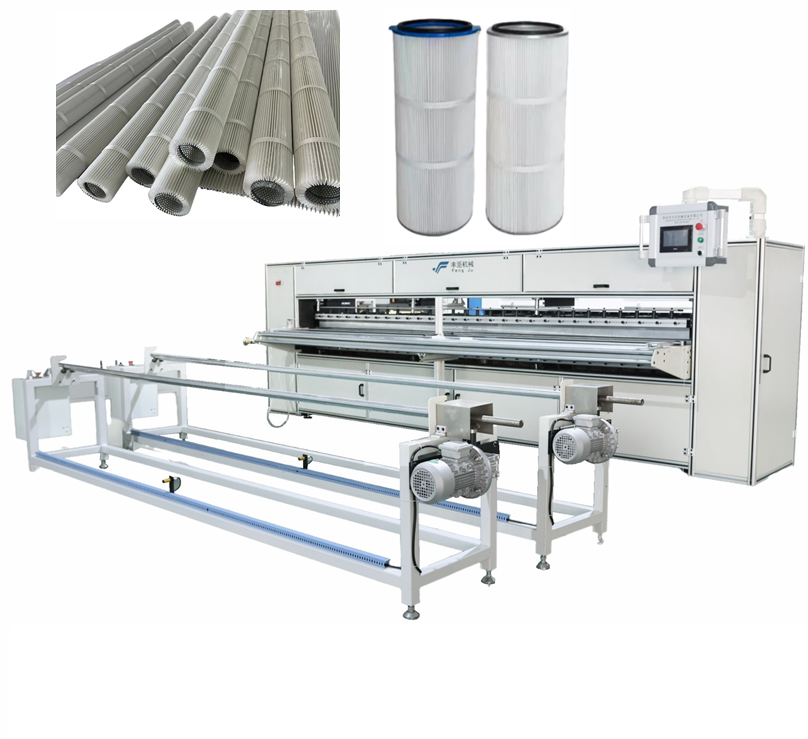
Regular maintenance protocols transform your automatic pleating machine from a potential liability into a dependable production asset. When operators understand how each component functions and what signs indicate wear, they can address issues before they escalate into major problems that halt production. This proactive approach keeps your automatic pleating machine running smoothly while reducing unplanned maintenance expenses.
Daily and Weekly Inspection Routines for Your Automatic Pleating Machine
Pre-Shift Checks Before Operating Your Automatic Pleating Machine
Starting each shift with a comprehensive inspection of your automatic pleating machine sets the foundation for safe and reliable operation. Check all visible belts, chains, and drive components for signs of damage, fraying, or misalignment that could compromise performance. Verify that the fabric feeding mechanism moves smoothly and that all guards and safety devices are properly positioned. These preliminary checks catch emerging issues while your automatic pleating machine is offline, preventing disruptions to production schedules.
Inspect the heating elements on your automatic pleating machine to confirm they maintain consistent temperature distribution across the pleating surface. Uneven heating compromises pleat definition and fabric quality, signaling the need for element replacement or thermostat calibration. Listen for unusual grinding, squealing, or rattling sounds during a test run of your automatic pleating machine, as these acoustic indicators often reveal bearing wear or belt tension problems before they cause visible damage.
Weekly Lubrication and Fluid Management for Your Automatic Pleating Machine
Weekly lubrication keeps moving components on your automatic pleating machine functioning smoothly and reduces friction-induced wear. Consult your equipment manual to identify all lubrication points, applying manufacturer-recommended oils or greases at specified intervals. An automatic pleating machine with properly lubricated joints experiences less mechanical stress, translates to smoother fabric processing, and extends the operational life of critical components like motor bearings and drive shafts.
Check hydraulic and coolant fluid levels in your automatic pleating machine weekly, topping off as needed with the exact fluid specifications recommended by the manufacturer. Contaminated or depleted hydraulic fluid compromises pressure consistency in your automatic pleating machine, affecting pleat uniformity and increasing component wear. Dispose of used fluids responsibly and maintain detailed records of fluid changes to track maintenance history on your automatic pleating machine.
Monthly Deep Cleaning and Component Assessment
Removing Buildup and Preventing Contamination on Your Automatic Pleating Machine
Monthly deep cleaning removes fabric lint, dust, and chemical residue that accumulate inside your automatic pleating machine during production. This buildup restricts airflow around heating elements, reduces cooling efficiency, and can interfere with moving parts. A clean automatic pleating machine operates at optimal temperature and reduces the risk of component corrosion or jamming caused by embedded particles.
Use compressed air to clear dust from motor vents, cooling fans, and enclosed components of your automatic pleating machine, directing debris away from the equipment. Pay particular attention to areas where fabric fibers tend to collect around rollers and drive mechanisms. For your automatic pleating machine to maintain thermal regulation and mechanical precision, these passages must remain clear of obstructions that would force the equipment to work harder and wear faster.
Belt Tension and Alignment Verification on Your Automatic Pleating Machine
Examine belt tension on your automatic pleating machine monthly using the deflection method recommended in your operator manual. A properly tensioned belt on your automatic pleating machine transfers power efficiently without slipping, while an overly tight belt accelerates bearing wear and increases energy consumption. Improper tension on an automatic pleating machine also causes uneven pleat formation, as fabric moves inconsistently through the processing chamber.
Check pulley and belt alignment on your automatic pleating machine by rotating the pulleys by hand and visually confirming that the belt tracks straight without drifting to one side. Misalignment forces your automatic pleating machine to work against mechanical resistance, generating heat and accelerating component failure. Correcting alignment issues early prevents catastrophic belt failure that would halt production and potentially damage the automatic pleating machine frame.
Seasonal Maintenance and Professional Servicing of Your Automatic Pleating Machine
Quarterly Calibration and Precision Adjustments for Your Automatic Pleating Machine
Every three months, your automatic pleating machine should undergo temperature calibration and pressure setting verification to maintain product quality standards. Heating elements gradually lose efficiency, and thermostats drift over time, so recalibrating your automatic pleating machine quarterly ensures consistent fabric processing. This calibration work on your automatic pleating machine prevents quality variability that might otherwise escape notice until customer complaints surface.
Adjust pressure settings and guide rail positions on your automatic pleating machine quarterly to maintain precise fabric tracking and uniform pleat depth. Gradual mechanical settling during normal operation causes slight shifts in component positioning that compound over months of production. Proactive quarterly adjustments to your automatic pleating machine prevent the accumulated drift that eventually produces visibly defective output.
Annual Professional Inspection and Component Replacement for Your Automatic Pleating Machine
Contract an authorized service technician annually to perform comprehensive inspection and preventive replacement on your automatic pleating machine. This professional evaluation identifies internal wear patterns, electrical system condition, and mechanical wear that operators cannot assess without specialized equipment. Annual servicing of your automatic pleating machine catches developing problems early, preventing emergency repairs that cost far more than planned maintenance.
During annual service, technicians typically replace wear items on your automatic pleating machine including gaskets, seals, and brushes that degrade predictably. Replacing these components before they fail prevents damage to expensive parts like motors and hydraulic pumps. A well-maintained automatic pleating machine with proactive component replacement experiences fewer sudden failures and delivers superior production consistency year after year.
FAQ
How often should I service my automatic pleating machine?
Daily visual inspections, weekly lubrication, monthly deep cleaning, quarterly calibration, and annual professional servicing represent the standard maintenance cycle for an automatic pleating machine. Following this schedule prevents unexpected breakdowns and maintains the processing precision your automatic pleating machine requires for quality output.
What causes an automatic pleating machine to produce uneven pleats?
Uneven pleats typically result from temperature inconsistency across the heating element, misaligned fabric guides, improper belt tension, or worn bearing surfaces on an automatic pleating machine. Systematic inspection of these components on your automatic pleating machine during routine maintenance identifies which factor is causing the quality issue.
Can I perform all maintenance on my automatic pleating machine myself?
Operators can handle daily inspections, basic lubrication, and cleaning tasks on an automatic pleating machine, but electrical system work and component replacement should be performed by qualified technicians. Attempting complex repairs without proper training on your automatic pleating machine risks equipment damage and operator safety.