
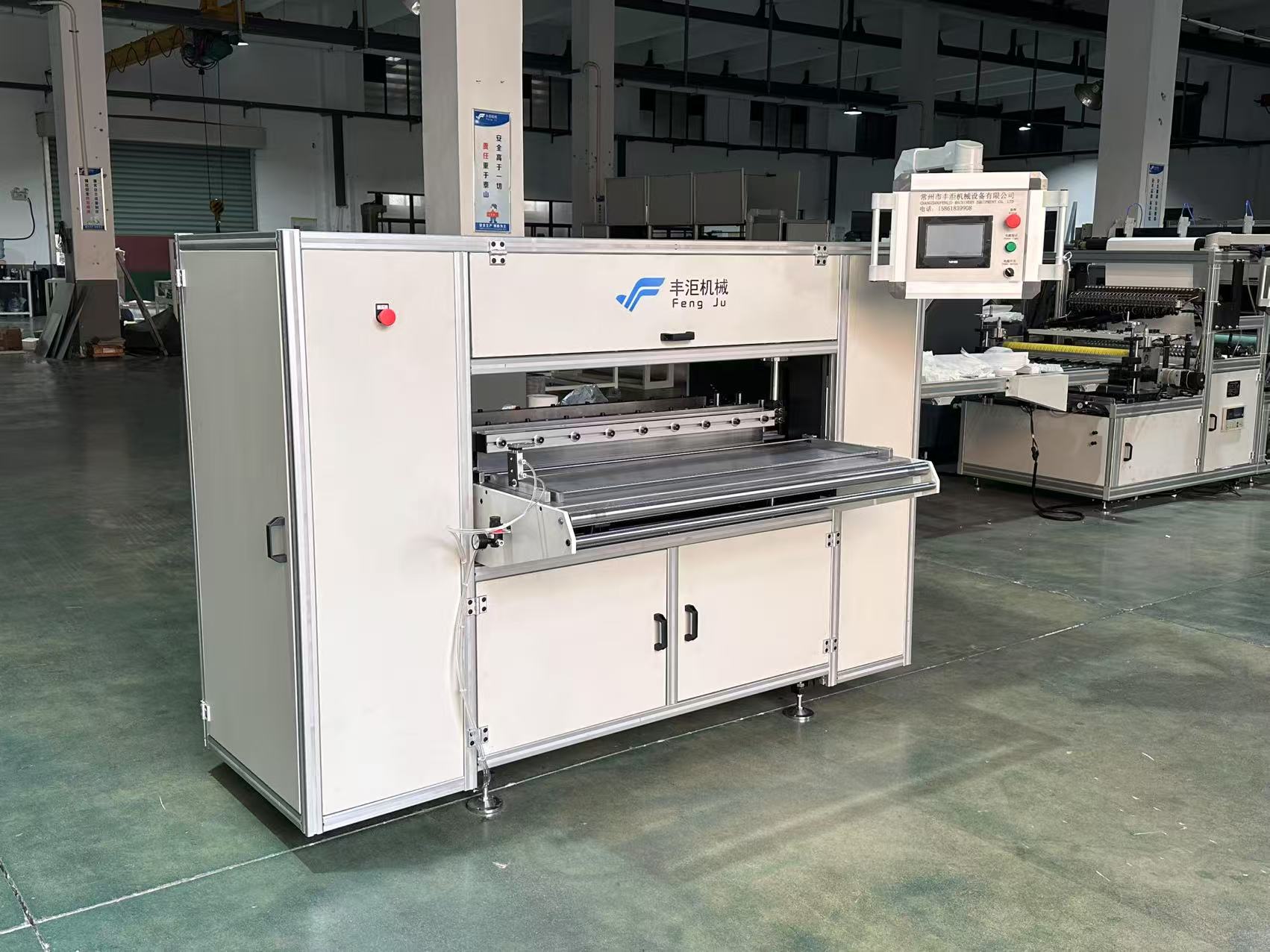
In modern industrial manufacturing, operational efficiency is rarely determined by a single factor. It is the cumulative result of precise processes, reliable equipment, consistent output quality, and minimal downtime. Among the many production assets that contribute to these outcomes, the hepa air filter machine has emerged as a critical piece of infrastructure—particularly in facilities that manufacture filtration products, cleanroom components, or air purification systems. Understanding how this specialized equipment functions, and why it directly impacts efficiency, is essential for production managers, procurement engineers, and operations directors who are responsible for output targets and cost performance.
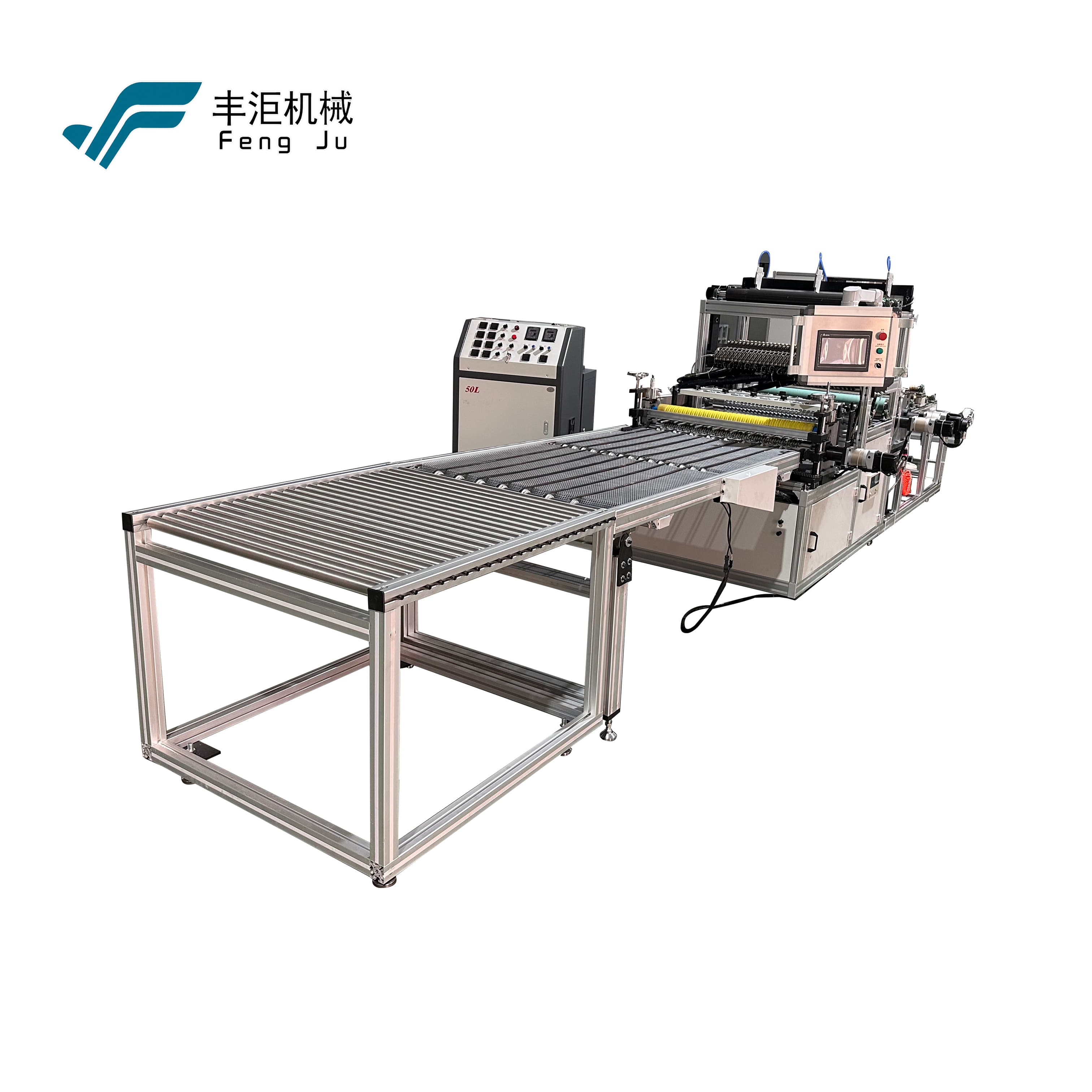
A hepa air filter machine is specifically engineered to automate the production of high-efficiency particulate air filters—components that are in steadily growing demand across sectors ranging from pharmaceuticals and semiconductors to commercial HVAC and automotive manufacturing. Rather than relying on slow, labor-intensive manual assembly, industrial producers use a dedicated hepa air filter machine to pleat, glue, cut, and form filter media at speeds and precision levels that manual methods simply cannot match. This article examines the specific mechanisms through which such a machine drives industrial efficiency gains, covering production throughput, quality consistency, labor optimization, material utilization, and long-term return on investment.
The Core Mechanism Behind Production Speed Gains
Automated Pleating and Gluing Sequences
The primary efficiency advantage of a hepa air filter machine lies in its ability to execute multiple production steps within a single, continuous automated workflow. In traditional setups, pleating fiberglass media, applying hot-melt adhesive, and forming the filter pack were handled as separate, sequential manual operations. Each step introduced waiting time, alignment errors, and operator fatigue. A modern hepa air filter machine integrates pleating and gluing into one synchronized mechanical sequence, dramatically reducing cycle time per unit.
When the machine controls the pleating pitch, adhesive application speed, and fold geometry simultaneously, each filter pack exits the production line at a consistent interval—measured in seconds rather than minutes. For a facility producing thousands of HEPA filter units per shift, this speed multiplication translates directly into higher daily output without proportionally increasing labor or floor space. The automated sequence also eliminates the idle time that naturally occurs when operators move materials between workstations in a manual line.
Manufacturers operating high-volume production lines benefit from the ability to set specific pleating parameters and allow the hepa air filter machine to execute those parameters continuously without deviation. This consistency at high speed is something no manual operation can sustain across an eight or twelve-hour shift. The result is a production rate that remains stable from the first hour to the last, giving plant managers reliable throughput data for scheduling and delivery commitments.
Continuous Feed and Minimal Interruption Design
Another contributor to throughput efficiency is how a well-designed hepa air filter machine handles material feeding. Fiberglass filter media is fed from a roll, and advanced machines are equipped with automatic tension control and splice detection systems that allow roll changes without stopping the entire line. This continuous-feed approach ensures that the machine operates at capacity for the maximum portion of each shift.
Downtime caused by material changeovers, adhesive replenishment, or pleat adjustment is a significant source of lost production in facilities that lack purpose-built equipment. A properly configured hepa air filter machine minimizes these interruptions through quick-change tooling, centralized adhesive delivery systems, and programmable parameter recall. Operators can switch between filter specifications with minimal adjustment time, which is especially valuable in facilities that produce multiple HEPA filter sizes or configurations for different end markets.
Quality Consistency and Its Effect on Downstream Efficiency
Dimensional Accuracy Across Every Unit
Industrial efficiency is not measured solely by how fast products are made—it is equally determined by how many of those products pass quality inspection on the first attempt. A hepa air filter machine maintains tight dimensional tolerances across every filter pack it produces. Pleat height, pleat pitch, adhesive bead placement, and pack length are all controlled by mechanical and electronic systems that do not drift with operator fatigue or vary between shifts.
When dimensional accuracy is high, downstream assembly steps—such as fitting the filter pack into a frame, applying sealants, or attaching end caps—proceed without rework or adjustment. Every unit that arrives at the next stage of production is interchangeable with every other unit. This interchangeability is a foundational principle of efficient manufacturing, and the hepa air filter machine is the tool that makes it achievable at scale for filter producers.
Dimensional variation in filter packs, by contrast, forces downstream operators to make individual accommodations for each unit. Some packs may be too wide for the frame, others too narrow, and some may have inconsistent pleat counts that affect performance testing results. Each of these variations consumes time, generates scrap, and increases the probability of a non-conforming product reaching the customer. Eliminating variation at the source—during the pleating and gluing stage—protects the entire downstream process.
Adhesive Control and Filter Integrity
The adhesive application stage in HEPA filter production is one where manual processes are especially vulnerable to inconsistency. Too little adhesive and the pleat separators fail to hold under airflow pressure, compromising filter integrity. Too much adhesive and the filter media becomes loaded with unnecessary weight, which can affect both performance and material cost. A hepa air filter machine with a precision hot-melt adhesive system applies a controlled, repeatable bead at exactly the position and volume specified by the production recipe.
Reliable adhesive control directly affects the filtration efficiency of the finished product. HEPA filters are subject to strict certification standards, and any structural failure caused by inadequate bonding can result in a product that fails particle penetration testing. By standardizing the adhesive process through automated equipment, manufacturers protect their certification compliance and reduce the rate of test failures—which would otherwise require costly retesting, rework, or product disposal.
From an efficiency standpoint, consistent adhesive application also reduces material waste. Facilities that previously over-applied adhesive to compensate for operator inconsistency can dial back usage to the precise required level once they implement a hepa air filter machine with controlled dispensing. Over thousands of production cycles, this reduction in adhesive consumption represents meaningful cost savings that contribute directly to the unit economics of the operation.
Labor Optimization and Workforce Redeployment
Reducing Manual Dependency in Core Production Steps
One of the most tangible efficiency gains from implementing a hepa air filter machine is the reduction in manual labor required for the core pleating and gluing steps. Before automation, these tasks required skilled operators who needed extensive training, had to be replaced when absent, and whose performance varied based on experience level and physical condition. Automating these steps does not eliminate the need for human involvement, but it fundamentally changes the nature and volume of labor required.
Rather than stationing multiple operators along a manual assembly line, a facility running a hepa air filter machine typically requires one or two technicians to oversee the machine, manage material supply, and perform quality checks. The remaining workforce can be redeployed to value-added activities such as final assembly, packaging, quality inspection, or logistics. This workforce rebalancing improves the overall productivity of the labor pool without necessarily reducing headcount.
In markets where skilled labor is scarce or expensive, the ability to produce HEPA filters with fewer specialized operators is a significant competitive advantage. A hepa air filter machine encodes the production knowledge into the machine parameters rather than relying on individual operator expertise. This knowledge transfer protects the production line from disruptions caused by staff turnover, skill gaps, or training delays—all of which are efficiency risks in labor-intensive manual environments.
Consistent Output Without Shift-Based Performance Variation
In any manually operated production environment, output tends to vary between morning and afternoon shifts, between experienced and new operators, and between high-energy and low-energy periods of a shift. These variations are a form of hidden inefficiency that makes production planning difficult and delivery commitments uncertain. A hepa air filter machine operates at a defined, programmable cycle rate that does not fluctuate with human factors.
This operational consistency makes capacity planning more reliable. Production managers can calculate daily output with confidence, set realistic delivery timelines, and identify true production bottlenecks rather than mistaking human performance variability for a structural constraint. The predictability provided by a hepa air filter machine is itself an efficiency multiplier, as it reduces the planning overhead and buffer inventory that facilities maintain to compensate for output uncertainty.
Material Utilization and Waste Reduction
Precision Cutting and Media Optimization
Filter media—particularly fiberglass—is a significant input cost in HEPA filter production. Every centimeter of media that is wasted due to miscuts, misaligned pleats, or rejected packs directly affects the cost per unit. A hepa air filter machine uses precision cutting mechanisms that minimize edge waste and ensure that the filter media roll is consumed efficiently. The machine's programmable cut length and pleat pitch settings allow operators to optimize the layout for each specific filter size, reducing trim losses.
Over a production run of several thousand units, even a small improvement in media utilization—say, reducing waste by two or three percent—can result in meaningful savings. When material costs represent a substantial portion of total production cost, as they do in high-efficiency filter manufacturing, material utilization is a direct lever on profitability. The hepa air filter machine provides the precision control needed to operate that lever effectively.
Reducing Scrap from Process Defects
Scrap generated by process defects is one of the most costly forms of waste in any manufacturing operation. In HEPA filter production, defects such as torn media, misaligned pleats, insufficient adhesive bonding, or incorrect pack dimensions result in units that must be reworked or discarded. Each scrapped unit represents wasted material, wasted machine time, and wasted labor. A hepa air filter machine that operates with tight process controls significantly reduces the occurrence of these defects.
When defect rates are low, the effective output rate of the production line increases—not because the machine runs faster, but because a higher proportion of the units produced are acceptable. This improvement in first-pass yield is a core driver of manufacturing efficiency. It means that the investment in the hepa air filter machine generates more saleable product per unit of input, improving both throughput and margin simultaneously.
Long-Term Return on Investment and Scalability
Payback Through Volume and Quality Premium
The industrial case for investing in a hepa air filter machine is built on both volume economics and quality positioning. As a facility increases its production volume, the per-unit cost of operating the machine decreases—fixed costs are spread across more units, and the labor savings per unit become more significant. At moderate to high production volumes, the payback period for the capital investment in a hepa air filter machine is typically favorable compared to the ongoing cost of manual labor, scrap, and quality failures.
Additionally, the consistent quality output of an automated hepa air filter machine enables manufacturers to pursue customers in demanding end markets—such as semiconductor fabrication, hospital HVAC, or pharmaceutical cleanrooms—where filter certification and dimensional consistency are non-negotiable requirements. These markets typically command higher prices per unit, which improves revenue per production hour and strengthens the return on investment case for the equipment.
Scalability Without Proportional Cost Increases
One of the strategic advantages of building production capacity around a hepa air filter machine is the ability to scale output without proportionally scaling costs. Adding a second shift to a machine-centered production line requires far fewer additional operators than adding a second shift to a manual line producing the same volume. The infrastructure—equipment, floor space, utilities—is already in place, and the incremental cost of additional output is primarily limited to materials and minimal labor.
This scalability is particularly important in markets where demand for HEPA filtration products is growing. Manufacturers who have invested in automated hepa air filter machine capacity can respond to demand increases quickly and cost-effectively, without the lead time and risk associated with hiring and training large numbers of skilled manual assembly workers. The machine becomes a platform for growth rather than just a tool for current production needs.
FAQ
What types of filter media can a hepa air filter machine process?
Most industrial hepa air filter machine models are designed to process fiberglass filter media, which is the standard material used in HEPA-rated filtration products. Some machines can also accommodate micro-glass fiber media and certain synthetic non-woven materials, depending on the machine's feed tension control and pleating mechanism specifications. Operators should verify the compatible media thickness range and tensile strength limits with the equipment specifications before running non-standard materials.
How does a hepa air filter machine handle different filter sizes?
Modern hepa air filter machine designs typically feature programmable parameter storage that allows operators to recall pre-set recipes for different filter dimensions. Changeover between sizes involves adjusting the cut length, pleat pitch, and adhesive bead position, which can be done through the machine's control interface. The time required for a size changeover varies by machine model, but well-engineered systems are designed to minimize this downtime to keep overall equipment efficiency high.
Is specialized training required to operate a hepa air filter machine?
Operating a hepa air filter machine requires familiarity with the control interface, an understanding of the pleating and adhesive parameters, and basic mechanical knowledge for routine maintenance tasks such as adhesive system cleaning and blade inspection. Most equipment suppliers provide initial operator training as part of the installation and commissioning process. The learning curve is generally shorter than training manual assembly operators to achieve equivalent output quality, which is one of the labor efficiency advantages of automated equipment.
What maintenance practices keep a hepa air filter machine running efficiently?
Key maintenance practices for a hepa air filter machine include regular cleaning of the hot-melt adhesive system to prevent blockages, periodic inspection and replacement of pleating blades or rollers, lubrication of mechanical drive components, and calibration checks on the adhesive dispensing system. Facilities that follow a preventive maintenance schedule based on production cycle counts or time intervals typically experience fewer unplanned stoppages, which directly protects the throughput efficiency that the machine is designed to deliver.