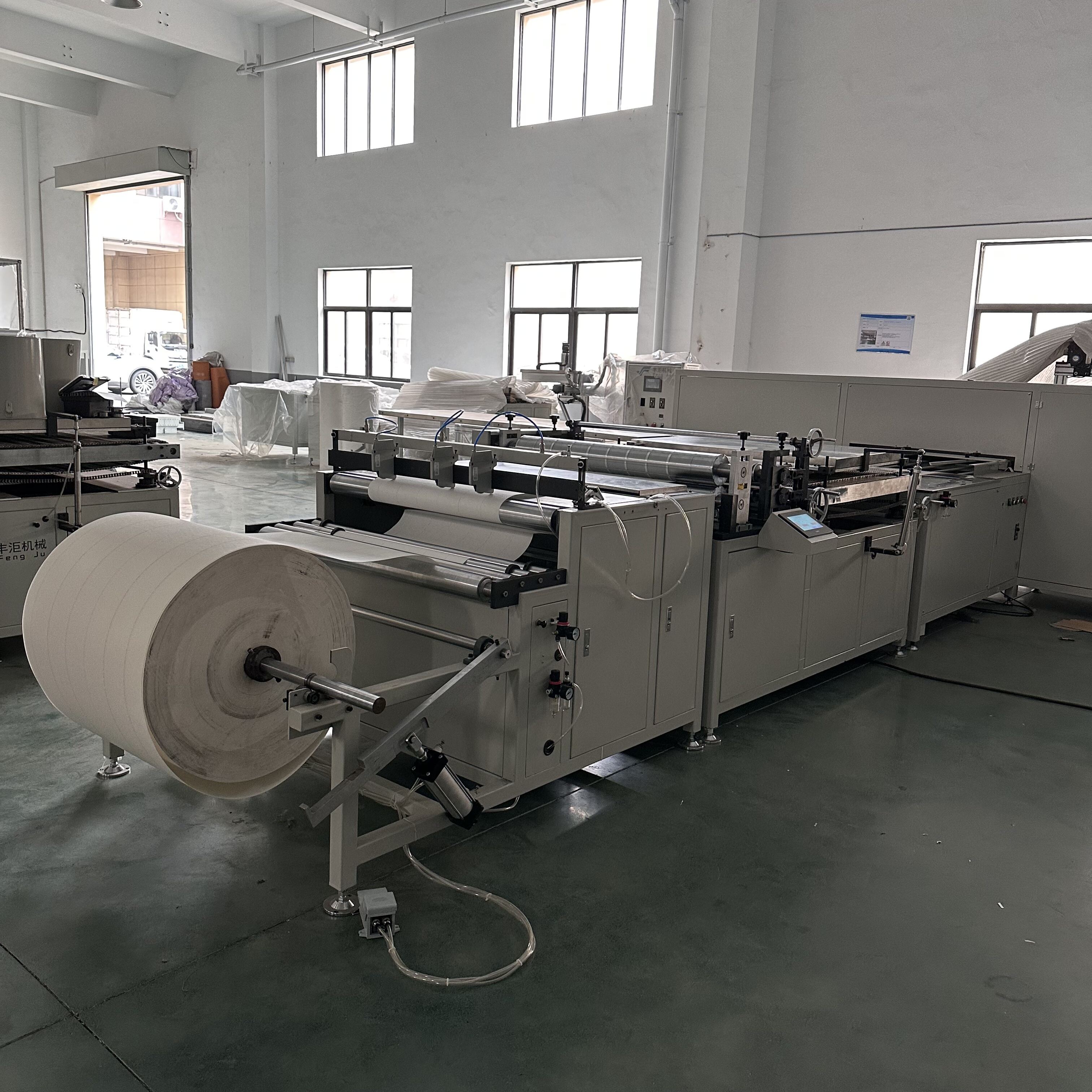
Investing in a rotary pleating machine is a significant capital decision for any factory involved in filter element manufacturing or pleated media production. Before placing an order or signing a procurement contract, factory managers and production engineers need to evaluate a wide range of technical, operational, and commercial factors. A poorly matched machine can lead to production bottlenecks, excessive downtime, material waste, and difficult-to-reverse infrastructure commitments. Understanding what truly matters before purchasing ensures that your investment delivers long-term value and aligns with your factory's actual production demands.
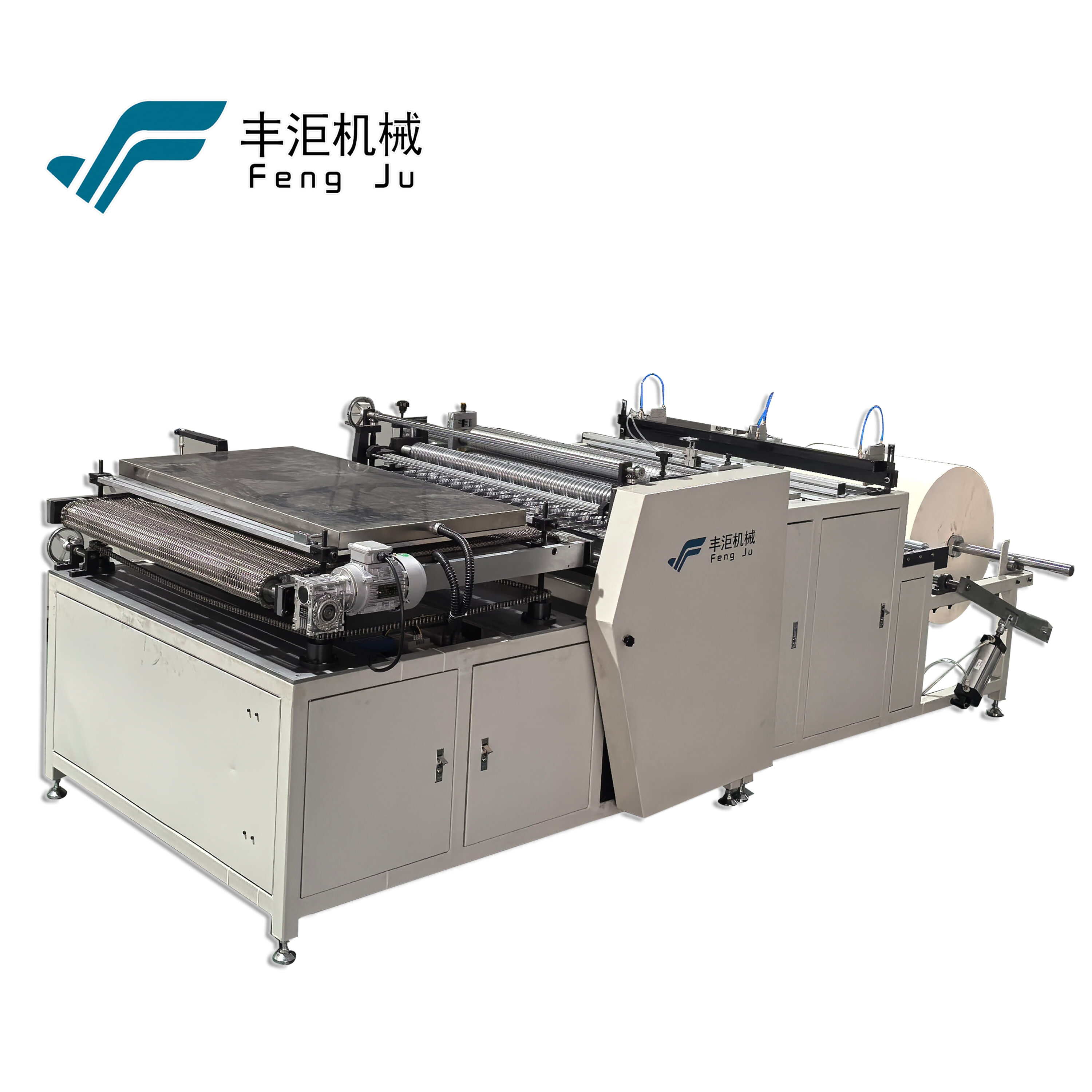
The market today offers a variety of rotary pleating machine configurations, each suited to different output volumes, material types, and pleat specifications. This variety is both an advantage and a complexity. Without a structured evaluation framework, it is easy to be swayed by headline specifications or aggressive pricing rather than focusing on what will genuinely serve your operation. This article breaks down the most critical considerations you must address before committing to a purchase, helping you make an informed, confident decision.
Understanding Your Production Requirements First
Defining Output Volume and Pleat Specifications
Before evaluating any rotary pleating machine on the market, your first step should be to precisely define your production requirements. This means knowing your expected daily or monthly output volume, the pleat pitch and height required for your filter elements, and the media width your current or planned production line uses. These numbers form the baseline against which every machine specification must be measured.
A rotary pleating machine that is undersized for your volume will create a bottleneck that affects your entire downstream assembly process. Conversely, a machine with far greater capacity than you currently need may carry unnecessary capital cost and could introduce complexity in terms of setup time, maintenance requirements, and operator training. Matching output capacity to realistic production forecasts is essential.
You should also consider whether your pleat specifications are fixed or whether your business serves multiple customers with varying filter element dimensions. If you require flexibility in pleat geometry, look for a rotary pleating machine that supports quick changeover between different tooling configurations. The time required to switch from one pleat pitch to another can significantly impact your effective production uptime.
Material Compatibility and Media Types
Different rotary pleating machine models are designed to handle specific categories of filter media. Common materials include fiberglass, polyester non-woven fabric, melt-blown fabric, synthetic composite media, and HEPA-grade papers. Not every machine handles all of these materials with equal reliability or precision. Understanding the tensile strength, thickness range, and stiffness of your media is critical before making a purchase decision.
Some media types, particularly thin or soft non-woven fabrics, require precise tension control throughout the feeding mechanism to prevent distortion or irregular pleat formation. If your factory works with environmentally friendly or biodegradable filter media, which is increasingly common in air and liquid filtration markets, your rotary pleating machine must be capable of handling these materials without causing structural damage to the pleat geometry.
Ask the machine supplier specifically about the media thickness range the equipment supports and request documentation or demonstration using materials similar to your own. A machine that performs well on standard polyester but struggles with composite or treated media will create persistent quality control problems in your production environment.
Evaluating Machine Engineering and Build Quality
Mechanical Precision and Pleat Consistency
The mechanical engineering quality of a rotary pleating machine directly determines the consistency and dimensional accuracy of your pleated filter elements. Inconsistent pleat pitch or pleat height variation introduces quality defects that are difficult to detect during production but become apparent during downstream assembly or end-use testing. When evaluating a machine, ask for sample output and measure pleat consistency across multiple production cycles.
High-quality rotary pleating machines typically incorporate precision-ground forming wheels, servo-driven feeding systems, and robust frame construction that minimizes vibration during high-speed operation. These engineering choices affect both the quality of output and the longevity of the machine under continuous production conditions. A machine that delivers acceptable pleat quality at low speed but degrades at rated production speed is a liability in a real factory environment.
Pay attention to how the machine handles the transition between pleat cycles. The rotary mechanism must maintain consistent timing and pressure throughout its operating range. Any play in the mechanical linkage or inconsistency in forming wheel alignment will produce visible defects in your filter media, increasing scrap rates and driving up per-unit production cost.
Automation Level and Control System
Modern rotary pleating machine systems range from semi-automatic setups requiring significant operator intervention to fully automated lines with PLC-based control, automatic fault detection, and integration-ready data output. The right level of automation depends on your factory's labor cost structure, operator skill level, and production consistency requirements.
A more automated rotary pleating machine reduces reliance on individual operator expertise and produces more consistent output across shifts and operators. It also enables faster fault detection, which reduces the length of defect runs and minimizes material waste. However, higher automation levels typically come with higher initial investment and more demanding maintenance expertise requirements.
Consider whether the control system uses widely supported industrial components or proprietary technology. Machines built around standard PLC platforms with local supplier support networks are generally more cost-effective to maintain and upgrade over their service life. Proprietary control systems can create vendor dependency that becomes costly when the original supplier's service coverage is limited in your region.
Assessing Total Cost of Ownership
Energy Consumption and Operating Costs
The purchase price of a rotary pleating machine is only one component of its total cost of ownership. Energy consumption during continuous production operation is a recurring expense that, over the machine's service life, can exceed the original capital outlay. Request detailed power consumption specifications from the supplier and benchmark these against other machines in the same output class.
Efficient drive systems, particularly servo motors used in modern rotary pleating machines, consume significantly less energy than older hydraulic or clutch-driven designs. If your factory operates on a high-volume continuous basis, the energy savings from a more efficient rotary pleating machine design can justify a higher initial purchase price within a relatively short payback period.
Operating costs also include consumable tooling components such as forming wheels and guide elements, which wear over time and require periodic replacement. Ask the supplier about the expected service life of these components under your anticipated production intensity and the cost of replacement parts. A machine with a low list price but expensive or proprietary consumables may prove more costly over time than a higher-priced machine with standardized, readily available wear parts.
Maintenance Requirements and Spare Parts Availability
Maintenance downtime is one of the most significant hidden costs associated with any production equipment, including the rotary pleating machine. Before purchasing, obtain a detailed preventive maintenance schedule from the supplier and assess whether your current maintenance team has the skills and tools required to carry out routine service tasks without external support.
Spare parts availability is equally important. A rotary pleating machine that requires long lead times for critical spare parts creates the risk of extended production downtime following a mechanical failure. Confirm whether the supplier maintains a local or regional parts inventory, and clarify the expected delivery time for common wear components as well as less frequently replaced critical components.
It is also worth asking about the supplier's service network. Factory-based technical support, remote diagnostics capability, and documented troubleshooting resources can significantly reduce the business impact of equipment faults. A supplier who provides comprehensive after-sales support transforms the purchase from a transactional equipment buy into a long-term production partnership.
Factory Integration and Space Planning
Footprint, Layout, and Utility Requirements
A rotary pleating machine must physically integrate into your existing or planned factory layout. Before finalizing a purchase decision, obtain detailed installation drawings, including the machine footprint, required clearances for operation and maintenance access, and the positions of electrical, pneumatic, and exhaust connections. Misalignment between machine specifications and your facility's layout can require costly civil works or compromise operator safety and workflow efficiency.
Review the utility requirements carefully. Some rotary pleating machine configurations require compressed air at specific pressures and flow rates, three-phase electrical supply at particular voltage and current ratings, or dedicated exhaust ventilation. Confirm that your factory's existing utility infrastructure can support these requirements or budget appropriately for upgrades before commissioning.
Consider the upstream and downstream processes that will connect to the rotary pleating machine in your production line. Media roll feeding, slitting, cutting, gluing, and final assembly operations must all align with the machine's output format and production rate. Designing the integration flow before purchase avoids operational mismatches that compromise production efficiency after installation.
Operator Training and Workforce Readiness
Even a technically superior rotary pleating machine will underperform if your operators are not adequately trained to set it up, run it at rated capacity, and respond correctly to fault conditions. Evaluate the training program offered by the machine supplier as part of your purchasing assessment. Comprehensive training should cover machine setup procedures, parameter adjustment, routine maintenance tasks, and fault diagnosis protocols.
Consider the languages in which training materials and operator manuals are available. If your production team does not work in the supplier's primary language, the quality of translated documentation becomes a practical operational concern. Request sample documentation in advance to assess its clarity and completeness before finalizing the procurement decision.
Workforce readiness extends beyond the initial training period. If your factory has high operator turnover or if you plan to expand your production team, a rotary pleating machine with intuitive controls, clear on-screen guidance, and a well-structured training program will maintain consistent production quality more effectively than a machine with a steep learning curve and minimal instructional support.
Supplier Credibility and Commercial Terms
Technical Competence and Industry Experience
The supplier behind the rotary pleating machine you purchase matters as much as the machine itself. A supplier with deep technical expertise in pleating equipment and a strong track record in your specific industry segment can provide more relevant guidance during the selection process and more reliable support during the machine's operational life. Ask for references from customers in similar production environments and, where possible, arrange to visit a reference installation.
Evaluate the supplier's engineering capability not just in terms of the current machine design but in terms of their capacity to customize or adapt the equipment to your specific requirements. A supplier that understands your end application — whether it is HVAC filtration, automotive air filtration, industrial dust collection, or liquid filtration — can make meaningful recommendations that a purely transactional supplier cannot.
Technical documentation quality is also a reliable indicator of supplier professionalism. Well-prepared installation manuals, wiring diagrams, and maintenance schedules reflect an organization that has invested in post-sales customer success, not just in closing the initial sale. Requesting and reviewing this documentation before purchase gives you useful insight into what your long-term experience with the supplier is likely to be.
Warranty, Acceptance Testing, and Contractual Protections
Before finalizing the purchase of a rotary pleating machine, review the warranty terms carefully. Understand what is covered, for how long, and what conditions would void the warranty. Pay particular attention to clauses related to consumable parts, software updates, and modifications made by your own maintenance team. A warranty that appears comprehensive at first reading can contain exclusions that significantly limit its practical value.
Factory acceptance testing, conducted before the machine ships from the supplier's facility, is a valuable protection for complex equipment purchases. Define the acceptance criteria in your contract, including pleat consistency tolerances, production speed requirements, and any application-specific performance benchmarks your operation requires. A well-structured acceptance test provides documented confirmation that the rotary pleating machine meets your requirements before it arrives at your facility.
Payment terms, delivery timeline commitments, and installation support obligations should all be clearly defined in the commercial contract. For factory equipment of this investment level, vague contractual language creates exposure to disputes that can be costly and time-consuming to resolve. Engaging legal or commercial review of the contract terms before signing is a reasonable precaution for any significant capital equipment purchase.
FAQ
What types of filter media can a rotary pleating machine typically handle?
A rotary pleating machine can generally handle a range of filter media including synthetic non-woven fabrics, fiberglass, polyester, melt-blown materials, and composite filter papers. The specific media compatibility depends on the machine's tension control system, forming wheel design, and the thickness range it is engineered to accommodate. Always confirm media compatibility with the supplier using your actual production materials before purchase.
How long does it typically take to install and commission a rotary pleating machine?
Installation and commissioning timelines for a rotary pleating machine vary based on machine complexity, site readiness, and the supplier's service model. In most cases, basic mechanical installation takes one to three days, followed by electrical and pneumatic connection work. Full commissioning, including operator training and production trials, typically adds another two to five days. Ensuring your facility is fully prepared before the machine arrives significantly reduces total commissioning time.
What level of operator skill is required to run a rotary pleating machine?
The skill level required depends on the automation level of the specific rotary pleating machine model. Entry-level semi-automatic machines require operators with mechanical aptitude and attention to process parameters, while fully automated CNC or PLC-controlled systems can be operated by workers with basic industrial machine training after appropriate onboarding. Comprehensive initial training from the supplier and clear operational documentation are essential regardless of automation level.
Can a rotary pleating machine be integrated into an existing automated production line?
Yes, most modern rotary pleating machine systems are designed with integration in mind and can be connected to upstream media unwinding systems and downstream cutting, gluing, or assembly equipment. Successful integration requires careful alignment of production speeds, output formats, and communication protocols between connected machines. Discuss your existing line architecture with the supplier during the evaluation stage to confirm compatibility and plan any required interface modifications.
Table of Contents
- Understanding Your Production Requirements First
- Evaluating Machine Engineering and Build Quality
- Assessing Total Cost of Ownership
- Factory Integration and Space Planning
- Supplier Credibility and Commercial Terms
-
FAQ
- What types of filter media can a rotary pleating machine typically handle?
- How long does it typically take to install and commission a rotary pleating machine?
- What level of operator skill is required to run a rotary pleating machine?
- Can a rotary pleating machine be integrated into an existing automated production line?