

Selecting the right filter materials for your rotary pleating machine is critical to achieving consistent, high-quality filter production and maximizing operational efficiency. The rotary pleating machine represents a significant investment in your filtration manufacturing process, and the materials you process through it directly impact the final product's performance, durability, and cost-effectiveness. Understanding which filter materials work best with a rotary pleating machine ensures you get the most value from your equipment while maintaining production reliability and meeting your customers' filtration requirements.
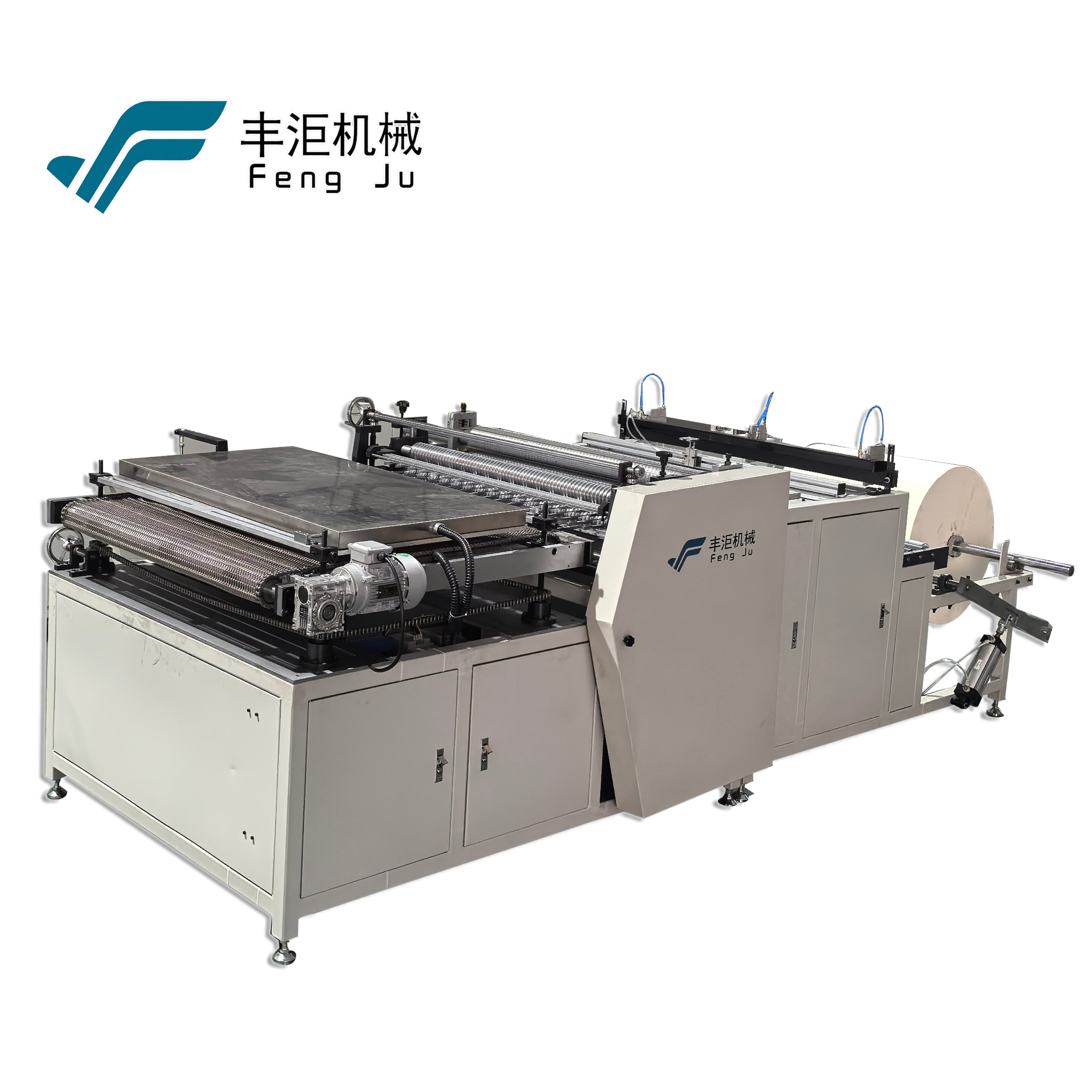
A rotary pleating machine operates through precise mechanical action, folding filter media into uniform pleats at high speed and accuracy. The success of this process depends not only on machine capability but equally on the material properties of the filter media itself. Different filtration applications require different substrate characteristics, and a rotary pleating machine must be paired with compatible materials to achieve optimal pleat formation, dimensional consistency, and structural integrity throughout the production run.
Understanding Filter Material Compatibility with Rotary Pleating Equipment
Material Properties That Support Rotary Pleating Machine Performance
The core challenge in operating a rotary pleating machine is selecting materials that possess the right combination of flexibility, tensile strength, and dimensional stability. Filter materials must be flexible enough to form clean, uniform pleats without cracking or tearing, yet strong enough to maintain structural integrity under the folding stress. When a rotary pleating machine applies pressure and movement to fold the media, the material must resist both compression and elongation damage. Materials that are too rigid will resist the pleating action and cause mechanical stress on the rotary pleating machine itself, while materials that are too soft may not hold pleats consistently or may shift during subsequent processing.
Thickness and Weight Specifications for Rotary Pleating Equipment
The thickness and basis weight of filter media directly affect how a rotary pleating machine performs. Most modern rotary pleating machine designs operate optimally with materials in the 0.2 to 0.5 millimeter thickness range, though this varies by specific machine model and intended application. Heavier filter materials, typically 80 to 150 grams per square meter, provide better structural support during the pleating process, while lighter materials may require slower feed rates or modified machine settings. A rotary pleating machine equipped with adjustable pressure and speed controls offers flexibility to process materials across a wider specification range, but understanding these boundaries helps you select materials that will perform reliably without requiring constant machine recalibration.
Fiber Types and Polymer Composites for Rotary Pleating Machine Applications
Microfiber and Synthetic Blends in Rotary Pleating Machine Processing
Microfiber filter materials have become increasingly popular for rotary pleating machine applications due to their superior pleat retention and consistent fold geometry. Polyester microfibers, either pure or blended with standard polyester fibers, create materials that fold cleanly and maintain uniform pleat spacing throughout the production run. When processed through a rotary pleating machine, microfiber materials produce tighter, more uniform pleats compared to conventional fibers, resulting in filter elements with greater surface area in the same cartridge height. Glass fiber blends also perform well in a rotary pleating machine, particularly for high-temperature filtration applications, though glass fiber materials require careful handling to prevent fiber breakage during the pleating cycle.
Nanofiber Membranes and Specialty Substrates in Rotary Pleating Equipment
Advanced nanofiber membranes represent a newer category of materials compatible with rotary pleating machine technology. These ultra-fine materials offer exceptional filtration efficiency but require precise machine settings because nanofiber layers are delicate and can tear if subjected to excessive pressure. A rotary pleating machine designed for handling specialty substrates typically includes features such as variable pressure zones, sensor-controlled feed speed, and soft-touch idler mechanisms that protect delicate materials while still achieving consistent pleat formation. When properly matched with a rotary pleating machine equipped for gentle processing, nanofiber materials deliver superior dirt-holding capacity and finer particle capture without sacrificing production speed or pleat uniformity.
Material Selection Criteria and Performance Optimization with Rotary Pleating Machines
Tensile Strength, Tear Resistance, and Elongation Properties
Three critical material properties determine whether a filter substrate will perform well in a rotary pleating machine: tensile strength, tear resistance, and maximum elongation capability. Tensile strength, typically measured in newtons per square centimeter, must be sufficient to withstand the gripping and folding forces applied by the rotary pleating machine without permanent deformation or rupture. Tear resistance ensures that small stress concentrations do not propagate into catastrophic failures during the folding cycle, which is particularly important for materials containing hard particles or contaminants. Elongation capability, expressed as a percentage, indicates how much a material can stretch before reaching its breaking point; materials with 10 to 25 percent elongation generally perform best in a rotary pleating machine because they can conform to the machine's geometry without excessive stress concentration.
Surface Finish and Coating Compatibility for Rotary Pleating Machine Results
Many industrial filter applications require coated or treated filter media, and these coatings must be compatible with the processing conditions imposed by a rotary pleating machine. Thermally bonded, meltblown, or electrostatically treated materials require careful evaluation to ensure the coating remains intact and functional after the pleating cycle. A rotary pleating machine applies localized pressure at the pleat folds, which can sometimes cause coating delamination or cracking if the substrate and coating combination is not properly engineered. Collaborating with material suppliers to confirm that coatings maintain their adhesion and functionality through rotary pleating machine processing is essential before committing to production runs. Testing small quantities through your rotary pleating machine under controlled conditions allows you to verify coating integrity and pleat quality before scaling to full production.
Environmental and Temperature Resistance Factors
The operating environment where filter elements will be used influences which materials work best with a rotary pleating machine. Materials intended for high-temperature applications, such as engine air filters or industrial furnace emissions controls, must maintain dimensional stability and mechanical properties even after prolonged heat exposure. A rotary pleating machine can process heat-resistant polyimide or phenolic materials effectively, but these materials often require specialized handling due to their lower flexibility compared to standard polyester options. Conversely, materials destined for cryogenic or very cold environments must retain flexibility at low temperatures; a rotary pleating machine can process these cold-resistant materials successfully if the facility maintains appropriate temperature controls during storage and processing.
FAQ
What happens if I use materials that are too rigid in my rotary pleating machine?
Rigid materials resist the folding action of a rotary pleating machine, causing uneven pleat formation, excessive pressure on the machine's mechanical components, and potential material tearing or wrinkling. You may notice jagged pleat edges, inconsistent pleat spacing, or damage to the drive system. Using materials with insufficient flexibility typically requires reducing your rotary pleating machine's feed speed or increasing the number of passes, which dramatically reduces productivity and may still not achieve acceptable pleat quality. Testing material flexibility before full production is essential to avoid equipment strain and wasted material.
How do I know if a filter material is compatible with my specific rotary pleating machine model?
Consult your rotary pleating machine's technical specifications for recommended material thickness, basis weight, and fiber type ranges. Most manufacturers provide compatibility charts or suggested material parameters in the equipment documentation. Trial testing with small batches through your rotary pleating machine under controlled conditions allows you to verify compatibility directly and observe pleat quality, consistency, and dimensional accuracy. Working with your material supplier to obtain samples matching your rotary pleating machine's specifications ensures you select materials proven to work well with your equipment.
Can a rotary pleating machine handle coated filter materials?
Yes, a rotary pleating machine can successfully process many coated filter materials, but the coating must be compatible with the pleating process. Verify that the coating maintains adhesion and functionality through the pressure and folding cycles imposed by your rotary pleating machine. Some coatings may become brittle or delaminate at pleat fold lines if the substrate and coating combination is not properly engineered. Run validation tests with your rotary pleating machine before committing to high-volume production runs to confirm that coated materials meet your quality and performance standards after processing.