
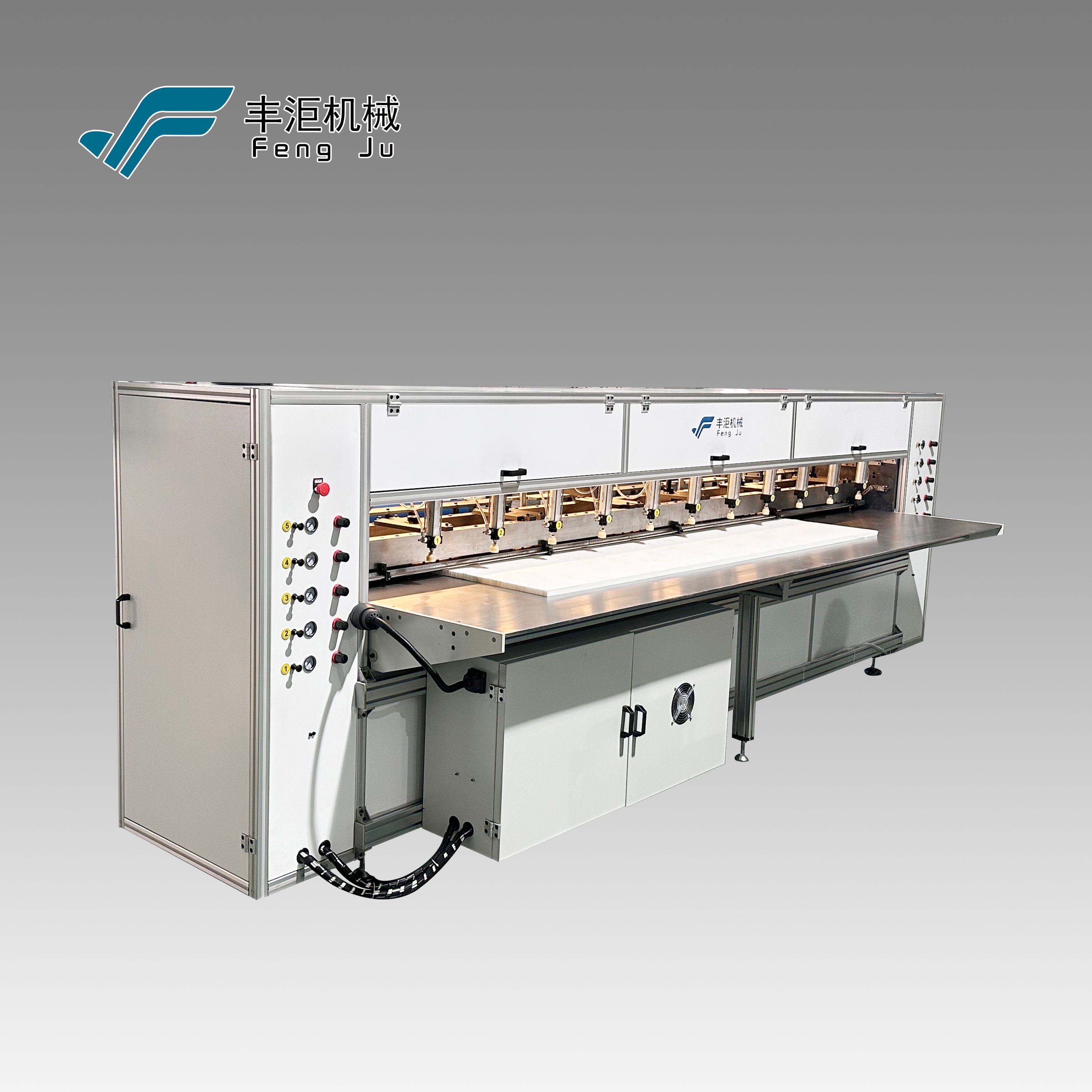
Paper folding machines represent a crucial category of industrial equipment designed to automate the precise folding of various paper materials across multiple industries. Understanding the different types of paper folding machine configurations available helps manufacturers, converters, and processing facilities select the most appropriate technology for their specific production requirements. These sophisticated machines range from simple single-fold units to complex multi-station systems capable of creating intricate folding patterns with exceptional accuracy and speed.
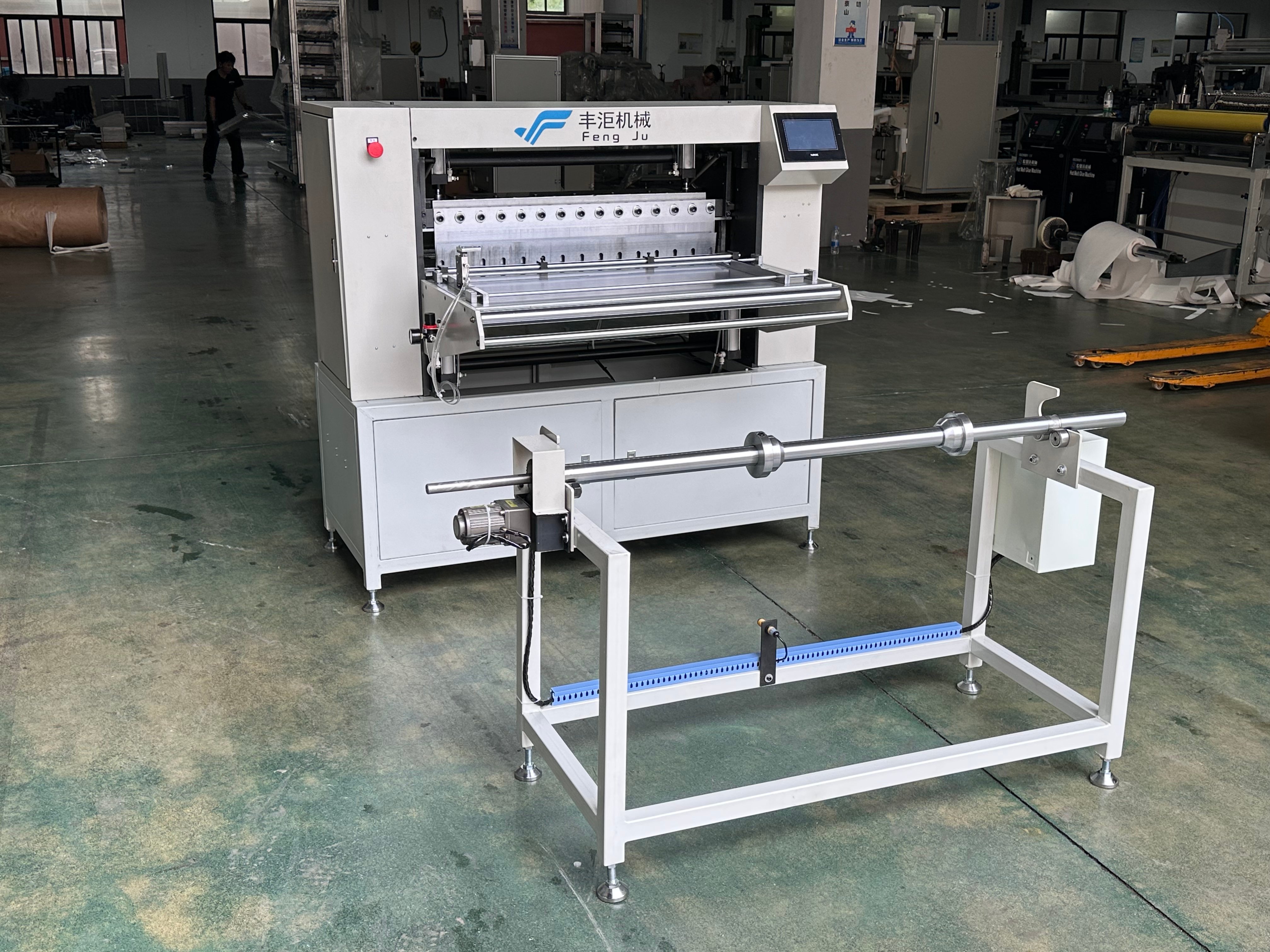
The classification of paper folding machines extends beyond basic operational differences to include variations in folding mechanisms, material handling capabilities, automation levels, and specialized applications. Each type of paper folding machine serves distinct purposes within industrial processes, from simple document preparation to complex packaging applications requiring multiple sequential folds. This comprehensive understanding of machine types enables informed decision-making when investing in folding equipment for specific production environments.
Primary Classification Based on Folding Mechanism
Buckle Fold Paper Folding Machines
Buckle fold paper folding machines operate through a mechanical buckling principle where paper sheets are fed between rotating rollers and encounter a physical stop or backstop. When the paper hits this barrier, it naturally buckles and creates a fold as the rollers continue to advance the material. This type of paper folding machine excels in high-volume production environments where consistent fold quality and rapid processing speeds are essential requirements.
The buckle fold mechanism allows for multiple fold types including letter folds, accordion folds, and gate folds by adjusting the backstop positions and roller configurations. These machines typically feature adjustable fold plates and can accommodate various paper weights and sizes, making them versatile solutions for commercial printing operations, direct mail preparation, and document finishing applications.
Advanced buckle fold paper folding machine models incorporate electronic controls for precise fold positioning and can achieve production speeds exceeding 30,000 sheets per hour. The reliability and durability of buckle fold systems make them preferred choices for continuous operation scenarios where minimal maintenance downtime is critical for production efficiency.
Knife Fold Paper Folding Machines
Knife fold paper folding machines utilize a sharp blade or knife mechanism that physically pushes the paper into a fold position between two rotating cylinders or rollers. This folding method provides exceptional precision and clean fold lines, making it particularly suitable for applications requiring sharp, well-defined creases. The knife fold paper folding machine design allows for greater control over fold pressure and positioning compared to buckle fold systems.
These machines excel in applications where fold quality takes precedence over maximum production speed. Knife fold systems can handle thicker paper stocks and board materials that might cause jamming or poor fold quality in buckle fold machines. The precise nature of knife folding makes these machines ideal for premium printing applications, book production, and specialty packaging where fold appearance is crucial.
Modern knife fold paper folding machine designs incorporate servo-driven mechanisms for programmable fold positions and can create complex folding patterns through multiple knife stations. The ability to adjust knife pressure and timing allows operators to optimize performance for different material characteristics and fold requirements.
Classification by Automation Level and Control Systems
Manual and Semi-Automatic Paper Folding Machines
Manual paper folding machines require operator intervention for sheet feeding, fold positioning, and material handling throughout the folding process. These entry-level systems typically feature mechanical adjustments for fold settings and rely on operator skill for consistent results. Semi-automatic paper folding machine variants incorporate motorized folding mechanisms while still requiring manual sheet feeding and removal.
Semi-automatic paper folding machines bridge the gap between manual operations and fully automated systems by providing mechanical consistency in the folding action while maintaining operator control over material flow. These machines often feature foot pedal activation, adjustable fold guides, and basic safety systems to protect operators during manual handling operations.
The cost-effectiveness of manual and semi-automatic paper folding machine options makes them attractive for small to medium-volume applications, prototype development, and specialized folding tasks that require frequent setup changes. These systems typically offer greater flexibility for custom fold patterns and can accommodate irregular material sizes more easily than fully automated alternatives.
Fully Automatic Paper Folding Machines
Fully automatic paper folding machines incorporate sophisticated control systems, automated material feeding, and programmable fold sequences to minimize operator intervention. These advanced systems feature touch-screen interfaces, memory storage for fold programs, and integrated quality monitoring systems. A fully automatic paper folding machine can operate continuously with minimal supervision while maintaining consistent fold quality and production rates.
Automatic paper folding machines typically include features such as automatic sheet separation, misfeed detection, jam prevention systems, and integrated counting mechanisms. These machines can execute complex folding sequences involving multiple fold stations and can accommodate rapid changeovers between different fold patterns through stored program recall.
The integration capabilities of fully automatic paper folding machines allow them to function as components within larger production lines, receiving materials from upstream processes and delivering folded products to downstream equipment. Advanced models feature communication protocols for integration with manufacturing execution systems and quality control databases.
Specialized Applications and Industry-Specific Types
Filter Paper Folding Machines
Filter paper folding machines represent a specialized category designed specifically for creating pleated filtration media used in air filters, automotive filters, and industrial filtration systems. These machines must achieve precise fold spacing, consistent pleat heights, and uniform fold angles to ensure optimal filtration performance. Filter paper folding machine designs incorporate specialized feeding systems to handle the delicate nature of filter media materials.
The technical requirements for filter paper folding machines include the ability to maintain exact fold pitch measurements, typically ranging from 6mm to 25mm depending on filtration application requirements. These machines often feature heated folding surfaces to create permanent creases in synthetic filter materials and can accommodate continuous web feeding for high-volume filter production.
Advanced filter paper folding machines incorporate vision systems for fold quality inspection and can automatically adjust folding parameters to maintain specifications throughout production runs. The precision requirements of filter applications make these specialized paper folding machine types essential for manufacturers producing HEPA filters, automotive cabin filters, and industrial air filtration systems.
Packaging and Carton Folding Machines
Packaging paper folding machines are engineered to handle heavier board materials and create structural folds for carton and box formation. These machines must generate sufficient folding force to create permanent creases in corrugated materials and paperboard while maintaining dimensional accuracy for proper assembly. Packaging paper folding machine designs often incorporate heated folding elements to enhance crease quality in coated and laminated materials.
The complexity of packaging applications requires paper folding machines capable of creating multiple fold angles, perforations, and scoring lines in addition to standard folding operations. These machines frequently feature modular designs allowing for customization based on specific packaging requirements and can accommodate various material thicknesses within a single production setup.
Modern packaging paper folding machines integrate with die-cutting operations and can create complex three-dimensional fold patterns necessary for specialty packaging applications. The ability to handle materials ranging from lightweight papers to heavy corrugated boards makes these machines versatile solutions for packaging converters and box manufacturers.
Configuration Types Based on Fold Complexity
Single-Fold Paper Folding Machines
Single-fold paper folding machines are designed to create one fold per pass through the machine, making them ideal for high-speed applications where simple fold patterns are required. These machines excel in applications such as letter folding, invoice preparation, and basic document finishing where production speed takes precedence over fold complexity. Single-fold paper folding machine designs typically achieve the highest production rates within their category.
The simplicity of single-fold machines allows for robust construction, reliable operation, and minimal maintenance requirements. These systems can often operate continuously for extended periods without adjustment and provide consistent fold quality across varying material characteristics. The focused design approach results in machines optimized for specific fold types such as half folds, letter folds, or accordion folds.
Single-fold paper folding machines frequently serve as building blocks within larger production lines where multiple machines are arranged in sequence to create complex folding patterns. This modular approach allows manufacturers to achieve intricate fold combinations while maintaining the reliability and speed advantages of specialized single-fold systems.
Multi-Fold Paper Folding Machines
Multi-fold paper folding machines incorporate multiple folding stations within a single machine frame, enabling the creation of complex fold patterns in a single pass. These sophisticated systems can execute sequential folds at different angles and positions, producing finished products with multiple creases and dimensional variations. Multi-fold paper folding machine designs require precise timing and coordination between folding stations to achieve consistent results.
The versatility of multi-fold machines makes them suitable for applications requiring intricate folding patterns such as brochure production, greeting card manufacturing, and specialty packaging applications. These machines often feature programmable fold sequences allowing operators to store and recall complex fold patterns for different products without manual adjustment.
Advanced multi-fold paper folding machines incorporate servo-driven positioning systems for each fold station, enabling precise control over fold timing, pressure, and positioning. The ability to create complex fold patterns in a single pass reduces handling time and improves production efficiency while maintaining consistent quality across all fold operations.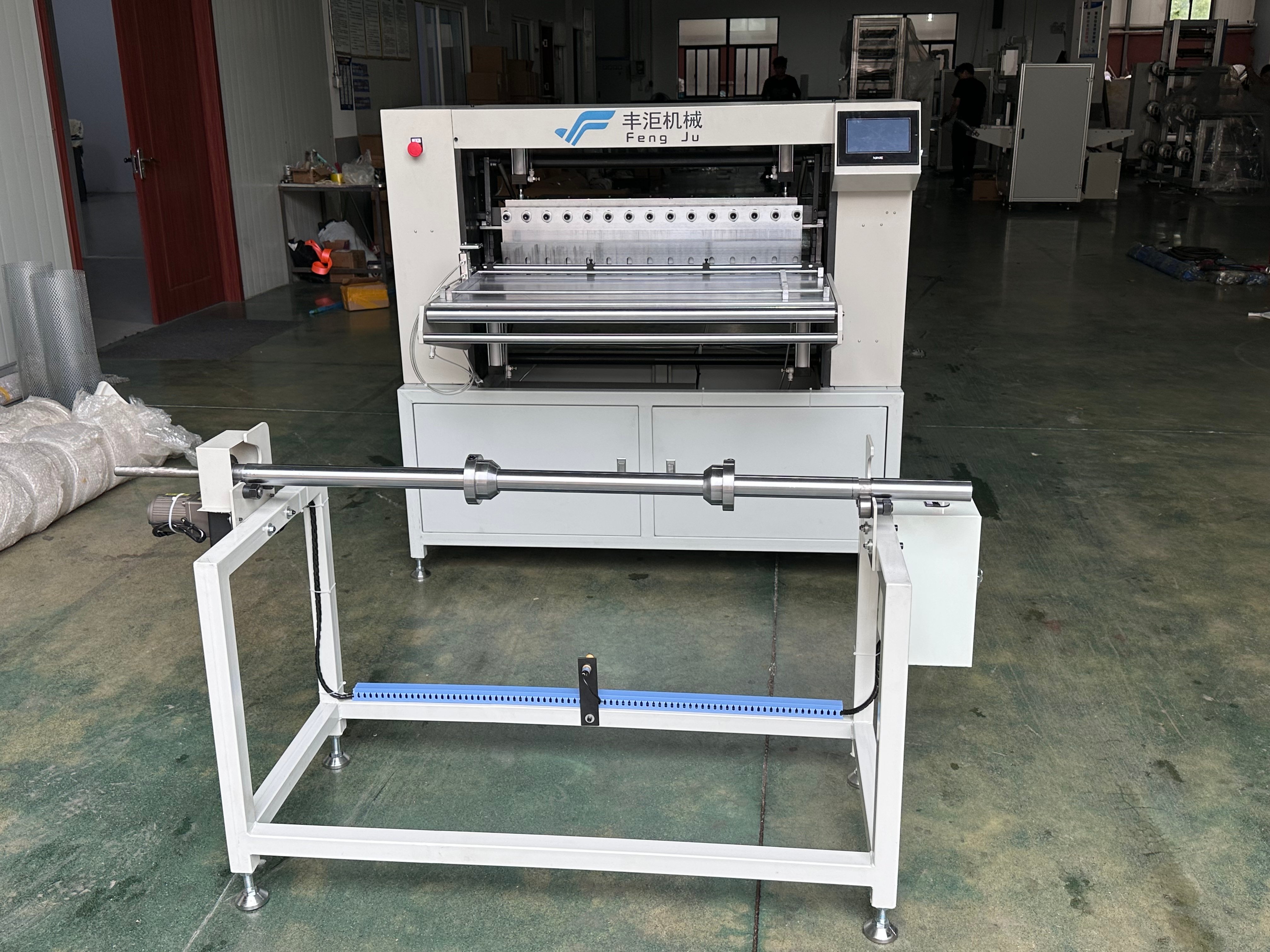
FAQ
What factors determine which type of paper folding machine is best for a specific application?
The selection of an appropriate paper folding machine type depends on several critical factors including production volume requirements, material characteristics, fold complexity needs, and available floor space. High-volume applications typically benefit from buckle fold or fully automatic machines, while specialty applications may require knife fold systems for superior fold quality. Material thickness, coating types, and grain direction also influence machine type selection, as different folding mechanisms handle various materials with varying degrees of success.
How do filter paper folding machines differ from standard document folding equipment?
Filter paper folding machines are specifically engineered to handle delicate filtration media and create precise pleated structures with exact dimensional specifications. Unlike standard paper folding machine types used for documents, filter folding equipment must maintain consistent pleat spacing, controlled fold angles, and gentle material handling to preserve filter media integrity. These specialized machines often incorporate temperature control, precision feeding systems, and quality monitoring capabilities not found in conventional folding equipment.
Can a single paper folding machine handle multiple fold types and material weights?
Many modern paper folding machine designs offer adjustable capabilities allowing them to accommodate different fold types and material weights within specified ranges. However, the versatility typically comes with trade-offs in maximum production speed or specialized performance. Fully automatic and multi-fold machines generally provide the greatest flexibility through programmable settings and adjustable mechanisms, while specialized machines optimized for specific applications may offer limited adaptability but superior performance within their intended scope.
What maintenance requirements differ between various types of paper folding machines?
Maintenance requirements vary significantly between paper folding machine types, with mechanical systems generally requiring more frequent lubrication and adjustment compared to electronic systems needing software updates and sensor calibration. Buckle fold machines typically require regular cleaning and adjustment of fold plates, while knife fold systems need blade maintenance and pressure calibration. Fully automatic machines involve more complex maintenance schedules including electronic system checks, but often feature self-diagnostic capabilities that simplify troubleshooting and preventive maintenance planning.
Table of Contents
- Primary Classification Based on Folding Mechanism
- Classification by Automation Level and Control Systems
- Specialized Applications and Industry-Specific Types
- Configuration Types Based on Fold Complexity
-
FAQ
- What factors determine which type of paper folding machine is best for a specific application?
- How do filter paper folding machines differ from standard document folding equipment?
- Can a single paper folding machine handle multiple fold types and material weights?
- What maintenance requirements differ between various types of paper folding machines?