An oil filter production line is a highly coordinated system where multiple automated and semi-automated processes must operate in precise harmony. From raw material feeding to finished product packaging, any disruption at a single stage can cascade into broader quality failures, production slowdowns, or costly downtime. Understanding the common problems that arise in an oil filter production line is therefore not just an operational concern — it is a strategic priority for manufacturers aiming to stay competitive and consistent in a demanding industrial market.
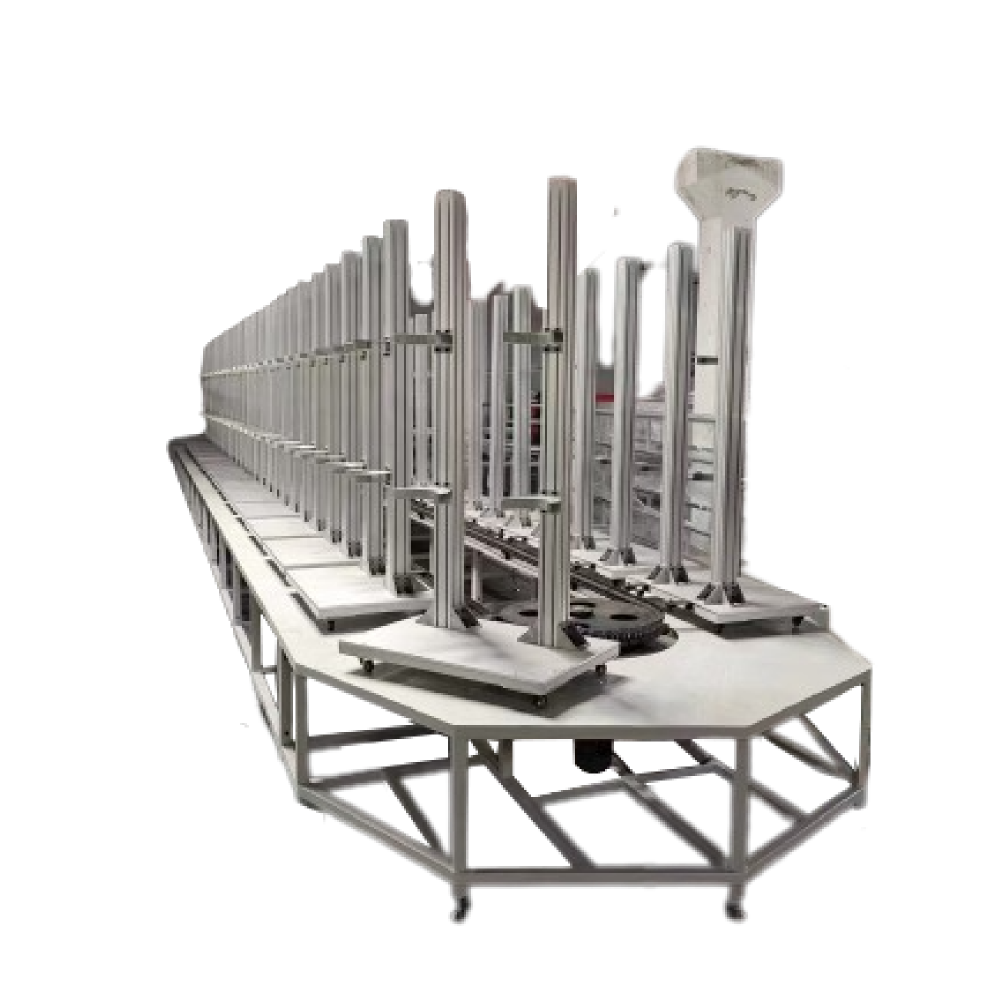
The challenges found in an oil filter production line tend to cluster around a few critical areas: material handling inconsistencies, mechanical wear and misalignment, quality control failures, and process parameter drift. Each of these categories presents distinct symptoms, root causes, and remediation strategies. This article examines these problems in depth, offering practical insight for engineers, production managers, and quality assurance teams who need to diagnose, prevent, and resolve issues in their oil filter production line operations.
Material-Related Problems in the Oil Filter Production Line
Inconsistent Raw Material Quality
One of the most persistent upstream problems in an oil filter production line is the variability in raw material quality. Filter media, metal end caps, center tubes, and sealing compounds must all meet precise dimensional and physical specifications. When incoming materials deviate from tolerances — even slightly — the downstream processes begin to compensate incorrectly, producing filters that fail pressure tests or leak during service.
Fiber-based filter media, for example, can vary in thickness, porosity, and tensile strength between batches. If the oil filter production line is not calibrated for this variability, pleating machines may form uneven folds, and bonding stations may apply insufficient adhesive coverage. Over time, this results in a higher defect rate and increased material waste, both of which directly affect production economics.
Effective incoming quality inspection protocols, including dimensional checks, porosity testing, and supplier certification reviews, are essential controls that reduce the risk of material-driven failures in any oil filter production line. Automated vision systems can further assist in catching roll defects or contamination before they enter the production flow.
Adhesive and Sealing Compound Issues
Adhesive application is a chemically sensitive step in the oil filter production line. Hot-melt adhesives used to bond filter media to end caps must be dispensed at the correct temperature, viscosity, and volume. Deviations in any of these parameters lead to weak bonds, delamination under pressure, or adhesive bleeding into the filtration media itself — which can restrict oil flow and compromise filtration efficiency.
Cold ambient temperatures in production facilities can cause adhesive to set prematurely, while excessive heat can thin the compound to the point where it fails to form a reliable seal. The oil filter production line must therefore include real-time temperature monitoring at adhesive dispensing stations, along with automated viscosity checks to ensure consistent application throughout the shift.
Sealing gaskets present a similar challenge. If gasket rubber compounds harden prematurely due to improper storage or age, they may crack during assembly, creating leak paths that only become apparent during functional testing. Material storage protocols and FIFO (first-in, first-out) inventory management are therefore critical to maintaining compound integrity in the oil filter production line environment.
Mechanical and Equipment Problems in the Oil Filter Production Line
Pleating Machine Misalignment and Wear
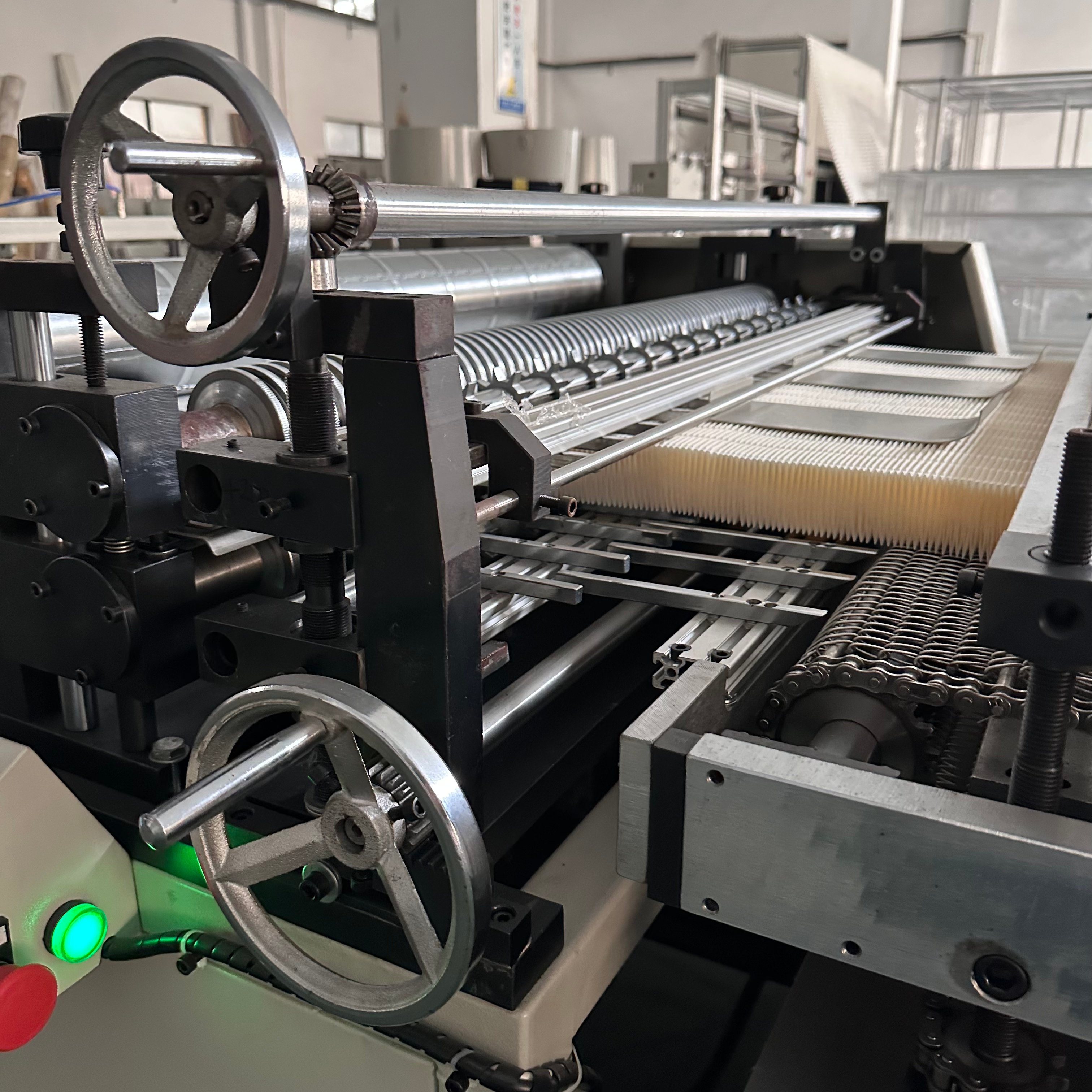
The pleating machine is arguably the most mechanically demanding station in the oil filter production line. It must fold filter media into precise, consistent pleat geometries at high speed while maintaining uniform pleat depth and spacing. Worn blades, misaligned fold guides, or loose drive belts cause pleat irregularities that reduce the effective filtration area and create localized stress points within the media.
A common symptom of pleating machine wear is a gradual increase in pleat pitch variance — the distance between individual folds becomes inconsistent. In an oil filter production line running at high volume, even a small percentage of out-of-spec pleated elements can generate significant scrap. Periodic blade sharpening, guide realignment, and drive component inspection are necessary preventive maintenance tasks to keep this station performing accurately.
Vibration monitoring systems installed on pleating machines can detect early signs of bearing wear or imbalance before they manifest as visible quality defects. When integrated into the broader oil filter production line control system, such data enables predictive maintenance scheduling rather than reactive repairs, significantly reducing unplanned downtime.
Welding and Crimping Failures
Metal end cap attachment — whether through welding, crimping, or a combination of both — is a high-stress process in the oil filter production line. Resistance welding parameters, including current, pressure, and hold time, must be precisely controlled to form joints that withstand the cyclic pressure loads experienced during engine operation. Drift in any of these parameters results in cold welds, burnt joints, or incomplete fusion.
Crimping stations face their own challenges. Over time, crimping dies wear and lose their dimensional accuracy, causing inconsistent interference fits between the end cap and the filter shell. In an oil filter production line, this type of wear is gradual and may not trigger immediate alarms, yet it steadily degrades product quality until a formal dimensional audit catches the drift.
Regular electrode maintenance for welding stations and die replacement schedules for crimping machines must be embedded in the preventive maintenance plan. Weld strength testing and pull-force measurements on crimped assemblies provide objective data to verify that these critical joining processes remain within specification in the oil filter production line.
Quality Control Failures in the Oil Filter Production Line
Insufficient Leak Testing Coverage
Leak testing is an indispensable checkpoint in every oil filter production line. However, insufficient testing coverage — whether due to sampling-based inspection, poorly calibrated test rigs, or inadequate test pressure parameters — allows defective units to pass through undetected. A filter that leaks under engine operating conditions can cause catastrophic lubrication failure in the end-use application.
Pressure decay testing is the most widely used method in the oil filter production line for detecting assembly leaks. It measures the drop in air pressure within a sealed filter body over a set time interval. If test fixtures are worn or improperly seated, false passes occur — the test registers acceptable pressure retention not because the filter is sealed correctly, but because the test fixture itself is masking the leak path.
Moving toward 100% inline testing, rather than statistical sampling, dramatically reduces the risk of defective units escaping the oil filter production line. Modern test rigs can be integrated directly into the assembly conveyor, performing high-speed leak detection without slowing throughput, giving production teams both coverage and efficiency.
Filtration Efficiency Verification Gaps
Beyond structural integrity, the filtration performance of each unit must meet specified efficiency standards. In an oil filter production line, filtration efficiency is determined primarily by media quality and pleat uniformity — both of which have been discussed as potential problem areas. However, even if both inputs are controlled, final product testing for particle capture efficiency may be inadequate or infrequent.
Multi-pass filtration testing, conducted in accordance with recognized standards, provides the most reliable measurement of filter efficiency. When this testing is performed only at the development stage and not periodically on production samples, gradual shifts in media performance — caused by supplier changes or production process drift — go undetected until customer complaints arise.
Establishing a structured production monitoring program that includes regular media sample testing and finished filter efficiency audits is a quality management best practice for any oil filter production line. These results should be trended over time so that early signals of performance degradation can trigger corrective action before they become widespread defect events.
Process Parameter Drift and Operational Problems in the Oil Filter Production Line
Temperature and Speed Setting Drift
Process parameter drift is a subtle but serious problem in the oil filter production line. Curing oven temperatures, conveyor speeds, adhesive dispenser settings, and press forces may all shift incrementally over time due to sensor calibration drift, mechanical wear, or manual operator adjustments. Because these changes are gradual, they often escape notice until a batch of defective product is discovered downstream.
Statistical process control (SPC) methods provide a systematic approach to detecting parameter drift before it causes quality failures. By charting key process variables on control charts and setting control limits based on historical performance data, the oil filter production line gains an early warning system that alerts operators to trends requiring intervention. This approach shifts quality management from reactive to proactive.
Automated data logging from sensors across the oil filter production line — when connected to a manufacturing execution system (MES) — provides the traceability needed to isolate the root cause of any quality event. If a batch of filters fails final inspection, production logs can be reviewed to identify exactly which shift, which station, and which parameter deviated from specification, enabling precise corrective action.
Operator Error and Training Gaps
Even highly automated oil filter production lines require skilled human operators for setup, changeover, monitoring, and maintenance tasks. Operator error — whether in setting up machine parameters, handling delicate media rolls, or responding to machine alarms — is a frequently underestimated contributor to production quality problems. A single incorrect setup can introduce defects across an entire production run before the error is caught.
Standardized work instructions, visual management boards, and regular operator training programs are essential in reducing human-factor variability in the oil filter production line. Error-proofing (poka-yoke) mechanisms, such as interlocks that prevent machine start-up if setup is incomplete or incorrect, provide an additional safety net that reduces reliance on individual operator vigilance.
Cross-training operators across multiple stations in the oil filter production line also improves overall operational resilience. When workers understand the upstream and downstream context of their own station, they are more likely to recognize and report anomalies that would otherwise pass unnoticed, contributing to a stronger quality culture throughout the production floor.
FAQ
What is the most common cause of defects in an oil filter production line?
The most common causes are raw material inconsistency and process parameter drift. Variations in filter media properties or adhesive performance, combined with gradual shifts in machine settings, account for the majority of quality failures observed in an oil filter production line. Implementing rigorous incoming inspection and real-time process monitoring addresses both root causes effectively.
How can leak failures be reduced in an oil filter production line?
Leak failures are best reduced by transitioning from sample-based inspection to 100% inline leak testing using calibrated pressure decay rigs. Additionally, regular maintenance of test fixtures and assembly tooling ensures that test results accurately reflect product quality rather than masking defects through worn or misaligned fixtures in the oil filter production line.
How does pleating machine wear affect oil filter production line output?
Worn pleating machine blades and guides produce inconsistent pleat geometry, reducing the effective filtration surface area and creating structural weak points in the filter media. Over time, this increases scrap rates and may cause field failures. Scheduled preventive maintenance, including blade replacement and alignment checks, is essential to maintain pleat quality in the oil filter production line.
Why is operator training important for an oil filter production line?
Human error during machine setup, changeover, or alarm response can introduce systemic defects that affect entire production batches. Well-trained operators who understand both their specific station and the overall oil filter production line process are significantly better at detecting anomalies early, following standardized procedures consistently, and avoiding costly mistakes that automated systems alone cannot prevent.