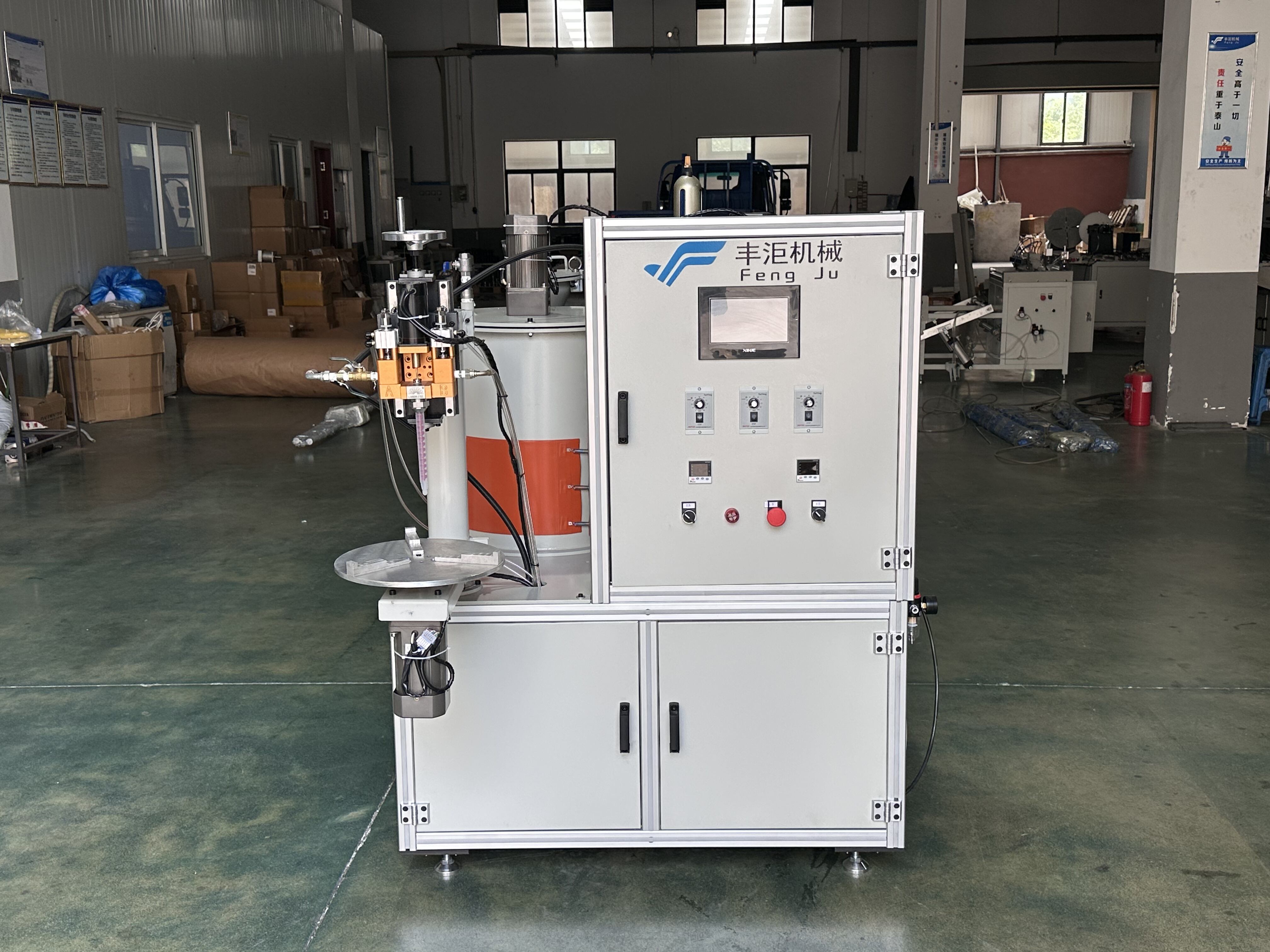
An oil filter production line is a sophisticated assembly of automated and semi-automated machinery designed to manufacture oil filtration cartridges at scale. From raw material feeding to final quality inspection, every stage of the process must be precisely coordinated to ensure consistent output quality. When any segment of this production chain develops a fault or inefficiency, the downstream effects can be significant — impacting output volume, product integrity, waste rates, and overall operational costs.
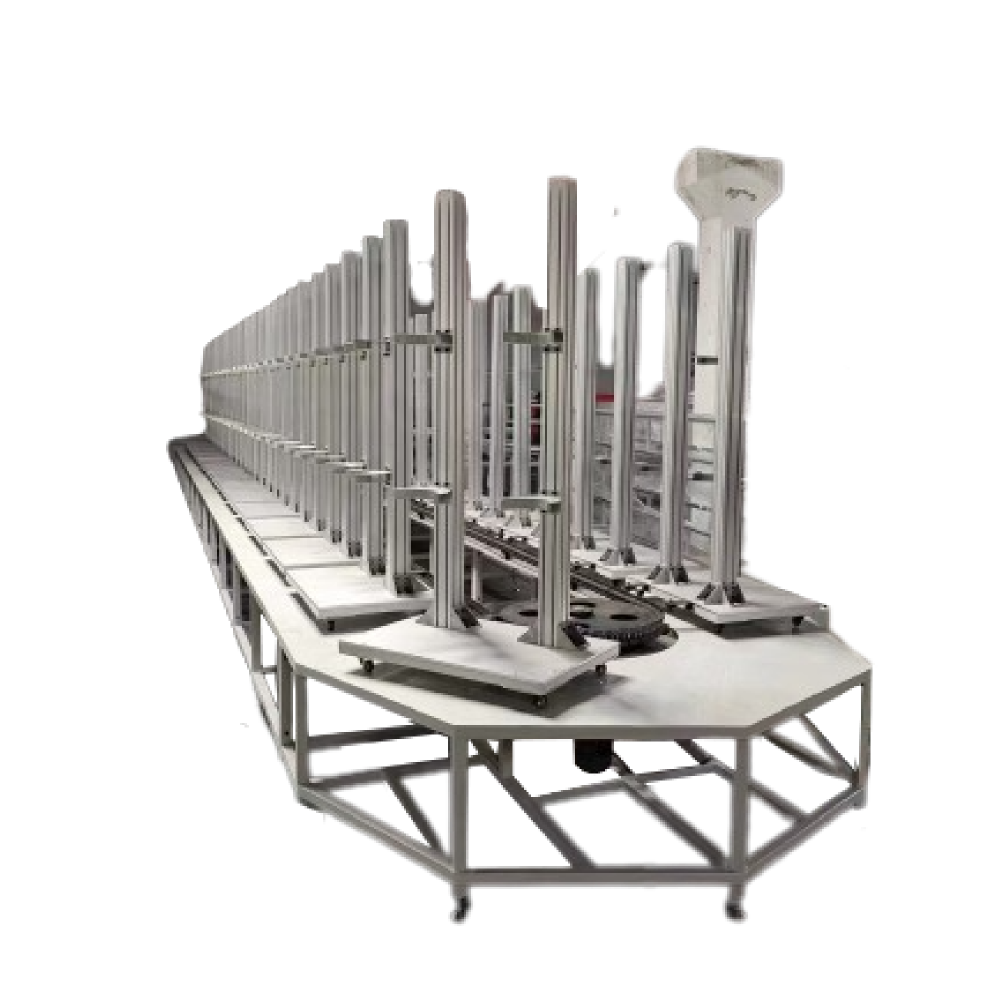
Understanding the most common problems that arise in an oil filter production line is essential for manufacturers who want to improve efficiency, reduce downtime, and maintain product quality standards. Whether you are operating an established facility or setting up a new line, being familiar with typical failure points and their root causes allows engineering and operations teams to respond faster and prevent recurring issues. This article breaks down the key problem categories, their causes, and the practical implications for manufacturers working in filtration product environments.
Filter Media Handling and Feeding Inconsistencies
Misalignment During Media Unwinding
One of the earliest and most frequently reported issues in an oil filter production line involves the feeding and unwinding of filter media rolls. When the media unwinds unevenly or with lateral drift, the downstream pleating or forming process immediately suffers. Misalignment at the feed stage causes irregular pleat spacing, material tearing, and increased scrap rates that compound throughout the shift.
This problem is often rooted in improper tension control settings or worn-out guide rollers that no longer hold the web in the correct lateral position. In high-humidity environments, the filter media itself can absorb moisture and change its dimensional properties, making consistent feeding even more difficult. Regular calibration of the tension control system and periodic inspection of guide components are essential countermeasures that production teams must implement proactively.
Another contributor to misalignment is inconsistent roll quality from the raw material supplier. Rolls with uneven winding, tapered edges, or internal core defects will behave erratically even when the machine settings are perfectly calibrated. Maintaining supplier quality standards and establishing incoming inspection protocols for raw media rolls significantly reduces this category of problem across the oil filter production line.
Media Splicing Failures
In a continuous oil filter production line, media rolls must be spliced together without interrupting machine operation. Poor splicing technique or incorrect adhesive selection leads to splice failures mid-run, which can cause machine jams, media breaks, and unplanned stoppages. Each unplanned stoppage carries a cost not only in lost output but also in restart scrap — the product produced during machine warmup after a stop is often non-conforming.
The root cause of most splicing failures is operator technique variability. Without standardized splicing procedures, different operators produce joints of inconsistent quality. Implementing detailed work instructions, providing operator training, and using splice detection sensors that can flag weak joins before they reach critical equipment are all effective ways to reduce this problem in the oil filter production line context.
Pleating Quality Defects and Their Causes
Irregular Pleat Height and Spacing
The pleating station is the mechanical heart of most oil filter production line configurations. Pleat geometry — height, spacing, and uniformity — directly determines the filtration surface area of the finished product. When pleat height varies along the length of a filter element, the effective filtration area becomes inconsistent across the product batch, leading to performance variability that is difficult to detect without rigorous end-of-line testing.
Worn pleating blades are the most common mechanical cause of this defect. As blades lose their edge definition, the fold geometry becomes less precise and the resulting pleat height drifts. A systematic blade replacement schedule based on cycle counts rather than visible wear is a more reliable approach than reactive replacement after defects appear. On a high-volume oil filter production line, blades may need replacement far more frequently than many maintenance schedules currently account for.
Drive train irregularities within the pleating mechanism can also introduce cyclical pleat spacing errors. If the pitch drive has backlash, a worn gear, or an inconsistently operating servo motor, the pleat spacing will repeat a defect pattern at intervals that correspond to the mechanical periodicity of the fault. This type of defect is diagnostic — the repeating pattern in the defect allows maintenance engineers to trace it back to its mechanical source within the oil filter production line.
Pleat Deformation During Forming
After initial pleating, the filter element must be formed into a cylindrical or conical shape depending on the product design. During this forming stage, pleat deformation — where pleats collapse, splay outward, or compress unevenly — is a persistent problem in many oil filter production line environments. Deformed pleats reduce pack density and filtration efficiency and often cause downstream assembly problems when the element is inserted into its housing.
Temperature control during the forming process is a critical but frequently overlooked variable. If the hotmelt adhesive used to stabilize the pleat pack is applied at incorrect temperatures or with inconsistent bead placement, pleats will not hold their geometry under the forming forces. Regular maintenance of hotmelt system components — nozzles, hoses, and temperature regulators — is therefore directly linked to pleat quality outcomes in the oil filter production line.
End Cap Bonding and Sealing Defects
Adhesive Bonding Failures at End Caps
End cap bonding is a critical assembly stage where the filter element is joined to its top and bottom caps using adhesive or plastisol compounds. Failures at this joint represent one of the most serious quality defects in an oil filter production line because a failed end cap seal will cause bypass — allowing unfiltered oil to pass around the element rather than through it. This is not merely a cosmetic defect but a functional one with direct safety implications for downstream equipment.
Common causes of bonding failure include insufficient adhesive volume, incorrect cure temperature profiles, contaminated bonding surfaces, or end cap dimensional variation that creates gaps in the joint. Each of these root causes requires a different corrective response, which is why systematic root cause analysis is so important when bonding defects begin appearing. Simply increasing adhesive volume is not always the correct response and can introduce other problems, such as adhesive overflow contaminating filtration media.
Process validation of the bonding stage, including adhesive pull-off testing and pressure leak testing of assembled elements, is the most reliable way to catch bonding defects before they reach the final product. Establishing statistical process control charts for adhesive dispensing weights and cure temperatures gives the oil filter production line management team the visibility needed to detect process drift before defects occur.
Sealing Compound Cure Inconsistencies
In oil filter production line operations that use plastisol or polyurethane for end cap sealing, the curing oven is a critical control point. Oven temperature uniformity across the belt width, accurate residence time, and correct atmosphere conditions all affect the mechanical properties of the cured compound. Hot or cold spots in the oven create zones where the compound is either under-cured — remaining tacky and mechanically weak — or over-cured and brittle.
Regular thermal profiling of curing ovens using calibrated data loggers is a best practice that high-performing oil filter production line operations use to maintain consistent end cap quality. When oven performance degrades between scheduled maintenance intervals, production teams with active thermal profiling data can detect the drift and schedule corrective maintenance before it results in a product quality excursion.
Assembly Integration and Dimensional Tolerance Problems
Component Fit and Dimensional Variation
An oil filter production line typically combines multiple sub-components — filter elements, end caps, bypass valves, anti-drain back valves, and outer shells — that must fit together within tight dimensional tolerances. When any one of these components drifts outside its specified tolerance, the assembly process suffers. Parts may not seat correctly, requiring excessive force that risks damaging components or producing a substandard assembled product that passes dimensional inspection but fails functional testing.
Dimensional variation in incoming components is a systemic issue that affects many oil filter production line operations. Without robust incoming inspection processes that include dimensional sampling and statistical tracking, tolerance drift in supplier components can go undetected for significant periods. Implementing incoming quality control processes aligned with the dimensional requirements of the assembly process is a fundamental corrective action for this category of problem.
Internal component variation generated within the production line itself — for example, from inconsistent pleating or end cap forming — compounds the challenge of assembly integration. When multiple sources of dimensional variation accumulate, the resulting stack-up tolerance may exceed the assembly system's capability even when each individual component appears marginally acceptable. Managing this variation stack-up is one of the more technically demanding aspects of oil filter production line process engineering.
Automated Assembly Line Synchronization Errors
Modern high-volume oil filter production line configurations rely on synchronized automation to transfer components between stations, apply adhesives, insert components, and perform in-process inspections without human intervention at each step. When synchronization between stations breaks down — due to sensor faults, conveyor speed drift, or PLC logic errors — components arrive at the wrong time or position, causing assembly errors, machine jams, and potential equipment damage.
Preventive maintenance of automation sensors, regular calibration of conveyor drive systems, and structured PLC software change management are all necessary to sustain reliable synchronization in an oil filter production line. As lines age, sensor performance degrades gradually, and the cumulative effect of small timing drifts across multiple stations eventually produces visible assembly quality problems that are difficult to diagnose without systematic instrumentation review.
Quality Inspection and End-of-Line Testing Challenges
Pressure and Leak Test Reliability
Final quality inspection in an oil filter production line typically includes pressure testing and leak detection to verify the integrity of assembled filters before packaging. The reliability of these test results depends on the condition of the test fixtures, the calibration status of pressure instruments, and the consistency of the test protocol. Worn fixtures with compromised sealing surfaces will give false-fail results on good product, while fixtures that have developed internal bypass paths may pass defective product.
Fixture maintenance and calibration are frequently under-resourced in oil filter production line operations compared to the upstream production equipment. This is a strategic error — the end-of-line test is the final quality gate, and its reliability directly determines what quality level reaches the customer. Treating test fixtures and instruments as production-critical assets with full preventive maintenance and calibration schedules is necessary for any oil filter production line committed to consistent outgoing quality.
Vision System Errors and False Rejections
Automated vision inspection systems are increasingly common in modern oil filter production line configurations. They check for surface defects, label placement, code readability, and dimensional conformance at production speeds that no manual inspection process can match. However, vision systems are highly sensitive to environmental conditions — lighting variation, lens contamination, and background color changes can all cause the system to generate false rejections, reducing effective throughput and wasting conforming product.
Regular vision system maintenance, including lens cleaning, lighting intensity checks, and periodic re-qualification against known reference samples, is essential for sustaining reliable performance in an oil filter production line. When false rejection rates increase, the temptation to lower inspection sensitivity thresholds to reduce downtime must be resisted — the appropriate response is always to investigate and correct the root cause of the vision system degradation rather than to compromise inspection effectiveness.
FAQ
What is the most common cause of product defects in an oil filter production line?
The most common causes include filter media feeding inconsistencies, worn pleating components, and adhesive bonding failures at the end cap stage. Each of these issues introduces dimensional or functional variation that compounds through subsequent production stages. Systematic preventive maintenance and real-time process monitoring are the most effective ways to reduce defect rates across the oil filter production line.
How often should critical components in an oil filter production line be inspected or replaced?
Inspection and replacement intervals should be based on cycle count data and measurable performance indicators rather than fixed calendar schedules. High-wear components such as pleating blades, guide rollers, and adhesive nozzles deteriorate in proportion to usage volume. Establishing condition-based maintenance triggers by monitoring output quality metrics allows oil filter production line operators to replace components at the optimal point — before defects appear but without premature replacement waste.
Can synchronization problems in an automated oil filter production line be prevented?
Yes, synchronization problems can largely be prevented through a combination of regular sensor calibration, conveyor drive maintenance, and disciplined PLC change management. Many synchronization failures originate from gradual sensor drift or minor mechanical wear that accumulates over time without triggering visible alarms. Implementing periodic automated diagnostics routines and monitoring cycle time trends at each station allows engineering teams to detect synchronization drift early in the oil filter production line before it causes assembly failures.
Why is end-of-line testing so important in an oil filter production line?
End-of-line testing is the final verification that assembled oil filters meet their functional performance specifications before leaving the facility. Because multiple upstream defect types — including bonding failures, pleat deformation, and dimensional non-conformance — may not be visually obvious but will cause functional failures in service, pressure testing and leak detection at the end of the oil filter production line are essential safeguards. Investing in well-maintained, properly calibrated test equipment at this stage provides the quality assurance that protects both the manufacturer's reputation and the end user's equipment.
Table of Contents
- Filter Media Handling and Feeding Inconsistencies
- Pleating Quality Defects and Their Causes
- End Cap Bonding and Sealing Defects
- Assembly Integration and Dimensional Tolerance Problems
- Quality Inspection and End-of-Line Testing Challenges
-
FAQ
- What is the most common cause of product defects in an oil filter production line?
- How often should critical components in an oil filter production line be inspected or replaced?
- Can synchronization problems in an automated oil filter production line be prevented?
- Why is end-of-line testing so important in an oil filter production line?