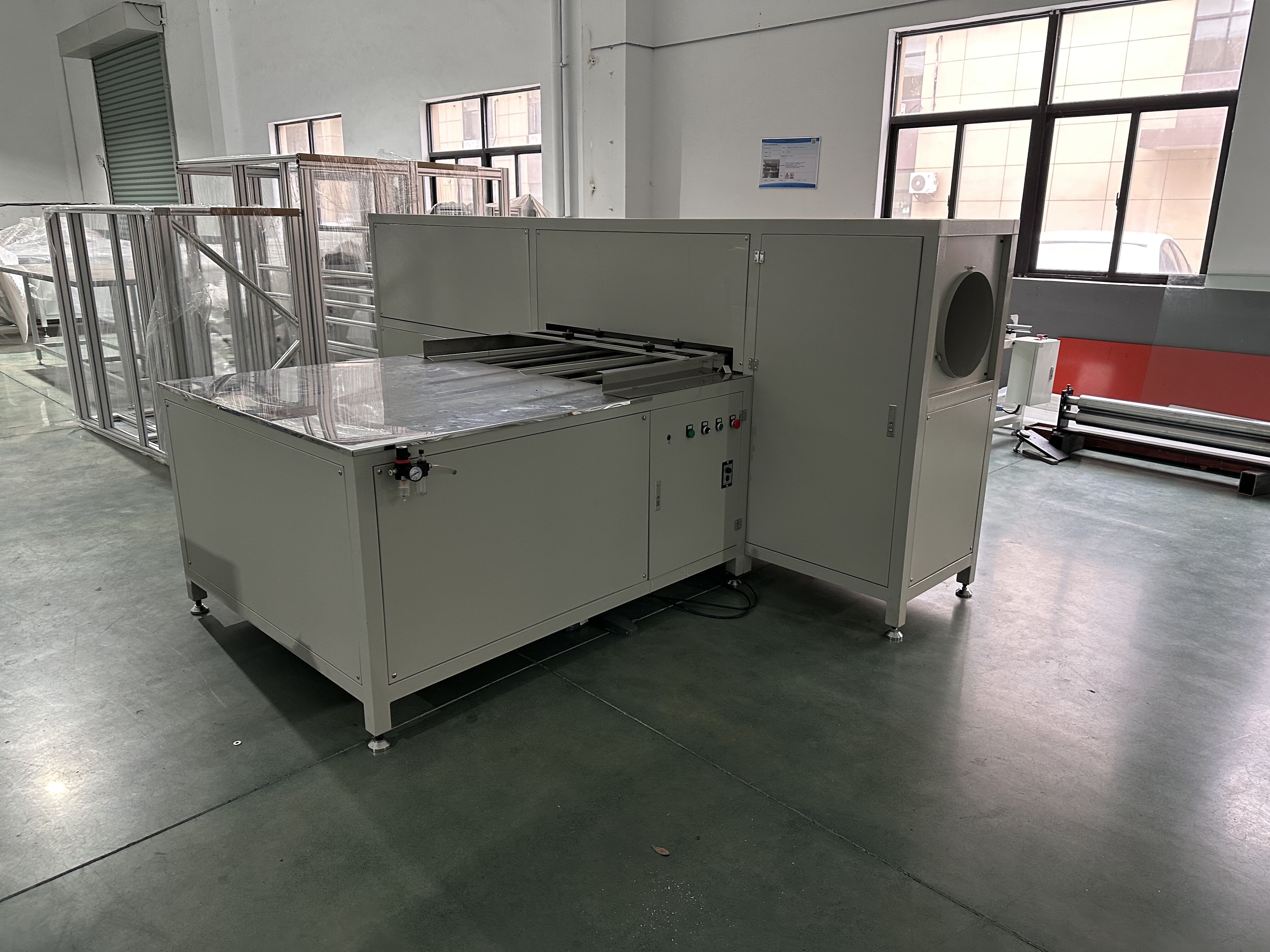
Selecting the right manufacturer for an oil filter production line is one of the most consequential decisions a filtration business can make. Whether you are launching a new manufacturing facility, upgrading aging equipment, or scaling up to meet rising demand, the quality of your production line directly determines your output consistency, operational efficiency, and long-term profitability. A poorly chosen supplier can leave you with equipment that underperforms, breaks down frequently, or fails to meet regulatory and quality standards — setbacks that ripple across your entire supply chain.
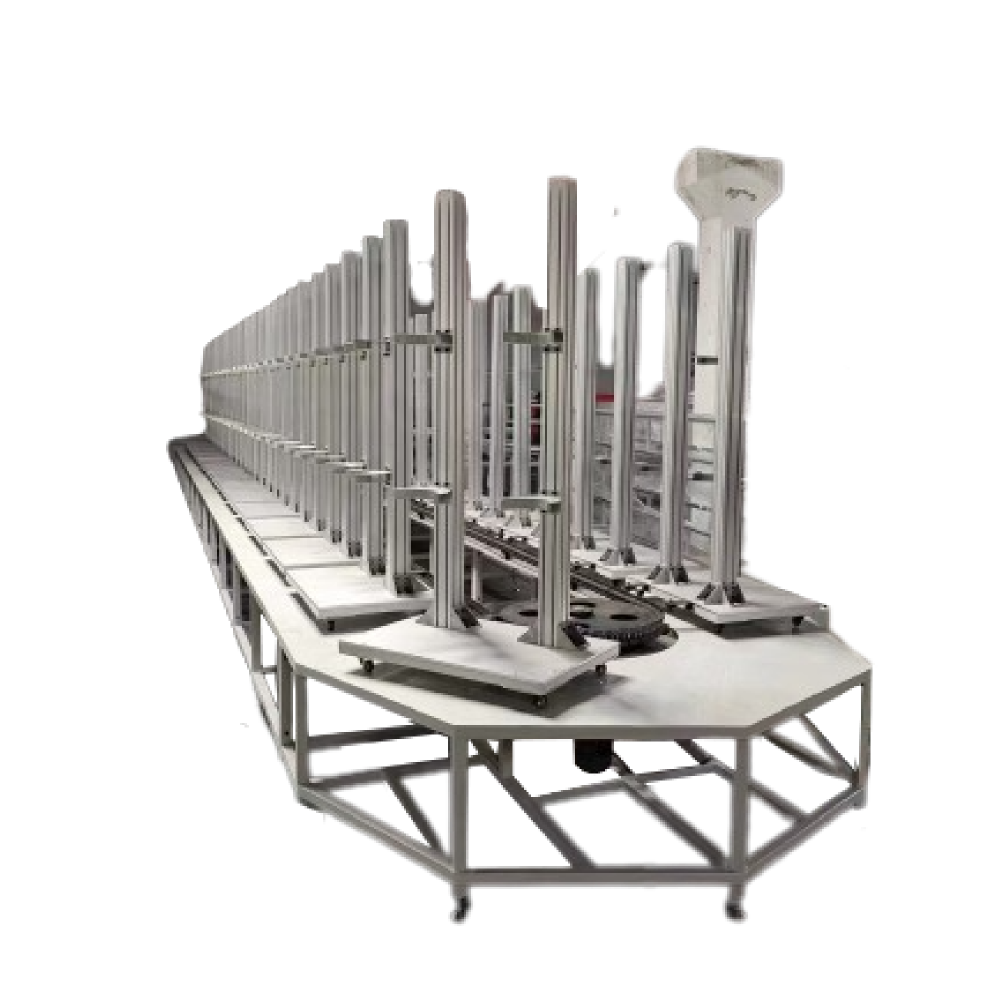
The global market for filtration equipment is expanding rapidly, and with that growth comes a flood of manufacturers offering oil filter production line solutions at varying price points and quality levels. This article is designed to give procurement managers, plant engineers, and business owners a clear and practical framework for evaluating manufacturers — one that goes beyond surface-level claims and helps you identify partners who can genuinely support your production goals over the long term.
Understanding What an Oil Filter Production Line Actually Involves
Core Components and Process Stages
An oil filter production line is not a single machine but a coordinated system of equipment that performs a sequence of manufacturing steps. Typically, these steps include raw material feeding, filter media forming, end cap assembly, sealing, pressure testing, and final packaging. Each stage must be precisely aligned to ensure that every finished filter meets dimensional accuracy and functional performance standards.
The complexity of an oil filter production line means that a manufacturer must have in-depth knowledge of not just individual machines, but also how those machines interact within a synchronized workflow. Bottlenecks at any single stage can reduce overall output and compromise product quality. When evaluating a manufacturer, you need to assess whether they understand this systems-level thinking or whether they simply assemble individual components without optimizing the overall line.
A well-engineered oil filter production line also accommodates different filter types and sizes without requiring extensive downtime for changeovers. This flexibility is increasingly important as manufacturers serve diverse OEM and aftermarket clients who may require different filter specifications within the same production facility.
Automation Levels and Their Impact on Reliability
Modern oil filter production line equipment ranges from semi-automatic configurations to fully automated systems with PLC controls and real-time monitoring capabilities. The level of automation you require depends on your production volume targets, labor cost considerations, and quality consistency requirements. A reliable manufacturer should be able to advise you on the appropriate automation level rather than simply pushing the most expensive option.
Fully automated lines reduce human error and increase throughput, but they also require more sophisticated maintenance protocols and technically trained operators. Semi-automatic lines may be more appropriate for smaller operations or those producing highly customized filter types where operator judgment adds value. Understanding this balance is something a knowledgeable oil filter production line manufacturer should help you navigate from the very first conversation.
Key Criteria for Evaluating Manufacturer Reliability
Engineering Capability and Technical Depth
One of the most telling indicators of a reliable oil filter production line manufacturer is their engineering team's depth of expertise. Ask whether the manufacturer has dedicated mechanical and electrical engineers on staff, whether they design their own equipment or assemble third-party components, and whether they can provide customization based on your specific filter specifications. Companies that merely resell or repackage generic equipment often lack the technical capability to troubleshoot problems or adapt their systems to your unique requirements.
Request technical documentation, including machine drawings, component specifications, and control system diagrams. A manufacturer confident in their engineering will provide this without hesitation. If a supplier is reluctant to share detailed technical information before a purchase decision, that reluctance often reflects limitations in their design capabilities — a warning sign when you are investing in a complex oil filter production line.
Look also for evidence of research and development investment. Manufacturers who continuously improve their oil filter production line designs are more likely to offer you equipment that reflects the latest efficiency and reliability standards. Stagnant product lines often indicate a company that is coasting on past designs rather than innovating to meet evolving industry demands.
Manufacturing Quality Standards and Certifications
Quality certifications are not merely paper formalities — they reflect systematic processes that a manufacturer has built into their operations. ISO 9001 certification, for example, indicates that a manufacturer follows documented procedures for quality control, corrective actions, and continuous improvement. When a manufacturer of an oil filter production line holds recognized certifications, you have greater assurance that the equipment leaving their factory meets consistent standards.
Beyond certifications, examine the manufacturer's quality inspection protocols for the oil filter production line systems they produce. Do they perform pre-delivery testing? Do they document test results and share them with clients? Are there dedicated quality control personnel on the production floor? These operational details often reveal more about actual quality discipline than a certificate alone.
If the manufacturer serves international markets, check whether their equipment complies with CE, UL, or other regional safety standards. An oil filter production line that meets international safety and performance standards will also be easier to integrate into facilities that are subject to regulatory oversight, which is increasingly common in industrial manufacturing environments worldwide.
Track Record and Industry Experience
Experience in the filtration equipment industry is a significant differentiator. A manufacturer with years of experience delivering oil filter production line systems has encountered and resolved the kinds of engineering challenges that only emerge during real-world deployment. They have refined their designs based on field feedback and are better equipped to anticipate problems before they occur in your facility.
Ask for references from existing clients who have deployed similar oil filter production line systems. Reliable manufacturers will connect you with satisfied customers who can speak candidly about installation experience, equipment performance, after-sales support quality, and overall satisfaction. If a manufacturer hesitates to provide references, treat that as a significant red flag.
Evaluating After-Sales Support and Long-Term Partnership Potential
Installation, Commissioning, and Training Services
The relationship with a manufacturer does not end when the oil filter production line is delivered to your facility. Installation and commissioning are critical phases where problems are most likely to emerge. A reliable manufacturer provides on-site engineering support during these phases, ensuring that the line is properly assembled, calibrated, and tested before it enters full production.
Operator training is equally essential. Even the best-designed oil filter production line will underperform if the people running it do not understand its operating parameters, maintenance schedules, and troubleshooting procedures. A manufacturer who invests in thorough training programs is demonstrating a long-term commitment to your operational success, not just a transactional interest in the initial sale.
Evaluate whether the manufacturer offers remote support capabilities, including video-assisted diagnostics and software updates for PLC-controlled systems. In an era where on-site visits may be delayed or impractical, remote support capability for your oil filter production line can dramatically reduce costly downtime when issues arise.
Spare Parts Availability and Maintenance Programs
The long-term operational cost of an oil filter production line is heavily influenced by the availability and pricing of spare parts. A manufacturer who stocks critical spare components and can dispatch them quickly minimizes your exposure to extended production halts. Ask specifically about lead times for wear parts, consumable components, and critical mechanical assemblies.
Some manufacturers offer preventive maintenance programs or service contracts for their oil filter production line systems. These programs can be valuable for operations that lack in-house maintenance expertise or that need to meet strict uptime commitments. Understand what is included in these contracts, how response times are guaranteed, and whether the manufacturer can service your equipment locally or only remotely.
An often-overlooked consideration is the manufacturer's long-term business continuity. A company that has been supplying oil filter production line equipment for many years and has a stable financial standing is far more likely to support your equipment years down the road than a newer entrant whose long-term viability is uncertain.
Practical Due Diligence Steps Before Signing a Contract
Factory Visits and Equipment Demonstrations
Whenever feasible, a direct factory visit is one of the most effective due diligence steps you can take before committing to an oil filter production line purchase. A factory tour reveals the actual scale of the manufacturer's operations, their production capacity, the quality of their own manufacturing processes, and the professionalism of their engineering team. It is far more informative than any brochure or website presentation.
Request a live demonstration of the oil filter production line model you are considering. Observe the machine running at operating speed, producing actual filter components. Evaluate the smoothness of material handling, the precision of assembly operations, and the quality of the finished products coming off the line. A confident manufacturer will welcome this level of scrutiny.
During your visit, engage directly with the engineering and technical staff rather than limiting your interactions to sales representatives. Technical conversations reveal the manufacturer's true depth of knowledge and their ability to understand and respond to your specific production challenges. A oil filter production line investment of this scale deserves that level of direct technical engagement.
Contractual Terms, Warranties, and Acceptance Testing
Before finalizing your purchase, carefully review the contractual terms related to delivery timelines, equipment performance guarantees, and warranty coverage. A reliable manufacturer of an oil filter production line will offer clearly defined performance specifications in writing, with documented acceptance testing procedures that must be met before final payment is released.
Warranty terms are a direct reflection of the manufacturer's confidence in their equipment. Understand exactly what is covered, for how long, and under what conditions warranty claims can be made. Pay attention to clauses that may void the warranty, such as unauthorized modifications or use of non-approved spare parts, and ensure that these conditions are reasonable and clearly communicated before you sign.
Acceptance testing protocols should specify the performance benchmarks your oil filter production line must achieve before it is considered delivered and operational. These benchmarks should include output capacity, defect rates, cycle times, and energy consumption figures. Having these metrics written into the contract protects you from receiving equipment that technically functions but does not meet your actual production requirements.
FAQ
What is the typical lead time for an oil filter production line?
Lead times for an oil filter production line vary depending on the complexity of the system, the level of customization required, and the manufacturer's current production schedule. Standard configurations typically require between 60 and 120 days from order confirmation to delivery. Highly customized systems may take longer. Always confirm lead time commitments in writing and build buffer time into your project planning to account for potential delays.
How do I know if a manufacturer can handle custom filter specifications?
The best way to assess customization capability is to provide the manufacturer with your specific filter dimensions, material requirements, and production volume targets and ask them to propose a solution. A capable oil filter production line manufacturer will respond with a technically detailed proposal that demonstrates understanding of your requirements. Vague or generic responses suggest limited customization ability.
What factors most affect the long-term reliability of an oil filter production line?
Long-term reliability of an oil filter production line is influenced by the quality of core mechanical and electrical components, the robustness of the control system, the availability of spare parts, and the quality of operator training and preventive maintenance programs. Choosing a manufacturer who uses well-known industrial-grade components and provides comprehensive maintenance documentation significantly reduces the risk of premature equipment failure.
Is it necessary to visit the manufacturer's factory before purchasing?
While not always mandatory, a factory visit is strongly recommended for significant oil filter production line investments. It allows you to verify the manufacturer's claimed capabilities, observe their quality control processes firsthand, and build direct relationships with the engineering team who will support your equipment. If an in-person visit is not feasible, a live video tour combined with detailed technical documentation review is the next best alternative.