
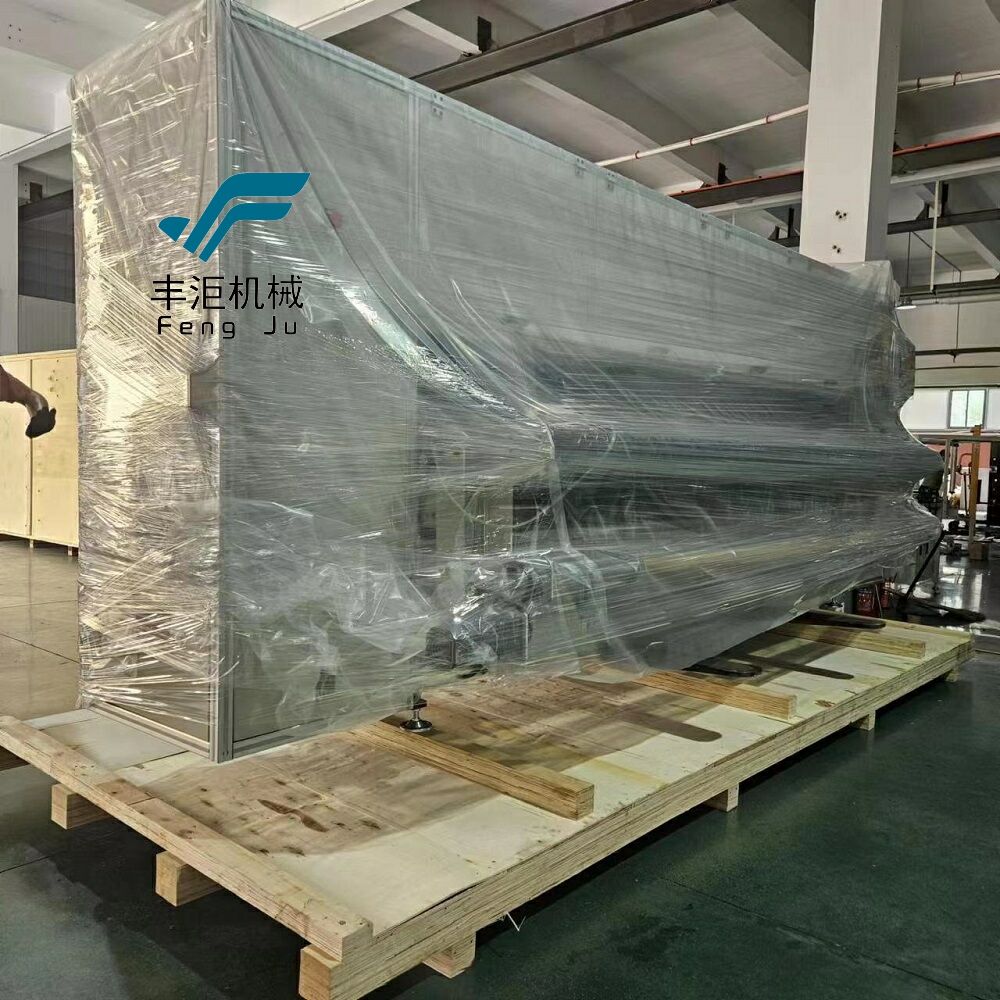
Manufacturing industries worldwide rely on specialized equipment to create precise folded patterns in paper materials, with paper pleating machine technology serving as the backbone for numerous critical applications. These sophisticated systems transform flat paper sheets into accordion-style pleated structures through automated processes that ensure consistent fold angles, spacing, and dimensional accuracy. The versatility of modern paper pleating machine solutions has revolutionized production capabilities across multiple sectors, from air filtration systems to architectural applications and beyond.
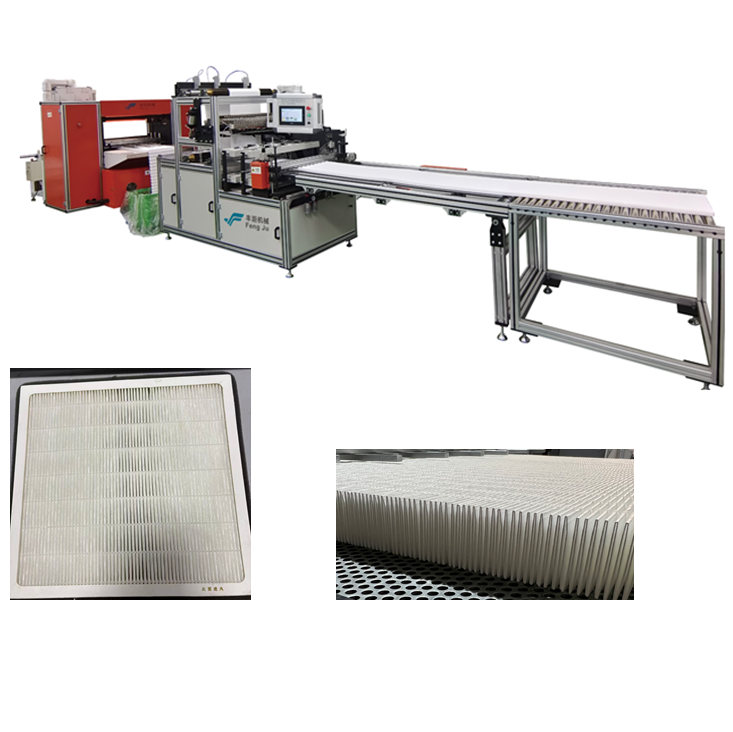
Air Filtration and HVAC Systems
HEPA Filter Manufacturing
High-efficiency particulate air filters represent one of the most demanding applications for paper pleating machine technology. HEPA filter production requires extraordinary precision in fold geometry to maximize surface area while maintaining optimal airflow resistance. Modern paper pleating machine systems create thousands of uniform pleats per linear meter, enabling filter media to achieve the necessary surface area for capturing particles as small as 0.3 microns with 99.97% efficiency. The pleating process must maintain exact spacing and depth to ensure proper filter performance throughout the product lifecycle.
Manufacturing facilities producing HEPA filters for cleanrooms, pharmaceutical laboratories, and medical equipment depend on advanced paper pleating machine capabilities to meet stringent regulatory requirements. The pleating process directly impacts filter efficiency, pressure drop characteristics, and dust holding capacity. Consistent fold patterns prevent bypass leakage and ensure uniform air distribution across the entire filter surface. Quality control systems integrated into modern pleating equipment monitor fold angles and spacing in real-time to maintain compliance with international standards.
Automotive Air Filter Production
Automotive air filtration systems require specialized pleating configurations optimized for engine compartment constraints and performance specifications. Paper pleating machine technology adapted for automotive applications creates compact filter designs that maximize filtration surface area within limited space envelopes. Engine air filters, cabin air filters, and fuel filtration systems all rely on precisely pleated media to achieve target performance metrics while maintaining cost-effectiveness in high-volume production environments.
The automotive industry demands rapid production cycles and consistent quality standards that paper pleating machine systems must accommodate through automated processing capabilities. Advanced control systems enable quick changeover between different pleat configurations for various vehicle models and engine specifications. Real-time monitoring ensures each filter meets dimensional tolerances and performance requirements before packaging and distribution to assembly facilities worldwide.
Industrial Filtration Applications
Gas Turbine Filtration Systems
Power generation facilities utilizing gas turbine technology require ultra-high-performance air filtration systems to protect expensive turbine components from particulate contamination. Paper pleating machine equipment designed for gas turbine applications creates specialized pleat geometries that withstand extreme operating conditions including high temperatures, pressure differentials, and continuous airflow. The pleating process must achieve precise fold patterns that maintain structural integrity under demanding operational stresses while providing maximum filtration efficiency.
Industrial gas turbine filters processed through specialized paper pleating machine systems incorporate advanced filter media materials capable of withstanding harsh environmental conditions. The pleating configuration directly affects filter lifespan, maintenance intervals, and overall turbine performance. Proper pleat spacing and depth ensure optimal dust loading characteristics and minimize pressure drop increases over the filter service life, reducing energy consumption and maintenance costs for power plant operators.
Compressed Air Filtration
Manufacturing facilities across industries depend on clean compressed air for pneumatic systems, spray finishing operations, and product quality control processes. Paper pleating machine technology enables production of high-efficiency compressed air filters that remove oil aerosols, water vapor, and solid contaminants from compressed air streams. The pleating process creates optimal surface area configurations that achieve target filtration efficiency while maintaining acceptable pressure drop characteristics for various compressed air applications.
Specialized paper pleating machine configurations accommodate different filter media types including synthetic fibers, glass microfibers, and composite materials designed for specific compressed air quality requirements. The precision pleating process ensures consistent fold geometry that maximizes contaminant holding capacity while maintaining structural stability under varying pressure conditions and temperature fluctuations common in industrial compressed air systems.
Commercial Building HVAC Applications
Office Building Air Filtration
Modern commercial buildings require sophisticated air filtration systems to maintain indoor air quality standards for occupant health and comfort. Paper pleating machine technology produces filters designed for large-scale HVAC systems that process thousands of cubic feet of air per minute while maintaining energy efficiency. The pleating process creates optimal surface area ratios that balance filtration performance with airflow resistance to minimize energy consumption in building mechanical systems.
Commercial HVAC filters manufactured using advanced paper pleating machine systems incorporate design features that extend service intervals and reduce maintenance costs for building operators. Proper pleat geometry ensures uniform air distribution and prevents bypass around filter edges that could compromise indoor air quality. The manufacturing process must accommodate high-volume production requirements while maintaining consistent quality standards for filters installed in office buildings, shopping centers, and institutional facilities.
Hospital and Healthcare Filtration
Healthcare facilities require the highest levels of air filtration performance to protect patients, staff, and visitors from airborne contaminants and infectious agents. Paper pleating machine technology designed for medical applications creates ultra-high-efficiency filters that exceed standard commercial filtration requirements. The pleating process must achieve exceptional precision to ensure filters meet stringent healthcare regulations and maintain sterile environments in operating rooms, patient care areas, and pharmaceutical manufacturing spaces.
Medical-grade filters produced through specialized paper pleating machine processes incorporate antimicrobial treatments and advanced filter media materials that provide superior contaminant removal efficiency. The pleating configuration must withstand frequent air pressure fluctuations and maintain structural integrity throughout extended service periods. Quality control systems ensure each filter meets medical facility requirements for particle removal efficiency, biocontainment, and regulatory compliance.
Specialty Applications and Emerging Markets
Electronics Manufacturing Clean Rooms
Semiconductor manufacturing and electronics assembly operations require ultra-clean environments where even microscopic contaminants can compromise product quality and yield rates. Paper pleating machine technology adapted for cleanroom applications produces filters capable of maintaining ISO Class 1 and Class 10 cleanliness levels through advanced pleating configurations. The manufacturing process must achieve extraordinary precision in fold geometry to ensure filters provide consistent performance in controlled environments where product quality depends on contamination control.
Electronics industry filtration systems utilize paper pleating machine capabilities to create specialized filter designs that address unique challenges including electrostatic discharge prevention, chemical vapor removal, and molecular contamination control. The pleating process incorporates advanced materials and surface treatments that provide superior performance in high-technology manufacturing environments where traditional filtration approaches prove inadequate.
Food and Beverage Processing
Food processing facilities require air filtration systems that maintain sanitary conditions while accommodating high humidity, temperature variations, and cleaning chemical exposures. Paper pleating machine technology designed for food industry applications creates filters with enhanced moisture resistance and antimicrobial properties that prevent bacterial growth and maintain hygienic processing environments. The pleating process must accommodate specialized filter media materials that comply with food safety regulations and withstand frequent washdown procedures.
Beverage production facilities utilize paper pleating machine systems to manufacture filters for both air filtration and liquid processing applications. The versatile pleating technology enables production of filters designed for sterile air systems, ingredient processing, and final product filtration. Advanced automation capabilities ensure consistent quality and traceability requirements essential for food safety compliance and regulatory documentation.
Advantages of Modern Paper Pleating Machine Technology
Precision and Consistency
Contemporary paper pleating machine systems incorporate advanced servo motor controls, laser measurement systems, and computer-aided process monitoring to achieve unprecedented precision in fold geometry and spacing. These technological improvements enable manufacturers to produce filters with consistent performance characteristics that meet increasingly stringent quality requirements across diverse applications. Real-time process monitoring ensures every pleat meets dimensional specifications and maintains proper fold angles throughout the production run.
Quality control integration within modern paper pleating machine designs enables immediate detection and correction of process variations that could affect filter performance. Advanced sensor systems monitor pleat depth, spacing uniformity, and material tension to ensure optimal fold formation. Statistical process control capabilities track production metrics and identify trends that help optimize machine settings for maximum efficiency and product quality.
Production Efficiency and Automation
Latest generation paper pleating machine technology incorporates high-speed processing capabilities that significantly increase production throughput while maintaining quality standards. Automated material handling systems, quick-change tooling, and programmable control systems enable rapid production changeovers between different filter specifications. These efficiency improvements help manufacturers meet growing demand for high-performance filtration products while controlling production costs and delivery schedules.
Integration of Industry 4.0 technologies into paper pleating machine systems enables predictive maintenance, remote monitoring, and data analytics capabilities that optimize overall equipment effectiveness. Smart manufacturing features provide real-time production insights and enable proactive maintenance scheduling to minimize downtime and maximize productivity. These technological advances position manufacturers to respond quickly to changing market demands and maintain competitive advantages in global filtration markets.
FAQ
What types of materials can be processed using paper pleating machine equipment
Paper pleating machine systems can accommodate a wide variety of filter media materials including cellulose paper, synthetic fiber mats, glass microfiber media, PTFE membranes, and composite filter materials. The choice of material depends on the specific application requirements such as temperature resistance, chemical compatibility, and filtration efficiency targets. Advanced pleating equipment includes adjustable tension controls and specialized tooling to handle different material properties and thicknesses effectively.
How do paper pleating machine systems ensure consistent pleat quality across long production runs
Modern paper pleating machine technology incorporates multiple quality control systems including laser measurement devices, tension monitoring sensors, and automated inspection cameras that continuously verify pleat dimensions and fold quality. Servo-controlled drive systems maintain precise material feed rates and folding pressures throughout production runs. Real-time process adjustments ensure consistent pleat spacing and depth even when processing different material lots or environmental conditions change during extended manufacturing periods.
What maintenance requirements are associated with paper pleating machine operation
Regular maintenance for paper pleating machine systems includes daily cleaning of fold forming tools, weekly lubrication of drive components, and periodic calibration of measurement and control systems. Preventive maintenance schedules typically include monthly inspection of wear components, quarterly replacement of consumable parts, and annual precision alignment verification. Proper maintenance ensures consistent product quality, maximizes equipment lifespan, and minimizes unexpected downtime that could disrupt production schedules.
How does paper pleating machine technology adapt to different filter design requirements
Contemporary paper pleating machine systems feature programmable control systems that store multiple pleat configuration profiles for different filter applications. Quick-change tooling systems enable rapid transitions between pleat depths, spacing configurations, and fold angles without extensive setup procedures. Advanced equipment includes modular design features that accommodate various filter widths, lengths, and specialized geometric requirements for custom filtration applications across diverse industries and performance specifications.
Table of Contents
- Air Filtration and HVAC Systems
- Industrial Filtration Applications
- Commercial Building HVAC Applications
- Specialty Applications and Emerging Markets
- Advantages of Modern Paper Pleating Machine Technology
-
FAQ
- What types of materials can be processed using paper pleating machine equipment
- How do paper pleating machine systems ensure consistent pleat quality across long production runs
- What maintenance requirements are associated with paper pleating machine operation
- How does paper pleating machine technology adapt to different filter design requirements