
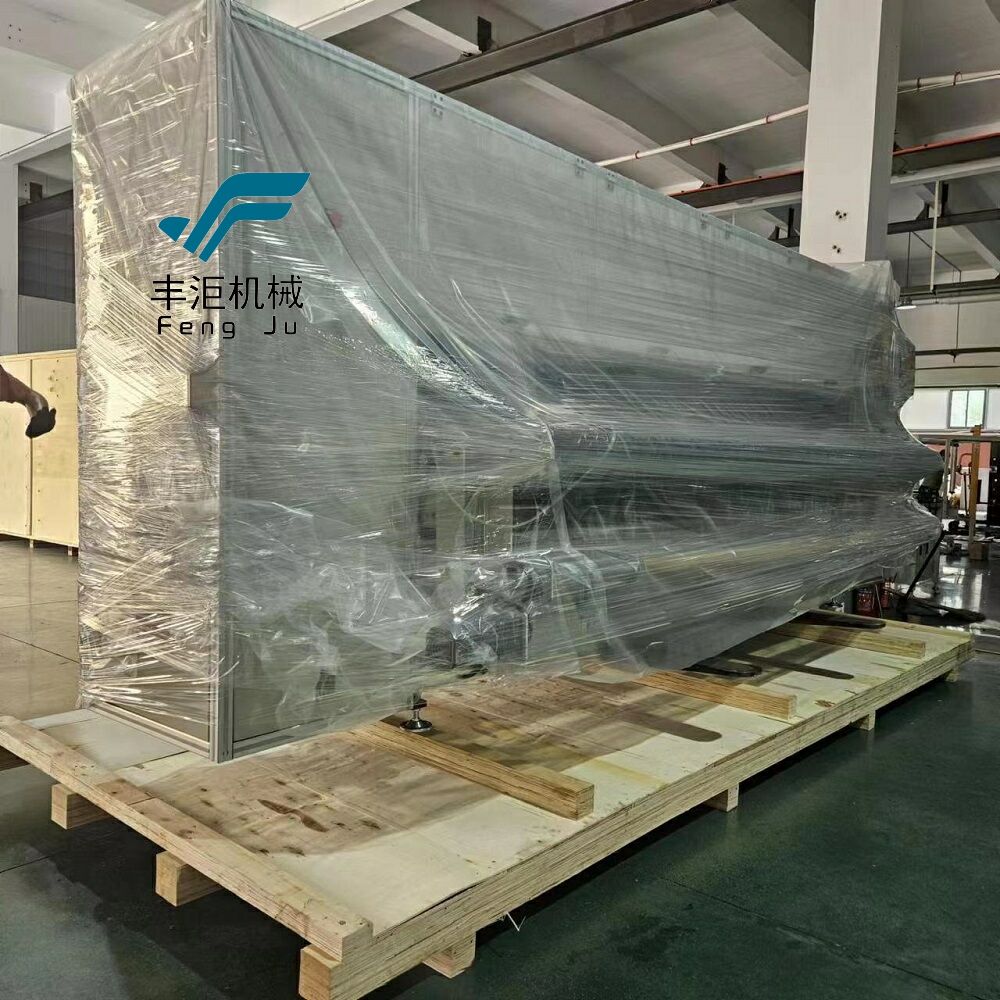
Manufacturing facilities across various industries increasingly rely on specialized equipment to maintain production efficiency and product quality. When it comes to filter production, air purification systems, and industrial applications, selecting the appropriate paper pleating machine represents a critical decision that impacts both operational performance and long-term profitability. Understanding the technical specifications, capacity requirements, and integration capabilities of different paper pleating machine models ensures optimal investment returns while meeting specific production demands.
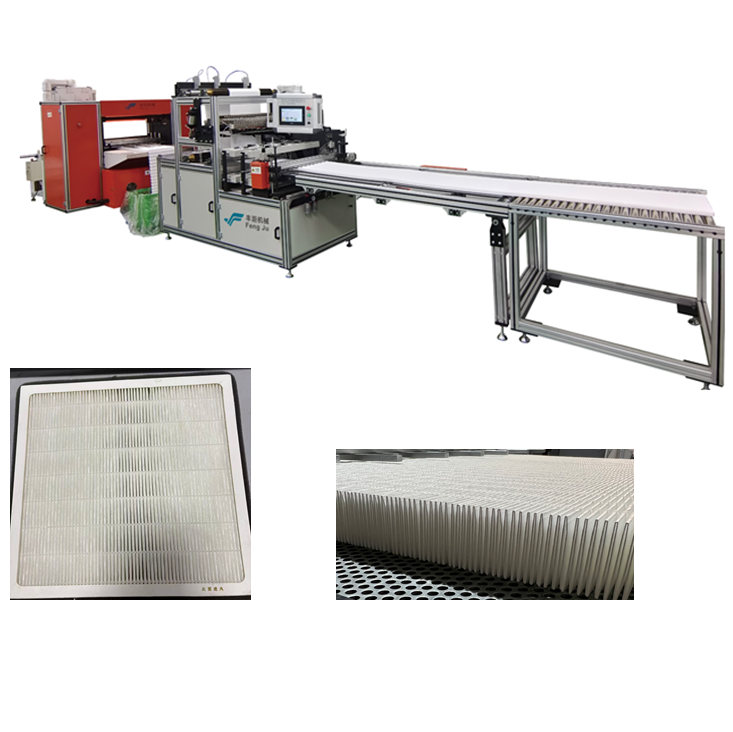
The complexity of modern paper pleating machine technology requires careful evaluation of multiple factors before making a purchasing decision. Factory managers must consider production volume requirements, material compatibility, automation levels, and maintenance considerations to identify the most suitable equipment. Additionally, understanding the specific applications and quality standards within your industry helps narrow down the selection criteria for paper pleating machine options that deliver consistent results.
Understanding Paper Pleating Machine Fundamentals
Core Operating Principles
A paper pleating machine operates through precise mechanical processes that create uniform folds in various paper materials. The fundamental mechanism involves feeding paper through a series of rollers, guides, and forming plates that shape the material into consistent pleated patterns. Modern paper pleating machine designs incorporate advanced control systems that monitor fold depth, spacing, and material tension throughout the production process.
Temperature control plays a crucial role in paper pleating machine operations, as heat activation helps set permanent creases in treated papers. The heating elements must maintain consistent temperatures across the entire working width to ensure uniform pleat formation. Additionally, pressure application systems within the paper pleating machine create the necessary force to establish sharp, durable fold lines that maintain their shape during subsequent processing and end-use applications.
Material Compatibility Considerations
Different paper types require specific paper pleating machine configurations to achieve optimal results. Filter media papers, for instance, demand precise handling to maintain their porous structure while creating the necessary pleated geometry. The paper pleating machine must accommodate varying material thicknesses, from lightweight tissues to heavy-duty industrial papers, without compromising fold quality or production speeds.
Chemical treatments and coatings on specialized papers also influence paper pleating machine selection criteria. Some materials require additional heating zones or modified pressure settings to achieve proper fold formation. Understanding your specific material requirements helps identify paper pleating machine models equipped with the necessary features for consistent processing of your target substrates.
Production Capacity and Efficiency Requirements
Volume Planning Strategies
Determining appropriate production capacity represents a fundamental aspect of paper pleating machine selection. Analyzing current production volumes and projected growth helps establish baseline requirements for equipment capabilities. A paper pleating machine with insufficient capacity creates bottlenecks that limit overall manufacturing efficiency, while oversized equipment results in unnecessary capital expenditure and higher operational costs.
Consider peak production periods and seasonal variations when evaluating paper pleating machine capacity needs. Manufacturing facilities often experience fluctuating demand patterns that require flexible production capabilities. Selecting a paper pleating machine with adjustable speed controls and quick changeover features enables efficient adaptation to varying production requirements while maintaining consistent quality standards.
Speed and Throughput Optimization
Modern paper pleating machine technology offers variable speed capabilities that allow operators to optimize throughput based on material characteristics and quality requirements. Higher processing speeds generally increase productivity but may require more sophisticated control systems to maintain fold consistency. Evaluating the relationship between speed settings and quality outcomes helps determine optimal operating parameters for your specific applications.
Integration with upstream and downstream equipment also influences paper pleating machine speed requirements. Coordinating processing speeds across the entire production line prevents material accumulation and ensures smooth workflow continuity. Advanced paper pleating machine models feature communication protocols that enable synchronized operation with other manufacturing equipment for enhanced overall efficiency.
Technical Specifications and Quality Standards
Precision and Consistency Metrics
Quality control parameters for paper pleating machine operations include fold depth accuracy, spacing consistency, and overall dimensional stability. Industry standards typically specify tolerance ranges for these critical measurements, requiring equipment capable of maintaining tight process control. A high-quality paper pleating machine incorporates monitoring systems that track these parameters continuously and provide real-time feedback for process adjustments.
Measurement systems within advanced paper pleating machine designs enable automatic compensation for material variations and environmental factors. These capabilities ensure consistent product quality even when processing different material batches or operating under varying ambient conditions. Regular calibration procedures maintain measurement accuracy and extend equipment reliability over extended operating periods.
Control System Capabilities
Modern paper pleating machine control systems offer programmable settings for different product configurations and material types. Touch-screen interfaces provide intuitive access to operational parameters, enabling operators to make precise adjustments quickly and efficiently. Data logging capabilities within sophisticated paper pleating machine controllers facilitate quality tracking and process optimization over time.
Remote monitoring and diagnostic capabilities enhance paper pleating machine performance through predictive maintenance and troubleshooting support. These features enable technical support teams to identify potential issues before they impact production and provide guidance for optimal equipment operation. Integration with factory management systems allows centralized monitoring of multiple paper pleating machine units across manufacturing facilities.
Installation and Integration Considerations
Space Requirements and Layout Planning
Proper paper pleating machine installation requires careful consideration of floor space, ceiling height, and accessibility requirements. Equipment dimensions, including material feed and discharge areas, determine the minimum space allocation needed for efficient operation. Additionally, maintenance access points around the paper pleating machine must remain clear to facilitate routine service procedures and component replacements.
Utility connections for electrical power, compressed air, and heating systems require strategic planning during paper pleating machine installation. Power requirements vary significantly between different models, with larger units often requiring three-phase electrical connections and dedicated circuit protection. Proper utility infrastructure ensures reliable paper pleating machine operation while meeting safety regulations and operational efficiency standards.
Workflow Integration Strategies
Integrating a paper pleating machine into existing production workflows requires coordination with material handling systems and quality control processes. Upstream equipment must deliver materials at appropriate speeds and tensions to maintain consistent paper pleating machine performance. Similarly, downstream processes must accommodate the specific characteristics of pleated materials to prevent damage or deformation.
Automated material handling systems enhance paper pleating machine integration by reducing manual intervention and improving production consistency. Conveyor systems, material accumulators, and cutting equipment can be synchronized with paper pleating machine operations to create seamless production lines. This integration approach maximizes equipment utilization while minimizing labor requirements and potential quality variations.
Maintenance and Support Infrastructure
Preventive Maintenance Protocols
Establishing comprehensive maintenance schedules ensures optimal paper pleating machine performance and extends equipment lifespan. Regular inspection procedures identify wear patterns and potential issues before they result in costly breakdowns or quality problems. Maintenance protocols should address lubrication requirements, component alignments, and heating system calibration to maintain consistent paper pleating machine operation.
Spare parts inventory management represents a critical aspect of paper pleating machine maintenance planning. Identifying critical components and establishing appropriate stock levels prevents extended downtime during repairs. Supplier relationships and parts availability should be evaluated during the paper pleating machine selection process to ensure long-term support capabilities.
Technical Support and Training
Comprehensive operator training programs maximize paper pleating machine productivity while minimizing operational errors and safety risks. Training should cover routine operations, troubleshooting procedures, and quality control techniques specific to your applications. Ongoing education updates ensure operators remain current with equipment capabilities and best practices for paper pleating machine operation.
Technical support availability and response times significantly impact paper pleating machine reliability and production continuity. Evaluating manufacturer support capabilities, including remote diagnostic services and field service coverage, helps ensure prompt resolution of technical issues. Establishing clear support protocols and communication channels facilitates efficient problem resolution when assistance is required.
Cost Analysis and Return on Investment
Total Cost of Ownership Evaluation
Paper pleating machine investment decisions require comprehensive cost analysis beyond initial purchase prices. Operating expenses, including energy consumption, maintenance costs, and operator labor, contribute significantly to total ownership costs over equipment lifespan. Comparing these factors across different paper pleating machine options provides insight into long-term financial implications of equipment selection decisions.
Productivity improvements and quality enhancements achieved through advanced paper pleating machine technology often justify higher initial investments. Reduced waste rates, improved processing speeds, and enhanced product consistency contribute to operational savings that offset equipment costs. Calculating return on investment periods helps evaluate the financial benefits of different paper pleating machine alternatives.
Financing and Budget Planning
Various financing options enable manufacturers to acquire paper pleating machine equipment while managing cash flow effectively. Lease arrangements, equipment financing programs, and rental options provide alternatives to outright purchase for facilities with budget constraints. Evaluating these alternatives helps identify the most appropriate acquisition method for your specific financial situation.
Budget planning for paper pleating machine acquisition should include installation costs, training expenses, and initial spare parts inventory. These additional expenses often represent significant portions of total project costs and require careful consideration during financial planning. Comprehensive budget development ensures adequate funding availability for successful paper pleating machine implementation.
FAQ
What production volume range requires industrial paper pleating machine equipment
Industrial paper pleating machine equipment typically becomes cost-effective for production volumes exceeding 10,000 linear feet per day. Facilities producing smaller volumes may benefit from semi-automatic models, while high-volume operations requiring 100,000+ linear feet daily need fully automated systems. The specific volume threshold depends on material costs, labor rates, and quality requirements for your applications.
How do material thickness variations affect paper pleating machine selection
Material thickness significantly influences paper pleating machine design requirements, particularly for pressure settings and heating zones. Standard equipment typically handles materials from 0.1mm to 2.0mm thickness, while specialized applications may require custom configurations. Facilities processing multiple material thicknesses should select paper pleating machine models with adjustable parameters and quick changeover capabilities.
What safety considerations apply to paper pleating machine operations
Paper pleating machine safety requirements include emergency stops, guard systems, and operator training protocols. Heating elements pose burn risks requiring protective barriers and temperature monitoring systems. Additionally, material handling areas need appropriate safety measures to prevent injuries during loading and unloading operations. Regular safety audits ensure ongoing compliance with workplace safety regulations.
How long does typical paper pleating machine installation take
Standard paper pleating machine installation requires approximately 2-4 weeks from delivery to full production capability. This timeline includes mechanical installation, utility connections, calibration procedures, and operator training. Complex installations with extensive automation or integration requirements may extend installation periods to 6-8 weeks. Proper planning and site preparation minimize installation time and ensure smooth project completion.