
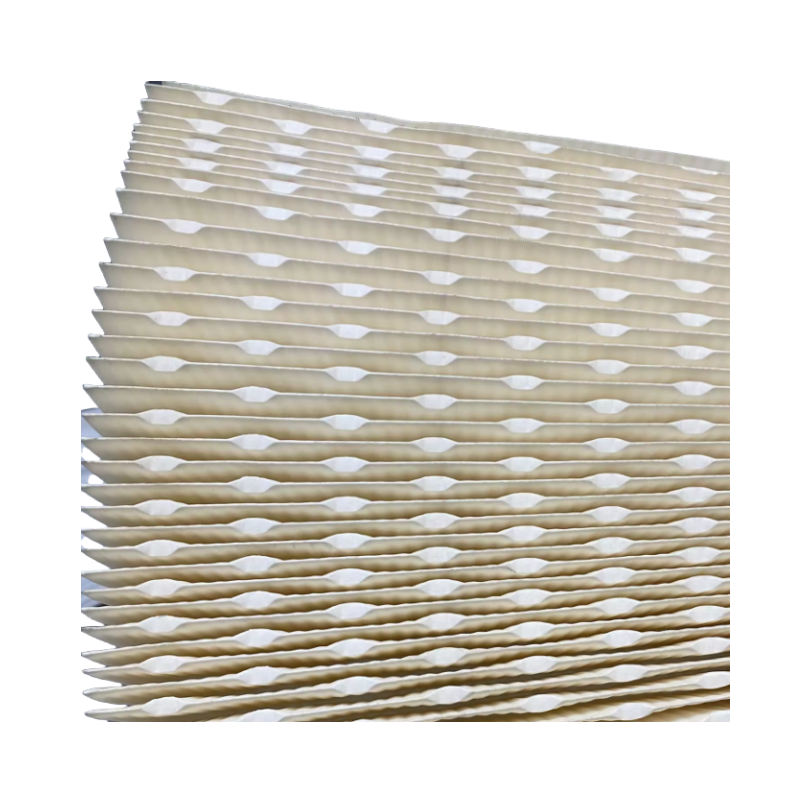
The manufacturing industry continues to evolve with technological advancements, and nowhere is this more evident than in the selection of specialized equipment like pleating machines. Whether you're producing air filters, automotive components, or textile applications, choosing the right pleating machine can significantly impact your production efficiency, product quality, and overall profitability. Understanding the fundamental differences between manual and automatic pleating machines is crucial for making an informed investment decision that aligns with your operational requirements and business goals.
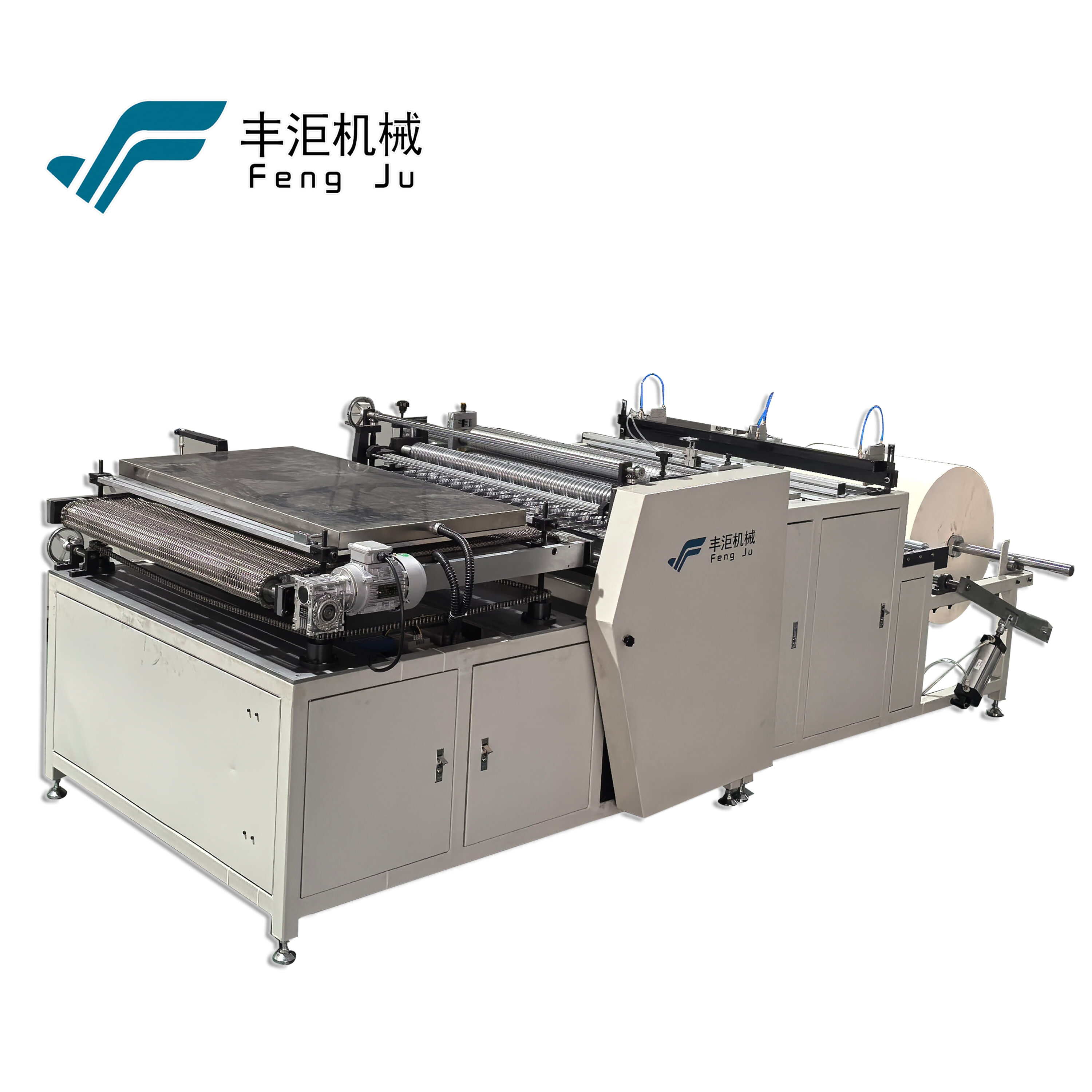
Understanding Pleating Machine Technology
Manual Pleating Machine Fundamentals
Manual pleating machines represent the traditional approach to filter and material pleating operations. These systems require significant operator intervention and skill to achieve consistent results. The operator controls the feeding mechanism, pleat formation, and quality inspection throughout the production process. Manual pleating machine systems typically feature adjustable guides, hand-operated folding mechanisms, and basic measurement tools to ensure proper pleat spacing and depth.
The learning curve for operating a manual pleating machine can be substantial, requiring experienced technicians who understand material behavior, tension control, and quality standards. However, these systems offer exceptional flexibility for small batch production, prototype development, and specialized applications where customization is paramount. Manual systems also provide immediate feedback to operators, allowing for real-time adjustments and quality corrections.
Automatic Pleating Machine Capabilities
Automatic pleating machine technology incorporates advanced control systems, servo motors, and precision sensors to deliver consistent, high-speed production with minimal operator intervention. These sophisticated systems can maintain precise pleat dimensions, spacing, and material tension automatically throughout extended production runs. Modern automatic pleating machines often feature programmable logic controllers, touch screen interfaces, and integrated quality monitoring systems.
The automation level in these systems extends beyond basic pleating operations to include material feeding, cutting, adhesive application, and final product handling. Advanced automatic pleating machine models can store multiple production recipes, automatically adjust for different materials, and provide detailed production reports for quality management and traceability purposes.
Production Volume Considerations
Low to Medium Volume Requirements
For manufacturers processing fewer than 1000 units per day, a manual pleating machine often provides the most cost-effective solution. The lower initial investment allows companies to enter the pleating market without significant capital expenditure. Manual systems excel in environments where production requirements vary frequently, such as custom filter manufacturing or prototype development facilities.
The flexibility inherent in manual pleating machine operation makes them ideal for job shops and contract manufacturers who handle diverse customer requirements. Operators can quickly adjust pleat specifications, accommodate different material types, and switch between products without extensive setup procedures. This adaptability often compensates for the slower production speeds typical of manual systems.
High Volume Production Demands
High-volume manufacturers processing thousands of units daily typically benefit from automatic pleating machine investments. The consistent production speeds, reduced labor requirements, and improved quality control capabilities justify the higher capital investment. Automatic systems can operate continuously with minimal supervision, maximizing equipment utilization and minimizing per-unit production costs.
The scalability of automatic pleating machine systems allows manufacturers to increase production capacity by adding shifts or parallel production lines. Advanced models can integrate with upstream and downstream equipment to create fully automated production cells, further enhancing efficiency and reducing handling costs.
Quality Control and Consistency Factors
Manual Quality Management
Quality control in manual pleating machine operations depends heavily on operator skill and attention to detail. Experienced operators can detect and correct quality issues immediately, potentially preventing defective products from progressing through the production process. However, this human-dependent quality system can introduce variability between different operators or shifts.
Manual systems require comprehensive operator training programs and standardized procedures to maintain consistent quality standards. Regular calibration of manual pleating machine components and ongoing operator assessment are essential for maintaining product specifications. Documentation and traceability can be challenging in manual operations without additional quality management systems.
Automated Quality Assurance
Automatic pleating machine systems incorporate sophisticated quality monitoring capabilities that provide consistent, objective quality control. Integrated sensors can monitor pleat dimensions, material tension, and adhesive application in real-time, automatically rejecting defective products and alerting operators to process deviations. This systematic approach eliminates human variability and ensures consistent product quality across all production shifts.
Advanced automatic systems can maintain detailed quality records, track process parameters, and provide statistical process control data for continuous improvement initiatives. The ability to automatically adjust process parameters based on quality feedback creates a self-optimizing production environment that maintains specifications without operator intervention.
Cost Analysis and Return on Investment
Initial Investment Comparison
The capital investment required for a manual pleating machine typically ranges from 20% to 40% of an equivalent automatic system. This lower entry cost makes manual equipment attractive for small manufacturers or companies entering new markets. However, the total cost of ownership analysis must consider ongoing labor costs, productivity differences, and quality-related expenses over the equipment's operational life.
Financing options and equipment leasing programs can help bridge the investment gap between manual and automatic pleating machine systems. Many manufacturers find that the productivity improvements and labor savings from automatic systems can generate positive cash flow that supports the higher initial investment within 12 to 18 months of operation.
Long-term Operating Costs
Labor costs represent the most significant ongoing expense difference between manual and automatic pleating machine operations. Manual systems typically require dedicated operators throughout production shifts, while automatic systems may require only periodic supervision and material handling. The labor cost differential often exceeds the equipment payment difference, making automatic systems more economical for sustained production operations.
Maintenance requirements and spare parts costs also differ significantly between system types. Manual pleating machine maintenance is often straightforward and can be performed by in-house technicians, while automatic systems may require specialized service support and more expensive components. However, the reduced wear from consistent operation in automatic systems can extend component life and reduce overall maintenance frequency.
Operational Flexibility and Adaptability
Product Changeover Requirements
Manual pleating machine systems excel in applications requiring frequent product changes or customization. Operators can quickly adjust pleat specifications, accommodate new materials, and modify production parameters without complex programming or setup procedures. This flexibility makes manual systems ideal for manufacturers serving diverse markets or developing new products.
The simplicity of manual pleating machine operation allows for rapid prototyping and process development. Engineers and operators can experiment with different approaches, test new materials, and validate production concepts without the constraints of programmed automation sequences. This capability is particularly valuable during product development phases or when responding to urgent customer requirements.
Automation Programming and Setup
Modern automatic pleating machine systems offer sophisticated programming capabilities that can store multiple production recipes and automatically adjust for different products. However, initial setup and programming require technical expertise and may involve significant time investment for complex applications. The programming flexibility of automatic systems enables precise control over every aspect of the pleating process once properly configured.
Advanced pleating machine models incorporate adaptive control systems that can automatically optimize process parameters based on material characteristics and quality feedback. This intelligent automation reduces setup time for material changes and can improve overall equipment effectiveness through continuous process optimization.
FAQ
What factors should determine my choice between manual and automatic pleating machines
Your decision should primarily consider production volume requirements, available labor resources, quality specifications, and budget constraints. Manual pleating machine systems work best for low to medium volume production with frequent product changes, while automatic systems excel in high-volume, consistent production environments. Evaluate your total cost of ownership including labor, maintenance, and quality costs over a 5-year period to make an informed decision.
How do training requirements differ between manual and automatic pleating machine operation
Manual pleating machine operation requires extensive hands-on training to develop the skills necessary for consistent quality production. Operators must understand material behavior, tension control, and quality inspection techniques. Automatic system training focuses more on programming, troubleshooting, and maintenance procedures. While automatic systems have a steeper initial learning curve for technical personnel, day-to-day operation requires less specialized skill from production operators.
Can I upgrade from a manual to automatic pleating machine system later
While direct upgrades are typically not possible due to fundamental design differences, many manufacturers start with manual pleating machine systems and add automatic equipment as production volumes increase. The experience gained with manual operations provides valuable insights for specifying automatic systems. Some manufacturers operate both types simultaneously, using manual systems for prototypes and small batches while automatic systems handle high-volume production.
What maintenance differences exist between manual and automatic pleating machine types
Manual pleating machine maintenance typically involves basic mechanical adjustments, lubrication, and wear part replacement that can be performed by in-house technicians. Automatic systems require more sophisticated maintenance including servo motor calibration, sensor cleaning, and software updates. However, automatic systems often feature predictive maintenance capabilities and self-diagnostic functions that can reduce unexpected downtime and extend component life through optimized operation.
Table of Contents
- Understanding Pleating Machine Technology
- Production Volume Considerations
- Quality Control and Consistency Factors
- Cost Analysis and Return on Investment
- Operational Flexibility and Adaptability
-
FAQ
- What factors should determine my choice between manual and automatic pleating machines
- How do training requirements differ between manual and automatic pleating machine operation
- Can I upgrade from a manual to automatic pleating machine system later
- What maintenance differences exist between manual and automatic pleating machine types