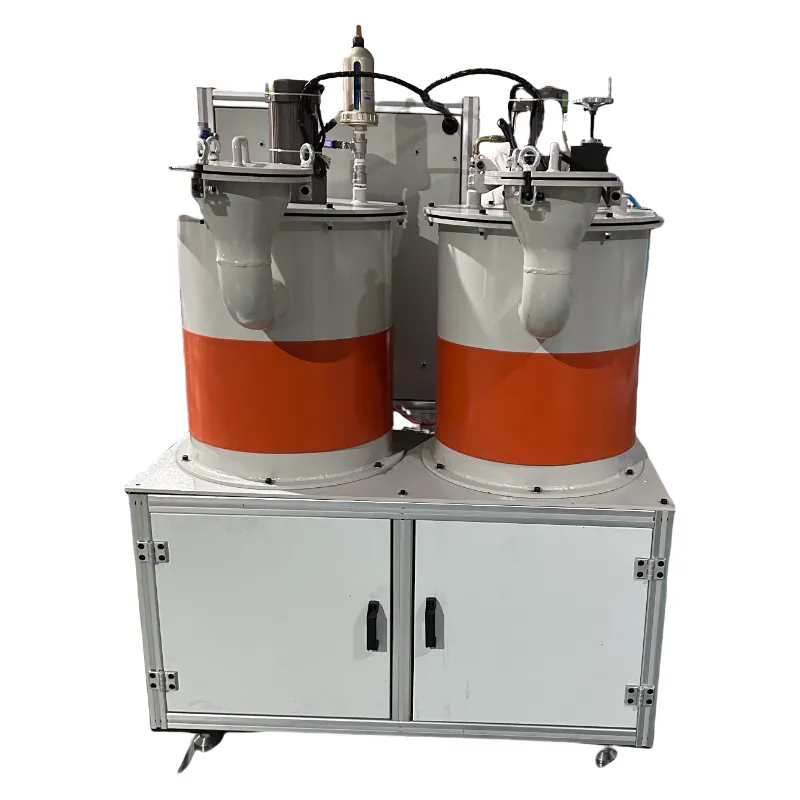
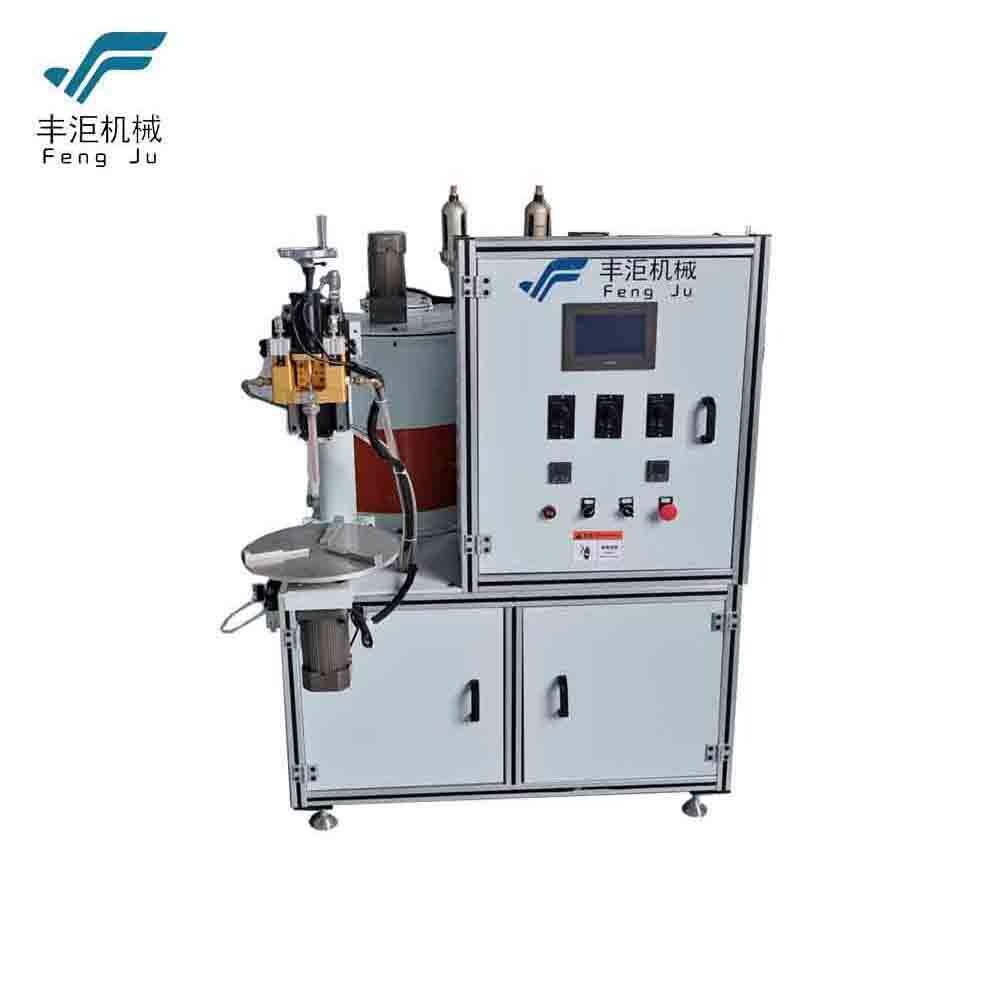
In modern manufacturing environments, precision and efficiency are paramount to maintaining competitive advantage. The glue injection machine has emerged as a transformative solution for industries requiring accurate adhesive application, from automotive components to electronic assemblies. This advanced equipment delivers consistent bonding results while reducing material waste and labor costs, making it an essential investment for manufacturers seeking to optimize their production processes.
Enhanced Production Efficiency and Speed
Automated Application Process
The automated nature of a glue injection machine significantly accelerates production timelines compared to manual adhesive application methods. Modern systems can operate continuously with minimal human intervention, processing hundreds of components per hour while maintaining consistent quality standards. This automation eliminates the variability associated with manual processes, where operator fatigue and technique variations can lead to inconsistent results.
Advanced control systems allow manufacturers to program precise dispensing patterns, volume controls, and timing sequences. These programmable features enable quick changeovers between different products or adhesive types without extensive recalibration. The result is dramatically reduced setup times and increased overall equipment effectiveness across multiple production runs.
Reduced Cycle Times
Injection-based adhesive application typically requires shorter cure times than traditional methods due to the precise control over adhesive volume and placement. The targeted application ensures optimal coverage without excess material that would require additional curing time. This efficiency translates directly to increased throughput and faster time-to-market for finished products.
Integration with existing production lines becomes seamless through standardized interfaces and customizable mounting options. Manufacturers can incorporate these systems into conveyor-based operations, robotic cells, or standalone workstations depending on their specific production requirements and facility constraints.
Superior Precision and Quality Control
Consistent Adhesive Distribution
Precision dispensing represents one of the most significant advantages of modern glue injection machines. These systems deliver exact adhesive volumes with repeatability tolerances often within plus or minus one percent. Such precision eliminates the guesswork associated with manual application and ensures every component receives the optimal amount of adhesive for maximum bonding strength.
The controlled environment within the injection chamber prevents contamination and air bubble formation, which are common issues with traditional dispensing methods. Clean adhesive application results in stronger bonds and improved product reliability, particularly critical in applications where joint failure could have safety implications or costly warranty claims.
Customizable Application Patterns
Modern systems offer sophisticated pattern programming capabilities, allowing operators to create complex adhesive layouts tailored to specific component geometries. Whether applying continuous beads, dots, or intricate patterns, the glue injection machine maintains precise control over placement and volume throughout the entire application cycle.
Real-time monitoring systems track application parameters and can automatically adjust for variations in environmental conditions or material properties. This adaptive capability ensures consistent results regardless of temperature fluctuations, humidity changes, or slight variations in component dimensions that might affect adhesive flow characteristics.
Cost Reduction and Material Efficiency
Minimized Adhesive Waste
Traditional adhesive application methods often result in significant material waste due to overapplication, spillage, and cleanup requirements. Glue injection machines virtually eliminate these waste sources through precise metering systems that deliver exactly the required amount of adhesive for each application. This precision typically reduces adhesive consumption by twenty to thirty percent compared to manual methods.
The closed-loop design of most injection systems prevents adhesive exposure to air during application, extending working time and reducing material degradation. This protection is particularly valuable when working with expensive specialty adhesives or two-part systems that have limited pot life once mixed.
Reduced Labor Requirements
Automation significantly reduces the skilled labor requirements for adhesive application operations. A single operator can typically manage multiple glue injection machine units simultaneously, freeing personnel for other value-added activities. This labor efficiency becomes increasingly important as manufacturers face ongoing skilled worker shortages and rising wage costs.
Training requirements are also simplified since operators primarily need to understand system programming and basic maintenance procedures rather than developing the manual dexterity and experience required for consistent hand application. This standardization reduces training time and improves workforce flexibility across different production areas.
Improved Worker Safety and Environment
Reduced Chemical Exposure
Enclosed dispensing systems significantly reduce worker exposure to adhesive vapors and chemicals compared to open application methods. The contained environment protects operators from potentially harmful substances while maintaining the clean working conditions necessary for quality production. This protection is particularly important when working with solvent-based adhesives or reactive chemistries that may pose health risks.
Automated material handling systems further minimize direct contact with adhesives during loading and changeover operations. Many modern systems feature quick-disconnect fittings and sealed cartridge designs that prevent spillage and reduce cleanup requirements when switching between different adhesive types.
Ergonomic Benefits
Repetitive manual adhesive application can lead to worker fatigue and repetitive strain injuries over time. Glue injection machine systems eliminate these ergonomic concerns by automating the physical aspects of adhesive dispensing. Operators can focus on part loading, quality inspection, and system monitoring rather than performing repetitive dispensing motions.
The reduction in physical demands also allows manufacturers to maintain consistent production quality throughout entire shifts without degradation due to operator fatigue. This consistency is particularly valuable in high-volume production environments where small quality variations can compound over thousands of parts.
Scalability and Flexibility Options
Adaptable Production Volumes
Modern glue injection machine designs accommodate varying production requirements through modular configurations and programmable parameters. Manufacturers can easily scale operations up or down based on demand fluctuations without requiring significant equipment changes or investments. This flexibility proves invaluable for companies serving markets with seasonal demand patterns or custom manufacturing requirements.
Multi-head configurations allow simultaneous processing of multiple components or different adhesive types within the same system. This capability maximizes equipment utilization while maintaining the precision and quality benefits of automated dispensing across diverse product lines.
Integration Capabilities
Contemporary systems offer extensive connectivity options for integration with manufacturing execution systems, quality databases, and predictive maintenance platforms. This connectivity enables real-time production monitoring, automatic quality documentation, and proactive maintenance scheduling based on actual usage patterns rather than arbitrary time intervals.
Industry standard communication protocols ensure compatibility with existing factory automation infrastructure, allowing manufacturers to leverage their current investments in control systems and data management platforms. This compatibility reduces implementation costs and accelerates return on investment timelines.
FAQ
How much adhesive waste reduction can I expect with a glue injection machine
Most manufacturers experience adhesive waste reduction of twenty to thirty percent when transitioning from manual application methods to automated glue injection systems. The precise metering capabilities eliminate overapplication while closed-loop designs prevent material degradation and spillage during operation.
What maintenance requirements are typical for these systems
Routine maintenance primarily involves cleaning dispensing components, replacing wear parts like seals and nozzles, and calibrating metering systems. Most manufacturers schedule weekly cleaning cycles and monthly calibration checks, with major component replacement typically required every six to twelve months depending on usage intensity and adhesive types.
Can these machines handle different types of adhesives
Modern glue injection machines accommodate a wide range of adhesive chemistries including single-component systems, two-part epoxies, urethanes, and specialty formulations. Quick-changeover capabilities allow switching between different materials with minimal downtime, though some adhesive types may require specific heating or mixing equipment.
What is the typical return on investment timeline
Return on investment timelines vary based on production volume and current labor costs, but most manufacturers achieve payback within twelve to eighteen months. Higher volume operations with expensive adhesives or significant labor costs often see payback periods of six to nine months through combined material savings and productivity improvements.