
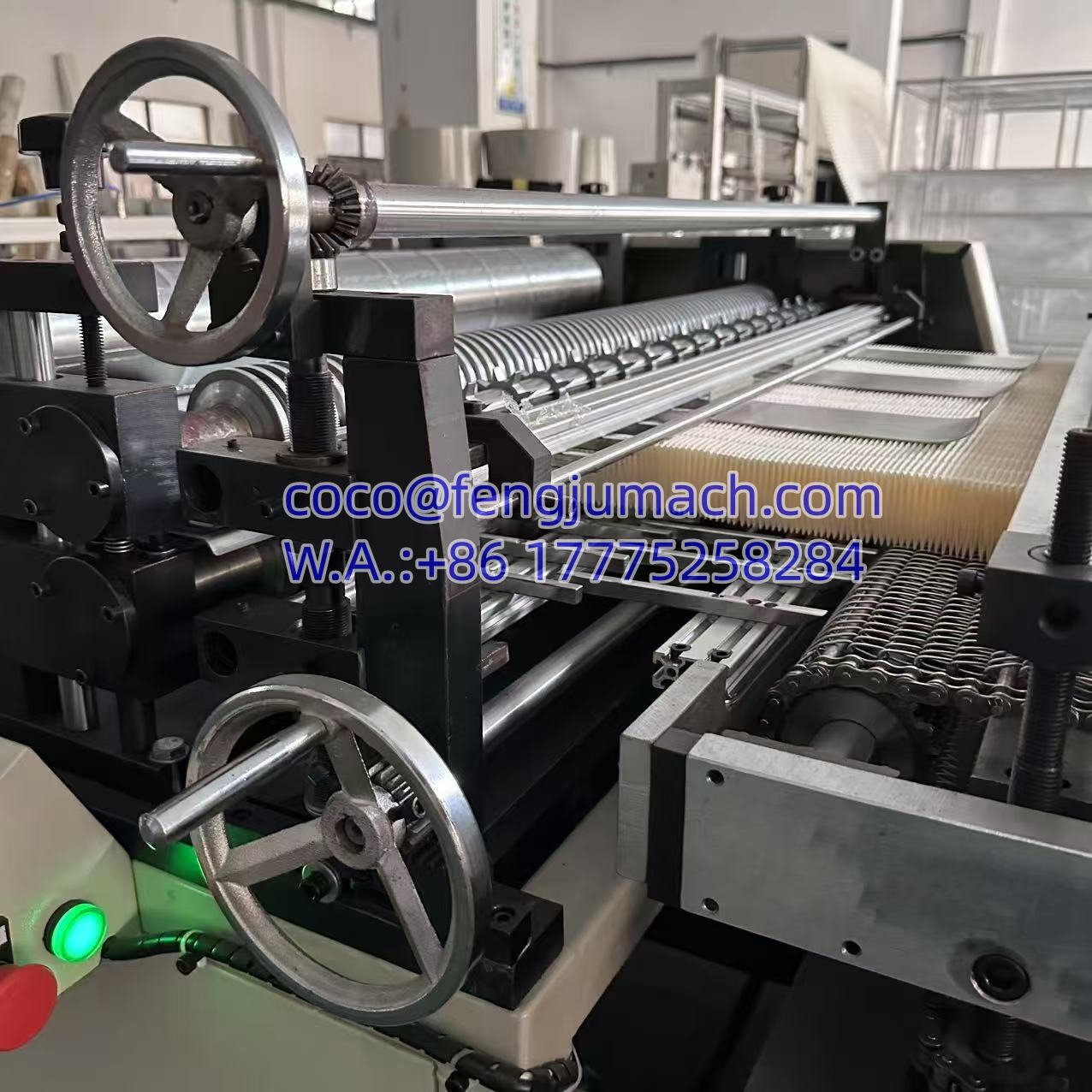
Manufacturing high-quality filters requires precision equipment that can handle complex pleating processes with consistency and efficiency. Modern filter production facilities increasingly rely on advanced machinery to meet demanding quality standards while maintaining competitive production speeds. The evolution of pleating technology has transformed how manufacturers approach filter element creation, particularly in applications requiring intricate fold patterns and uniform spacing. Understanding the capabilities and advantages of specialized pleating equipment is crucial for manufacturers seeking to optimize their production processes and deliver superior filtration products to their customers.
Enhanced Production Efficiency and Speed
Continuous Operation Capabilities
The continuous operation design of modern pleating equipment significantly reduces production downtime compared to traditional batch processing methods. This machinery operates through a streamlined workflow that allows for uninterrupted material feeding and processing. The seamless integration of material handling systems ensures that production can continue for extended periods without manual intervention. Advanced control systems monitor the entire process, automatically adjusting parameters to maintain optimal performance throughout extended production runs.
Production facilities utilizing this technology report substantial improvements in overall equipment effectiveness and throughput rates. The elimination of frequent start-stop cycles reduces wear on mechanical components and maintains consistent temperature conditions throughout the pleating process. Operators can focus on quality control and process optimization rather than constantly managing equipment transitions, leading to more efficient use of human resources and reduced labor costs per unit produced.
Automated Material Handling Systems
Sophisticated material handling capabilities eliminate many manual processes that traditionally created bottlenecks in filter production lines. Automated feeding mechanisms ensure consistent material tension and alignment, reducing the likelihood of defects caused by human error. The integration of sensors and feedback systems allows for real-time adjustments to material flow rates and positioning, maintaining optimal conditions regardless of variations in material properties or environmental factors.
The precision of automated systems extends to material waste reduction, as accurate positioning and cutting mechanisms minimize off-cuts and rejected products. This efficiency translates directly to cost savings in raw materials and reduced disposal requirements. Additionally, the consistent handling reduces material damage that can occur during manual processing, further improving yield rates and product quality outcomes.
Superior Product Quality and Consistency
Precision Fold Formation
The mechanical precision achievable through rotary pleating technology ensures uniform fold angles and spacing across entire filter elements. This consistency is critical for maintaining predictable flow characteristics and filtration performance in finished products. The controlled pressure application and timing mechanisms create identical pleats regardless of production volume or operator skill level, eliminating quality variations that can compromise filter effectiveness.
Advanced rotary pleating machine designs incorporate multiple quality control checkpoints throughout the pleating process. These systems can detect and correct minor deviations before they affect the final product, ensuring that every filter element meets specified dimensional tolerances. The result is improved customer satisfaction and reduced warranty claims due to performance inconsistencies.
Material Integrity Preservation
Careful control of pressure and temperature during the pleating process preserves the structural integrity of filter media materials. Unlike aggressive forming methods that can damage fibers or compromise filtration properties, rotary pleating applies controlled forces that maintain material characteristics while achieving the desired fold geometry. This preservation is particularly important when working with specialized filter media that have specific porosity or chemical resistance requirements.
The gentle handling characteristics of rotary systems extend the range of materials that can be successfully processed, including delicate synthetic fibers and composite materials. This versatility allows manufacturers to expand their product offerings and meet diverse customer requirements without investing in multiple specialized machines. The consistent processing conditions also reduce the need for extensive material testing and qualification procedures for new products.
Economic Benefits and Cost Optimization
Reduced Labor Requirements
Automation capabilities significantly reduce the skilled labor requirements for filter pleating operations. A single operator can oversee multiple machines or handle other value-added tasks while the equipment operates independently. This efficiency is particularly valuable in regions where skilled manufacturing labor is scarce or expensive, allowing companies to maintain competitive production costs while meeting quality standards.
The reduced dependency on manual operations also minimizes training requirements for new employees and reduces the risk of quality variations due to differences in operator technique. Standardized procedures and automated controls ensure consistent results regardless of personnel changes, providing greater production stability and predictability for planning purposes.
Lower Operating Costs
Energy efficiency improvements in modern rotary pleating equipment contribute to reduced operating costs per unit produced. Optimized motor controls and efficient mechanical designs minimize power consumption while maintaining high production speeds. The reliable operation characteristics reduce maintenance requirements and extend service intervals, further decreasing operational expenses.
Preventive maintenance systems integrated into advanced machines provide early warning of potential issues, allowing for scheduled maintenance that prevents costly unplanned downtime. The modular design of many systems enables component replacement without extensive machine teardown, reducing maintenance time and associated labor costs. These features combine to create a lower total cost of ownership compared to traditional pleating methods.
Flexibility and Adaptability Features
Multiple Product Configurations
Modern rotary pleating systems offer remarkable flexibility in accommodating different filter designs and specifications. Quick-change tooling systems allow operators to switch between different pleat patterns, depths, and spacing configurations with minimal downtime. This adaptability enables manufacturers to respond rapidly to customer requirements or market changes without significant capital investment in additional equipment.
The programmable nature of advanced systems allows for storage of multiple product configurations, enabling rapid setup for repeat orders or seasonal product variations. Digital recipe management ensures that complex parameter sets can be recalled accurately, maintaining consistency across production runs separated by time or other product manufacturing. This capability is essential for manufacturers serving multiple market segments or offering customized solutions.
Scalable Production Capabilities
The modular architecture of rotary pleating systems enables manufacturers to scale production capacity as business requirements grow. Additional modules can be integrated into existing systems, or multiple machines can be synchronized for high-volume production requirements. This scalability protects initial equipment investments while providing a clear path for expansion without technology obsolescence.
Integration capabilities with upstream and downstream processes allow for the creation of complete production lines that can adapt to changing volume requirements. Automated material handling and quality control systems can be expanded along with pleating capacity, maintaining efficiency gains as production scales increase. This integrated approach ensures that investments in rotary pleating technology continue to provide value as operations expand.
Environmental and Sustainability Considerations
Reduced Material Waste
Precision control systems in rotary pleating equipment minimize material waste through accurate cutting and forming operations. Optimized cutting patterns and reduced setup waste contribute to more sustainable manufacturing practices while improving profitability. The consistent processing conditions also reduce the production of defective products that must be disposed of or recycled.
Advanced systems incorporate waste reduction features such as edge trimming recovery and off-cut recycling capabilities. These features allow manufacturers to capture and reuse materials that would otherwise be discarded, further reducing environmental impact and material costs. The improved yield rates also reduce the overall resource consumption per finished filter element produced.
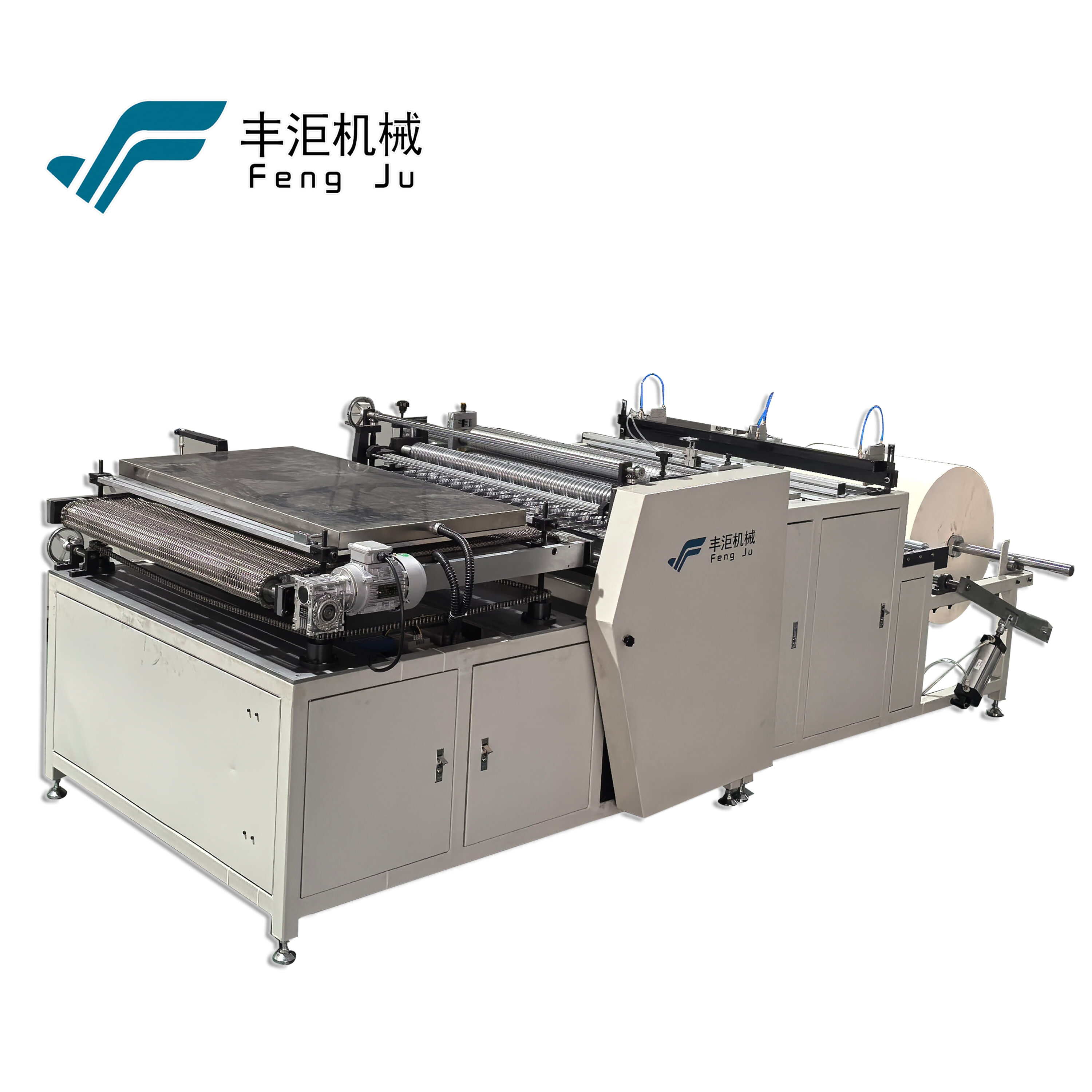
Energy Efficiency Improvements
Modern rotary pleating machines incorporate energy-efficient motors and drive systems that reduce power consumption compared to older equipment designs. Variable speed drives and optimized mechanical systems ensure that energy is used only as needed for the specific operating conditions. These improvements contribute to reduced carbon footprint and lower operating costs for environmentally conscious manufacturers.
The efficient operation characteristics also reduce heat generation and associated cooling requirements, further improving overall energy efficiency. Integrated monitoring systems provide real-time feedback on energy consumption, enabling operators to optimize settings for maximum efficiency. These features support sustainability initiatives while maintaining or improving production performance.
FAQ
What types of filter media can be processed with rotary pleating equipment
Rotary pleating machines can handle a wide variety of filter media including paper, synthetic fibers, metal mesh, and composite materials. The gentle processing action preserves material integrity while accommodating different thicknesses and densities. Specific material compatibility should be verified based on the particular machine specifications and the intended application requirements.
How does rotary pleating technology compare to traditional pleating methods
Rotary pleating offers significant advantages in terms of speed, consistency, and automation compared to manual or semi-automatic methods. The continuous operation eliminates batch processing delays while maintaining superior quality control. The investment in rotary technology typically provides rapid payback through increased productivity and reduced labor requirements.
What maintenance requirements are associated with rotary pleating systems
Modern rotary pleating machines require routine maintenance including lubrication, cleaning, and periodic inspection of wear components. Most systems feature diagnostic capabilities that alert operators to maintenance needs before problems develop. Scheduled maintenance intervals vary based on production volume and operating conditions, but are generally designed to minimize disruption to production schedules.
Can rotary pleating machines be integrated into existing production lines
Yes, rotary pleating equipment can typically be integrated into existing filter manufacturing lines with appropriate planning and interface design. Many systems offer flexible input and output configurations to accommodate different production layouts. Professional installation and integration services ensure optimal performance and minimal disruption during the implementation process.