
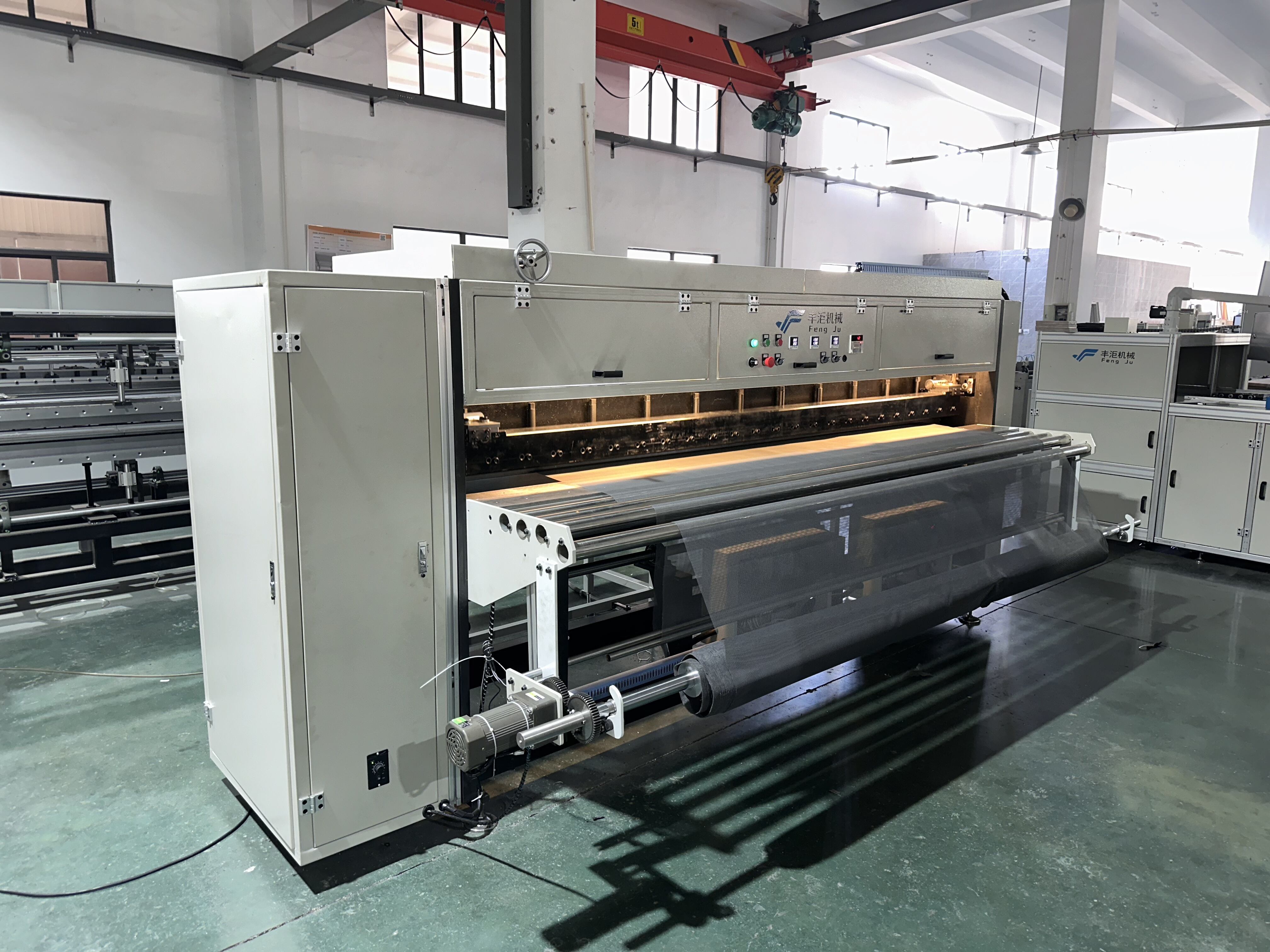
Manufacturing industries are constantly seeking ways to improve efficiency while maintaining product quality, and the introduction of semi-automatic pleating machines has revolutionized filter production processes. These advanced systems combine the precision of automated technology with the flexibility of manual oversight, creating an optimal balance for modern manufacturing facilities. A semi-automatic pleating machine offers significant advantages over traditional manual pleating methods, enabling manufacturers to produce high-quality pleated filters with enhanced consistency and reduced labor costs.
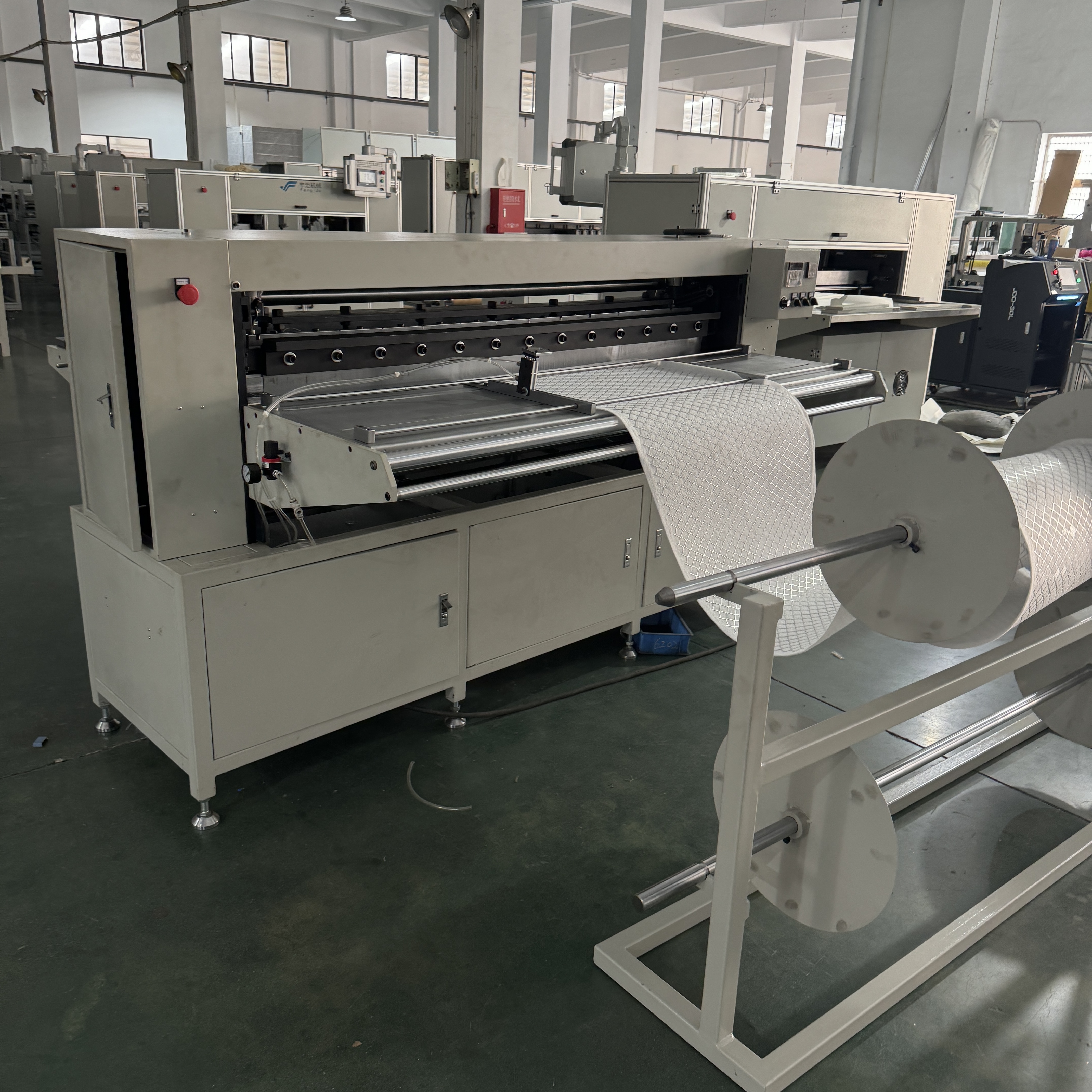
Enhanced Production Efficiency and Speed
Streamlined Manufacturing Processes
The implementation of a semi-automatic pleating machine dramatically increases production speed compared to manual pleating operations. These machines can process filter media at rates significantly faster than human operators, while maintaining consistent pleat spacing and depth. The automated feeding mechanisms ensure continuous material flow, reducing downtime between production cycles and maximizing overall equipment effectiveness.
Modern semi-automatic systems incorporate advanced control panels that allow operators to adjust pleating parameters quickly without stopping production. This flexibility enables manufacturers to switch between different filter specifications efficiently, accommodating various customer requirements within the same production run. The reduced setup times and faster changeover capabilities contribute substantially to improved throughput rates.
Consistent Output Quality
Quality consistency represents one of the most significant advantages of semi-automatic pleating technology. Unlike manual processes where variations in operator technique can affect product quality, these machines maintain uniform pleat dimensions throughout extended production runs. The precision-engineered components ensure that each pleat meets exact specifications, resulting in filters with optimal performance characteristics.
The automated measurement systems integrated into these machines continuously monitor pleat spacing and adjust parameters in real-time to maintain quality standards. This capability eliminates the quality variations commonly associated with manual pleating processes, ensuring that every filter meets stringent industry requirements and customer specifications.
Cost Reduction and Labor Optimization
Reduced Labor Requirements
Semi-automatic pleating machines significantly reduce the number of operators required for filter production while increasing overall output capacity. A single skilled operator can oversee multiple machines or handle other value-added tasks while the equipment performs the pleating operations. This labor optimization translates directly into reduced production costs per unit, improving profit margins for manufacturers.
The reduced dependency on manual labor also addresses challenges related to workforce availability and training costs. Companies can maintain consistent production levels regardless of temporary staff shortages or employee turnover, ensuring reliable delivery schedules for customers. The simplified operation requirements mean that new operators can be trained more quickly, reducing the time and resources invested in workforce development.
Material Waste Minimization
Advanced semi-automatic pleating machines incorporate sophisticated material handling systems that minimize waste generation during production. Precise cutting mechanisms and optimized feeding systems ensure maximum utilization of filter media, reducing material costs and environmental impact. The consistent pleating process eliminates the rework and scrap rates typically associated with manual operations.
The programmable controls allow manufacturers to optimize material usage for specific filter sizes and configurations, further reducing waste. These systems can calculate the exact amount of material needed for each production run, minimizing overages and ensuring efficient inventory management. The reduced material waste contributes significantly to overall cost savings and environmental sustainability objectives.
Improved Product Quality and Performance
Precision Pleat Formation
The mechanical precision of semi-automatic pleating machine systems ensures that each pleat maintains optimal geometry for maximum filtration efficiency. The consistent pleat spacing and depth create uniform air flow patterns through the filter media, enhancing overall filtration performance. This precision directly impacts the effectiveness of the finished filters in their intended applications.
The controlled pressure application during pleat formation prevents damage to delicate filter media while ensuring proper compression for structural integrity. Advanced machines feature adjustable pressure settings that can be optimized for different media types and thicknesses, ensuring that each filter receives the appropriate treatment for its specific requirements.
Enhanced Structural Integrity
Semi-automatic pleating machines create filters with superior structural integrity compared to manually pleated alternatives. The consistent pleating process ensures that stress is distributed evenly across the filter media, reducing the likelihood of failure during operation. The precise control over pleat formation parameters results in filters that maintain their shape and effectiveness throughout their service life.
The automated systems can incorporate reinforcement techniques during the pleating process, such as strategic adhesive application or mechanical securing methods. These enhancements improve the durability of the finished filters, reducing replacement frequency and maintenance costs for end users. The improved structural integrity also enables the production of larger filter sizes that would be impractical with manual pleating methods.
Operational Flexibility and Adaptability
Multiple Media Compatibility
Modern semi-automatic pleating machines are designed to handle a wide variety of filter media types and specifications. From delicate synthetic materials to robust fiberglass media, these systems can be adjusted to accommodate different material properties and thickness requirements. This versatility allows manufacturers to serve diverse market segments with a single equipment investment.
The adjustable parameters include pleat spacing, compression force, and feeding speed, enabling optimal processing of each media type. Operators can store multiple configuration profiles in the machine's memory system, allowing rapid switching between different production specifications. This flexibility reduces setup time and enables efficient batch production of various filter types.
Scalable Production Capacity
Semi-automatic pleating machines offer excellent scalability options for growing manufacturing operations. Companies can start with a single machine and expand their capacity by adding additional units as demand increases. The modular nature of these systems allows for efficient production line layouts that can be modified as business requirements evolve.
The integration capabilities of modern machines enable seamless connection with upstream and downstream processes, creating comprehensive automated production lines. This scalability ensures that manufacturers can respond quickly to market demands while maintaining operational efficiency and cost-effectiveness at different production volumes.
Technology Integration and Future-Proofing
Advanced Control Systems
Contemporary semi-automatic pleating machines feature sophisticated control systems that provide detailed monitoring and diagnostic capabilities. These systems collect real-time production data, enabling manufacturers to optimize processes and identify potential issues before they impact production. The data analytics capabilities support continuous improvement initiatives and predictive maintenance programs.
The user-friendly interfaces simplify machine operation while providing comprehensive access to all system parameters. Touchscreen controls and graphical displays make it easy for operators to monitor production status, adjust settings, and troubleshoot issues. The intuitive design reduces training requirements and minimizes the potential for operator errors that could affect product quality.
Maintenance and Service Advantages
Semi-automatic pleating machines are engineered for reliability and ease of maintenance, incorporating design features that minimize downtime and service requirements. Accessible components and standardized parts simplify routine maintenance tasks, while diagnostic systems help identify potential issues early. The reduced complexity compared to fully automatic systems makes troubleshooting and repairs more straightforward.
The predictive maintenance capabilities integrated into modern machines help optimize service schedules and reduce unexpected breakdowns. Remote monitoring options allow service technicians to diagnose issues and provide support without on-site visits, minimizing production disruptions. The comprehensive service support available for these systems ensures long-term operational reliability and performance consistency.
FAQ
What maintenance is required for a semi-automatic pleating machine
Regular maintenance for semi-automatic pleating machines includes daily cleaning of cutting blades and feeding mechanisms, weekly lubrication of moving parts, and monthly inspection of wear components. Most manufacturers recommend professional service every six months to ensure optimal performance and prevent unexpected downtime. The specific maintenance schedule depends on production volume and operating conditions, but following manufacturer guidelines typically ensures reliable long-term operation.
Can these machines handle different filter media thicknesses
Yes, semi-automatic pleating machines are designed with adjustable parameters to accommodate various filter media thicknesses and types. The pressure settings, pleat spacing, and feeding mechanisms can be modified to optimize performance for different materials ranging from thin synthetic media to thick fiberglass substrates. Most machines include preset configurations for common media types, making changeover between different specifications quick and efficient.
How does production speed compare to manual pleating methods
Semi-automatic pleating machines typically achieve production speeds three to five times faster than manual pleating methods, depending on the specific application and filter size. While manual operations might produce 10-20 filters per hour, a semi-automatic machine can often produce 50-100 filters in the same timeframe. The exact speed advantage depends on filter complexity, media type, and operator skill level, but significant productivity improvements are consistently achieved.
What training is needed to operate these machines effectively
Operating a semi-automatic pleating machine typically requires 2-3 days of initial training for experienced manufacturing personnel, with additional time needed for specific applications or advanced features. The training covers machine setup, parameter adjustment, quality control procedures, and basic troubleshooting. Most manufacturers provide comprehensive training programs, and the intuitive control systems make the learning process straightforward for operators with basic mechanical aptitude and manufacturing experience.