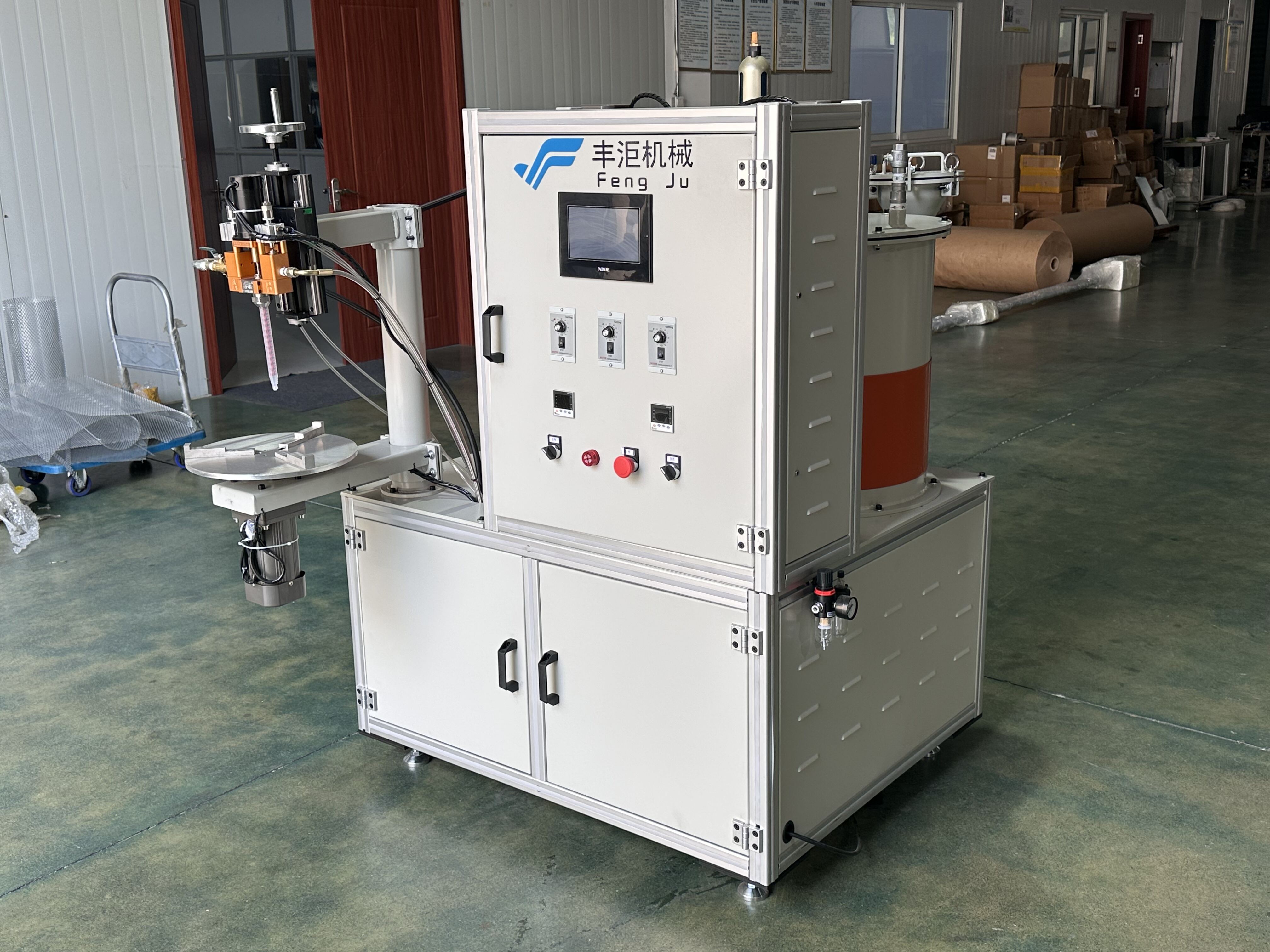
Modern manufacturing facilities rely heavily on precision adhesive applications to ensure product quality and operational efficiency. An industrial gluing system serves as the backbone of countless production processes, from packaging and assembly to specialized manufacturing applications. Understanding how to properly maintain and optimize these sophisticated systems can dramatically impact your facility's productivity, reduce downtime, and extend equipment lifespan. Regular maintenance protocols combined with strategic optimization techniques create a foundation for consistent, high-quality adhesive application that meets the demanding requirements of today's competitive industrial landscape.
Understanding Industrial Gluing System Components
Core System Architecture
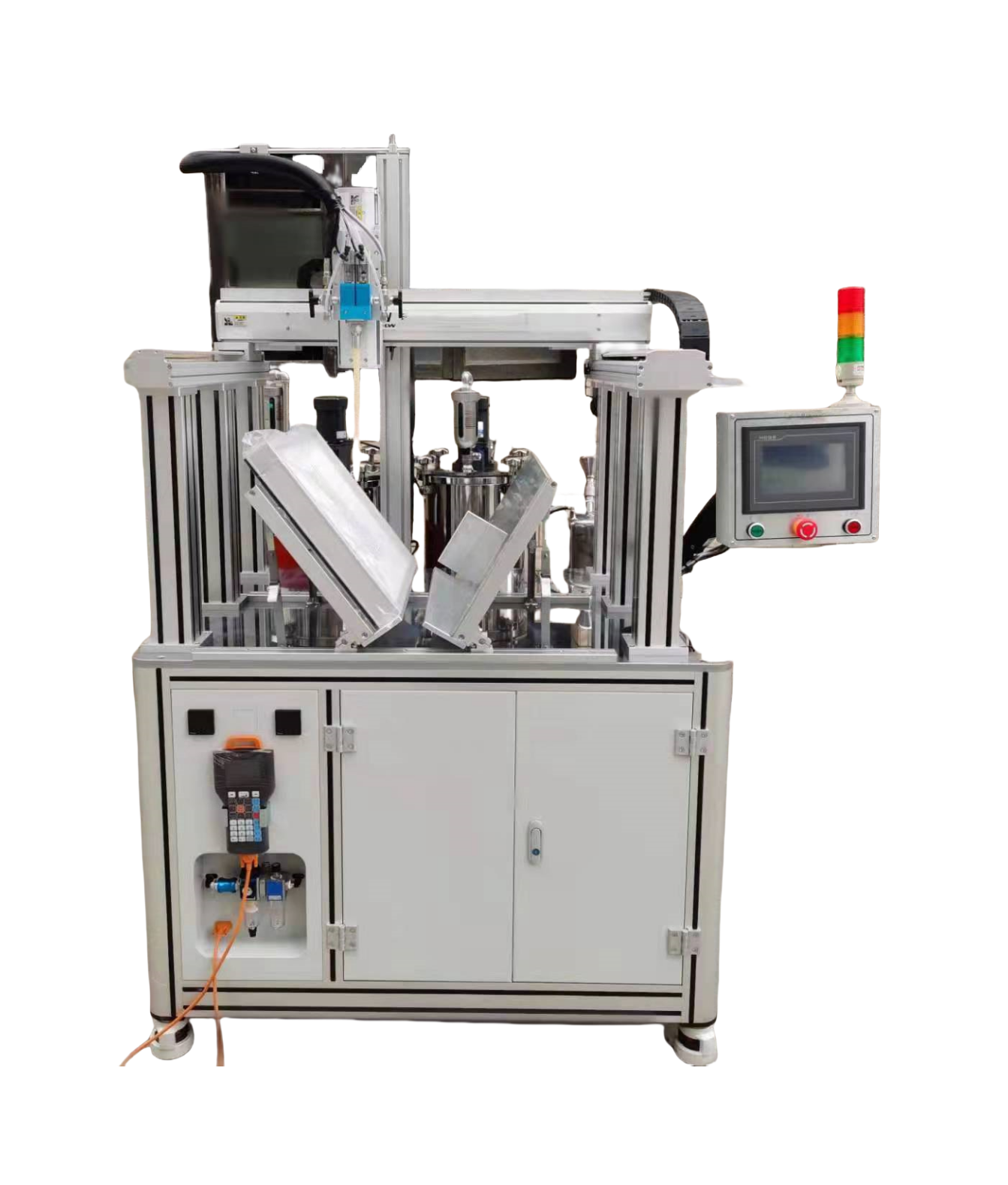
The foundation of any effective industrial gluing system lies in its core architectural components. These sophisticated systems typically incorporate precision pumps, heated reservoirs, application heads, and control interfaces that work in concert to deliver consistent adhesive application. Understanding each component's role enables operators to identify potential maintenance needs before they escalate into costly breakdowns. Modern systems feature advanced sensors and monitoring capabilities that provide real-time feedback on system performance, allowing for proactive maintenance scheduling and immediate response to operational anomalies.
Temperature control mechanisms represent another critical element within the system architecture. These components ensure adhesive materials maintain optimal viscosity and application properties throughout the production cycle. Proper temperature regulation prevents material degradation while ensuring consistent flow rates and application patterns. Regular calibration of temperature sensors and heating elements maintains system accuracy and prevents costly material waste or product defects.
Adhesive Delivery Mechanisms
The adhesive delivery system encompasses pumps, valves, and distribution networks that transport material from storage containers to application points. These mechanisms must operate within precise parameters to ensure consistent material flow and application accuracy. Understanding the specific requirements of different adhesive types helps operators select appropriate delivery configurations and maintenance protocols. Different adhesive formulations may require specialized handling procedures, including specific temperature ranges, pressure settings, and flow control parameters.
Precision control valves play a crucial role in regulating adhesive flow and application patterns. These components require regular inspection and calibration to maintain accuracy and prevent material waste. Advanced systems incorporate servo-controlled valves that provide exceptional precision and repeatability, but these sophisticated components demand specialized maintenance procedures and calibration protocols to ensure continued optimal performance.
Essential Maintenance Procedures
Daily Inspection Protocols
Implementing comprehensive daily inspection routines forms the cornerstone of effective industrial gluing system maintenance. These procedures should encompass visual inspections of all system components, including pumps, valves, heating elements, and material reservoirs. Operators should document any unusual sounds, vibrations, or visual anomalies that might indicate developing problems. Daily checks of material levels, temperature readings, and pressure indicators help identify potential issues before they impact production operations.
Documentation plays a vital role in daily maintenance protocols. Maintaining detailed logs of system performance, material consumption, and operational parameters creates valuable historical data that helps identify trends and predict maintenance needs. These records enable maintenance teams to establish baseline performance metrics and quickly identify deviations that require attention. Regular documentation also supports warranty claims and helps optimize replacement part inventory management.
Preventive Maintenance Scheduling
Establishing a comprehensive preventive maintenance schedule ensures optimal performance and extends the operational lifespan of your industrial gluing system. These schedules should be tailored to specific system configurations, production volumes, and adhesive types used in daily operations. Weekly maintenance tasks typically include thorough cleaning of application heads, inspection of seals and gaskets, and verification of calibration settings. Monthly procedures often involve more extensive component inspections, lubrication of moving parts, and replacement of consumable items such as filters and seals.
Advanced preventive maintenance programs incorporate predictive maintenance techniques that utilize sensor data and performance analytics to anticipate component failures. These approaches enable maintenance teams to schedule repairs during planned downtime, reducing the impact on production operations. Implementing condition-based maintenance protocols based on actual system performance rather than fixed time intervals can significantly improve maintenance efficiency and reduce overall costs.
Optimization Strategies for Enhanced Performance
Material Handling Optimization
Optimizing material handling procedures within your industrial gluing system directly impacts both operational efficiency and product quality. Proper material storage conditions, including temperature and humidity control, ensure adhesive materials maintain their intended properties throughout their shelf life. Implementing first-in-first-out inventory rotation prevents material degradation and reduces waste. Additionally, establishing proper material preparation procedures, including mixing protocols and degassing techniques, ensures consistent application properties and reduces defects.
Material flow optimization involves analyzing and adjusting system parameters to minimize waste while maximizing application accuracy. This includes optimizing pump speeds, pressure settings, and flow rates to match specific production requirements. Regular analysis of material consumption patterns helps identify opportunities for efficiency improvements and cost reduction. Advanced systems may incorporate automated material handling features that reduce manual intervention and improve consistency.
Process Parameter Optimization
Fine-tuning process parameters represents one of the most effective approaches to optimizing industrial gluing system performance. Temperature settings, pressure controls, and timing parameters must be carefully calibrated to match specific adhesive formulations and application requirements. Regular optimization of these parameters ensures consistent application quality while minimizing material waste. Advanced control systems enable operators to create and store multiple parameter profiles for different products or production scenarios.
Data analysis plays a crucial role in process optimization efforts. Collecting and analyzing production data helps identify patterns and trends that inform optimization decisions. Modern systems often incorporate data logging capabilities that automatically track key performance indicators, enabling continuous improvement initiatives. Regular review of this data helps maintenance teams identify opportunities for efficiency improvements and predict future maintenance needs.
Troubleshooting Common Issues
Adhesive Flow Problems
Addressing adhesive flow irregularities requires systematic diagnostic approaches to identify root causes and implement effective solutions. Common flow problems include inconsistent application patterns, material blockages, and pressure fluctuations that can significantly impact product quality. Understanding the relationship between material properties, system settings, and environmental conditions helps operators quickly diagnose and resolve flow-related issues. Temperature variations often contribute to flow problems, as adhesive viscosity changes can affect pumping performance and application characteristics.
Preventive measures for flow problems include regular cleaning of material pathways, inspection of pump components, and verification of material filtration systems. Implementing proper material preparation procedures and maintaining consistent environmental conditions help prevent many common flow issues. When problems do occur, systematic troubleshooting procedures that examine material properties, system settings, and component condition enable quick resolution and minimize production disruptions.
Temperature Control Challenges
Temperature control issues within industrial gluing systems can significantly impact adhesive performance and application quality. Common temperature-related problems include heating element failures, sensor inaccuracies, and insulation degradation that affect system performance. Regular calibration of temperature sensors and inspection of heating elements help prevent these issues from developing into major problems. Understanding the specific temperature requirements of different adhesive formulations enables operators to establish appropriate control parameters and monitoring procedures.
Addressing temperature control challenges often requires comprehensive system analysis to identify contributing factors. Environmental conditions, material flow rates, and system configuration all influence temperature stability and control accuracy. Implementing redundant temperature monitoring systems and backup heating capabilities ensures continued operation even when primary components experience failures. Regular maintenance of insulation and thermal protection systems helps maintain temperature stability and energy efficiency.
Advanced System Monitoring
Real-Time Performance Tracking
Modern industrial gluing systems benefit significantly from advanced monitoring capabilities that provide real-time insights into system performance and operational efficiency. These monitoring systems track key parameters including material flow rates, temperature stability, pressure variations, and application accuracy. Real-time data collection enables operators to quickly identify and address performance deviations before they impact product quality or cause system damage. Advanced monitoring systems often incorporate alarm functions that alert operators to critical conditions requiring immediate attention.
Integration of monitoring systems with production management software creates comprehensive visibility into adhesive application processes and their impact on overall production efficiency. This integration enables data-driven decision making for maintenance scheduling, process optimization, and quality control initiatives. Historical trend analysis helps identify patterns that inform predictive maintenance strategies and continuous improvement efforts.
Data Analytics and Reporting
Comprehensive data analytics capabilities transform raw performance data into actionable insights that drive optimization and maintenance decisions. Advanced analytics platforms can identify correlations between operating conditions, maintenance activities, and system performance that might not be apparent through traditional monitoring approaches. These insights enable maintenance teams to optimize their strategies and focus resources on the most impactful improvement opportunities.
Regular reporting of system performance metrics supports continuous improvement initiatives and helps justify maintenance investments. Detailed reports that track key performance indicators over time provide valuable documentation for regulatory compliance, warranty claims, and operational audits. Customizable reporting capabilities enable different stakeholders to access relevant information formatted for their specific needs and responsibilities.
Cost-Effective Maintenance Strategies
Inventory Management
Effective spare parts inventory management represents a critical component of cost-effective industrial gluing system maintenance. Maintaining appropriate inventory levels of critical components ensures rapid response to equipment failures while avoiding excessive carrying costs. Strategic inventory planning considers component failure rates, lead times, and criticality to production operations. Advanced inventory management systems can automatically trigger reorder points based on usage patterns and anticipated maintenance needs.
Establishing relationships with reliable suppliers and maintaining updated vendor information ensures timely access to replacement components when needed. Negotiating blanket purchase orders or maintenance contracts can provide cost advantages while ensuring priority access to critical parts. Regular review of inventory levels and usage patterns helps optimize carrying costs while maintaining appropriate service levels.
Training and Skill Development
Investing in comprehensive training programs for maintenance personnel and system operators creates significant long-term value for industrial gluing system operations. Well-trained staff can identify potential problems earlier, perform more effective troubleshooting, and implement proper maintenance procedures that extend equipment life. Training programs should cover system operation, maintenance procedures, safety protocols, and troubleshooting techniques specific to the installed equipment configuration.
Ongoing skill development ensures maintenance teams stay current with technological advances and best practice evolution. Regular refresher training and certification programs help maintain high competency levels and ensure consistent application of proper procedures. Documentation of training records supports regulatory compliance and provides valuable information for succession planning and workforce development initiatives.
FAQ
How often should industrial gluing systems undergo comprehensive maintenance
Comprehensive maintenance frequency depends on system usage intensity, adhesive types, and environmental conditions, but most industrial gluing systems benefit from thorough maintenance every 3-6 months. High-volume operations or systems handling aggressive adhesive formulations may require more frequent comprehensive maintenance. Regular daily and weekly maintenance procedures should complement these comprehensive sessions to ensure optimal performance between major maintenance intervals.
What are the most common signs that an industrial gluing system needs immediate attention
Key warning signs include inconsistent adhesive application patterns, unusual pump noises or vibrations, temperature control irregularities, and pressure fluctuations outside normal operating ranges. Material leakage, excessive energy consumption, and frequent system alarms also indicate the need for immediate maintenance attention. Operators should never ignore these warning signs, as delayed response often leads to more extensive repairs and longer downtime periods.
Can preventive maintenance really reduce overall industrial gluing system operating costs
Properly implemented preventive maintenance programs typically reduce overall operating costs by 15-25% compared to reactive maintenance approaches. These savings result from reduced emergency repair costs, decreased downtime, extended component life, and improved energy efficiency. The initial investment in preventive maintenance programs pays for itself through reduced material waste, fewer production disruptions, and lower long-term replacement costs.
What role does environmental control play in industrial gluing system performance
Environmental conditions significantly impact industrial gluing system performance, particularly temperature and humidity levels that affect adhesive properties and system operation. Maintaining stable environmental conditions reduces system stress, improves application consistency, and extends component life. Proper ventilation, dust control, and contamination prevention measures protect sensitive components and ensure consistent adhesive application quality throughout production operations.
Table of Contents
- Understanding Industrial Gluing System Components
- Essential Maintenance Procedures
- Optimization Strategies for Enhanced Performance
- Troubleshooting Common Issues
- Advanced System Monitoring
- Cost-Effective Maintenance Strategies
-
FAQ
- How often should industrial gluing systems undergo comprehensive maintenance
- What are the most common signs that an industrial gluing system needs immediate attention
- Can preventive maintenance really reduce overall industrial gluing system operating costs
- What role does environmental control play in industrial gluing system performance