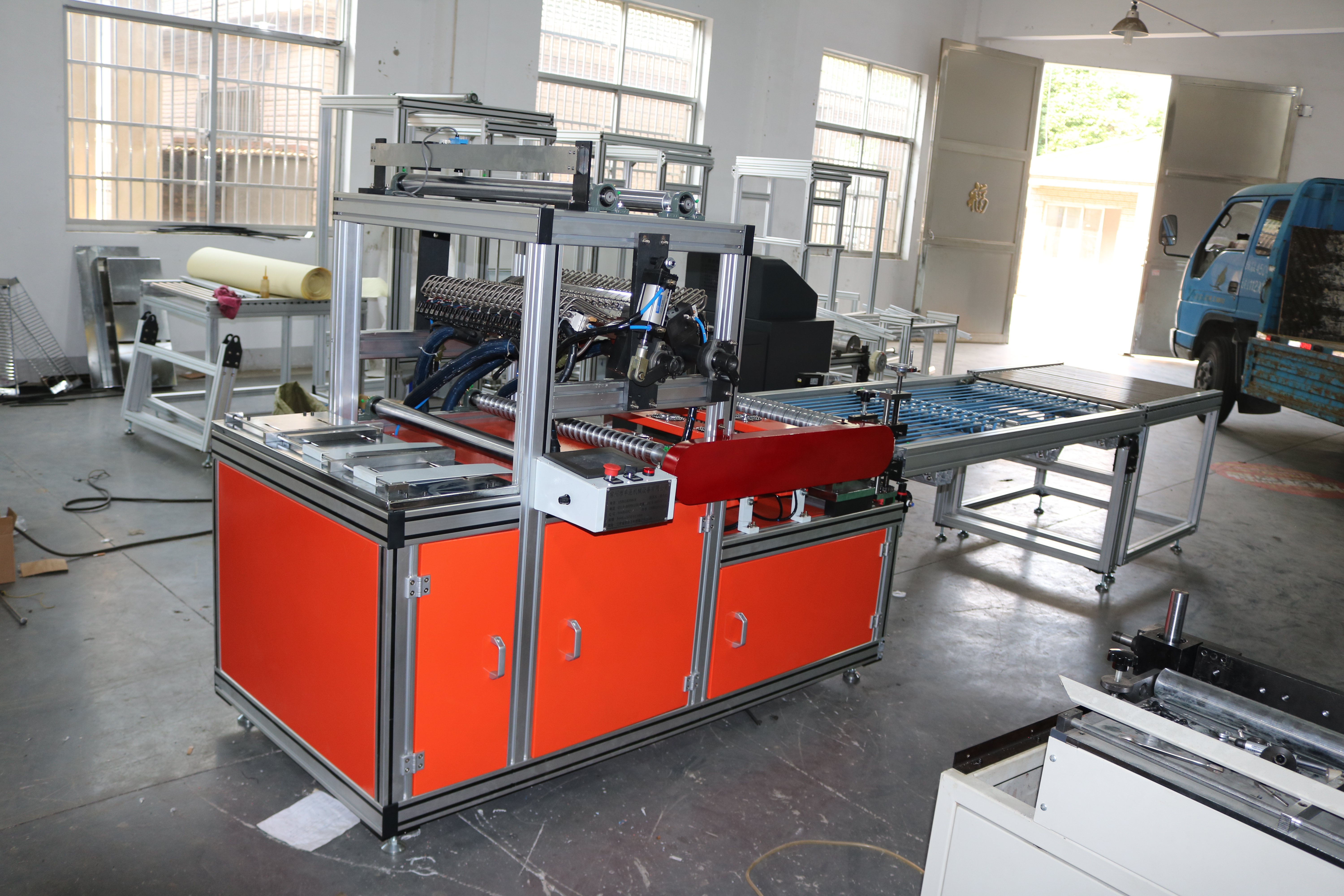
Selecting the appropriate glue injection machine for filter manufacturing is a critical decision that can significantly impact production efficiency, product quality, and overall operational costs. Filter manufacturers across industries rely on precise adhesive application systems to ensure leak-proof seals and consistent performance in their filtration products. The right glue injection machine not only enhances manufacturing precision but also reduces waste, minimizes downtime, and maintains the high standards required for modern filtration systems.
Understanding Glue Injection Machine Technology
Core Components and Functionality
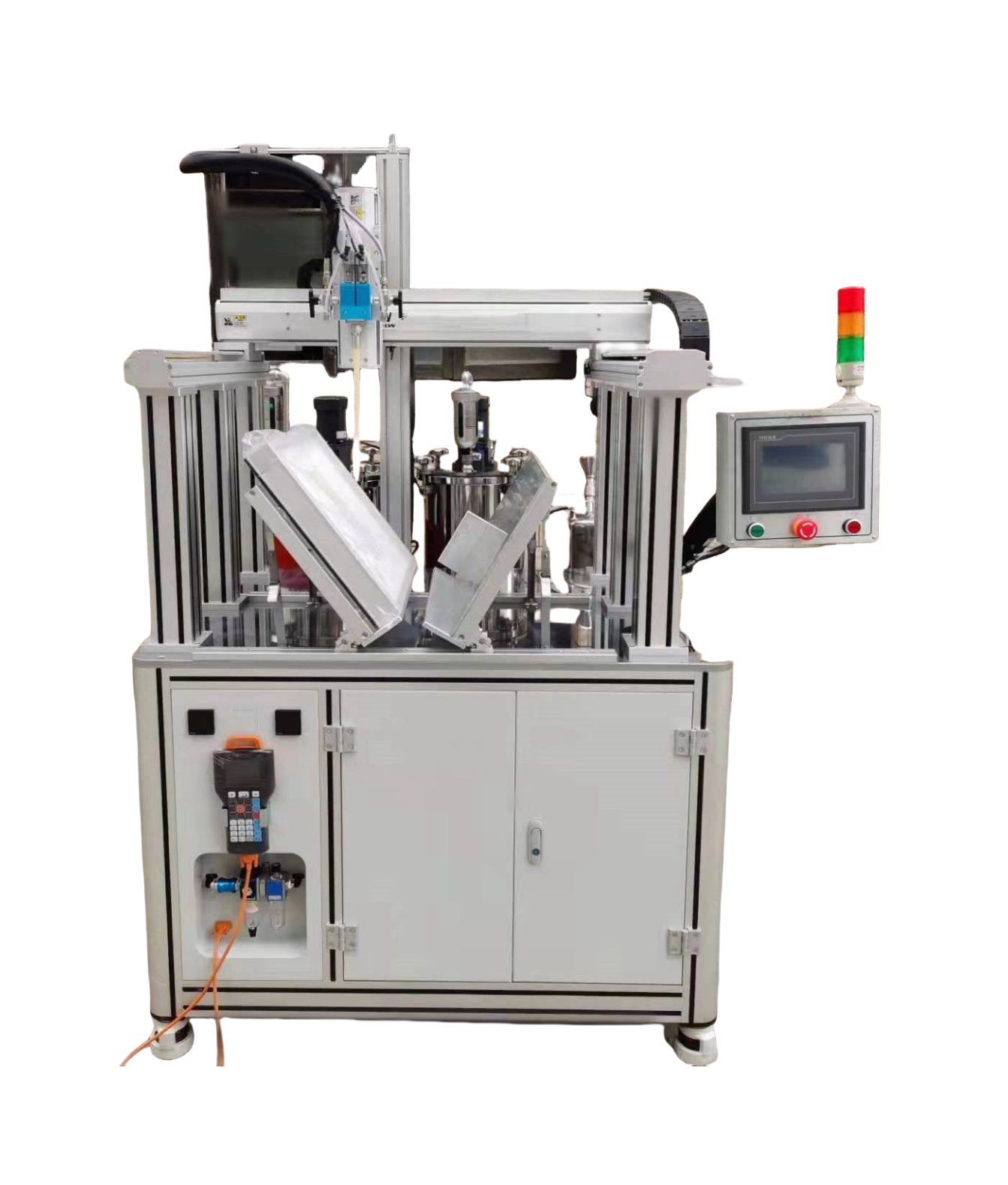
A modern glue injection machine comprises several essential components that work in harmony to deliver precise adhesive application. The dispensing system forms the heart of the operation, controlling flow rates, pressure settings, and injection timing. Advanced glue injection machine models feature sophisticated control panels that allow operators to program multiple dispensing parameters, ensuring consistent results across production runs. Temperature control systems maintain optimal adhesive viscosity, while precision nozzles ensure accurate placement of adhesive materials onto filter components.
The pumping mechanism in a quality glue injection machine delivers consistent pressure throughout the dispensing cycle, preventing variations that could compromise seal integrity. Modern units incorporate feedback sensors that monitor adhesive flow and automatically adjust parameters to maintain optimal dispensing conditions. These technological advancements have revolutionized filter manufacturing by enabling manufacturers to achieve tighter tolerances and superior bond strength in their products.
Automation and Control Systems
Contemporary glue injection machine systems feature advanced automation capabilities that significantly reduce manual intervention while improving consistency. Programmable logic controllers enable operators to store multiple recipe settings for different filter types, facilitating quick changeovers between production runs. Touch screen interfaces provide intuitive operation and real-time monitoring of critical parameters such as adhesive temperature, pressure, and flow rates.
Integration capabilities allow modern glue injection machine units to communicate with existing production management systems, enabling comprehensive production tracking and quality control. Data logging features capture detailed information about each dispensing cycle, supporting quality assurance processes and enabling continuous improvement initiatives. These automation features are particularly valuable in high-volume filter manufacturing environments where consistency and traceability are paramount.
Key Selection Criteria for Filter Applications
Production Volume Requirements
Production volume stands as one of the most critical factors when selecting a glue injection machine for filter manufacturing. High-volume operations require machines capable of continuous operation with minimal downtime, featuring robust construction and reliable components. Semi-automatic systems may suffice for medium-volume production, offering a balance between operational flexibility and throughput capacity.
Low-volume or prototype production environments might benefit from manual or semi-manual glue injection machine configurations that provide maximum flexibility while maintaining cost-effectiveness. Understanding your current production requirements and future growth projections ensures that the selected equipment can accommodate evolving manufacturing demands without requiring premature replacement or significant modifications.
Adhesive Compatibility and Handling
Different filter applications require specific adhesive formulations, and the chosen glue injection machine must accommodate these materials effectively. Single-component adhesives typically require simpler dispensing systems, while two-component formulations demand precise mixing capabilities and specialized handling equipment. The machine's material compatibility extends beyond the adhesive itself to include cleaning solvents and maintenance chemicals used in routine operations.
Temperature sensitivity of adhesive materials influences equipment selection, as some formulations require heated dispensing systems to maintain optimal viscosity. A versatile glue injection machine should accommodate various adhesive types without requiring extensive reconfiguration, providing manufacturers with the flexibility to adapt to changing product requirements or material availability.
Technical Specifications and Performance Metrics
Precision and Repeatability Standards
Precision requirements in filter manufacturing demand that glue injection machine systems deliver consistent adhesive volumes with minimal variation between cycles. Shot-to-shot repeatability typically should fall within ±2% for critical applications, ensuring uniform seal quality across all manufactured units. Dispensing accuracy becomes particularly crucial when working with expensive adhesive materials or when precise adhesive placement affects filter performance characteristics.
Modern glue injection machine models incorporate advanced flow measurement technologies that provide real-time feedback on dispensed volumes. Closed-loop control systems automatically compensate for variations in adhesive properties or environmental conditions, maintaining consistent output throughout extended production runs. These precision capabilities directly translate to reduced material waste, improved product quality, and enhanced manufacturing efficiency.
Speed and Cycle Time Optimization
Cycle time optimization represents a crucial performance metric that directly impacts production throughput and operational efficiency. Fast-cycling glue injection machine systems can significantly reduce overall manufacturing time, particularly in applications requiring multiple adhesive application points per filter unit. However, speed must be balanced against precision requirements to ensure that accelerated cycle times do not compromise seal quality or adhesive placement accuracy.
Advanced dispensing systems feature programmable acceleration and deceleration profiles that minimize adhesive dripping or stringing while maximizing cycle speed. Quick-change capabilities allow rapid switching between different adhesive formulations or dispensing patterns, reducing setup time and improving overall equipment utilization. These performance characteristics are essential for maintaining competitive manufacturing costs while meeting demanding production schedules.
Integration and Compatibility Considerations
Production Line Integration
Successful integration of a glue injection machine into existing production lines requires careful consideration of mechanical interfaces, control system compatibility, and workflow optimization. The selected equipment should complement existing automation systems and support seamless material handling throughout the manufacturing process. Physical footprint considerations ensure that the new equipment fits within available floor space while maintaining safe operator access and maintenance requirements.
Communication protocols between the glue injection machine and other production equipment enable coordinated operation and centralized monitoring capabilities. Industry-standard interfaces such as Ethernet/IP or Profinet facilitate integration with modern manufacturing execution systems, providing comprehensive production visibility and control. This integration capability supports lean manufacturing principles and enables real-time production optimization.
Quality Control Integration
Quality control integration capabilities allow glue injection machine systems to participate actively in comprehensive quality assurance programs. Vision systems can verify adhesive placement accuracy, while weight-based verification confirms proper dispensed volumes. Rejection mechanisms automatically remove defective parts from the production line, preventing quality issues from propagating downstream.
Statistical process control features capture and analyze production data, identifying trends that might indicate developing quality issues or equipment performance degradation. This proactive approach to quality management helps maintain consistent product quality while minimizing waste and rework costs. Integration with enterprise quality management systems provides comprehensive traceability and supports regulatory compliance requirements in critical applications.
Maintenance and Operational Considerations
Preventive Maintenance Requirements
Regular maintenance schedules are essential for ensuring reliable operation and extending the service life of glue injection machine equipment. Daily maintenance tasks typically include cleaning dispensing nozzles, checking adhesive levels, and verifying calibration settings. Weekly procedures might involve more comprehensive cleaning cycles, seal inspections, and lubrication of moving components.
Scheduled maintenance intervals for major components such as pumps, valves, and heating elements help prevent unexpected downtime and maintain optimal performance characteristics. A well-designed glue injection machine provides easy access to critical maintenance points and includes diagnostic features that facilitate troubleshooting and component health monitoring. Comprehensive maintenance documentation and training programs ensure that operators can perform routine tasks effectively and safely.
Operator Training and Safety
Effective operator training programs are crucial for maximizing the performance and safety of glue injection machine systems. Training curricula should cover equipment operation, maintenance procedures, troubleshooting techniques, and safety protocols. Hands-on training with actual production scenarios helps operators develop the skills necessary for efficient and safe equipment operation.
Safety considerations include proper handling of adhesive materials, understanding of emergency shutdown procedures, and awareness of potential hazards associated with heated adhesives or pressurized systems. Personal protective equipment requirements and proper ventilation considerations ensure operator safety while maintaining productive working conditions. Regular safety training updates keep operators informed about best practices and regulatory changes affecting their work environment.
Cost Analysis and Return on Investment
Initial Investment Considerations
Initial investment costs for glue injection machine systems vary significantly based on automation levels, precision requirements, and integration complexity. Basic manual systems may offer lower upfront costs but require higher labor inputs and may not provide the consistency needed for demanding applications. Fully automated systems command higher initial investments but typically deliver superior long-term value through reduced labor costs and improved quality consistency.
Total cost of ownership calculations should include equipment purchase price, installation costs, training expenses, and ongoing maintenance requirements. Financing options and equipment leasing programs can help manufacturers manage cash flow while acquiring necessary production equipment. Understanding the complete financial picture enables informed decision-making that aligns equipment selection with business objectives and financial constraints.
Operational Cost Optimization
Operational cost optimization through proper glue injection machine selection can deliver significant long-term savings. Reduced adhesive waste through precise dispensing control directly impacts material costs, while improved product quality reduces rework and warranty expenses. Enhanced production efficiency translates to better equipment utilization and reduced per-unit manufacturing costs.
Energy efficiency considerations include electrical consumption, compressed air usage, and heating requirements for temperature-controlled adhesives. Modern glue injection machine designs incorporate energy-saving features such as standby modes, efficient heating systems, and optimized pneumatic circuits. These efficiency improvements contribute to reduced operational costs and support environmental sustainability initiatives.
Future Technology Trends
Industry 4.0 Integration
Industry 4.0 technologies are transforming glue injection machine capabilities through enhanced connectivity, data analytics, and predictive maintenance features. Internet of Things sensors provide continuous monitoring of equipment performance, enabling proactive maintenance scheduling and optimization of operational parameters. Cloud-based data analytics platforms identify patterns and trends that support continuous improvement initiatives.
Artificial intelligence and machine learning algorithms analyze production data to optimize dispensing parameters automatically, reducing setup time and improving quality consistency. These advanced technologies enable glue injection machine systems to adapt dynamically to changing conditions and maintain optimal performance throughout extended production runs. Future developments promise even greater automation and intelligence in adhesive dispensing applications.
Sustainability and Environmental Considerations
Environmental sustainability increasingly influences glue injection machine design and operation. Energy-efficient components, reduced material waste, and compatibility with environmentally friendly adhesives support manufacturers' sustainability goals. Advanced dispensing technologies minimize adhesive consumption while maintaining bond strength requirements, reducing environmental impact and material costs.
Recyclable materials in equipment construction and end-of-life disposal considerations reflect growing environmental consciousness in manufacturing. Future glue injection machine developments will likely emphasize sustainability features while maintaining the performance and reliability required for demanding filter manufacturing applications. These trends align with global initiatives toward more sustainable manufacturing practices.
FAQ
What factors determine the ideal dispensing speed for filter manufacturing
Dispensing speed optimization depends on adhesive viscosity, cure characteristics, and precision requirements. Faster speeds may compromise accuracy or cause adhesive stringing, while slower speeds reduce productivity. The optimal speed balances throughput requirements with quality standards, typically determined through testing with specific adhesive formulations and filter geometries.
How do I ensure consistent adhesive placement across different filter sizes
Consistent placement requires programmable positioning systems that can store multiple dispensing patterns. Quick-change fixtures accommodate different filter sizes while maintaining precise alignment. Vision guidance systems can verify placement accuracy, while recipe management features store optimal parameters for each filter configuration, ensuring repeatability across product variations.
What maintenance schedule provides optimal equipment reliability
Optimal maintenance schedules vary based on production volume and adhesive types, but typically include daily cleaning and calibration checks, weekly component inspections, and monthly comprehensive maintenance procedures. Preventive maintenance programs based on operating hours or cycle counts help prevent unexpected downtime while maintaining peak performance throughout the equipment's service life.
Can one machine handle multiple adhesive types effectively
Modern glue injection machine systems can accommodate multiple adhesive types through programmable temperature control, adjustable pressure settings, and changeable dispensing components. However, compatibility depends on chemical properties and cleaning requirements between different adhesives. Some applications may require dedicated dispensing lines to prevent cross-contamination or maintain optimal performance for each adhesive type.