Manufacturing efficiency has become a critical factor in today's competitive industrial landscape, particularly in filter assembly operations. An automatic gluing system represents a revolutionary advancement that transforms traditional manual bonding processes into streamlined, precision-driven operations. These sophisticated systems deliver consistent adhesive application while significantly reducing production time and labor costs. Modern filter manufacturing facilities increasingly rely on automated solutions to meet growing demand while maintaining the highest quality standards. The integration of an automatic gluing system into filter assembly lines has proven to be a game-changing investment for manufacturers seeking operational excellence.
Enhanced Precision and Consistency in Adhesive Application
Programmable Dispensing Accuracy
The precision capabilities of an automatic gluing system far exceed what manual application methods can achieve. These systems utilize advanced servo-controlled dispensing mechanisms that can apply adhesive with micron-level accuracy. Programming parameters allow operators to set exact flow rates, application patterns, and timing sequences that remain consistent across thousands of production cycles. This level of precision ensures that each filter component receives the optimal amount of adhesive in precisely the right locations. The elimination of human variability in adhesive application translates directly into improved product reliability and reduced material waste.
Temperature and viscosity controls within the system maintain adhesive properties at optimal levels throughout the production process. Automated monitoring sensors continuously track adhesive flow characteristics and make real-time adjustments to maintain consistent application quality. This technological sophistication prevents common issues such as under-application, over-application, or uneven distribution that frequently occur with manual processes. The result is a significant improvement in bond strength uniformity across all manufactured filter units.
Repeatability Across Production Batches
Consistency between production batches becomes effortless when utilizing an automatic gluing system designed for industrial applications. Each adhesive application cycle follows identical parameters, ensuring that filters manufactured at different times maintain the same high-quality characteristics. This repeatability is particularly crucial for manufacturers who must meet strict quality certifications and regulatory requirements. Documentation and traceability features built into modern systems provide complete records of adhesive application parameters for each production run.
Quality control becomes more predictable when adhesive application variables are eliminated through automation. Statistical process control data collected by the system helps identify trends and potential issues before they impact product quality. This proactive approach to quality management reduces the likelihood of batch rejections and minimizes the need for costly rework operations.
Significant Production Speed and Efficiency Improvements
Reduced Cycle Times
Production throughput increases dramatically when manual adhesive application is replaced with an automatic gluing system. These systems can complete adhesive application tasks in a fraction of the time required for manual operations. Simultaneous multi-point dispensing capabilities allow the system to apply adhesive to multiple locations on a filter component simultaneously, further reducing cycle times. Advanced motion control systems optimize dispensing paths to minimize non-productive movement and maximize throughput efficiency.
Integration with existing production line equipment enables seamless workflow automation that eliminates bottlenecks commonly associated with manual adhesive application stations. Conveyor synchronization and automated part handling systems work in harmony to maintain continuous production flow. The elimination of manual intervention requirements allows production lines to operate at higher speeds while maintaining quality standards that exceed manual application capabilities.
Minimized Downtime and Setup Requirements
Quick changeover capabilities built into modern automatic gluing systems enable rapid transitions between different filter models and specifications. Recipe-based programming allows operators to switch between different adhesive application patterns with minimal setup time. Automated cleaning cycles maintain system cleanliness and prevent cross-contamination between different adhesive types or production runs. These features significantly reduce the downtime typically associated with product changeovers in filter manufacturing operations.
Predictive maintenance capabilities help prevent unexpected equipment failures that could disrupt production schedules. Built-in diagnostic systems monitor component wear, adhesive supply levels, and system performance parameters to alert operators of potential issues before they cause production interruptions. This proactive maintenance approach maximizes equipment availability and ensures consistent production output.
Cost Reduction and Return on Investment Benefits
Labor Cost Optimization
The implementation of an automatic gluing system dramatically reduces direct labor requirements in filter assembly operations. Skilled technicians previously dedicated to manual adhesive application can be reassigned to higher-value tasks such as quality inspection, equipment maintenance, or process improvement initiatives. This reallocation of human resources improves overall operational efficiency while reducing per-unit labor costs. The system operates continuously without breaks, shift changes, or other human-related productivity limitations.
Training requirements for new operators are significantly reduced when manual adhesive application skills are no longer necessary. The simplified operation of automated systems requires less specialized knowledge and experience, making it easier to maintain adequate staffing levels. This reduction in training complexity also decreases the time and cost associated with bringing new employees up to full productivity levels.
Material Waste Reduction
Precise adhesive metering capabilities of an automatic gluing system eliminate the overuse and waste commonly associated with manual application methods. Accurate dispensing controls ensure that exactly the required amount of adhesive is applied to each component, minimizing material costs while maintaining bond quality. Closed-loop adhesive supply systems prevent contamination and degradation that can occur with open containers used in manual processes. This protection of adhesive quality extends material shelf life and reduces waste from expired or contaminated supplies.
Reduced rework and rejection rates translate directly into material cost savings and improved profitability. The consistent quality output of automated systems minimizes the production of defective parts that must be scrapped or reworked. This improvement in first-pass yield rates maximizes the value obtained from raw materials and reduces the overall cost per acceptable finished product.
Quality Assurance and Defect Prevention
Real-Time Quality Monitoring
Advanced sensor technology integrated into modern automatic gluing systems provides continuous monitoring of adhesive application quality. Vision systems can verify proper adhesive placement, detect missing applications, and identify potential quality issues immediately after application. This real-time feedback enables immediate corrective action before defective products progress further through the manufacturing process. Automated rejection systems can remove non-conforming parts from the production line without manual intervention.
Statistical process control capabilities built into the system provide comprehensive documentation of quality metrics for each production cycle. This data collection supports continuous improvement initiatives and helps identify optimization opportunities within the manufacturing process. Trend analysis capabilities help predict potential quality issues before they occur, enabling proactive process adjustments.
Contamination Prevention
Enclosed adhesive handling systems prevent environmental contamination that can compromise bond quality in filter assembly applications. Sealed dispensing systems protect adhesive materials from dust, moisture, and other airborne contaminants that are common in industrial manufacturing environments. Temperature-controlled adhesive storage maintains optimal material properties throughout the production process. These contamination prevention measures are particularly important in filter manufacturing where product cleanliness directly impacts performance.
Automated cleaning cycles between production runs ensure that residual adhesive materials do not contaminate subsequent applications. This systematic approach to cleanliness maintains consistent adhesive performance and prevents cross-contamination between different adhesive types or formulations used for various filter applications.
Integration Capabilities and Scalability
Manufacturing Execution System Compatibility
Modern automatic gluing systems are designed to integrate seamlessly with existing manufacturing execution systems and enterprise resource planning software. This connectivity enables real-time production monitoring, inventory management, and quality tracking throughout the manufacturing process. Data integration capabilities support comprehensive production reporting and analysis that helps optimize overall operational efficiency. Remote monitoring capabilities allow management to track production performance and identify improvement opportunities from anywhere in the facility.
Industry-standard communication protocols ensure compatibility with a wide range of existing factory automation equipment. This standardization simplifies integration projects and reduces the complexity of implementing automated adhesive application systems into existing production lines. Flexible programming interfaces allow customization of system behavior to match specific operational requirements and preferences.
Expandable Configuration Options
Modular design principles allow automatic gluing systems to be expanded or reconfigured as production requirements change. Additional dispensing heads, conveyor sections, or quality monitoring equipment can be added without major system modifications. This scalability ensures that the initial investment in automation technology continues to provide value as business needs evolve. Flexible mounting systems accommodate different filter sizes and configurations without requiring complete system replacement.
Software upgrade capabilities ensure that system functionality can be enhanced over time without hardware replacement. Regular updates provide access to new features, improved algorithms, and enhanced performance optimization tools. This ongoing development support maximizes the long-term value and capabilities of the automation investment.
Environmental and Safety Considerations
Emission Control and Workplace Safety
Enclosed adhesive handling systems significantly reduce worker exposure to potentially hazardous adhesive vapors and chemicals. Integrated ventilation systems capture and filter emissions at the point of application, creating a safer work environment while meeting environmental regulations. This enclosed design also prevents adhesive odors from affecting other areas of the manufacturing facility. Reduced manual handling of adhesive materials minimizes the risk of skin contact and associated health concerns.
Automated safety systems include emergency stop controls, light curtains, and pressure-sensitive mats that protect operators from potential hazards. These safety features exceed requirements for manual adhesive application stations and provide additional protection for maintenance personnel. Comprehensive safety documentation and training materials help ensure that all personnel understand proper operating procedures and emergency response protocols.
Sustainable Manufacturing Practices
The precision of an automatic gluing system contributes to more sustainable manufacturing practices by minimizing adhesive waste and reducing environmental impact. Accurate material usage reduces the amount of packaging waste associated with adhesive supplies. Energy-efficient heating systems and optimized operational cycles minimize power consumption compared to less sophisticated alternatives. These environmental benefits align with corporate sustainability goals while reducing operational costs.
Longer equipment life cycles and reduced maintenance requirements associated with automated systems contribute to overall sustainability by minimizing resource consumption over the equipment's operational lifetime. The reliability and durability of modern automation equipment reduce the frequency of replacement and disposal activities that impact environmental resources.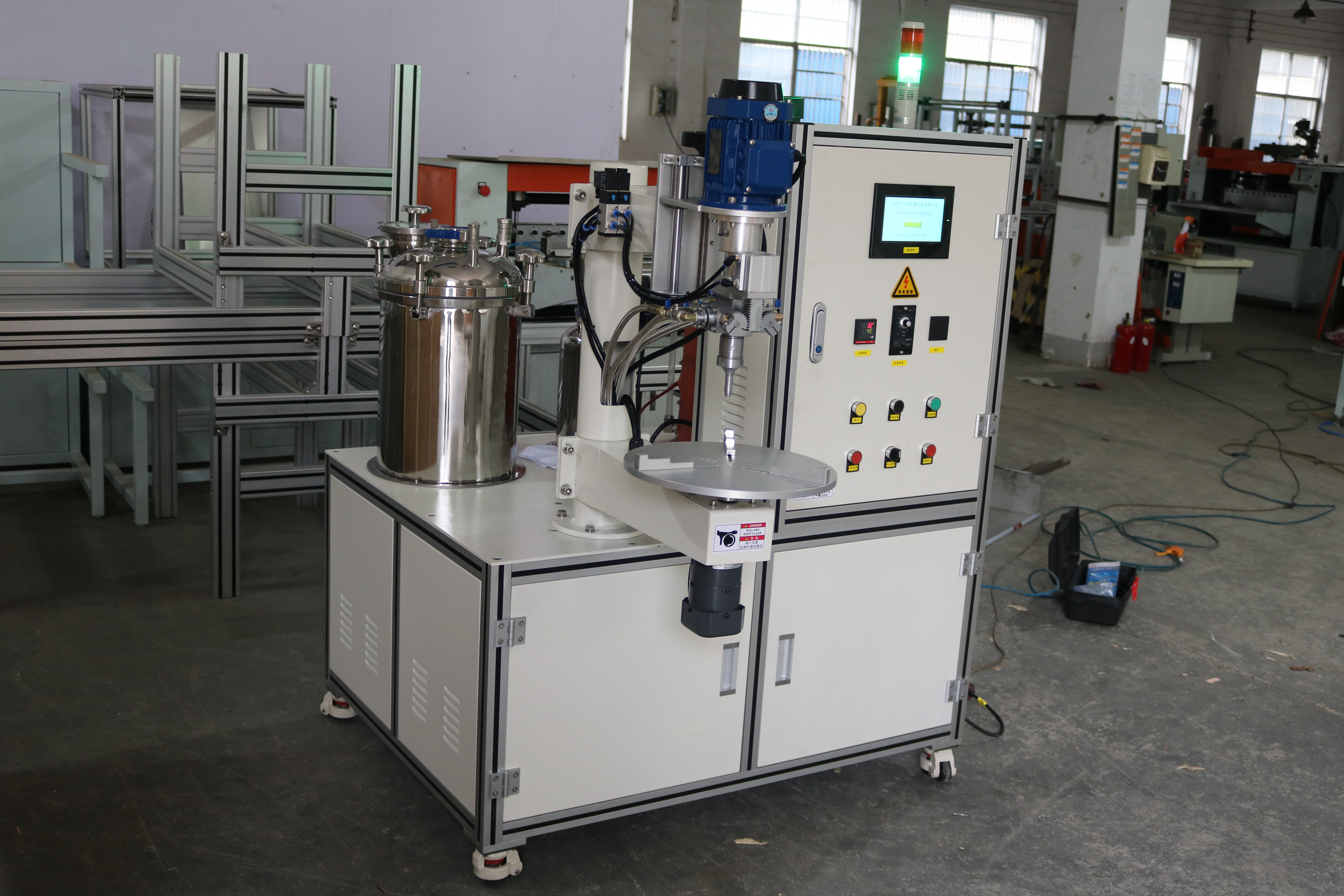
FAQ
What types of adhesives are compatible with automatic gluing systems
Automatic gluing systems are designed to handle a wide variety of adhesive types including hot melt, polyurethane, silicone, epoxy, and water-based formulations. The key compatibility factors include viscosity range, temperature requirements, and chemical properties. Most modern systems can be configured for specific adhesive characteristics through adjustable heating, pumping, and dispensing parameters. It is important to consult with the system manufacturer to ensure proper compatibility with your specific adhesive requirements and application needs.
How long does it typically take to implement an automatic gluing system
Implementation timelines for automatic gluing systems typically range from 4 to 12 weeks depending on the complexity of the application and integration requirements. This includes system design, manufacturing, installation, programming, testing, and operator training phases. Simple retrofit installations may be completed more quickly, while complex custom applications requiring extensive integration may take longer. Proper planning and early involvement of system engineers can help minimize implementation time and ensure smooth startup operations.
What maintenance is required for automatic gluing systems
Regular maintenance for automatic gluing systems includes daily cleaning cycles, weekly calibration checks, monthly component inspections, and annual comprehensive service procedures. Most systems include automated maintenance reminders and diagnostic tools that help identify service needs before problems occur. Typical maintenance tasks include cleaning dispensing components, checking sensor calibration, inspecting pneumatic connections, and updating software as needed. Preventive maintenance schedules should be followed to ensure optimal performance and longevity.
Can automatic gluing systems handle multiple filter sizes and configurations
Yes, most automatic gluing systems are designed with flexibility to accommodate multiple filter sizes and configurations through programmable recipes and adjustable fixturing. Quick-change tooling allows rapid transitions between different product specifications with minimal setup time. Recipe-based programming stores specific parameters for each filter type, enabling operators to switch between products efficiently. This flexibility makes automatic gluing systems suitable for manufacturers producing diverse filter product lines or those planning future product expansion.