
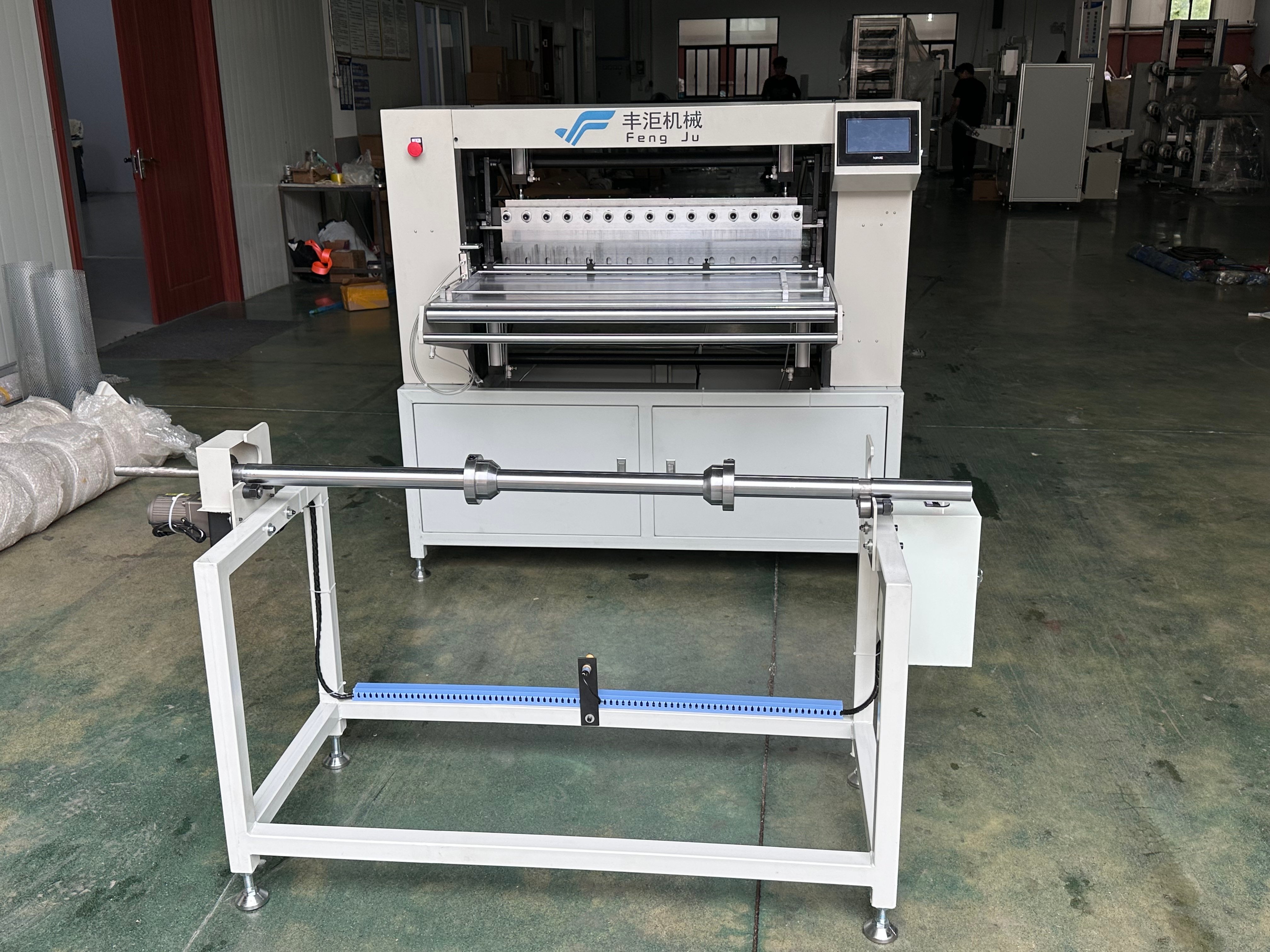
A semi-automatic pleating machine represents a significant investment in fabric processing operations, and proper maintenance is essential to maximize its lifespan and productivity. Understanding how to maintain a semi-automatic pleating machine effectively ensures consistent output quality, reduces unexpected downtime, and protects your equipment from premature wear. Whether you operate a textile production facility or manage a commercial laundry service, knowing the fundamentals of semi-automatic pleating machine care directly impacts your operational efficiency and bottom line.
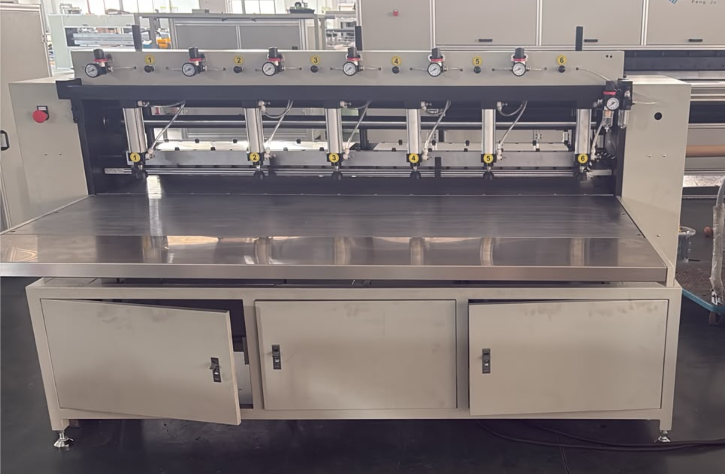
Maintaining a semi-automatic pleating machine requires a structured approach that combines daily inspections, regular lubrication, preventive component replacement, and professional servicing. This guide walks you through the key maintenance protocols that keep your semi-automatic pleating machine operating at peak efficiency while extending its operational lifespan significantly.
Daily Inspection and Cleaning Routines
Pre-Operation Checks for Your Semi-Automatic Pleating Machine
Before running your semi-automatic pleating machine each day, conduct a comprehensive visual inspection to identify any potential issues early. Check the heating elements for visible damage or discoloration, examine the platen surfaces for debris accumulation, and verify that all guards and safety mechanisms are properly positioned. Your semi-automatic pleating machine's control panel should display no error codes, and all mechanical components should move freely without grinding sounds or resistance.
Test the steam or heat distribution system by running a short cycle without fabric to ensure uniform temperature across the work surface. This simple pre-operation test for your semi-automatic pleating machine prevents quality defects and identifies problems before they affect your production run. Pay particular attention to any unusual odors, vibrations, or mechanical sounds that might indicate developing issues with your semi-automatic pleating machine.
Cleaning Procedures to Protect Your Semi-Automatic Pleating Machine
Fabric residue, lint, and mineral deposits accumulate quickly on a semi-automatic pleating machine during regular operation. Remove loose debris from the heating platens and guide rails daily using soft brushes or compressed air, never using harsh abrasive materials that damage the precision-ground surfaces. Your semi-automatic pleating machine's rollers and transport mechanisms should be cleared of fabric threads and lint buildup to maintain consistent fabric movement and prevent jamming.
For steam-based semi-automatic pleating machine models, descaling the steam generation system monthly prevents mineral buildup that reduces heat transfer efficiency. Use manufacturer-approved descaling solutions and follow the specific procedures outlined in your semi-automatic pleating machine documentation to avoid damage to internal components. Allow your semi-automatic pleating machine to cool completely before cleaning any electrical connections or control surfaces.
Lubrication and Component Maintenance
Proper Lubrication Schedules for Semi-Automatic Pleating Machine Systems
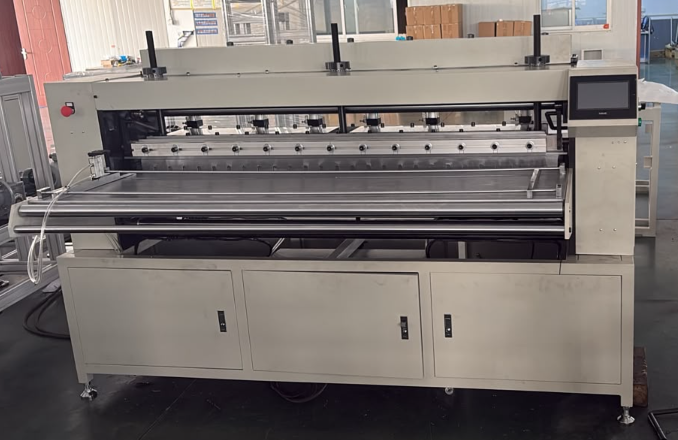
Mechanical friction in a semi-automatic pleating machine accelerates wear on moving parts, making regular lubrication absolutely critical to longevity. Identify all pivot points, rail systems, and motor bearings specified in your semi-automatic pleating machine manual and establish a lubrication schedule that matches your operational volume. Light machine oil applied every two weeks maintains smooth motion in your semi-automatic pleating machine, while heavy-duty lubricating grease should be applied to high-load joints quarterly.
Never over-lubricate your semi-automatic pleating machine, as excess lubricant attracts dust and creates sticky buildup on fabric processing surfaces. Apply only the amount your semi-automatic pleating machine manufacturer recommends, typically a few drops at each connection point. Use only lubricants specified for your semi-automatic pleating machine model, as incompatible products may damage seals, elastomers, or electronic components.
Belt and Drive System Care for Your Semi-Automatic Pleating Machine
The drive belts in your semi-automatic pleating machine transmit power from the motor to the mechanical components and require regular inspection for wear, fraying, or misalignment. Check belt tension monthly according to your semi-automatic pleating machine specifications using a tension gauge or the deflection method outlined in your manual. A loose belt reduces efficiency and increases slippage in your semi-automatic pleating machine, while an over-tensioned belt accelerates bearing wear and motor stress.
Replace drive belts on your semi-automatic pleating machine every 12 to 18 months, depending on operational intensity, or immediately if you notice cracking, glazing, or edge fraying. Proper belt alignment prevents premature wear on your semi-automatic pleating machine and ensures smooth power transmission throughout the mechanical system. After belt replacement on your semi-automatic pleating machine, run several test cycles and verify that all mechanical motions operate smoothly without vibration or grinding noise.
Temperature Control and Thermal System Maintenance
Temperature Calibration for Optimal Semi-Automatic Pleating Machine Performance
Accurate temperature control is fundamental to consistent pleat formation and fabric finish quality on your semi-automatic pleating machine. Use a calibrated infrared thermometer to verify that the platen surfaces reach and maintain the temperatures shown on your semi-automatic pleating machine control panel at least monthly. Temperature drift indicates thermostat degradation or heating element failure on your semi-automatic pleating machine, requiring professional recalibration or component replacement.
Document all temperature readings in a maintenance log for your semi-automatic pleating machine to track performance trends and predict when recalibration becomes necessary. If your semi-automatic pleating machine shows temperature variations across different zones, the heating element may require cleaning or replacement to restore uniform heat distribution. Professional service technicians should recalibrate your semi-automatic pleating machine annually to maintain accuracy within manufacturer specifications.
Heat Exchanger and Cooling System Maintenance
Your semi-automatic pleating machine's heat dissipation system prevents thermal damage to electronic controls and extends component lifespan significantly. Clean air vents and cooling fans on your semi-automatic pleating machine monthly to remove dust accumulation that restricts airflow and causes internal temperature rise. Never block ventilation areas around your semi-automatic pleating machine, and ensure adequate space for air circulation around the equipment frame.
If your semi-automatic pleating machine uses a water-cooled system, flush and replace the cooling fluid annually to prevent algae growth and mineral deposits that reduce heat transfer efficiency. Check all coolant hoses and connections on your semi-automatic pleating machine monthly for leaks or deterioration, replacing any damaged sections immediately to prevent internal component contamination. Monitor your semi-automatic pleating machine operating temperature closely; if thermal readings rise above normal levels, the cooling system likely requires professional service.
FAQ
How often should I perform maintenance on my semi-automatic pleating machine?
Establish a daily inspection routine before operating your semi-automatic pleating machine, perform lubrication every two weeks, and conduct detailed component inspections monthly. Your semi-automatic pleating machine should receive professional servicing at least annually, or more frequently if your operational volume exceeds 40 hours weekly. Follow the specific maintenance schedule in your semi-automatic pleating machine manual, as different models and operational intensities may require adjusted timelines.
What are common warning signs that my semi-automatic pleating machine needs service?
Unusual vibrations, grinding sounds, temperature fluctuations, inconsistent pleat formation, or error codes on your semi-automatic pleating machine display indicate developing problems. If your semi-automatic pleating machine produces fabric with wrinkles, uneven pleats, or surface damage despite correct settings, internal component wear may be the cause. Decreased speed, longer cycle times, or excessive heat generation from your semi-automatic pleating machine suggest mechanical friction or drive system issues requiring professional attention.
Can I perform all maintenance tasks myself, or do I need professional service for my semi-automatic pleating machine?
You can confidently perform daily cleaning, lubrication, and visual inspections on your semi-automatic pleating machine using the procedures in your manual. Professional technicians should handle temperature recalibration, heating element replacement, electrical system diagnostics, and any repairs inside your semi-automatic pleating machine control unit. Many facilities pair routine self-maintenance with annual professional servicing to balance cost-effectiveness with equipment reliability and warranty compliance for your semi-automatic pleating machine.