
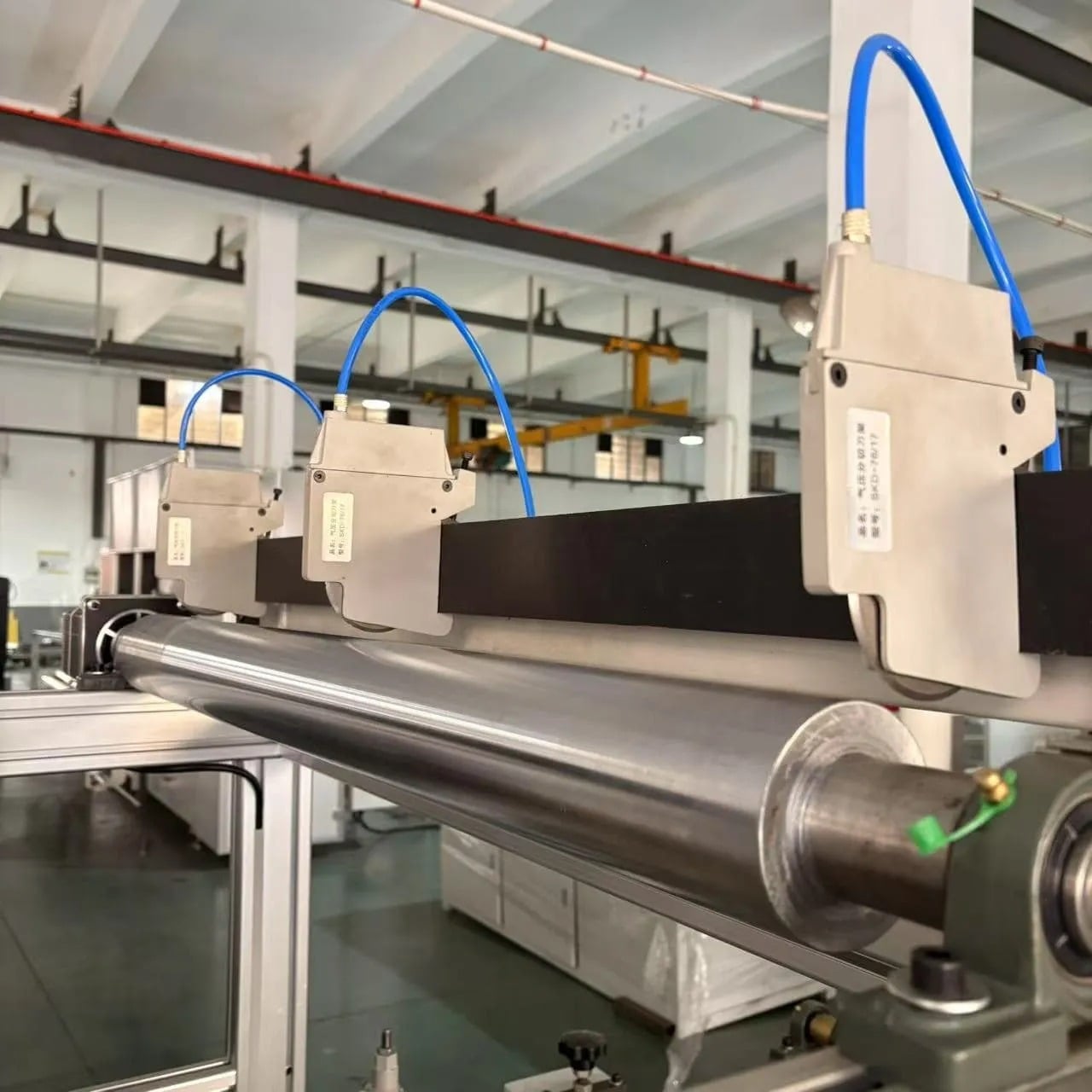
Choosing the right hepa air filter machine is one of the most critical decisions for manufacturing operations that prioritize air quality and worker safety. A properly selected hepa air filter machine ensures consistent filtration performance, reduces maintenance costs, and extends equipment lifespan across your production facility. The selection process requires understanding your facility's specific air quality challenges, production volume, space constraints, and long-term operational goals.
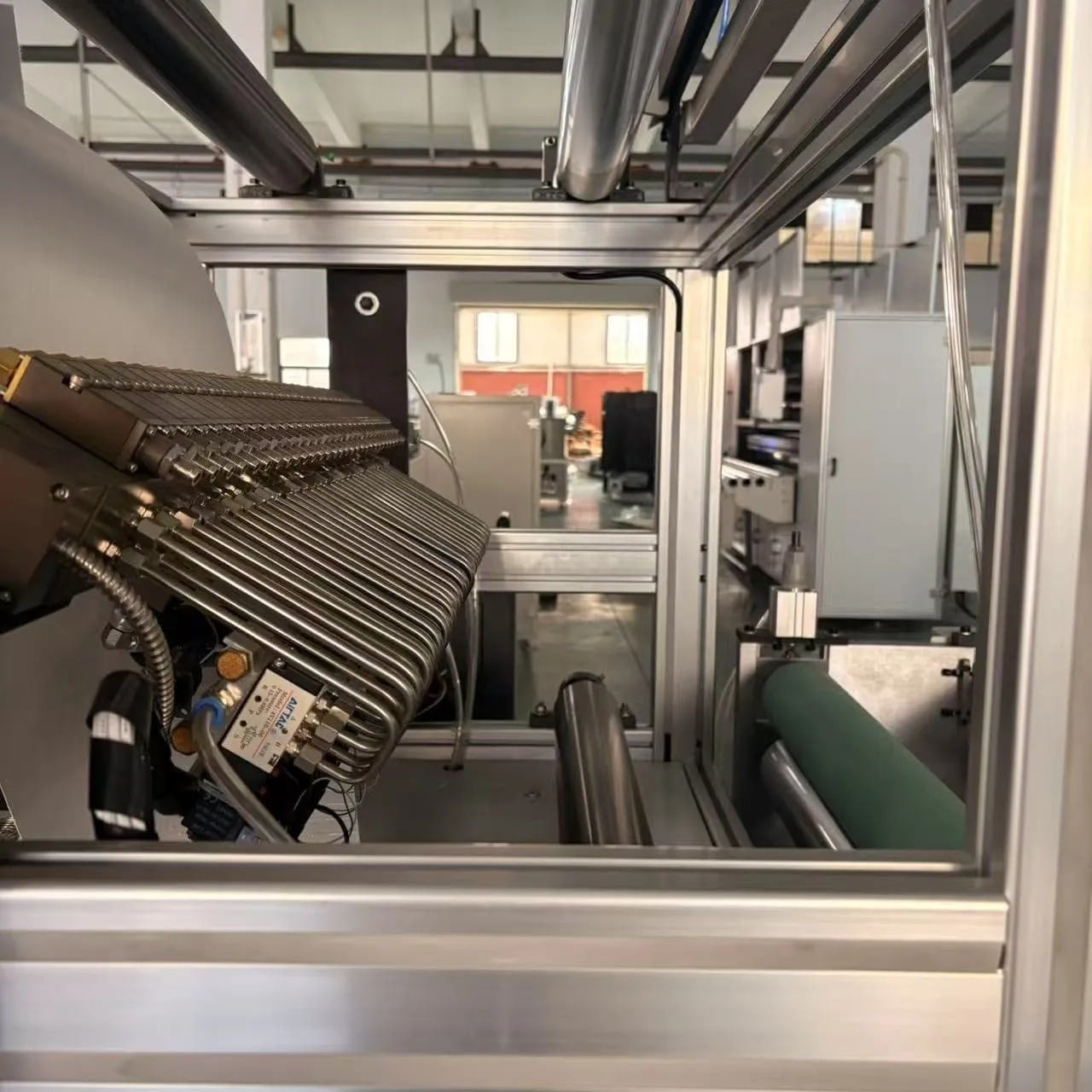
The hepa air filter machine selection process extends beyond basic functionality. Your production environment, filtration requirements, budget constraints, and space availability all influence which hepa air filter machine model best serves your operational needs. Understanding these factors helps ensure your hepa air filter machine delivers consistent performance while maintaining regulatory compliance and supporting worker health standards in demanding industrial settings.
Assessing Your Production Air Quality Requirements
Understanding Contamination Levels in Your Facility
Before selecting a hepa air filter machine, conduct a thorough assessment of your production environment's contamination profile. Different manufacturing processes generate varying particle types, sizes, and concentrations. A hepa air filter machine must be sized and configured to handle the specific particulate burden your facility generates. Fiber production, dust generation from material handling, and chemical aerosol emissions all require different hepa air filter machine specifications and filtration stages.
Air quality monitoring should identify peak contamination periods and baseline particle concentrations. This data informs which hepa air filter machine capacity and filtration efficiency you need. A hepa air filter machine rated for lower volumes will become overwhelmed during peak production, resulting in reduced performance and increased filter replacement frequency. Conversely, an oversized hepa air filter machine wastes energy and operational budget.
Calculating Required Air Exchange Rates
Your facility's cubic footage and desired air exchange rates determine the airflow capacity your hepa air filter machine must provide. Industrial standards typically recommend 4 to 8 air changes per hour in production areas, depending on contamination sources and regulatory requirements. The hepa air filter machine's cubic feet per minute (CFM) rating must exceed your calculated requirement to maintain consistent air quality throughout your facility.
A properly sized hepa air filter machine ensures adequate air circulation while maintaining energy efficiency. Undersized units create stagnant zones where contaminants accumulate, while oversized hepa air filter machine units consume excessive energy without proportional benefits. Professional air quality assessments help determine the optimal hepa air filter machine capacity for your specific production layout and contamination sources.
Evaluating Hepa Air Filter Machine Specifications and Performance Metrics
Filtration Efficiency and Particle Capture Capabilities
HEPA filtration standards require 99.97% capture efficiency for particles 0.3 micrometers and larger. However, not all hepa air filter machine models perform identically. Verify that your hepa air filter machine meets or exceeds these standards through independent testing certifications. The filter media composition, pleating design, and frame construction all influence a hepa air filter machine's actual capture efficiency and lifespan.
When evaluating a hepa air filter machine, examine the specific filter media specifications, including thickness, density, and composition. Premium hepa air filter machine filters typically use borosilicate microfiber media that withstands moisture and temperature variations better than basic alternatives. The hepa air filter machine's pre-filtration stage significantly impacts how long the main HEPA filter remains effective, directly affecting your maintenance costs and operational continuity.
Noise Output and Energy Consumption
Industrial hepa air filter machine units generate noise during operation. Most production environments require hepa air filter machine systems operating below 80 decibels to protect worker hearing and maintain comfortable working conditions. Examine the hepa air filter machine's acoustic design, including motor type, vibration isolation, and casing materials that reduce sound transmission. Energy consumption varies significantly between hepa air filter machine models of similar capacity, with differences of 20–30% between efficient and standard designs.
A hepa air filter machine with superior noise control and energy-efficient operation reduces long-term operational costs while improving worker satisfaction. Many manufacturers now offer variable-speed hepa air filter machine models that adjust airflow based on real-time contamination levels, automatically optimizing energy use during low-demand periods. These intelligent hepa air filter machine systems provide equivalent filtration performance while reducing electricity costs by 15–25% annually.
Installation Requirements and Maintenance Considerations
Physical Space and Airflow Integration
The hepa air filter machine must fit your facility's physical layout and integrate seamlessly with existing HVAC systems. Evaluate ceiling height, floor space availability, and proximity to contamination sources when selecting a hepa air filter machine model. Improper placement reduces a hepa air filter machine's effectiveness regardless of filtration capability. Wall-mounted, ceiling-mounted, and portable hepa air filter machine options exist, each suited to different facility layouts and production requirements.
Air intake and exhaust ductwork must minimize resistance to maintain your hepa air filter machine's rated performance. Flexible ducting, elbows, and complex routing reduce airflow efficiency even with a properly sized hepa air filter machine. Professional installation ensures your hepa air filter machine achieves maximum effectiveness while minimizing wasted energy. Verify that your hepa air filter machine placement allows adequate clearance for filter replacement and routine maintenance access.
Filter Replacement Cycles and Maintenance Access
A practical hepa air filter machine selection must account for filter replacement frequency and accessibility. Filters accumulate contaminants over time, gradually increasing the hepa air filter machine's airflow resistance and reducing effectiveness. Standard HEPA filters require replacement every 6–12 months depending on environmental contamination levels. A hepa air filter machine with easy access to filter compartments reduces maintenance time and associated labor costs throughout the equipment's operational life.
Consider whether your hepa air filter machine supports washable or disposable filter options. Disposable hepa air filter machine filters provide consistent performance but generate recurring material costs. Washable hepa air filter machine filters reduce long-term expenses but require specific drying and storage procedures to maintain effectiveness. Your selection should balance initial equipment cost, ongoing filter expenses, and available maintenance resources within your production facility.
FAQ
What size hepa air filter machine do I need for my production facility?
The appropriate hepa air filter machine size depends on your facility's cubic footage, contamination level, and required air exchange rate. Calculate total room volume and multiply by your desired air changes per hour, typically 4–8 for production environments. A hepa air filter machine must provide sufficient CFM capacity to achieve this circulation rate while accounting for ductwork resistance losses. Professional air quality assessments help determine the optimal hepa air filter machine capacity for your specific production layout and contamination profile.
How often should I replace filters in a hepa air filter machine?
Most hepa air filter machine filters require replacement every 6–12 months, though this varies based on environmental contamination levels and filter quality. Monitors on your hepa air filter machine indicate when filter resistance increases and replacement becomes necessary. A properly maintained hepa air filter machine with timely filter changes ensures consistent performance and extends equipment lifespan. Pre-filters on your hepa air filter machine should be checked monthly and replaced more frequently if exposed to high particulate loads.
Can I use a hepa air filter machine in any production environment?
While hepa air filter machine units work in most production settings, specific environments require special consideration. Wet production areas need hepa air filter machine models with moisture-resistant components and drainage provisions. High-temperature environments require hepa air filter machine filters rated for elevated heat exposure. Chemical-intensive facilities may need hepa air filter machine pre-filtration or specialized media. Always verify that your hepa air filter machine specifications match your facility's specific environmental conditions before purchasing.