
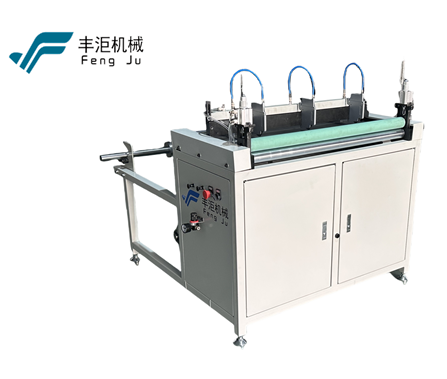
The filter pleating machine industry is experiencing unprecedented transformation driven by cutting-edge technological breakthroughs, environmental regulations, and evolving industrial demands. These innovations are reshaping how manufacturers approach filter production, with advanced automation, precision engineering, and sustainable manufacturing practices becoming the cornerstone of modern filter pleating machine development. Understanding these technological drivers is essential for businesses seeking to optimize their filtration manufacturing processes and maintain competitive advantage in an increasingly sophisticated marketplace.
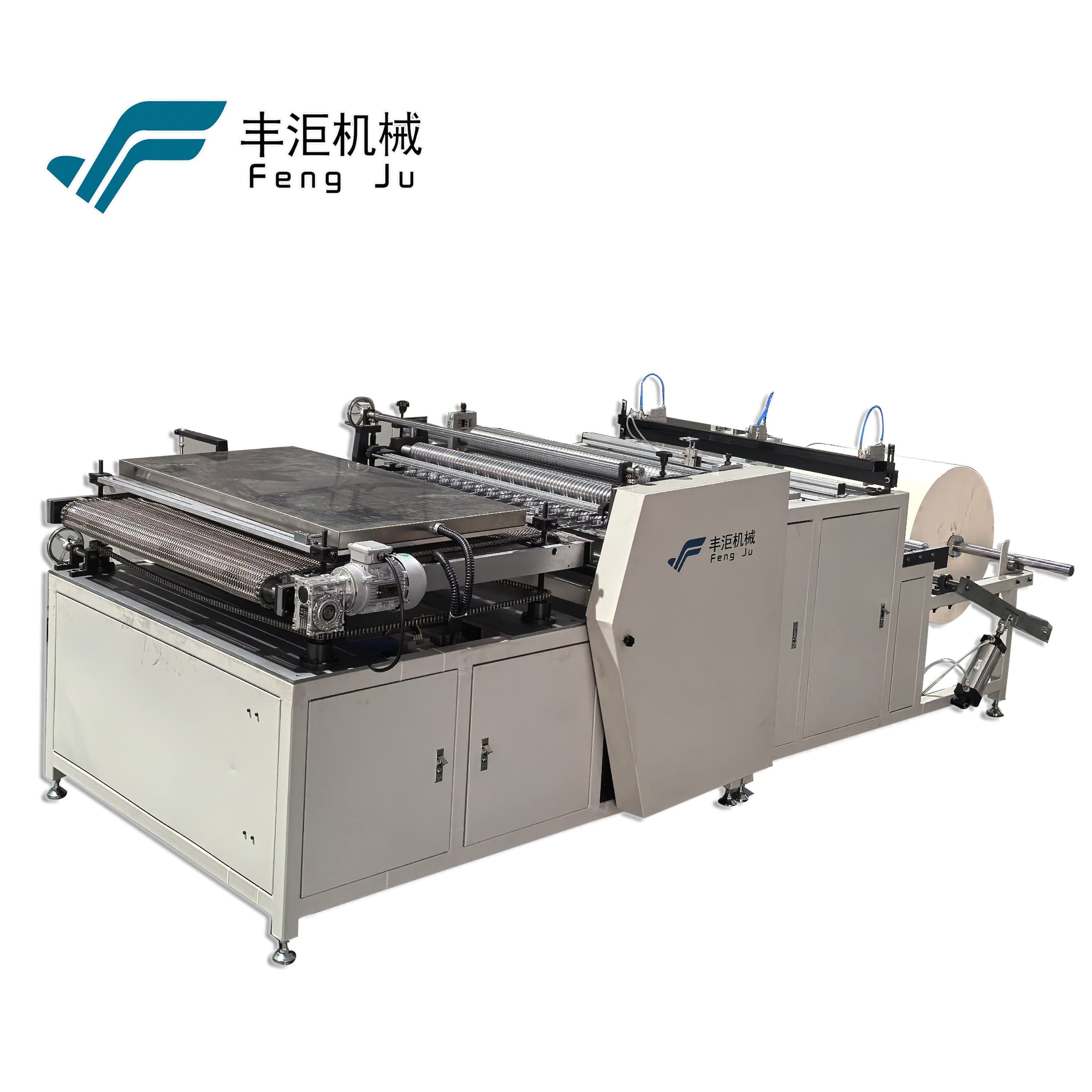
The convergence of Industry 4.0 technologies, stricter environmental standards, and growing demand for high-efficiency filtration solutions is fundamentally altering the filter pleating machine landscape. From intelligent automation systems that ensure consistent pleat formation to eco-friendly manufacturing processes that reduce waste, these innovations are enabling manufacturers to produce superior filter elements while achieving greater operational efficiency and cost-effectiveness.
Smart Automation and Digital Integration
Advanced Control Systems and Real-Time Monitoring
Modern filter pleating machine technology incorporates sophisticated programmable logic controllers and human-machine interfaces that provide unprecedented control over the pleating process. These systems enable operators to monitor critical parameters such as pleat depth, spacing consistency, and material tension in real-time, ensuring optimal filter performance and reducing material waste. The integration of touchscreen interfaces and intuitive software platforms has simplified machine operation while providing detailed production analytics.
Smart sensors embedded throughout the filter pleating machine continuously collect data on operational parameters, enabling predictive maintenance capabilities that minimize downtime and extend equipment lifespan. These sensors detect variations in material properties, machine vibration, and thermal conditions, automatically adjusting settings to maintain consistent output quality. This level of automation reduces dependency on operator expertise while ensuring reproducible results across production runs.
Internet of Things Connectivity and Remote Management
The integration of IoT technology in filter pleating machine systems enables remote monitoring and management capabilities that transform how manufacturers operate their equipment. Cloud-based platforms allow engineers to access machine performance data, troubleshoot issues, and optimize settings from anywhere in the world, reducing response times and minimizing production interruptions. This connectivity also facilitates software updates and feature enhancements without requiring on-site technical visits.
Machine learning algorithms analyze historical production data to identify patterns and optimize pleating parameters for different filter media types and applications. These intelligent systems can automatically adjust machine settings based on material characteristics, environmental conditions, and quality requirements, continuously improving production efficiency and filter element consistency. The ability to share best practices and optimization settings across multiple machines and facilities accelerates process improvement initiatives.
Advanced Material Handling and Processing Technologies
Multi-Material Compatibility and Adaptive Processing
Contemporary filter pleating machine designs accommodate an increasingly diverse range of filter media materials, from traditional cellulose and synthetic fibers to advanced nanofiber composites and PTFE membranes. Innovative material handling systems automatically detect and adjust to different material properties, ensuring optimal pleat formation regardless of thickness, stiffness, or surface characteristics. This adaptability enables manufacturers to respond quickly to changing market demands and expand their product offerings.
Servo-driven material feed mechanisms provide precise control over material tension and advancement rates, preventing stretching, tearing, or deformation during the pleating process. These systems incorporate feedback sensors that continuously monitor material conditions and automatically compensate for variations in thickness or elasticity. The result is consistent pleat geometry and improved filter element quality across diverse material types.
High-Speed Processing and Efficiency Enhancements
Modern filter pleating machine technology achieves significantly higher production speeds while maintaining exceptional quality standards through innovative mechanical design and control algorithms. Advanced pleating wheels and forming mechanisms operate at increased rotational speeds without compromising pleat integrity or dimensional accuracy. These efficiency gains translate to substantial cost savings and improved manufacturing competitiveness.
Continuous-feed systems eliminate the need for material cutting and repositioning between pleating cycles, enabling uninterrupted production and maximizing throughput. Integrated waste reduction technologies capture and recycle trim materials, minimizing raw material consumption and environmental impact. These innovations demonstrate how filter pleating machine manufacturers are balancing productivity demands with sustainability objectives.
Precision Engineering and Quality Control Innovations
Laser-Guided Alignment and Dimensional Control
State-of-the-art filter pleating machine systems incorporate laser measurement and guidance technologies that ensure exceptional dimensional accuracy throughout the pleating process. These systems continuously monitor pleat height, spacing, and alignment, automatically correcting deviations before they affect product quality. Laser-based quality control eliminates the variability associated with manual measurement and adjustment, resulting in consistently precise filter elements.
Vision systems equipped with high-resolution cameras inspect each pleat as it forms, detecting defects such as irregular spacing, damaged material, or contamination. When issues are identified, the system can automatically adjust parameters or alert operators to address problems before they propagate through the production run. This real-time quality monitoring capability significantly reduces waste and ensures that only specification-compliant products reach customers.
Modular Design and Customization Capabilities
Innovative modular filter pleating machine architectures enable manufacturers to configure equipment specifically for their production requirements and easily adapt to changing needs. Interchangeable pleating wheels, adjustable forming mechanisms, and reconfigurable material handling systems provide flexibility that was previously unavailable in traditional fixed-configuration machines. This modularity reduces capital investment requirements and accelerates production changeovers.
Custom tooling and specialized attachments allow filter pleating machine operators to produce unique filter geometries and specialized configurations for niche applications. These capabilities enable manufacturers to serve specialized markets and differentiate their products from standard offerings. The ability to quickly reconfigure equipment for different product lines improves asset utilization and supports diversified manufacturing strategies.
Environmental Sustainability and Energy Efficiency
Eco-Friendly Manufacturing Processes
Environmental consciousness is driving significant innovations in filter pleating machine design, with manufacturers developing systems that minimize energy consumption, reduce waste generation, and eliminate harmful emissions. Advanced motor technologies, optimized mechanical systems, and intelligent power management reduce energy requirements by up to thirty percent compared to previous generation equipment. These efficiency improvements reduce operating costs while supporting corporate sustainability initiatives.
Solvent-free adhesive application systems eliminate volatile organic compound emissions while maintaining strong bond integrity in pleated filter elements. These environmentally friendly bonding technologies use hot-melt adhesives, ultrasonic welding, or mechanical fastening methods that achieve equivalent or superior performance compared to traditional solvent-based systems. The elimination of hazardous chemicals simplifies regulatory compliance and improves workplace safety.
Waste Reduction and Material Optimization
Innovative filter pleating machine designs incorporate sophisticated material optimization algorithms that minimize waste generation through precise material utilization and efficient cutting patterns. These systems calculate optimal material layouts and automatically adjust cutting sequences to maximize yield from raw material rolls. Advanced nesting algorithms can achieve material utilization rates exceeding ninety-five percent in many applications.
Integrated recycling systems capture trim materials and defective products for reprocessing or alternative applications, ensuring that minimal waste reaches landfills. Some filter pleating machine installations incorporate on-site material recovery systems that convert production waste into useful byproducts or secondary materials. These closed-loop manufacturing approaches align with circular economy principles and reduce environmental impact.
Market-Driven Technology Development
Industry-Specific Customization and Applications
The diversification of filtration applications across industries is driving specialized filter pleating machine development for automotive, healthcare, industrial process, and consumer applications. Each market segment presents unique requirements for filter geometry, material compatibility, production volumes, and quality standards that influence machine design and capabilities. Automotive applications demand high-volume production capabilities and stringent quality control, while healthcare applications require contamination-free processing and materials traceability.
Specialized filter pleating machine configurations support the production of HEPA filters for pharmaceutical cleanrooms, cabin air filters for automotive applications, and industrial dust collection filters for manufacturing environments. These application-specific machines incorporate unique tooling, material handling systems, and quality control measures tailored to each market's requirements. The ability to serve diverse markets through specialized equipment configurations provides competitive advantages and market expansion opportunities.
Regulatory Compliance and Standards Adaptation
Evolving environmental regulations and performance standards are driving continuous innovation in filter pleating machine technology to ensure manufactured products meet increasingly stringent requirements. Machines must accommodate new filter media materials, achieve tighter dimensional tolerances, and support enhanced quality documentation to comply with emerging standards. These regulatory pressures accelerate technology development and drive adoption of advanced manufacturing capabilities.
Traceability systems integrated into filter pleating machine operations provide comprehensive documentation of material sources, processing parameters, and quality test results for each filter element produced. These systems support regulatory compliance requirements while enabling rapid identification and resolution of quality issues. The ability to provide detailed production records enhances customer confidence and facilitates market access in regulated industries.
FAQ
What are the most significant technological advances in modern filter pleating machines?
The most significant advances include smart automation with IoT connectivity, advanced material handling systems that accommodate diverse filter media, laser-guided precision control, and environmental sustainability features. These innovations enable higher production speeds, improved quality consistency, reduced waste generation, and enhanced operational flexibility compared to traditional equipment.
How do smart automation features improve filter pleating machine performance?
Smart automation improves performance through real-time monitoring and adjustment of critical parameters, predictive maintenance capabilities that prevent unexpected downtime, and machine learning algorithms that continuously optimize processing settings. These features reduce operator dependency, improve product consistency, and maximize equipment utilization while minimizing operational costs.
What environmental benefits do modern filter pleating machines provide?
Modern machines offer substantial environmental benefits including reduced energy consumption through efficient motor technologies, elimination of harmful emissions through solvent-free processes, minimized waste generation through material optimization, and integrated recycling systems. These improvements support corporate sustainability goals while reducing regulatory compliance burdens.
How are filter pleating machines adapting to serve different industry applications?
Machines adapt through modular designs that enable application-specific configurations, specialized tooling for unique filter geometries, advanced material handling systems for diverse media types, and integrated quality control systems that meet varying industry standards. This adaptability allows manufacturers to serve multiple markets with optimized equipment configurations rather than generic solutions.
Table of Contents
- Smart Automation and Digital Integration
- Advanced Material Handling and Processing Technologies
- Precision Engineering and Quality Control Innovations
- Environmental Sustainability and Energy Efficiency
- Market-Driven Technology Development
-
FAQ
- What are the most significant technological advances in modern filter pleating machines?
- How do smart automation features improve filter pleating machine performance?
- What environmental benefits do modern filter pleating machines provide?
- How are filter pleating machines adapting to serve different industry applications?