
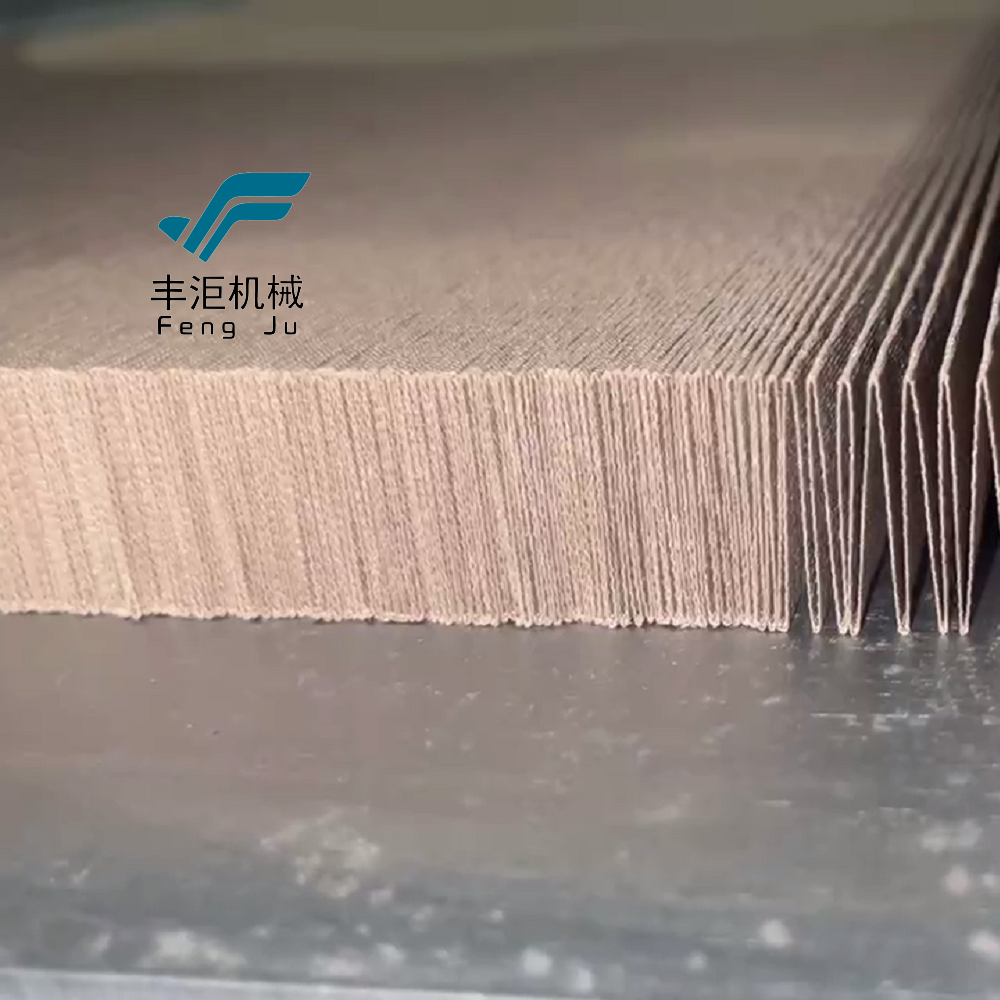
Modern manufacturing industries rely heavily on precision equipment to deliver consistent, high-quality products. When it comes to filter production, textile processing, and various industrial applications, a pleating machine serves as the cornerstone of efficient operations. These sophisticated machines transform flat materials into precisely folded configurations, creating the distinctive accordion-like patterns essential for filter elements, air conditioning systems, and numerous other applications. Understanding the critical features that define an exceptional pleating machine can significantly impact your production efficiency, product quality, and overall operational success.
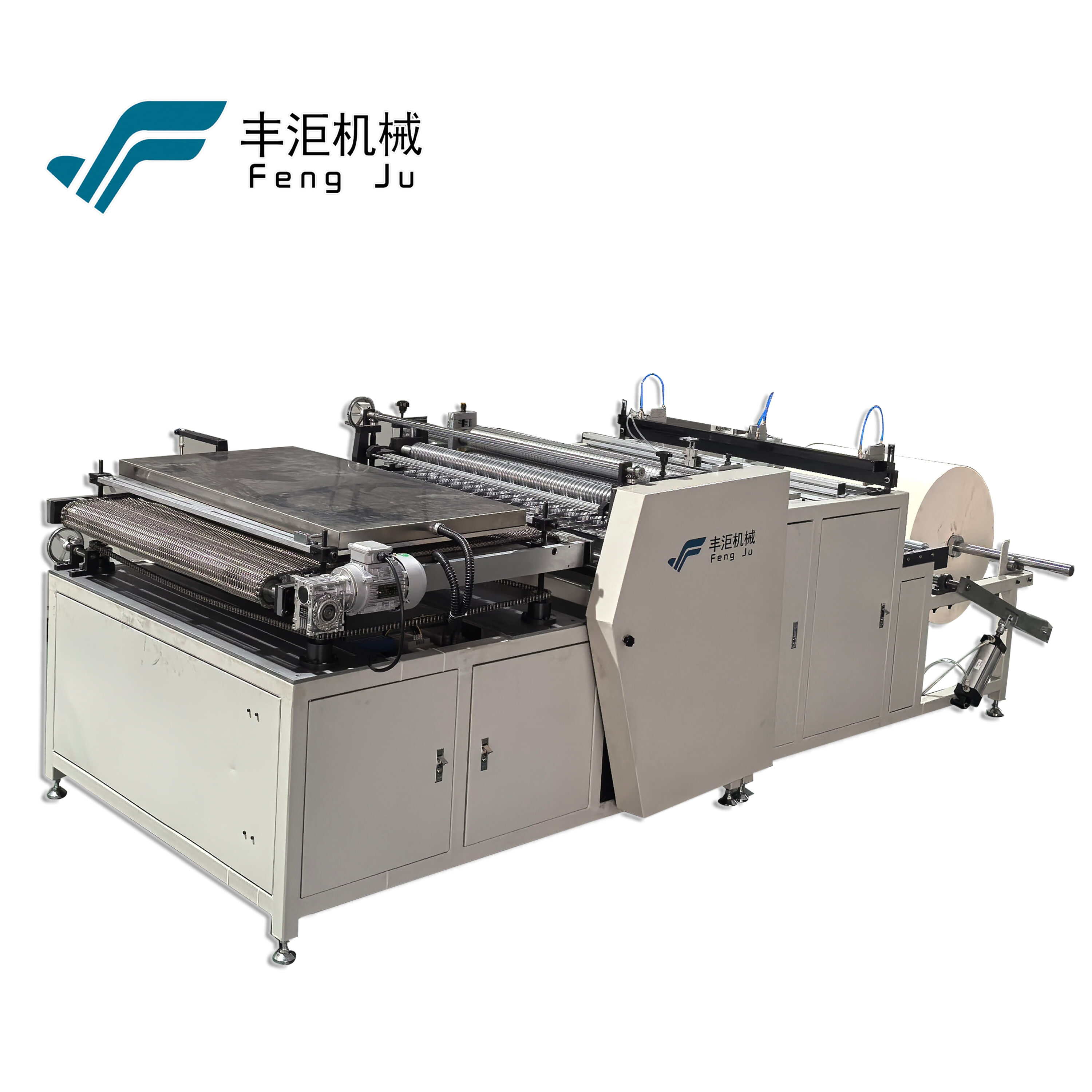
Essential Mechanical Precision Components
Advanced Folding Mechanism Design
The heart of any effective pleating machine lies in its folding mechanism, which must deliver consistent, accurate pleats across various material types and thicknesses. Premium machines incorporate precision-engineered folding wheels or blade systems that maintain exact dimensional tolerances throughout continuous operation. These mechanisms should feature adjustable pleat spacing capabilities, typically ranging from 6mm to 50mm, allowing manufacturers to accommodate diverse product specifications without compromising accuracy.
High-quality folding mechanisms also integrate advanced material guidance systems that prevent wrinkles, tears, or misalignment during the pleating process. The mechanical components must demonstrate exceptional durability, often constructed from hardened steel or specialized alloys that resist wear even under demanding production schedules. Additionally, the folding system should incorporate quick-change capabilities, enabling operators to switch between different pleat configurations with minimal downtime.
Robust Drive System Architecture
A superior pleating machine requires a powerful, reliable drive system that maintains consistent speeds and torque across varying load conditions. Modern machines typically employ servo motor technology, providing precise speed control and instant responsiveness to operational changes. These drive systems should feature variable speed capabilities, allowing operators to optimize production rates based on material characteristics and quality requirements.
The drive architecture must also incorporate sophisticated feedback mechanisms that monitor system performance in real-time, automatically adjusting parameters to maintain optimal pleating quality. Effective systems include overload protection features that prevent damage from material jams or unexpected resistance, while emergency stop functionality ensures operator safety during maintenance or troubleshooting procedures.
Advanced Control and Automation Features
Intelligent Process Control Systems
Contemporary pleating machine designs incorporate sophisticated control systems that streamline operations and enhance product consistency. These systems typically feature intuitive touchscreen interfaces that allow operators to program complex pleating patterns, monitor production metrics, and adjust parameters without extensive technical training. The control system should support multiple recipe storage, enabling quick transitions between different product specifications.
Advanced control systems also integrate diagnostic capabilities that continuously monitor machine health, providing early warning alerts for preventive maintenance requirements. These features significantly reduce unexpected downtime while extending equipment lifespan. Additionally, modern systems often include data logging functionality, capturing production statistics and quality metrics that support continuous improvement initiatives and regulatory compliance requirements.
Precision Measurement and Monitoring Technology
Effective quality control demands accurate measurement and monitoring capabilities throughout the pleating process. Leading pleating machine designs incorporate laser or optical measurement systems that continuously verify pleat dimensions, spacing, and overall product geometry. These systems provide immediate feedback, allowing for real-time adjustments that maintain consistent quality standards.
The monitoring technology should also include material tracking systems that ensure proper positioning and alignment throughout the entire pleating cycle. Advanced machines may incorporate vision systems that detect material defects, contamination, or irregularities before they affect the final product quality, automatically rejecting substandard items and maintaining production efficiency.
Material Handling and Processing Capabilities
Versatile Material Compatibility
A high-performance pleating machine must accommodate diverse material types and specifications without compromising processing quality. This includes compatibility with various paper grades, synthetic materials, nonwoven fabrics, and specialized filter media. The machine should handle material thicknesses ranging from delicate tissue papers to robust industrial filtration materials, maintaining consistent pleat formation across this broad spectrum.
Material handling systems should incorporate adjustable tension controls that prevent stretching, tearing, or deformation during processing. These systems must also feature contamination prevention measures, including dust collection capabilities and sealed processing chambers that maintain clean operating environments essential for filter production applications.
Efficient Feed and Discharge Systems
Streamlined material flow requires sophisticated feed and discharge systems that maintain consistent material presentation and efficient product removal. Modern pleating machine designs incorporate powered unwind systems with automatic tension control, ensuring smooth material delivery without wrinkles or alignment issues. These systems should accommodate various roll sizes and weights, providing flexibility for different production requirements.
The discharge system must efficiently handle completed pleated products without causing damage or distortion. This typically includes powered conveyor systems with adjustable speeds that match production rates, along with stacking or collection systems that organize finished products for subsequent processing or packaging operations.
Quality Assurance and Safety Features
Comprehensive Safety Integration
Industrial pleating machine operations require extensive safety features that protect operators while maintaining productivity. Essential safety systems include emergency stop controls positioned at multiple locations around the machine, along with safety light curtains or pressure-sensitive mats that immediately halt operations when personnel enter hazardous areas. These systems must comply with international safety standards and regulations specific to industrial manufacturing equipment.
Additional safety features should include lockout/tagout capabilities for maintenance procedures, along with clearly marked warning zones and comprehensive operator training programs. Modern machines often incorporate safety monitoring systems that track operator actions and provide automated guidance during complex procedures, reducing the risk of accidents or equipment damage.
Built-in Quality Control Mechanisms
Consistent product quality demands integrated quality control systems that monitor critical parameters throughout the pleating process. These systems should include automatic rejection mechanisms for products that fail to meet specified dimensional tolerances or quality standards. Quality control features typically incorporate statistical process control capabilities that track production trends and identify potential issues before they affect product quality.
Advanced quality systems may include automated sampling procedures that periodically extract products for detailed inspection, along with documentation systems that maintain complete traceability records for quality auditing and regulatory compliance purposes. These features ensure that every pleated product meets established specifications while providing comprehensive quality documentation.
Maintenance and Service Considerations
Accessibility and Serviceability Design
Effective pleating machine maintenance requires accessible design features that facilitate routine service procedures and component replacement. Quality machines incorporate modular construction that allows technicians to quickly access critical components without extensive disassembly. This includes removable panels, hinged covers, and clearly marked service points that reduce maintenance time and complexity.
The machine design should also accommodate standard maintenance tools and procedures, minimizing the need for specialized equipment or extensive technical training. Component standardization across similar machine models can significantly reduce spare parts inventory requirements while ensuring consistent maintenance procedures across multiple production lines.
Predictive Maintenance Capabilities
Modern pleating machine designs increasingly incorporate predictive maintenance technologies that monitor component condition and performance trends. These systems typically include vibration sensors, temperature monitoring, and lubrication tracking that provide early warning indicators for potential maintenance requirements. Predictive maintenance capabilities can significantly reduce unexpected downtime while optimizing maintenance schedules and resource allocation.
Advanced systems may include remote monitoring capabilities that allow service technicians to diagnose potential issues without visiting the production facility. This technology enables proactive maintenance scheduling and reduces the impact of service requirements on production operations, ultimately improving overall equipment effectiveness and manufacturing efficiency.
Environmental and Efficiency Considerations
Energy Efficiency Optimization
Contemporary pleating machine designs prioritize energy efficiency through advanced motor technologies, optimized mechanical systems, and intelligent power management features. Variable frequency drives and servo motor systems provide precise control while minimizing energy consumption during idle periods and light-load operations. These systems can significantly reduce operational costs while supporting environmental sustainability initiatives.
Energy-efficient designs also incorporate regenerative braking systems that capture and reuse energy during deceleration cycles. Additionally, modern machines may include power monitoring systems that track energy consumption patterns and identify opportunities for further efficiency improvements, supporting continuous optimization of production operations.
Waste Reduction and Material Conservation
Efficient pleating machine operations minimize material waste through precise cutting systems, optimized material usage patterns, and effective trim management. Quality machines incorporate waste collection systems that segregate different material types for recycling or reprocessing, supporting environmental responsibility while reducing disposal costs.
Material conservation features may include edge trimming systems that minimize waste generation, along with automatic scrap detection systems that identify and remove defective materials before they consume additional processing resources. These features contribute to improved material utilization rates and reduced environmental impact while supporting cost-effective production operations.
Integration and Connectivity Options
Industry Standard Communication Protocols
Modern manufacturing environments require pleating machine systems that integrate seamlessly with existing production management systems and quality control networks. Quality machines should support standard industrial communication protocols such as Ethernet/IP, Modbus, or PROFINET, enabling real-time data exchange with manufacturing execution systems and enterprise resource planning platforms.
Communication capabilities should include production reporting, quality metrics transmission, and maintenance status updates that support comprehensive production visibility and control. These features enable manufacturers to optimize production scheduling, track overall equipment effectiveness, and implement data-driven continuous improvement initiatives across their operations.
Future-Ready Technology Integration
Investment in pleating machine technology should consider future expansion capabilities and emerging industry trends. Modern systems increasingly incorporate cloud connectivity options that enable remote monitoring, predictive analytics, and performance optimization services. These capabilities provide ongoing value through continuous system improvements and enhanced operational support.
Future-ready designs should also accommodate artificial intelligence and machine learning technologies that can optimize processing parameters based on historical performance data and material characteristics. These advanced capabilities represent the evolution of manufacturing technology toward fully autonomous, self-optimizing production systems that maximize efficiency while maintaining consistent quality standards.
FAQ
What materials can a pleating machine typically process
A versatile pleating machine can process various materials including paper grades from 80-400 GSM, synthetic filter media, nonwoven fabrics, and specialized filtration materials. The machine should accommodate material thicknesses ranging from 0.1mm to 3mm while maintaining consistent pleat formation. Material compatibility depends on the specific machine configuration and optional accessories designed for particular applications.
How do I determine the right pleat spacing for my application
Pleat spacing selection depends on your specific application requirements, material characteristics, and end-use performance criteria. Filter applications typically use 6-12mm spacing for fine filtration and 15-25mm for coarse filtration. The pleating machine should offer adjustable spacing capabilities with precise control systems that ensure consistent dimensions throughout production runs.
What maintenance schedule should I follow for optimal machine performance
Regular maintenance schedules typically include daily cleaning and inspection, weekly lubrication of moving parts, monthly calibration checks, and quarterly comprehensive system evaluations. The specific schedule depends on production volume, material types, and operating conditions. Modern machines with predictive maintenance systems can optimize these schedules based on actual component condition and performance data.
How can I ensure consistent quality across different production runs
Consistent quality requires proper machine calibration, standardized operating procedures, and comprehensive quality control systems. The pleating machine should include recipe management capabilities that store optimal parameters for different materials and products. Regular quality checks, statistical process control, and operator training programs are essential for maintaining consistent results across all production activities.