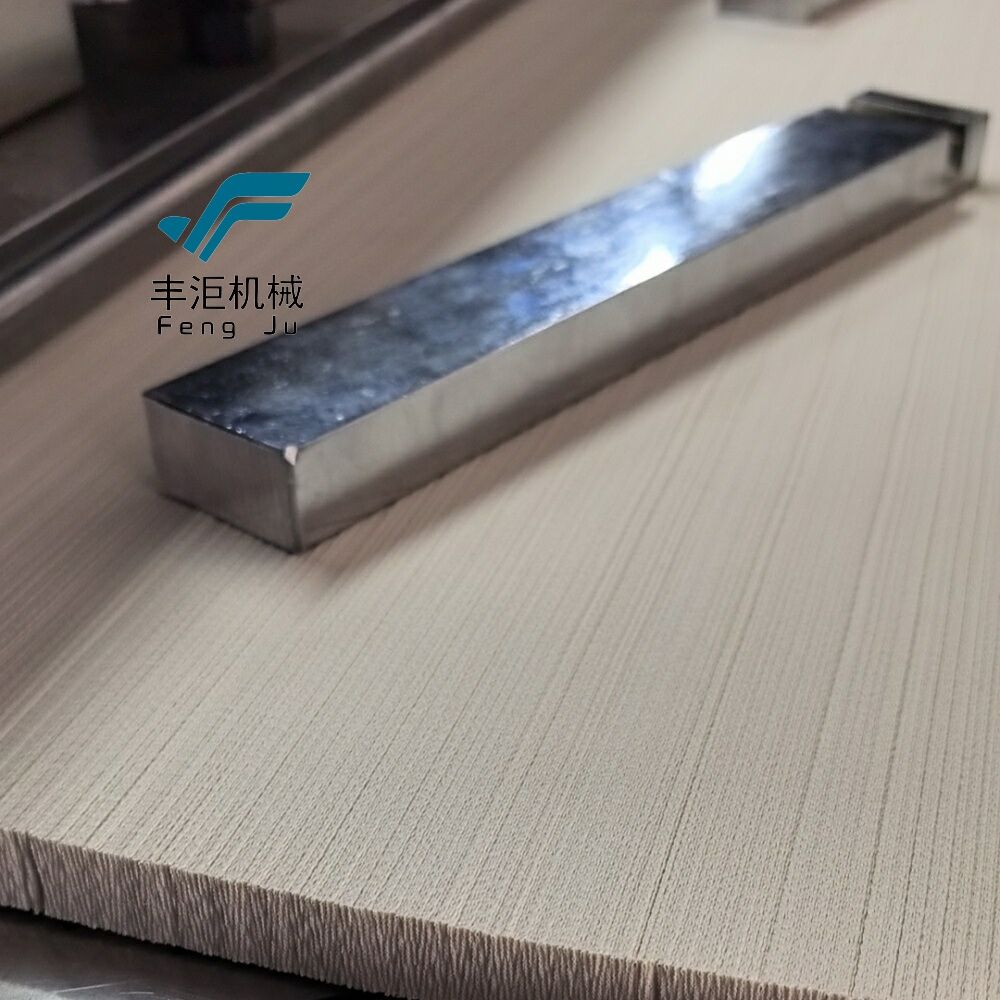
Selecting the right curtain pleating machine for commercial operations requires careful consideration of production volume, fabric types, and operational efficiency needs. Commercial establishments face unique challenges when choosing equipment that must deliver consistent quality while handling diverse curtain materials and pleating styles throughout extended production cycles.
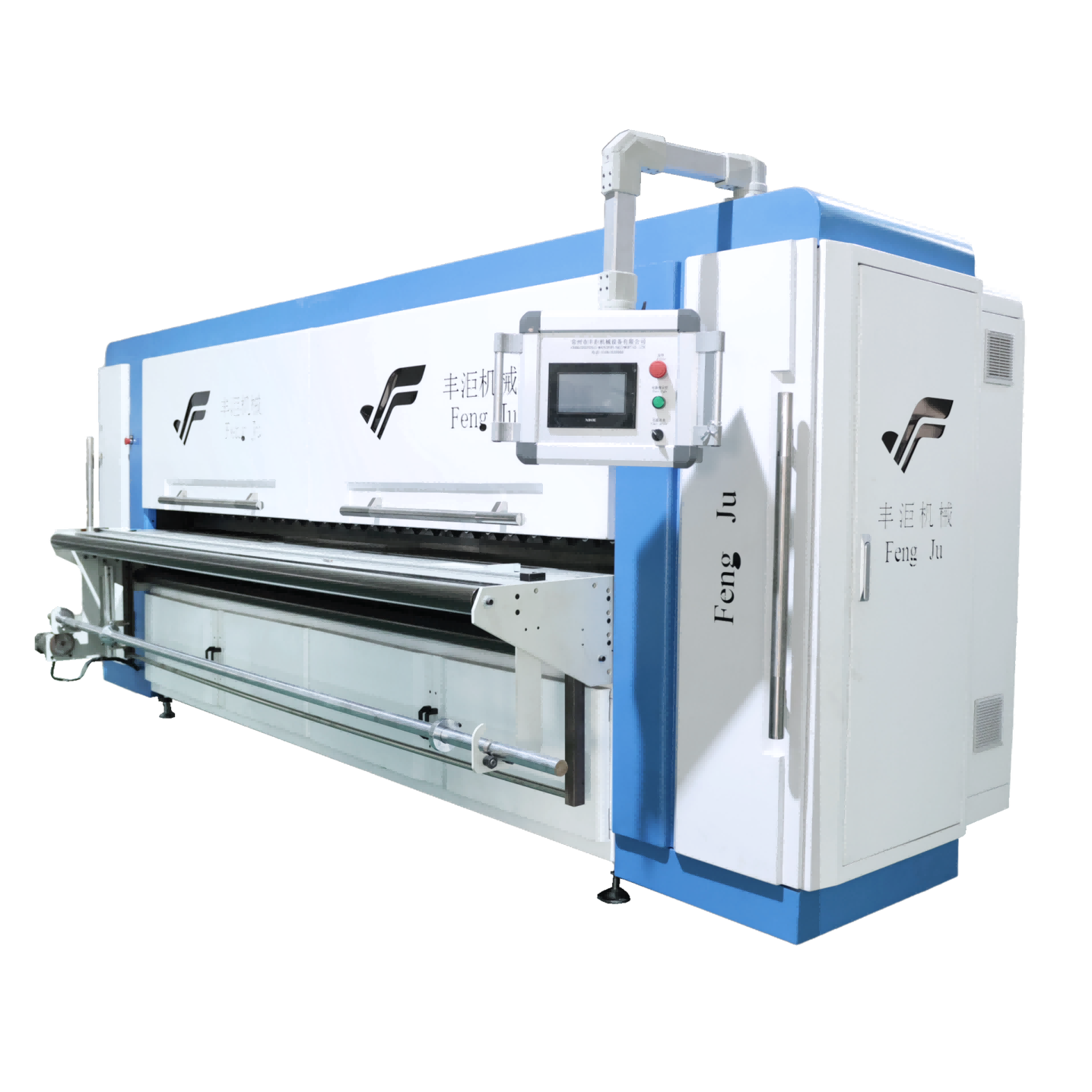
The decision-making process involves evaluating multiple technical specifications, understanding your specific production requirements, and ensuring the chosen curtain pleating machine aligns with your business objectives. This comprehensive guide provides practical insights into key selection criteria, helping commercial buyers make informed decisions that support long-term operational success and profitability.
Understanding Commercial Production Requirements
Production Volume Assessment
Commercial curtain pleating operations must first establish realistic production volume expectations before selecting equipment. A professional curtain pleating machine should accommodate daily output requirements while maintaining consistent quality standards across extended production runs. Understanding peak production periods, seasonal variations, and growth projections helps determine the appropriate machine capacity and speed specifications.
Production volume directly influences machine selection because different models offer varying throughput capabilities. Higher-volume operations benefit from automated feeding systems and faster processing speeds, while smaller commercial operations may prioritize versatility and ease of operation over maximum throughput capacity.
Consider the relationship between production volume and labor costs when evaluating curtain pleating machine options. Machines with higher automation levels reduce manual intervention requirements, making them cost-effective for high-volume commercial applications despite potentially higher initial investment costs.
Fabric Compatibility Requirements
Commercial curtain manufacturers work with diverse fabric types, weights, and textures, requiring a curtain pleating machine capable of handling this variety effectively. Different fabrics respond differently to pleating processes, with some materials requiring specific pressure settings, temperature controls, or specialized folding mechanisms to achieve optimal results.
Lightweight fabrics like sheer materials demand gentle handling capabilities, while heavier fabrics require robust mechanical systems capable of creating precise pleats under increased pressure. The chosen curtain pleating machine must accommodate the full range of materials used in your commercial operation without compromising quality or consistency.
Fabric width capabilities represent another critical compatibility factor, as commercial operations often work with various curtain dimensions. Machines with adjustable width settings provide operational flexibility, allowing manufacturers to handle both standard residential curtains and wide commercial installations using the same equipment.
Technical Specifications and Performance Features
Machine Speed and Efficiency Metrics
Machine processing speed significantly impacts commercial productivity and operational costs. Modern curtain pleating machines offer varying speed ranges, typically measured in linear meters per minute or completed units per hour. Evaluating speed specifications requires balancing throughput requirements with quality expectations and fabric handling capabilities.
Efficiency extends beyond raw speed to include setup time, changeover duration, and maintenance requirements. A curtain pleating machine with quick-change features and minimal setup requirements delivers better overall efficiency than faster machines requiring lengthy preparation times between production runs.
Energy consumption represents an often-overlooked efficiency metric that significantly impacts long-term operational costs. Machines with energy-efficient motors and optimized mechanical systems reduce electricity costs while supporting environmentally responsible manufacturing practices.
Precision and Quality Control Systems
Commercial curtain pleating demands consistent precision across all production runs, requiring machines with reliable measurement systems and quality control features. Advanced curtain pleating machines incorporate sensors and monitoring systems that detect variations in pleat spacing, fabric tension, and fold consistency during operation.
Adjustable pleat spacing capabilities allow commercial manufacturers to offer varied styling options to customers while using the same base equipment. Machines with programmable settings and digital controls provide precise repeatability, ensuring consistent results across multiple production batches.
Quality control systems should include error detection and correction capabilities that minimize waste and rework requirements. Machines with automatic tension adjustment and fabric alignment features reduce operator intervention while maintaining consistent output quality throughout extended production cycles.
Operational Considerations and Workflow Integration
Space Requirements and Installation Factors
Commercial curtain pleating machine installation requires adequate floor space, proper ventilation, and appropriate utility connections. Evaluating available production floor area helps determine whether compact tabletop units or larger floor-standing models better suit your operational requirements and spatial constraints.
Consider workflow patterns and material handling requirements when planning machine placement within your production facility. Efficient curtain pleating operations benefit from strategic equipment positioning that minimizes fabric transportation distances and supports smooth production flow from cutting to finishing processes.
Installation requirements include electrical specifications, compressed air connections, and potential exhaust systems for heat or particle removal. Understanding these infrastructure needs during the selection process prevents unexpected installation costs and delays after equipment purchase.
Operator Training and Skill Requirements
Different curtain pleating machine models require varying operator skill levels and training investments. Machines with intuitive controls and automated features reduce training time and minimize the risk of operator error, making them suitable for operations with high employee turnover or limited technical expertise.
Complex machines with advanced programming capabilities may offer superior flexibility and precision but require more extensive operator training and ongoing skill development. Balancing machine sophistication with available operator capabilities ensures optimal equipment utilization and consistent production quality.
Consider ongoing training needs and technical support availability when selecting equipment suppliers. Manufacturers offering comprehensive training programs and responsive technical support help maximize equipment performance while minimizing production disruptions due to operator errors or technical issues.
Cost Analysis and Return on Investment
Initial Investment and Financing Options
Curtain pleating machine prices vary significantly based on features, capacity, and manufacturer specifications. Establishing a realistic budget requires evaluating both initial purchase costs and associated expenses including installation, training, and initial spare parts inventory.
Many equipment suppliers offer financing options, leasing programs, or rental agreements that help commercial operations acquire necessary machinery without large upfront capital investments. These alternative financing approaches can improve cash flow while providing access to advanced curtain pleating technology.
Compare total cost of ownership across different machine options, including purchase price, installation costs, training expenses, and projected maintenance requirements over the equipment's expected service life. This comprehensive analysis provides more accurate cost comparisons than focusing solely on initial purchase prices.
Operational Cost Projections
Ongoing operational costs include electricity consumption, routine maintenance, replacement parts, and periodic service requirements. Energy-efficient curtain pleating machines with reliable mechanical systems typically offer lower long-term operational costs despite potentially higher initial investments.
Labor cost implications deserve careful consideration, as automated machines reduce direct labor requirements while potentially requiring higher-skilled operators for setup and maintenance activities. Calculate labor cost savings based on your specific wage rates and production volume projections.
Maintenance cost projections should account for routine service intervals, replacement part availability, and service technician accessibility. Machines from established manufacturers with local service networks typically offer lower maintenance costs and reduced downtime risks compared to imported equipment with limited support infrastructure.
Quality Standards and Compliance Requirements
Industry Standards and Certifications
Commercial curtain pleating machines should meet relevant industry standards for safety, performance, and environmental compliance. Equipment certifications from recognized testing organizations provide assurance of quality construction and safe operation in commercial environments.
Safety certifications become particularly important in commercial settings where multiple operators use equipment throughout extended shifts. Machines with proper guarding, emergency stops, and safety interlocks protect workers while reducing liability risks for commercial operations.
Environmental compliance standards may affect machine selection in regulated industries or regions with strict environmental requirements. Curtain pleating machines with low emissions, energy efficiency certifications, and recyclable construction materials support sustainable manufacturing practices while ensuring regulatory compliance.
Quality Assurance and Testing Capabilities
Advanced curtain pleating machines incorporate quality monitoring systems that detect and correct variations in pleat formation, spacing, and fabric handling during production. These systems help maintain consistent output quality while reducing waste and rework requirements.
Testing capabilities allow operators to verify machine performance and pleat quality before beginning full production runs. Machines with built-in testing protocols and adjustment features enable rapid setup optimization and consistent results across different fabric types and pleating specifications.
Documentation and traceability features support quality management systems by recording production parameters, batch information, and quality metrics for each production run. This data proves valuable for continuous improvement efforts and customer quality assurance requirements.
FAQ
What production volume justifies investing in a commercial curtain pleating machine?
Commercial curtain pleating machines become cost-effective when daily production exceeds 50-100 curtain panels, depending on fabric complexity and profit margins. Operations processing fewer units may benefit from manual pleating methods or outsourcing until volume increases. Consider growth projections and seasonal variations when evaluating volume thresholds for equipment investment.
How do fabric weight limitations affect curtain pleating machine selection?
Most commercial curtain pleating machines handle fabric weights ranging from 100-800 GSM, with specific models designed for lighter or heavier materials. Heavier fabrics require machines with stronger motors and more robust folding mechanisms, while delicate fabrics need gentle handling capabilities and precise pressure controls. Match machine specifications to your primary fabric weight ranges for optimal performance.
What maintenance requirements should commercial operations expect?
Regular maintenance includes daily cleaning, weekly lubrication, and monthly mechanical inspections to ensure consistent performance. Professional service intervals typically occur every 6-12 months depending on usage intensity. Budget approximately 5-10% of machine purchase price annually for routine maintenance and replacement parts. Proper maintenance extends equipment life while maintaining production quality.
Can curtain pleating machines handle different pleat styles and spacing requirements?
Modern commercial curtain pleating machines offer adjustable pleat spacing from 15mm to 100mm and can accommodate various pleat styles including pencil pleats, pinch pleats, and goblet pleats. Programmable controls allow operators to save different configurations for repeat orders while ensuring consistent results across production runs. Verify specific pleat style capabilities match your product requirements before purchase.
Table of Contents
- Understanding Commercial Production Requirements
- Technical Specifications and Performance Features
- Operational Considerations and Workflow Integration
- Cost Analysis and Return on Investment
- Quality Standards and Compliance Requirements
-
FAQ
- What production volume justifies investing in a commercial curtain pleating machine?
- How do fabric weight limitations affect curtain pleating machine selection?
- What maintenance requirements should commercial operations expect?
- Can curtain pleating machines handle different pleat styles and spacing requirements?