
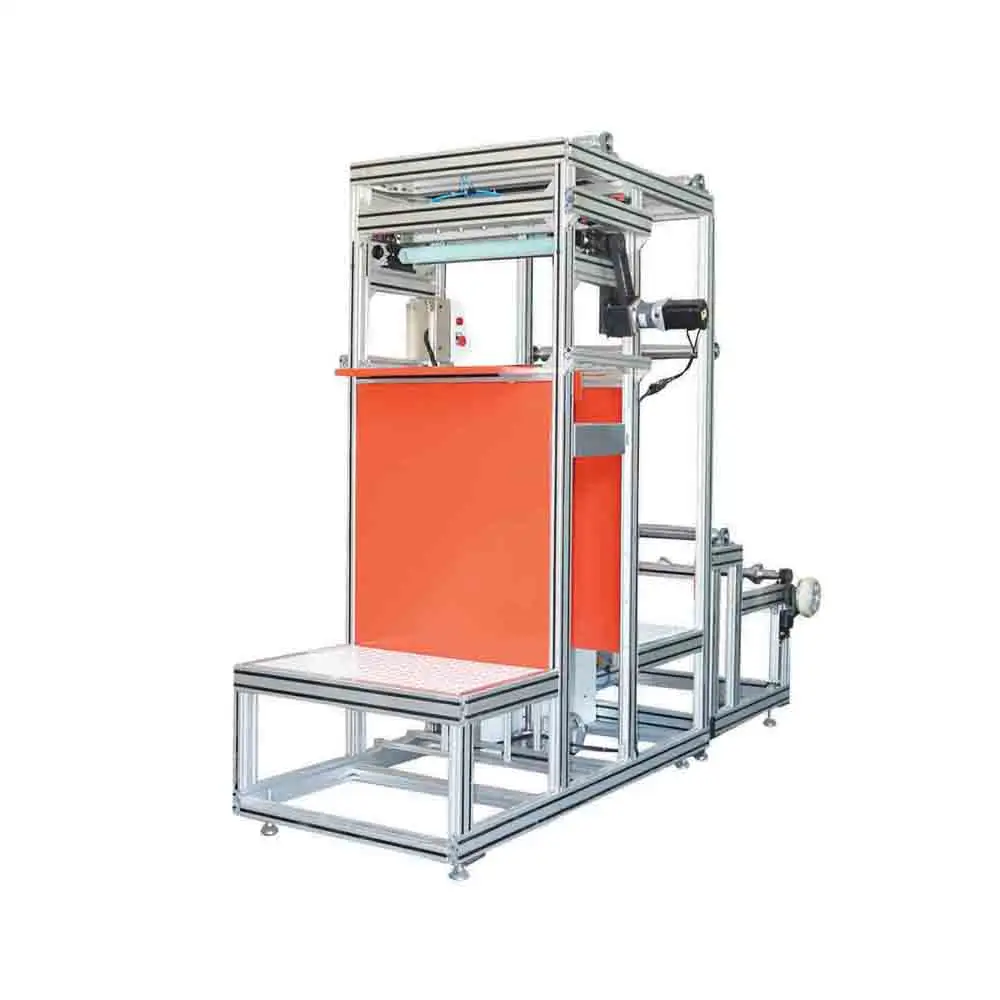
Industrial hepa pleating operations require precision, efficiency, and reliability to meet demanding production schedules. Selecting the right hepa pleating machine for your manufacturing facility involves careful consideration of multiple technical factors, operational requirements, and long-term business objectives. Modern industrial environments demand equipment that can handle high-volume production while maintaining consistent quality standards across diverse paper types and folding configurations.
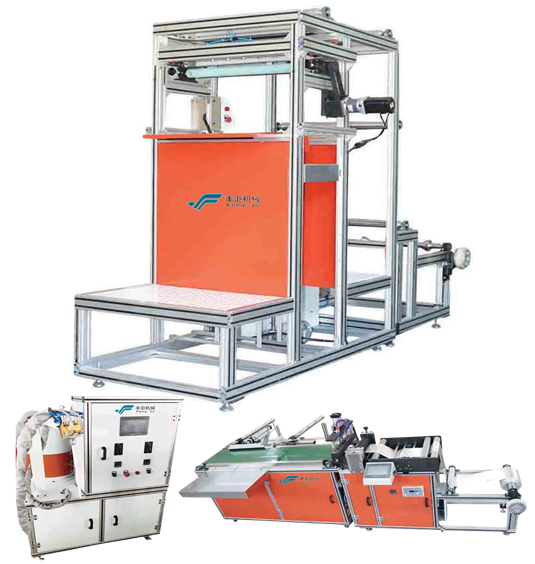
The hepa pleating machine market has evolved significantly with technological advances in automation, control systems, and material handling capabilities. Today's industrial folding equipment incorporates sophisticated sensors, programmable logic controllers, and precision mechanical components that enable manufacturers to achieve previously unattainable levels of productivity and quality. Understanding these technological improvements is essential for making informed equipment selection decisions that will serve your operation effectively for years to come.
Understanding hepa pleating Machine Types and Configurations
Buckle Folder Systems
Buckle folder systems represent one of the most versatile and widely adopted hepa pleating technologies in industrial applications. These machines utilize a series of adjustable buckle plates and rollers to create precise folds through mechanical pressure and controlled paper path routing. The buckle folding mechanism allows for exceptional flexibility in fold types, accommodating everything from simple letter folds to complex multi-panel configurations required in pharmaceutical packaging and technical documentation.
The operational principle of buckle folders relies on paper deflection against adjustable stops, creating controlled buckles that are subsequently pressed and creased by precision rollers. This method provides excellent fold quality consistency and can handle a wide range of paper weights and sizes. Modern buckle folder systems incorporate servo-driven adjustments that enable rapid changeover between different fold patterns, significantly reducing setup time and improving overall equipment effectiveness in multi-product environments.
Knife Folder Technologies
Knife folder systems employ a fundamentally different approach to hepa pleating, utilizing precision-ground metal blades that physically push paper into fold positions against counter-pressure surfaces. This technology excels in high-speed production environments where consistent fold placement and sharp crease definition are critical requirements. Knife folders typically achieve superior speed performance compared to buckle systems, making them ideal for large-volume production runs of standardized fold patterns.
The mechanical precision of knife folder systems enables exceptional repeatability in fold positioning, with typical tolerances measured in fractions of millimeters. This level of accuracy proves essential in applications such as filter manufacturing, where precise fold geometry directly impacts functional performance. Advanced knife folder designs incorporate pneumatic or hydraulic actuation systems that provide consistent fold pressure across varying paper thicknesses and environmental conditions.
Critical Performance Specifications and Selection Criteria
Speed and Throughput Requirements
Production speed capabilities represent a fundamental consideration in hepa pleating machine selection, directly impacting manufacturing efficiency and operational costs. Modern industrial folding equipment offers speed ranges from several hundred to several thousand sheets per hour, depending on fold complexity and paper specifications. Evaluating your current and projected production volumes helps establish minimum speed requirements while considering factors such as setup time, material changeover frequency, and quality inspection intervals.
Throughput optimization extends beyond raw speed capabilities to encompass overall equipment effectiveness metrics. Factors such as jam recovery time, adjustment speed, maintenance intervals, and operator skill requirements all contribute to actual productive capacity. Leading manufacturers design their systems with user-friendly interfaces and automated adjustment features that minimize non-productive time, enabling operators to maintain high throughput levels across diverse production scenarios.
Material Handling and Size Capabilities
Paper handling specifications must align precisely with your material requirements to ensure reliable operation and optimal fold quality. Key parameters include minimum and maximum sheet sizes, paper weight ranges, and surface texture compatibility. Industrial hepa pleating machine systems typically accommodate paper weights from lightweight tissues to heavy cardstock materials, with specialized designs available for unique applications such as filter media or coated papers.
Advanced material handling systems incorporate features such as air-assisted feeding, edge alignment controls, and anti-static treatments to ensure consistent paper positioning throughout the folding process. These technologies become increasingly important when processing challenging materials such as synthetic substrates, laminated products, or papers with special coatings that may affect folding behavior and crease formation quality.
Automation Features and Control System Integration
Programmable Logic Controllers and User Interfaces
Modern hepa pleating machines incorporate sophisticated control systems that enable precise parameter adjustment, production monitoring, and quality assurance functions. Programmable logic controllers provide the computational foundation for automated operation, storing fold pattern recipes, monitoring system performance, and implementing safety interlocks. User-friendly touchscreen interfaces allow operators to quickly access machine functions, adjust settings, and troubleshoot operational issues without extensive technical training.
Advanced control systems offer features such as remote monitoring capabilities, production data logging, and predictive maintenance alerts that support modern manufacturing methodologies. Integration with enterprise resource planning systems enables real-time production tracking and automated reporting functions that improve overall manufacturing efficiency and quality control processes.
Quality Control and Inspection Systems
Integrated quality control systems represent a significant advancement in hepa pleating machine technology, providing real-time monitoring of fold accuracy, crease quality, and dimensional consistency. Vision-based inspection systems can detect folding defects, measure fold angles, and verify proper fold sequence completion. These automated quality assurance capabilities reduce manual inspection requirements while improving defect detection rates and overall product quality consistency.
Statistical process control features enable continuous monitoring of key quality parameters, generating alerts when processes drift outside acceptable tolerances. This proactive approach to quality management helps prevent defective product production and reduces waste generation, contributing to improved operational efficiency and cost control in high-volume production environments.
Maintenance Requirements and Total Cost of Ownership
Preventive Maintenance Programs
Effective maintenance planning plays a crucial role in maximizing hepa pleating machine productivity and minimizing unexpected downtime costs. Comprehensive maintenance programs typically include regular lubrication schedules, wear component replacement intervals, and periodic calibration procedures. Modern equipment designs incorporate accessibility features and diagnostic systems that simplify maintenance tasks and reduce required downtime for routine service activities.
Leading manufacturers provide detailed maintenance documentation, training programs, and technical support services that enable in-house maintenance capabilities. Establishing proper maintenance protocols from equipment installation ensures optimal performance throughout the machine lifecycle while protecting warranty coverage and maintaining manufacturer support availability for technical issues or component upgrades.
Operating Cost Analysis
Total cost of ownership calculations must encompass initial equipment investment, installation costs, operator training expenses, ongoing maintenance requirements, and energy consumption patterns. hepa pleating machine operating costs vary significantly based on production volume, material types, fold complexity, and maintenance practices. Comprehensive cost analysis helps justify equipment investments and supports informed decisions regarding equipment specifications and supplier selection.
Energy efficiency considerations have gained increased importance as manufacturers focus on sustainability and operational cost reduction. Modern hepa pleating machines incorporate energy-saving features such as variable-speed drives, efficient pneumatic systems, and standby modes that reduce power consumption during idle periods. These features contribute to reduced operating costs while supporting corporate environmental responsibility objectives.
Installation and Implementation Considerations
Facility Requirements and Space Planning
Proper facility preparation ensures successful hepa pleating machine installation and optimal operational performance. Space requirements extend beyond the machine footprint to include material handling areas, operator access zones, and maintenance clearances. Utility requirements typically include electrical power, compressed air, and potentially specialized ventilation systems depending on material types and production volumes.
Integration with existing production workflows requires careful planning of material flow patterns, quality control checkpoints, and downstream processing equipment interfaces. Modern hepa pleating machines often incorporate conveyor systems, stacking devices, and automated material handling features that must coordinate with adjacent equipment and overall facility logistics systems.
Operator Training and Support Services
Comprehensive operator training programs ensure efficient equipment utilization and minimize operational errors that could impact product quality or equipment reliability. Training components typically include machine operation procedures, adjustment techniques, troubleshooting methodologies, and basic maintenance tasks. Hands-on training at the manufacturer's facility or on-site instruction provides operators with practical experience before full production implementation.
Ongoing technical support services provide valuable resources for addressing operational challenges, implementing process improvements, and maintaining optimal equipment performance. Manufacturer support programs may include remote diagnostic capabilities, spare parts availability, field service response, and equipment upgrade options that extend machine capabilities as production requirements evolve.
FAQ
What paper weights and sizes can industrial hepa pleating machines typically handle
Industrial hepa pleating machines are designed to accommodate a wide range of paper specifications, typically handling weights from 20 GSM lightweight tissues up to 350 GSM heavy cardstock materials. Sheet size capabilities vary by machine model, with most industrial units processing sheets from small formats like 4x6 inches up to large formats exceeding 24x36 inches. Specialized machines for specific applications may handle even broader ranges or unique material types such as synthetic substrates or coated papers.
How do I determine the appropriate production speed for my application
Production speed requirements should be based on your actual volume needs, considering factors such as daily production targets, number of operating shifts, and allowances for setup time and material changeovers. Calculate your required hourly capacity by dividing total daily production by available operating hours, then add a buffer for efficiency variations and maintenance requirements. Consider that higher-speed machines typically require more sophisticated control systems and may have increased maintenance needs.
What maintenance is required for hepa pleating machines and how often
Regular maintenance typically includes daily cleaning and inspection, weekly lubrication of moving parts, monthly calibration checks, and periodic replacement of wear components such as belts, rollers, and folding plates. Most manufacturers recommend professional service intervals ranging from quarterly to annually depending on production volume and operating conditions. Proper maintenance scheduling prevents unexpected breakdowns and maintains fold quality consistency throughout the equipment lifecycle.
Can hepa pleating machines be integrated with existing production lines
Modern hepa pleating machines are designed with integration capabilities that allow connection to upstream and downstream equipment through conveyor systems, automated feeding mechanisms, and digital communication protocols. Integration considerations include material flow coordination, speed matching between connected equipment, quality control checkpoints, and overall production line control systems. Successful integration requires careful planning of physical interfaces and control system compatibility to ensure seamless operation across the entire production process.