
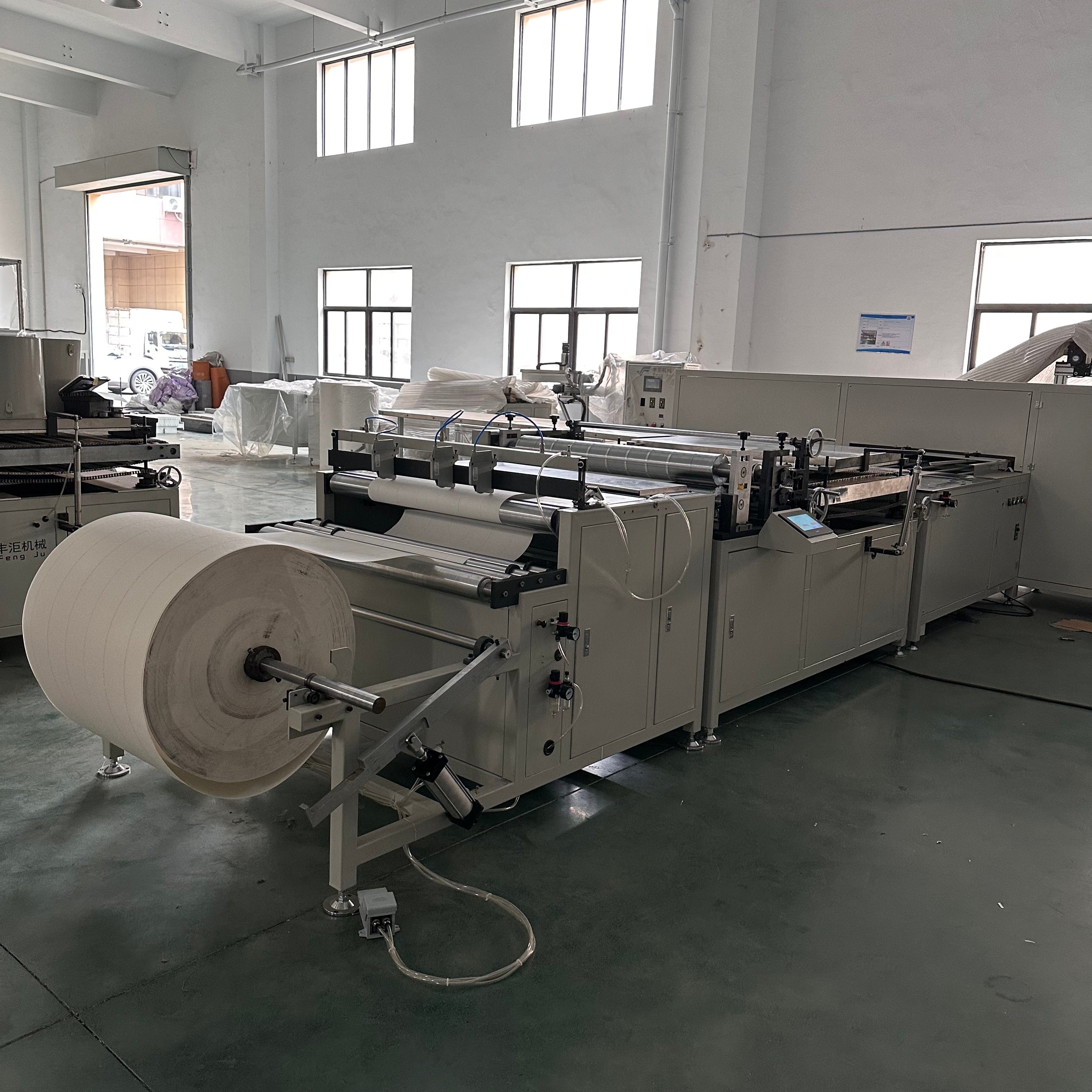
When choosing pleating equipment for filter manufacturing, understanding the distinctions between a rotary pleating machine and standard pleating alternatives is essential for optimizing production efficiency and product quality. A rotary pleating machine represents a significant technological advancement in the filtration industry, offering manufacturers a competitive edge through superior automation, precision, and throughput. This guide explores the fundamental differences between these two approaches to help you make an informed decision for your manufacturing operation.
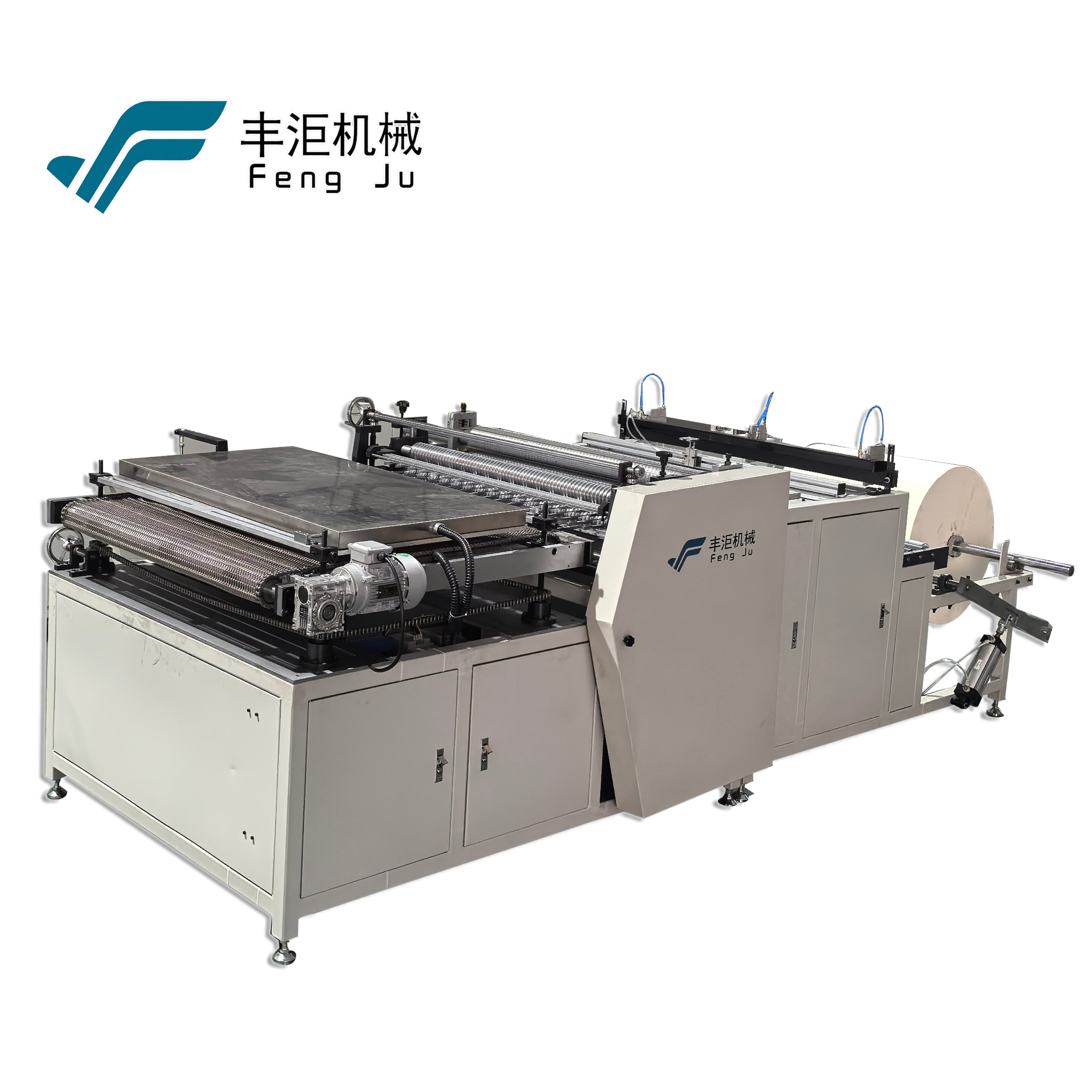
The rotary pleating machine operates on an entirely different mechanical principle than conventional pleating systems, delivering consistent, high-quality pleats with minimal material waste and operator intervention. Unlike traditional methods that rely on sequential or semi-automated processes, a rotary pleating machine uses continuous rotational mechanics to create precise, uniform fold patterns at speeds that far exceed manual or basic mechanical approaches. This efficiency difference directly translates to higher output volumes, reduced labor costs, and improved product consistency across your entire production line.
Core Design and Operational Mechanics
How Rotary Pleating Machines Work
A rotary pleating machine operates through a continuous rotational mechanism that simultaneously guides, folds, and secures filter media into uniform pleats with remarkable precision. The machine's rotating drum or mandrel maintains constant contact with the filter material, applying consistent pressure and fold geometry as the media advances through the system. Each rotation of the rotary pleating machine's primary drum creates multiple pleats in a synchronized, rhythmic process that eliminates the start-stop cycles common in conventional equipment. This continuous operation means a rotary pleating machine can process significantly larger volumes of material within the same timeframe as traditional systems.
Traditional Pleating Machine Operation
Regular pleating machines typically employ sequential fold mechanisms or semi-automated systems where each pleat or group of pleats is formed individually before advancing to the next stage. These conventional systems often require manual feeding, position adjustments, or operator oversight between cycles, introducing variables that affect consistency and throughput. While a rotary pleating machine maintains seamless automation, standard pleating equipment may rely on mechanical cams, reciprocating guides, or manual intervention that interrupt the production flow. The structural difference means traditional machines cannot match the speed and uniformity that a rotary pleating machine consistently delivers.
Production Speed and Output Capacity
Throughput Advantages of Rotary Systems
The speed differential between a rotary pleating machine and conventional pleating equipment directly impacts your manufacturing cost per unit and market responsiveness. A rotary pleating machine typically produces 300 to 500 percent more material per hour than traditional systems operating under comparable conditions. Because a rotary pleating machine uses continuous rotational motion rather than intermittent mechanical steps, downtime between pleating cycles virtually disappears. For high-volume filter manufacturers, investing in a rotary pleating machine translates to reduced per-unit production costs, faster order fulfillment, and competitive pricing advantages in the marketplace.
Consistency and Precision Benefits
A rotary pleating machine produces pleats with dimensional tolerances that remain stable across thousands of cycles, whereas regular pleating machines may exhibit gradual drift in fold spacing, depth, or symmetry over extended production runs. The mechanical stability of a rotary pleating machine comes from its continuous, synchronized design that eliminates the micro-variations inherent in sequential or interrupted folding processes. Each pleat produced by a rotary pleating machine meets exact specifications, reducing quality rejections and rework expenses. This consistency advantage makes a rotary pleating machine particularly valuable when manufacturing filter elements destined for demanding applications requiring strict performance standards.
Maintenance, Labor, and Total Operating Cost
Maintenance Requirements and Reliability
A rotary pleating machine, despite its mechanical sophistication, generally requires less frequent maintenance than conventional systems because its continuous operation distributes wear evenly across its components. Traditional pleating machines often experience concentrated stress at mechanical transition points where sequential motion changes direction or pauses, leading to accelerated wear and more frequent service interventions. The streamlined design of a rotary pleating machine means fewer moving parts in contact with the filter material, reducing the accumulation of lint, dust, and debris that typically necessitate cleaning and adjustment in older equipment. Operators report that a rotary pleating machine achieves longer run periods between maintenance shutdowns compared to conventional alternatives.
Labor Efficiency and Operator Requirements
Operating a rotary pleating machine requires less hands-on intervention than managing traditional pleating equipment, allowing single operators to oversee higher material throughput. A regular pleating machine often demands continuous monitoring, manual material feeding, position adjustments, and quality inspections throughout the production cycle. With a rotary pleating machine, once the system is properly configured and material loaded, the machine operates autonomously through extended production runs, freeing operator time for setup, material preparation, or other manufacturing tasks. This labor efficiency gain compounds significantly across full-shift operations, making a rotary pleating machine economically advantageous even before calculating the speed improvements and consistency benefits.
Material Compatibility and Flexibility
Media Types Suitable for Rotary Pleating Machines
A rotary pleating machine excels with thermoplastic filter media, microporous films, glass fiber composites, and synthetic blends that maintain structural integrity under continuous rotational folding forces. The gentle yet consistent pressure applied by a rotary pleating machine prevents material damage while accommodating a broader range of filter substrates than traditional methods. A rotary pleating machine can process delicate micro-filter media without causing fiber delamination or surface degradation that sometimes occurs in sequential mechanical folding. This versatility means a rotary pleating machine supports diversified product lines and experimental materials with minimal retooling or reconfiguration.
Adaptability to Production Requirements
A rotary pleating machine offers quick adjustments for pleat depth, spacing, and fold geometry through programmable controls or simple mechanical adjustments, enabling rapid transitions between product specifications. Traditional pleating machines often require extended setup times, mechanical recalibration, or even component replacement when changing pleat patterns or dimensions. A rotary pleating machine's design allows operators to switch between filter configurations within minutes, supporting just-in-time manufacturing and responsive order fulfillment. This flexibility positions a rotary pleating machine as an attractive choice for manufacturers serving diverse market segments or custom applications.
FAQ
What makes a rotary pleating machine faster than conventional pleating equipment?
A rotary pleating machine achieves superior speed through continuous rotational mechanics that eliminate the start-stop cycles inherent in sequential mechanical folding. The synchronized rotation creates multiple pleats per revolution without pausing between fold formations, whereas traditional machines must complete one pleat cycle, reset positioning, and then begin the next cycle. This continuous operation allows a rotary pleating machine to process 300 to 500 percent more material per hour under typical operating conditions, translating directly to higher output volumes and reduced per-unit production costs.
Do rotary pleating machines require different maintenance than regular pleating machines?
A rotary pleating machine generally requires less maintenance than conventional systems because its continuous, smooth operation distributes mechanical stress evenly across components rather than concentrating wear at sequential transition points. Traditional pleating machines experience rapid deterioration at the mechanisms controlling directional changes and cycle pauses, necessitating frequent adjustments and part replacements. A rotary pleating machine's streamlined design with fewer contact points between equipment and material reduces lint accumulation and debris buildup that typically trigger cleaning cycles. Most operators report significantly longer intervals between rotary pleating machine maintenance shutdowns compared to conventional equipment.
Can a rotary pleating machine handle all types of filter media?
A rotary pleating machine performs optimally with thermoplastic films, synthetic blends, glass fiber media, and microporous substrates that withstand continuous rotational folding forces without degradation. While a rotary pleating machine cannot process extremely fragile or loosely bonded materials prone to delamination, its versatility encompasses virtually all commercially significant filter media types used in automotive, industrial, and residential applications. The gentle yet consistent pressure applied by a rotary pleating machine often produces superior results with delicate substrates compared to mechanical sequential folding approaches that can cause fiber damage or surface disruption.