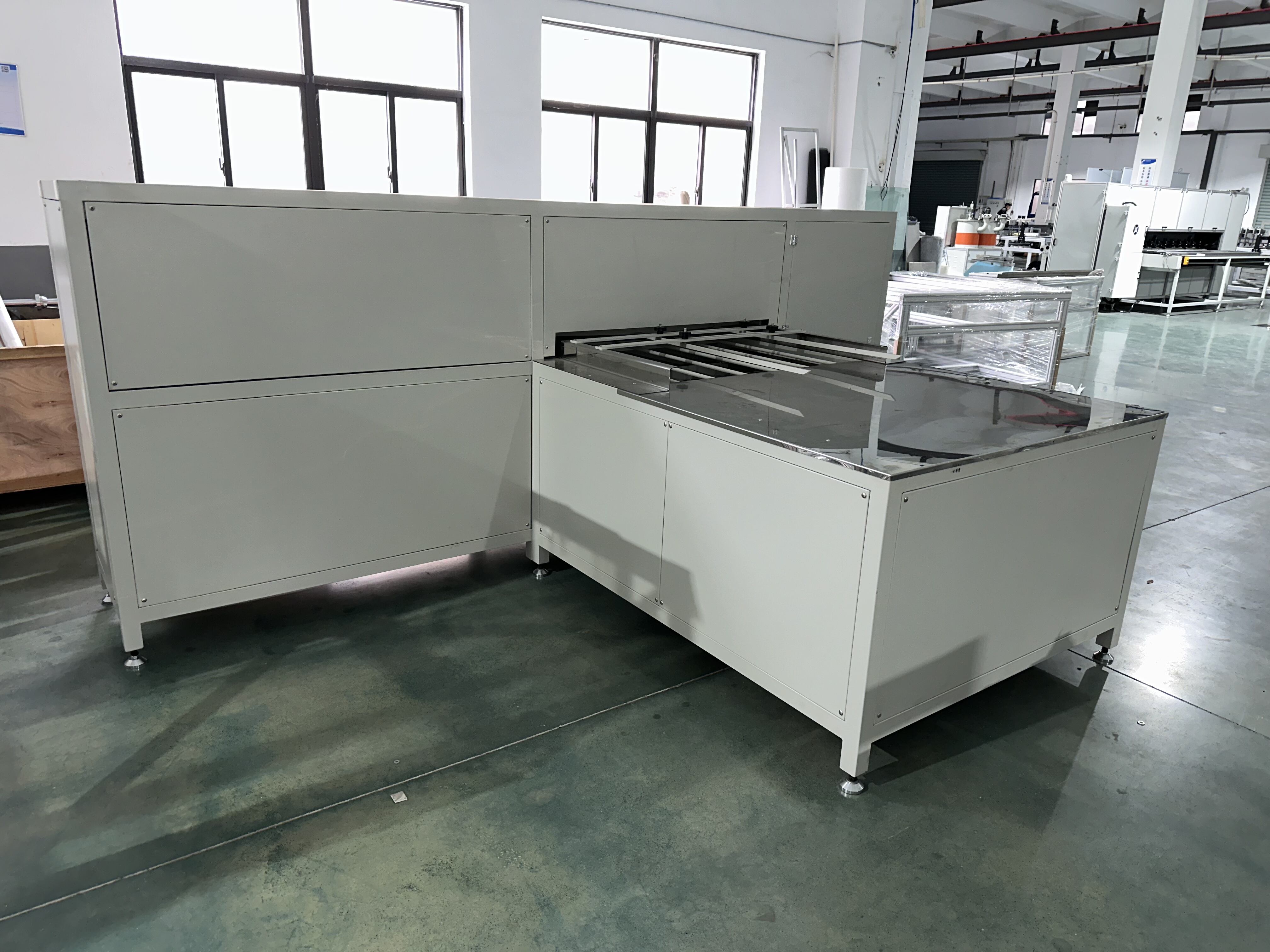
An oil filter production line represents a comprehensive manufacturing system designed to produce various types of automotive and industrial oil filters through an integrated series of specialized equipment and automated processes. Understanding the specific machinery and components that comprise a complete oil filter production line is essential for manufacturers evaluating their production capabilities, quality requirements, and operational efficiency goals. The complexity of modern oil filter manufacturing demands precise coordination between multiple production stages, each requiring dedicated equipment to ensure consistent product quality and meeting industry standards.
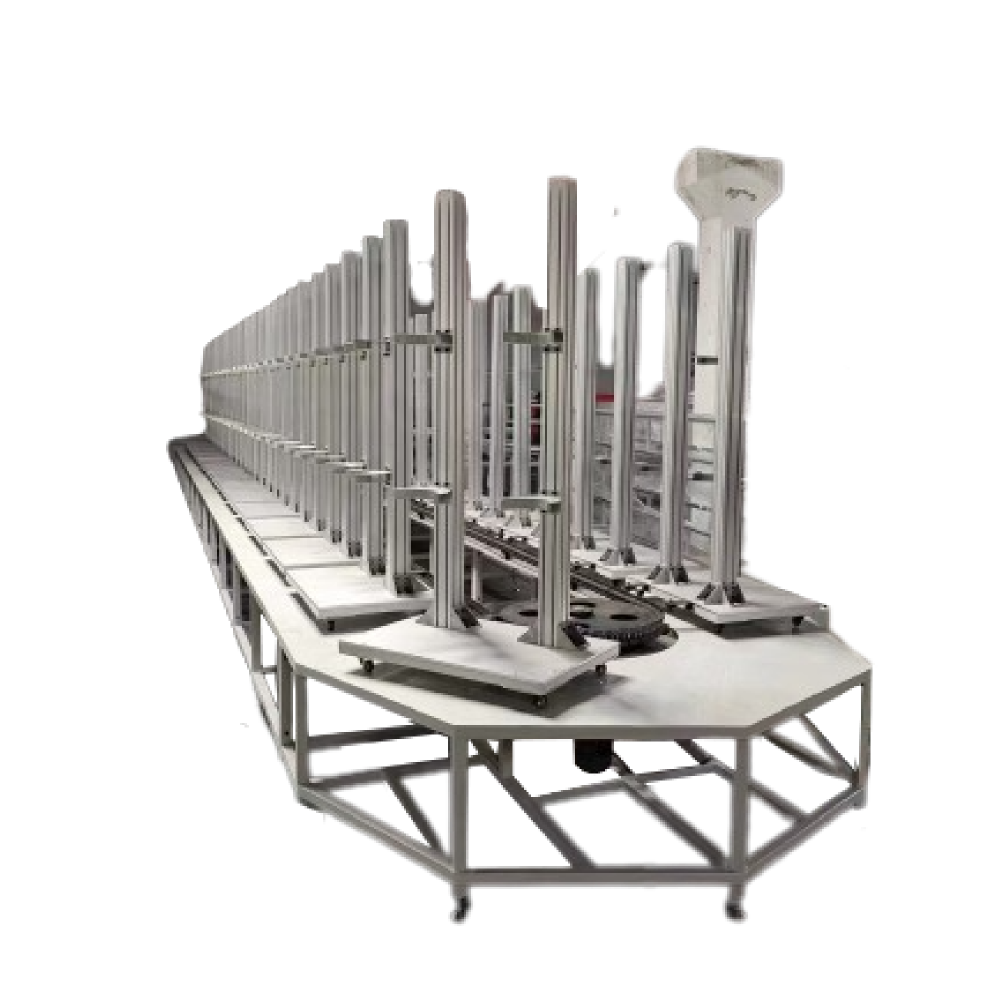
A typical oil filter production line integrates multiple manufacturing stations, from initial material preparation through final packaging, with each component serving a specific function in the overall production workflow. The equipment selection and configuration within an oil filter production line directly impacts production capacity, quality consistency, operational costs, and the ability to manufacture different filter specifications for various automotive and industrial applications. Modern production lines incorporate advanced automation technologies, quality control systems, and material handling solutions to optimize throughput while maintaining stringent quality standards throughout the manufacturing process.
Core Manufacturing Equipment Components
Filter Element Production Machinery
The filter element production section represents the heart of any oil filter production line, where the actual filtration media is processed and prepared for assembly. This critical manufacturing stage includes pleating machines that create the characteristic accordion-fold pattern in filter media, ensuring maximum surface area for filtration while maintaining structural integrity under operating pressures. The pleating equipment must maintain precise fold spacing, depth consistency, and edge alignment to produce filter elements that meet specification requirements and performance standards.
Cutting and sizing equipment within the oil filter production line ensures that filter media is prepared to exact dimensions before pleating operations begin. This machinery includes roll unwinding systems for continuous filter media, precision cutting mechanisms for length control, and edge treatment systems that prevent fraying or contamination during subsequent processing steps. The accuracy of these cutting operations directly affects the final filter element dimensions and the consistency of production output across the entire manufacturing run.
End cap application machinery completes the filter element preparation process by securely attaching end caps to both sides of the pleated media assembly. This equipment must apply precise adhesive patterns, maintain proper positioning during curing processes, and ensure consistent bond strength to prevent separation during filter operation. The end cap application process requires careful coordination of adhesive dispensing, component positioning, and curing parameters to achieve reliable seal integrity and structural durability.
Housing and Component Assembly Systems
Housing preparation equipment within the oil filter production line includes metal forming machinery, welding systems, and surface treatment stations that create the outer shell components for various filter designs. Deep drawing presses shape metal blanks into housing cups with precise dimensions and wall thickness uniformity, while progressive die systems create complex housing geometries in multiple forming stages. These forming operations require careful control of material properties, forming speeds, and tool wear to maintain dimensional accuracy and surface quality throughout production runs.
Component assembly automation represents a crucial element in modern oil filter production line configurations, where robotic systems and automated conveyance equipment coordinate the precise assembly of filter elements, gaskets, bypass valves, and housing components. These assembly systems must handle components with varying sizes, weights, and fragility levels while maintaining exact positioning tolerances for proper filter function. The integration of vision systems, force feedback sensors, and quality verification checkpoints ensures that each assembled filter meets specification requirements before advancing to subsequent production stages.
Seaming and closure equipment completes the filter assembly process by joining housing components with installed filter elements through precise crimping, welding, or threaded connections depending on filter design requirements. This machinery must apply consistent joining forces, maintain proper alignment during closure operations, and verify seal integrity through pressure testing or leak detection methods. The reliability of closure operations directly affects filter performance, service life, and customer satisfaction in field applications.
Quality Control and Testing Equipment
Dimensional Verification Systems
Precision measurement equipment integrated throughout the oil filter production line ensures that all components and assembled filters meet dimensional specifications and geometric tolerances. Coordinate measuring machines provide three-dimensional verification of complex filter geometries, while dedicated gauging systems check critical dimensions such as thread specifications, mounting interface dimensions, and overall filter length. These measurement systems must operate at production speeds while maintaining measurement accuracy and repeatability across all production shifts and environmental conditions.
Surface finish and visual inspection equipment monitors the aesthetic quality and functional surface characteristics of filter components throughout the production process. Automated optical inspection systems detect surface defects, contamination, coating irregularities, and dimensional variations that could affect filter performance or customer acceptance. The integration of machine vision technology with rejection systems ensures that only components meeting quality standards advance through the oil filter production line while automatically removing defective parts for rework or disposal.
Thread verification and fitting compatibility testing equipment ensures that manufactured filters will properly install and seal in their intended applications. This includes automated thread gauging systems, torque testing equipment, and gasket compression verification tools that simulate actual installation conditions. The accuracy of these verification processes prevents field installation problems and ensures compatibility with various engine and equipment configurations across different automotive and industrial markets.
Performance Testing and Validation
Flow testing equipment within the oil filter production line measures the pressure drop characteristics and flow capacity of completed filters under controlled conditions that simulate actual operating environments. These testing systems include precision flow meters, pressure regulation equipment, and temperature control systems that can replicate the various operating conditions encountered in automotive and industrial applications. Flow testing results provide immediate feedback on filter performance and help identify production variations that could affect field performance.
Burst pressure testing equipment verifies the structural integrity of filter housings and sealing systems under extreme pressure conditions that exceed normal operating parameters. This testing ensures that filters can withstand pressure surges, thermal cycling, and mechanical stress without failure or leakage. The burst testing process requires specialized pressure generation equipment, safety containment systems, and data acquisition systems that accurately measure failure pressures and failure modes for design verification and quality assurance purposes.
Filtration efficiency testing systems evaluate the actual particle removal performance of completed filters using standardized test contaminants and measurement protocols. These systems include particle generation equipment, precision flow control systems, and particle counting instruments that measure filtration performance across multiple particle size ranges. Efficiency testing provides quantitative verification that manufactured filters meet specified performance standards and regulatory requirements for their intended applications.
Material Handling and Automation Systems
Component Storage and Retrieval
Automated storage and retrieval systems within the oil filter production line manage the inventory and distribution of raw materials, components, and work-in-process assemblies throughout the manufacturing facility. These systems include vertical storage towers, horizontal carousels, and robotic retrieval mechanisms that maintain precise inventory tracking while ensuring materials are available when needed for production operations. The integration of enterprise resource planning systems with material handling automation optimizes inventory levels and reduces material handling labor requirements.
Component preparation and pre-staging equipment organizes materials and components in the proper sequence and orientation for automated assembly operations. This includes vibratory feeders for small components, orientation systems for asymmetric parts, and buffer storage systems that maintain continuous material flow even during upstream production variations. The reliability of component preparation systems directly affects the overall efficiency and uptime of the entire oil filter production line by preventing material shortages and feeding interruptions.
Material tracking and traceability systems monitor the movement and usage of all materials throughout the production process, enabling complete lot traceability and quality investigation capabilities. These systems integrate barcode scanning, radio frequency identification technology, and database management systems that maintain detailed records of material sources, processing parameters, and quality test results for each manufactured filter. Traceability systems support regulatory compliance requirements and enable rapid response to quality issues or customer concerns.
Conveyor and Transfer Systems
Precision conveyor systems transport components and assemblies between production stations while maintaining proper orientation, spacing, and timing for automated processing operations. These conveyance systems include accumulating conveyors for buffer storage, indexing conveyors for precise positioning, and specialized transfer mechanisms for delicate components that require careful handling. The design of conveyor systems must accommodate varying production rates, component sizes, and processing requirements while maintaining smooth material flow throughout the oil filter production line.
Robotic transfer and handling systems provide flexible material movement capabilities for complex assembly operations and quality inspection processes. These systems include articulated robots for multi-axis positioning, SCARA robots for high-speed pick-and-place operations, and specialized grippers designed for various component geometries and material properties. The programming and coordination of robotic systems enables rapid changeover between different filter models while maintaining consistent handling accuracy and cycle times.
Integration control systems coordinate the operation of all material handling equipment to optimize production flow and minimize work-in-process inventory throughout the manufacturing facility. These control systems include programmable logic controllers, human-machine interfaces, and communication networks that enable real-time monitoring and adjustment of production parameters. The sophistication of integration control systems determines the overall efficiency and flexibility of the oil filter production line in responding to changing production requirements and quality demands.
Packaging and Final Processing Equipment
Labeling and Marking Systems
Product identification and labeling equipment applies part numbers, date codes, lot identification, and regulatory markings to completed filters according to customer specifications and regulatory requirements. These systems include ink jet printers for variable data printing, laser engraving systems for permanent marking, and label application machinery for pressure-sensitive labels. The accuracy and durability of product marking systems ensures proper product identification throughout the distribution chain and enables effective field service support.
Compliance marking and certification systems ensure that manufactured filters display all required regulatory markings, performance specifications, and safety warnings according to applicable standards and market requirements. This equipment includes verification systems that confirm marking presence and legibility, database systems that manage marking requirements for different markets, and rejection systems that remove improperly marked products. Compliance marking systems support market access requirements and reduce liability risks associated with incomplete or incorrect product identification.
Quality assurance documentation systems generate certificates of conformance, test results, and traceability records that accompany shipped products or maintain manufacturing records for quality investigation purposes. These systems integrate production data, test results, and inspection records to create comprehensive quality documentation that supports customer quality requirements and regulatory compliance obligations. The automation of documentation systems reduces administrative burden while ensuring accuracy and completeness of quality records.
Final Packaging and Shipping Preparation
Individual product packaging systems protect completed filters during storage and transportation while providing retail-ready presentation for aftermarket sales channels. These systems include shrink wrapping equipment, blister packaging machinery, and protective packaging dispensers that apply appropriate packaging materials based on product specifications and distribution requirements. The selection of packaging equipment must balance protection requirements with packaging costs and environmental considerations throughout the product lifecycle.
Bulk packaging and shipping preparation equipment consolidates individual filters into shipping containers, applies shipping labels, and prepares documentation for transportation to distribution centers or customer facilities. This equipment includes case packing machinery, palletizing systems, and shipping documentation printers that coordinate with enterprise resource planning systems to ensure accurate order fulfillment. The efficiency of bulk packaging operations directly affects shipping costs and delivery performance for the oil filter production line output.
Final inspection and shipping verification systems conduct last-minute quality checks and confirm order accuracy before products leave the manufacturing facility. These systems include random sampling protocols, final visual inspection procedures, and shipping verification checks that prevent shipping errors and quality escapes. The effectiveness of final inspection systems protects customer relationships and reduces warranty costs by ensuring that only conforming products reach the marketplace.
FAQ
What is the typical capacity range for industrial oil filter production lines?
Industrial oil filter production lines typically range from 500 to 5000 filters per hour depending on filter complexity, automation level, and production line configuration. Smaller specialized lines may produce 200-800 filters hourly for complex industrial applications, while high-volume automotive lines can exceed 8000 filters per hour for standard designs. The actual capacity depends on cycle times for individual operations, material handling efficiency, and quality inspection requirements integrated throughout the production process.
How much floor space is required for a complete oil filter production line installation?
A complete oil filter production line typically requires 3000 to 8000 square feet of manufacturing floor space, including areas for raw material storage, production equipment, quality testing, and finished goods staging. The actual space requirement depends on production capacity, automation level, material flow patterns, and safety clearance requirements around machinery. Additional space may be needed for maintenance areas, utility connections, and future expansion capabilities depending on long-term production planning requirements.
What maintenance requirements are typical for oil filter production line equipment?
Oil filter production line equipment requires scheduled preventive maintenance including daily cleaning, weekly lubrication, monthly calibration checks, and quarterly comprehensive inspections of critical components. Tooling replacement schedules vary from weekly for high-wear cutting tools to annually for forming dies and assembly fixtures. Automated systems require additional maintenance for sensors, actuators, and control systems, while quality testing equipment needs periodic calibration to maintain measurement accuracy and regulatory compliance.
Can existing production lines be upgraded to manufacture different filter types and sizes?
Most modern oil filter production lines can be upgraded to accommodate different filter sizes and types through tooling changes, software updates, and selective equipment modifications. Converting between similar filter designs may require only fixture changes and parameter adjustments, while transitioning to significantly different filter technologies might need substantial equipment additions or replacements. The flexibility for product changeovers depends on the original line design, automation architecture, and the similarity between existing and target product specifications.
Table of Contents
- Core Manufacturing Equipment Components
- Quality Control and Testing Equipment
- Material Handling and Automation Systems
- Packaging and Final Processing Equipment
-
FAQ
- What is the typical capacity range for industrial oil filter production lines?
- How much floor space is required for a complete oil filter production line installation?
- What maintenance requirements are typical for oil filter production line equipment?
- Can existing production lines be upgraded to manufacture different filter types and sizes?