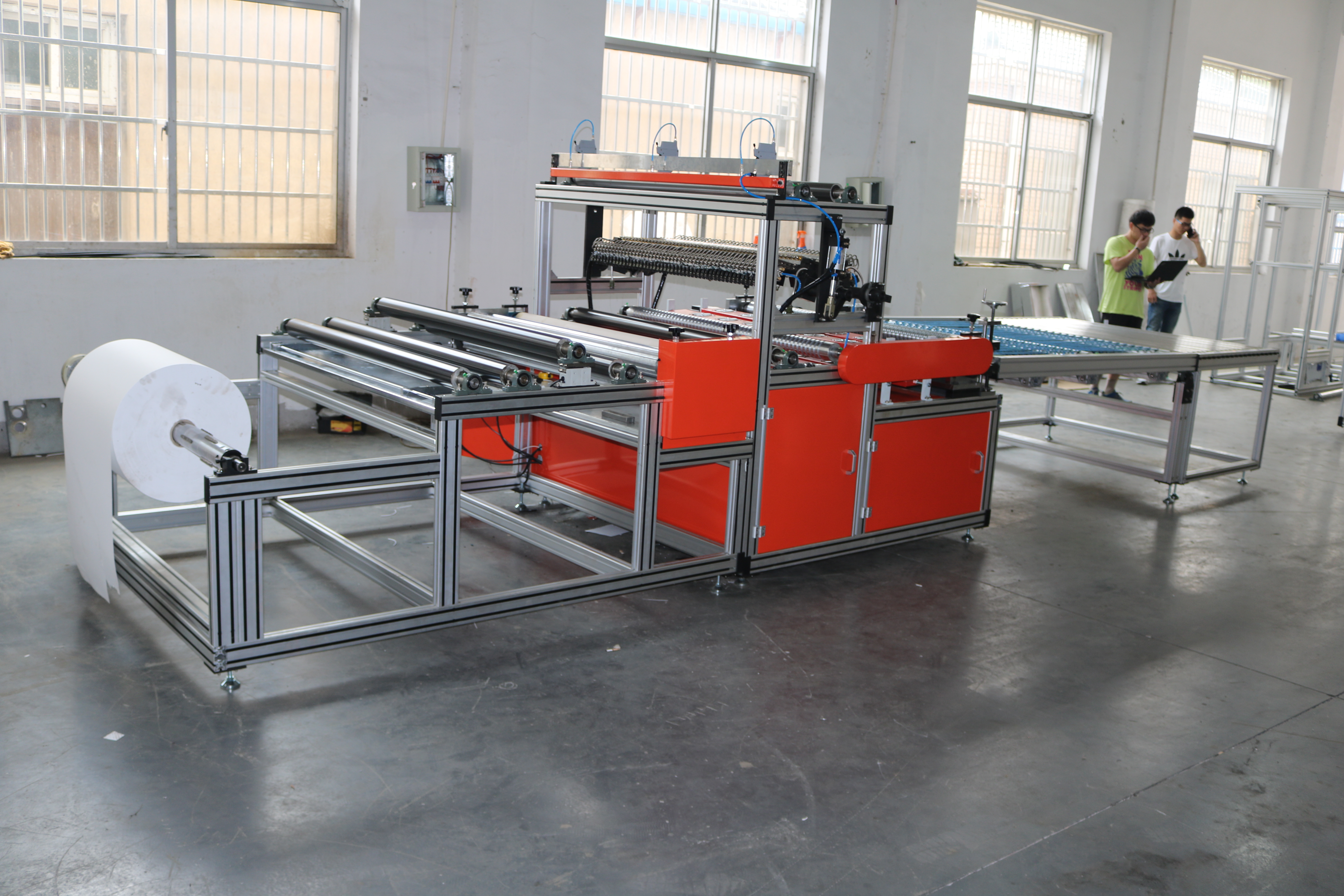
The air filter manufacturing industry has undergone significant transformation in recent years, driven by advancing automation, digitalization, and sustainable production demands. Modern air filter production lines now integrate cutting-edge technologies that enhance efficiency, precision, and environmental compliance while meeting increasingly stringent filtration performance standards across automotive, industrial, and residential applications.
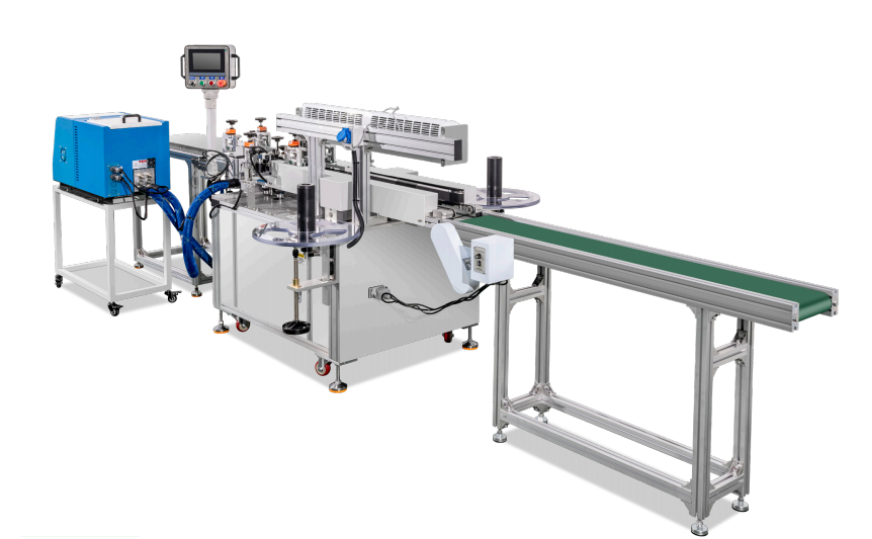
These technological innovations encompass every aspect of the manufacturing process, from raw material handling and pleating operations to quality inspection and packaging. Understanding these latest developments is crucial for manufacturers seeking to optimize their production capabilities, reduce operational costs, and maintain competitive positioning in an evolving market where efficiency and sustainability are paramount considerations for investment decisions.
Advanced Automation and Robotics Integration
Intelligent Robotic Material Handling Systems
Contemporary air filter production line configurations incorporate sophisticated robotic systems that manage material flow with unprecedented precision and speed. These automated handling solutions utilize vision-guided robots equipped with advanced sensors to identify, position, and transport filter media components throughout the manufacturing process. The integration reduces manual labor requirements while eliminating human error in material placement and orientation tasks.
Robotic arms now feature adaptive gripping technology specifically designed for delicate filter materials, preventing damage during transfer operations. These systems can adjust grip pressure automatically based on material density and fragility, ensuring consistent handling quality across different filter media types. The result is significantly reduced waste and improved overall equipment effectiveness in modern production environments.
Collaborative robots, or cobots, have become increasingly prevalent in air filter production line operations where human oversight remains necessary. These systems work alongside human operators in shared workspaces, handling repetitive tasks while allowing skilled technicians to focus on quality control and complex assembly operations that require human judgment and dexterity.
Smart Production Line Orchestration
Modern air filter manufacturing facilities employ centralized control systems that coordinate multiple production line segments through intelligent automation protocols. These orchestration platforms utilize real-time data analytics to optimize production sequencing, minimize changeover times, and maintain consistent output quality across varying product specifications and order volumes.
Machine learning algorithms embedded within these control systems continuously analyze production patterns and equipment performance data to predict optimal operating parameters for different filter configurations. This predictive capability enables proactive adjustments that prevent quality deviations before they occur, significantly reducing scrap rates and rework requirements.
The integration of artificial intelligence in production orchestration has enabled dynamic scheduling capabilities that automatically adjust production priorities based on real-time demand signals, inventory levels, and equipment availability. This intelligent coordination ensures maximum throughput while maintaining delivery commitments and resource utilization efficiency.
Precision Filter Media Processing Technologies
Advanced Pleating and Forming Systems
The latest air filter production line equipment features precision pleating systems that utilize servo-controlled mechanisms to create consistently uniform pleat geometries with tolerances measured in fractions of millimeters. These advanced forming technologies employ multiple pressure zones and temperature controls to ensure optimal pleat integrity while accommodating various filter media materials and thicknesses.
Ultrasonic welding technology has revolutionized the joining processes in filter assembly operations, replacing traditional adhesive-based methods with precise energy application that creates molecular-level bonds between filter components. This advancement eliminates chemical outgassing concerns while providing superior joint strength and durability in demanding operating environments.
High-frequency embossing systems now enable the creation of complex surface patterns on filter media during the production process, enhancing filtration efficiency through optimized air flow dynamics. These embossing technologies can apply multiple pattern configurations simultaneously, creating multi-functional filter surfaces that improve both particle capture and dust holding capacity.
Precision Cutting and Edge Sealing
Laser cutting technology has transformed the precision and speed of filter media processing in modern air filter production line configurations. These systems deliver clean, sealed edges without material fraying or thermal damage, enabling tighter manufacturing tolerances and improved filter performance characteristics. Laser cutting eliminates the need for mechanical blade replacement and maintenance while providing consistent cut quality across extended production runs.
Advanced edge sealing techniques now incorporate thermoplastic fusion methods that create hermetic seals without introducing foreign materials or adhesives into the filter structure. These sealing technologies utilize precisely controlled heating elements that activate thermoplastic components within the filter media itself, creating permanent bonds that maintain integrity under extreme temperature and pressure conditions.
Multi-axis cutting systems enable complex geometric shapes to be produced with single-pass operations, reducing handling requirements and improving dimensional accuracy. These systems can simultaneously cut multiple filter blanks from wide media rolls while maintaining precise registration between components, significantly improving material utilization efficiency.
Smart Quality Control and Inspection Systems
Real-Time Performance Testing Integration
Contemporary air filter production lines incorporate in-line testing equipment that evaluates filtration efficiency, pressure drop characteristics, and structural integrity for every manufactured unit. These automated testing systems utilize calibrated air flow generators and particle counters to verify performance against specified standards without removing filters from the production line flow.
Machine vision systems equipped with high-resolution cameras and specialized lighting configurations inspect filter surfaces for defects, contamination, and dimensional compliance at production speeds. These inspection technologies can detect microscopic flaws that would be invisible to human inspectors while maintaining detailed documentation of quality metrics for each manufactured unit.
Predictive quality algorithms analyze historical production data and real-time sensor inputs to identify potential quality issues before they manifest in finished products. This proactive approach enables immediate process adjustments that prevent defective units from progressing through subsequent manufacturing stages, reducing waste and improving overall quality consistency.
Advanced Defect Detection and Classification
Artificial intelligence-powered inspection systems now classify defect types automatically and recommend specific corrective actions based on identified failure modes. These systems maintain comprehensive databases of defect patterns and their associated root causes, enabling rapid troubleshooting and continuous improvement initiatives that enhance air filter production line performance over time.
Multi-spectral imaging technology enables detection of material inconsistencies and contamination that would be impossible to identify using conventional visible light inspection methods. These advanced imaging systems can penetrate multiple material layers and identify internal defects or foreign particles embedded within filter media structures.
Statistical process control integration provides real-time feedback on quality trends and process capabilities, enabling operators to make informed decisions about process adjustments and maintenance scheduling. These systems generate automated alerts when quality parameters approach control limits, preventing the production of non-conforming products.
Sustainable Manufacturing and Energy Efficiency
Green Production Technologies
Modern air filter production line designs prioritize environmental sustainability through the implementation of closed-loop material recovery systems that capture and reprocess manufacturing waste streams. These recycling technologies can recover up to ninety percent of filter media trim waste, converting it into reusable raw materials for subsequent production cycles.
Energy recovery systems integrated into production equipment capture waste heat from manufacturing processes and redirect it to support facility heating or other production requirements. These heat recovery technologies significantly reduce overall energy consumption while maintaining optimal operating temperatures for sensitive manufacturing processes.
Water-based adhesive systems have largely replaced solvent-based bonding agents in filter assembly operations, eliminating volatile organic compound emissions while maintaining superior bond strength and durability. These environmentally friendly adhesive technologies also reduce workplace safety concerns and regulatory compliance requirements.
Energy-Efficient Operation Optimization
Variable frequency drive systems optimize motor speeds across all air filter production line equipment based on real-time production requirements, significantly reducing energy consumption during periods of reduced throughput or changeover operations. These intelligent drive systems can reduce energy usage by up to thirty percent compared to fixed-speed motor configurations.
Smart lighting systems utilize motion sensors and daylight harvesting technologies to provide optimal illumination levels while minimizing electrical consumption. These systems automatically adjust lighting intensity based on production activity and natural light availability, creating comfortable working conditions while reducing operational costs.
Compressed air optimization systems monitor and control pneumatic equipment operation to minimize waste and maintain consistent pressure levels throughout the production facility. These systems include leak detection capabilities and automatic pressure regulation that prevents energy losses while ensuring reliable pneumatic equipment operation.
Digital Integration and Industry 4.0 Connectivity
Internet of Things Sensor Networks
Contemporary air filter production line installations feature extensive IoT sensor networks that monitor equipment performance, environmental conditions, and product quality parameters in real-time. These sensor systems collect data on temperature, humidity, vibration, pressure, and electrical consumption across all production equipment, creating comprehensive operational visibility for maintenance and optimization purposes.
Edge computing devices process sensor data locally to provide immediate feedback on equipment condition and performance trends. These distributed computing systems reduce network latency while enabling rapid response to developing issues that could impact production quality or equipment availability.
Wireless communication protocols ensure reliable data transmission throughout manufacturing facilities while minimizing infrastructure requirements. These communication systems utilize redundant pathways and encryption protocols to maintain data integrity and system security in industrial environments.
Cloud-Based Analytics and Remote Monitoring
Cloud computing platforms enable comprehensive analysis of production data across multiple air filter production line installations, identifying optimization opportunities and best practices that can be implemented across entire manufacturing networks. These analytics platforms utilize machine learning algorithms to identify patterns and correlations that would be impossible to detect through manual analysis.
Remote monitoring capabilities allow equipment manufacturers and technical support teams to provide proactive maintenance recommendations and troubleshooting assistance without requiring on-site visits. These remote support systems reduce downtime and maintenance costs while ensuring optimal equipment performance throughout the operational lifecycle.
Predictive maintenance algorithms analyze equipment performance data to forecast maintenance requirements and optimize service scheduling. These systems can predict bearing failures, belt wear, and other maintenance needs weeks or months in advance, enabling proactive replacement scheduling that prevents unexpected downtime.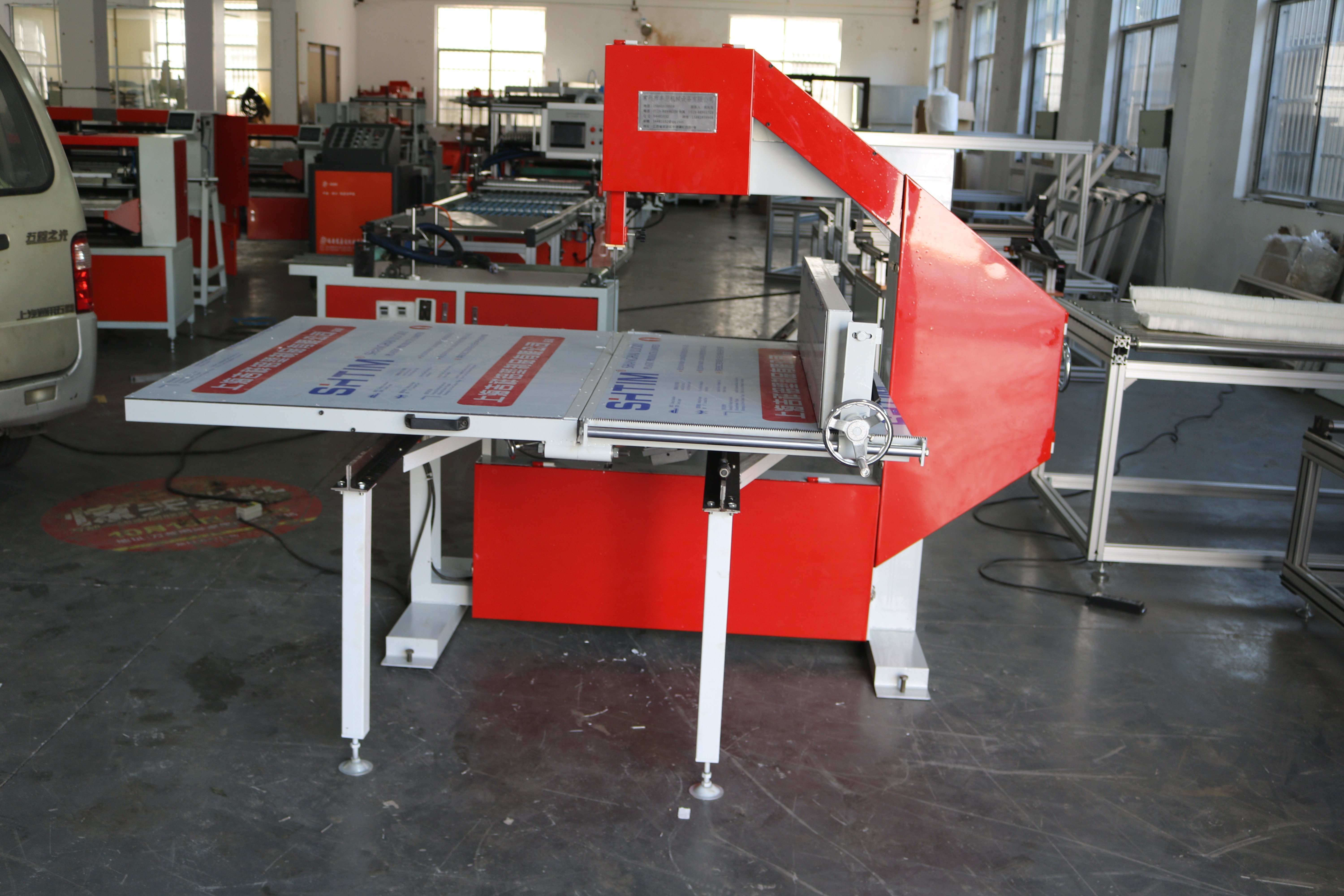
FAQ
How do modern air filter production lines improve manufacturing efficiency compared to traditional systems?
Modern air filter production lines achieve significantly higher efficiency through integrated automation, real-time quality control, and predictive maintenance capabilities. These systems can operate at speeds up to three times faster than traditional lines while maintaining superior quality consistency. Automated material handling reduces labor requirements by approximately sixty percent, while intelligent scheduling and process optimization minimize changeover times and maximize equipment utilization rates.
What are the key benefits of implementing IoT technology in air filter manufacturing?
IoT integration provides comprehensive visibility into production operations, enabling real-time monitoring of equipment performance, quality metrics, and energy consumption. This connectivity facilitates predictive maintenance scheduling, reduces unplanned downtime by up to forty percent, and enables remote troubleshooting capabilities that minimize service interruptions. Additionally, IoT data analytics identify optimization opportunities that improve overall equipment effectiveness and reduce operational costs.
How do sustainable manufacturing technologies impact production costs and environmental compliance?
Sustainable manufacturing technologies typically reduce operational costs through improved energy efficiency, waste reduction, and material recovery systems. Energy optimization can decrease utility costs by twenty to thirty percent, while waste recovery systems reduce raw material purchases and disposal expenses. These technologies also ensure compliance with increasingly stringent environmental regulations, avoiding potential penalties and supporting corporate sustainability objectives that enhance market positioning.
What factors should manufacturers consider when upgrading to advanced air filter production line technologies?
Manufacturers should evaluate production volume requirements, product complexity, quality standards, and available capital investment when considering technology upgrades. The integration timeline, training requirements, and compatibility with existing equipment infrastructure are crucial factors that impact implementation success. Additionally, manufacturers must assess the expected return on investment, including reduced labor costs, improved quality consistency, and increased production capacity that justify the capital expenditure for advanced production line technologies.
Table of Contents
- Advanced Automation and Robotics Integration
- Precision Filter Media Processing Technologies
- Smart Quality Control and Inspection Systems
- Sustainable Manufacturing and Energy Efficiency
- Digital Integration and Industry 4.0 Connectivity
-
FAQ
- How do modern air filter production lines improve manufacturing efficiency compared to traditional systems?
- What are the key benefits of implementing IoT technology in air filter manufacturing?
- How do sustainable manufacturing technologies impact production costs and environmental compliance?
- What factors should manufacturers consider when upgrading to advanced air filter production line technologies?