
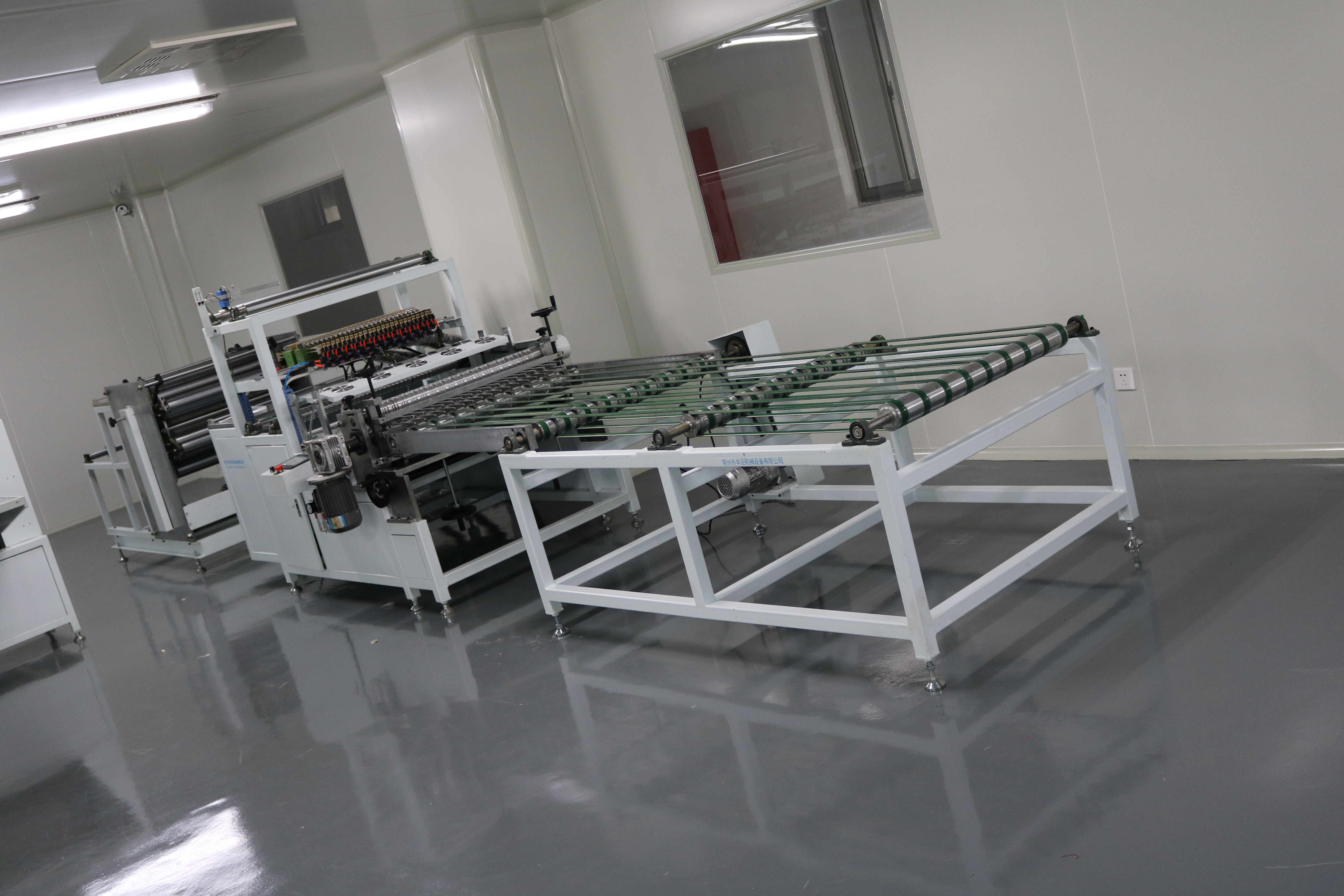
An air filter production line consists of specialized machinery designed to manufacture high-quality filtration products that meet stringent industry standards. Understanding the essential equipment in an air filter production line is crucial for manufacturers who want to establish efficient operations, maintain consistent product quality, and achieve optimal production capacity. The configuration of machines directly impacts the manufacturing process, from raw material handling to final product packaging.
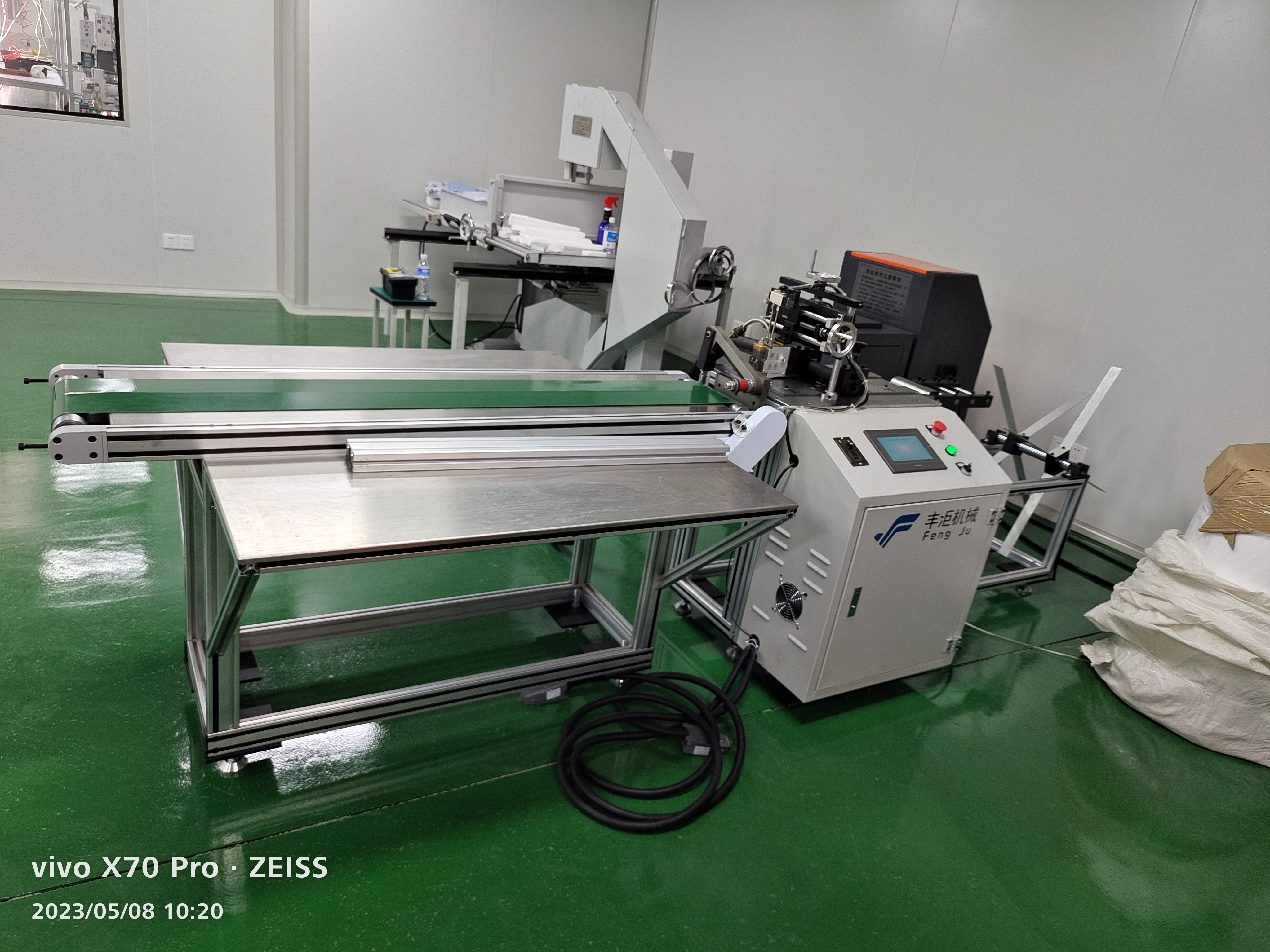
The complexity of a modern air filter production line varies depending on the types of filters being manufactured, production volume requirements, and quality specifications. Each machine in the production line serves a specific function, from media preparation and pleating to frame assembly and final testing. Selecting the right combination of equipment ensures smooth workflow integration, minimal downtime, and consistent output quality that meets customer expectations and regulatory compliance standards.
Media Preparation and Handling Equipment
Filter Media Cutting Machines
Filter media cutting machines form the foundation of any air filter production line by precisely cutting filter materials to required dimensions. These machines handle various media types including fiberglass, synthetic materials, and activated carbon substrates. The cutting precision directly affects the final filter performance, as uneven cuts can create gaps that compromise filtration efficiency. Advanced cutting machines feature automatic feeding systems, laser-guided cutting heads, and waste material collection systems that optimize material usage and reduce production costs.
Modern media cutting equipment incorporates programmable controls that allow operators to set cutting patterns for different filter sizes and configurations. The machines can handle continuous roll materials or pre-cut sheets, depending on the production requirements. Quality cutting machines also include dust collection systems to maintain clean working environments and prevent contamination of the filter media during the cutting process.
Media Slitting and Rewinding Systems
Slitting and rewinding systems prepare large rolls of filter media for subsequent processing stages in the air filter production line. These machines unwind master rolls, cut them into precise widths, and rewind them onto smaller cores for easy handling by downstream equipment. The tension control systems ensure consistent material feed without stretching or damaging the filter media. Edge quality control features prevent fraying and maintain clean edges that are essential for proper filter assembly.
The slitting process requires careful attention to blade maintenance and alignment to achieve consistent results across the entire production run. Advanced systems include automatic blade positioning, real-time tension monitoring, and quality inspection cameras that detect defects before the material reaches the pleating stage. These features significantly reduce waste and improve overall production efficiency in the air filter production line.
Pleating and Forming Machinery
High-Speed Pleating Machines
Pleating machines represent the heart of most air filter production line configurations, creating the accordion-fold structure that maximizes filter surface area within compact dimensions. These machines use precision forming wheels and heated plates to create consistent pleats with exact spacing and depth measurements. The pleating process must maintain uniform fold angles and spacing to ensure proper airflow distribution and optimal filtration performance throughout the filter's service life.
Modern pleating equipment features programmable pleat patterns that accommodate various filter designs and efficiency requirements. The machines can handle different pleat depths, from shallow pleats for low-resistance applications to deep pleats for high-efficiency filters. Temperature control systems ensure proper heat application for thermoplastic media bonding, while cooling sections stabilize the pleated structure before the material moves to subsequent processing stations.
Gluing and Bonding Systems
Gluing systems in an air filter production line apply adhesives to secure pleat tips and create stable filter configurations. These systems use various adhesive types including hot-melt, water-based, and solvent-based formulations depending on the filter media and application requirements. Precision application ensures consistent bond strength while minimizing adhesive usage and preventing contamination of the filter media surface.
Advanced gluing systems incorporate metering pumps, heated applicators, and vision systems that monitor adhesive placement accuracy. The curing process requires controlled temperature and humidity conditions to achieve optimal bond strength. Some systems include UV curing capabilities for specialized adhesive formulations that provide rapid processing times and enhanced bond durability under demanding operating conditions.
Frame Assembly and Integration Equipment
Frame Manufacturing Machines
Frame manufacturing equipment produces the structural components that house the filter media and provide mounting interfaces for installation in HVAC systems. These machines work with various materials including galvanized steel, aluminum, plastic, and cardboard depending on the filter application and environmental requirements. Precision forming ensures proper dimensions and tolerances that allow secure media installation and reliable sealing performance.
The frame manufacturing process includes cutting, bending, welding, and finishing operations that must maintain consistent quality across high-volume production runs. Automated systems reduce labor costs and improve consistency while maintaining the flexibility to produce different frame sizes and configurations. Quality control systems verify dimensional accuracy and structural integrity before frames move to the assembly stations in the air filter production line.
Media-to-Frame Assembly Systems
Assembly systems integrate the pleated filter media with manufactured frames to create complete filter units ready for quality testing and packaging. These machines position the media within the frame structure, apply sealing compounds or gaskets, and secure the assembly through various fastening methods. The assembly process must maintain proper media tension and positioning to prevent bypass airflow that would compromise filtration efficiency.
Automated assembly systems use pneumatic or servo-driven positioning mechanisms that ensure consistent placement and compression of sealing materials. Vision systems verify proper media positioning and detect assembly defects before the filters move to testing stations. The assembly equipment must accommodate different filter sizes and configurations while maintaining high production speeds and consistent quality standards.
Quality Control and Testing Equipment
Efficiency Testing Systems
Efficiency testing equipment validates that manufactured filters meet specified performance criteria for particle removal efficiency and pressure drop characteristics. These systems use standardized test protocols that simulate real-world operating conditions while measuring filter performance across particle size ranges. The testing process ensures that each filter unit meets customer specifications and regulatory requirements before packaging and shipment.
Modern testing systems incorporate automated loading mechanisms, controlled airflow generation, and particle counting technologies that provide rapid, accurate measurements. Data logging systems maintain production records for quality assurance and traceability purposes. The testing equipment must handle various filter sizes and types while maintaining calibration accuracy that ensures reliable performance validation throughout the air filter production line.
Leak Detection and Integrity Testing
Leak detection systems identify assembly defects, media damage, and sealing failures that could compromise filter performance in service. These systems use various detection methods including pressure differential testing, fluorescent particle detection, and optical scanning technologies. Early detection of defects prevents non-conforming products from reaching customers and reduces warranty claims and field failures.
Integrity testing equipment verifies that the filter media, frame assembly, and sealing systems work together to provide effective filtration without bypass paths. The testing process includes both visual inspection systems and automated measurement technologies that detect microscopic defects not visible to human operators. Comprehensive testing ensures that the air filter production line delivers consistent, high-quality products that meet performance expectations.
Packaging and Material Handling Systems
Automated Packaging Equipment
Packaging systems protect finished filters during storage and transportation while providing product identification and handling information. These systems accommodate various packaging formats including individual wrapping, bulk containers, and protective shipping cartons depending on customer requirements and distribution methods. Automated packaging reduces labor costs and improves consistency while maintaining high processing speeds that match production line capacity.
Modern packaging equipment incorporates labeling systems, protective wrapping materials, and quality verification technologies that ensure proper product identification and protection. The packaging process must prevent damage to filter media and frames while providing clear product information and handling instructions. Integration with inventory management systems enables real-time production tracking and shipment coordination throughout the air filter production line operation.
Conveyor and Material Flow Systems
Conveyor systems provide continuous material flow between processing stations while maintaining proper handling conditions for filter components and finished products. These systems include belt conveyors, roller systems, and pneumatic transport mechanisms designed to prevent damage to delicate filter media and maintain proper orientation during processing. Automated routing systems direct products to appropriate processing stations based on filter type and specifications.
Material handling systems must accommodate various filter sizes, weights, and configurations while maintaining consistent processing speeds throughout the production line. Safety systems prevent operator exposure to moving equipment while allowing easy access for maintenance and quality inspection activities. The conveyor design directly impacts overall production efficiency and worker safety in the air filter production line environment.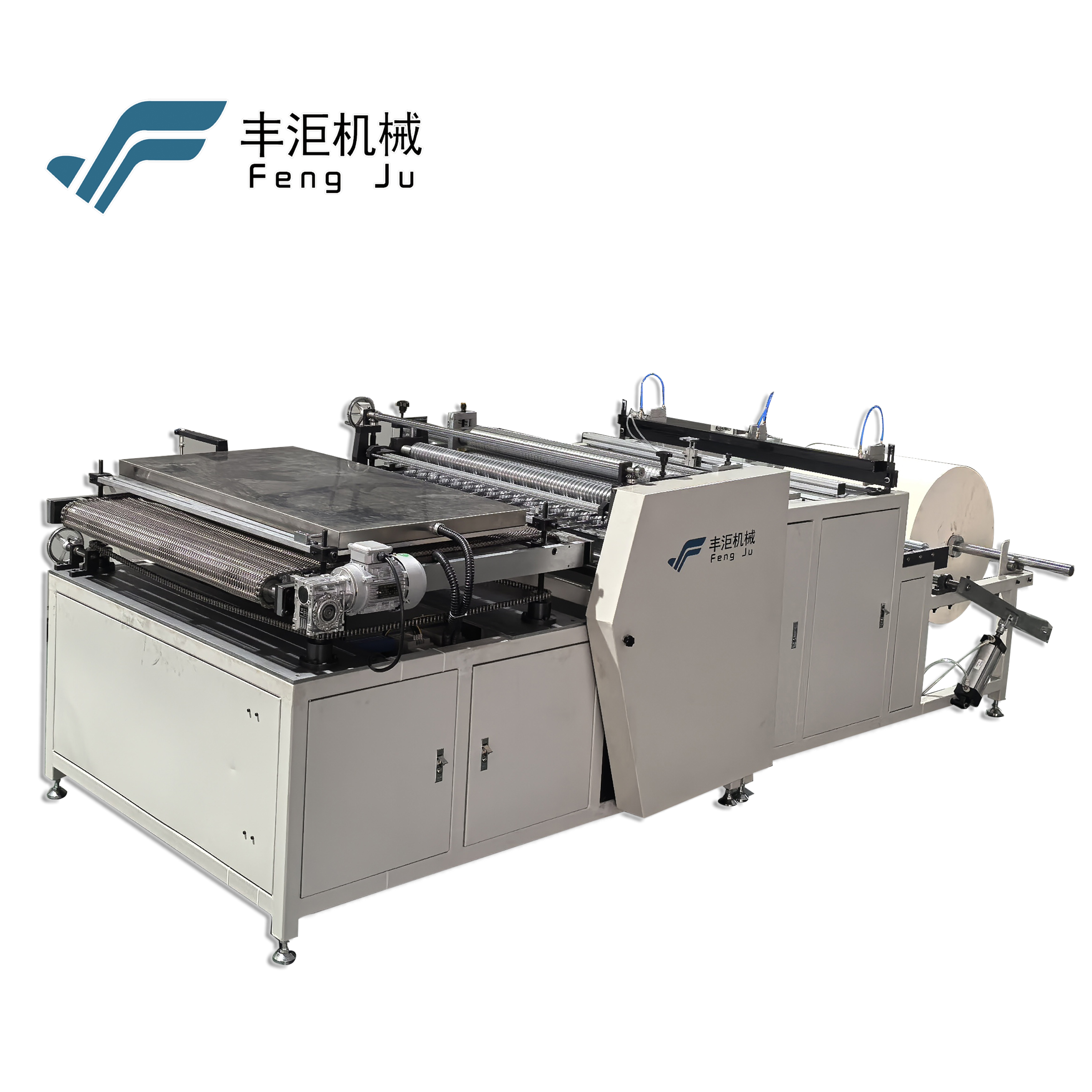
FAQ
What factors determine the machine selection for an air filter production line?
Machine selection depends on several critical factors including production volume requirements, filter types and sizes to be manufactured, quality specifications, available floor space, and budget constraints. The intended market applications also influence equipment choices, as automotive filters require different machinery than HVAC or industrial filtration products. Manufacturers must consider both current needs and future expansion plans when designing their air filter production line configuration.
How does automation level affect air filter production line efficiency?
Automation significantly improves production efficiency by reducing manual handling, minimizing human error, and enabling consistent processing speeds. Fully automated systems can operate continuously with minimal supervision, reducing labor costs and improving product consistency. However, automation requires higher initial investment and skilled maintenance personnel. The optimal automation level depends on production volume, product complexity, and available technical support capabilities within the manufacturing organization.
What maintenance considerations are important for air filter production line equipment?
Regular maintenance is essential for maintaining product quality and production efficiency in an air filter production line. Key maintenance activities include blade sharpening and replacement on cutting equipment, adhesive system cleaning and calibration, conveyor belt inspection and tension adjustment, and sensor calibration on quality control equipment. Preventive maintenance schedules should account for production demands while ensuring equipment reliability and minimizing unplanned downtime that could disrupt delivery commitments.
Can existing manufacturing equipment be integrated into a new air filter production line?
Existing equipment can often be integrated into new air filter production line configurations with proper evaluation and modification. Compatibility assessment should consider processing capabilities, control system integration requirements, safety standards compliance, and overall production flow optimization. Retrofit solutions may include control system upgrades, safety system additions, or mechanical modifications to ensure seamless integration with new equipment while maintaining production quality and efficiency standards.
Table of Contents
- Media Preparation and Handling Equipment
- Pleating and Forming Machinery
- Frame Assembly and Integration Equipment
- Quality Control and Testing Equipment
- Packaging and Material Handling Systems
-
FAQ
- What factors determine the machine selection for an air filter production line?
- How does automation level affect air filter production line efficiency?
- What maintenance considerations are important for air filter production line equipment?
- Can existing manufacturing equipment be integrated into a new air filter production line?