
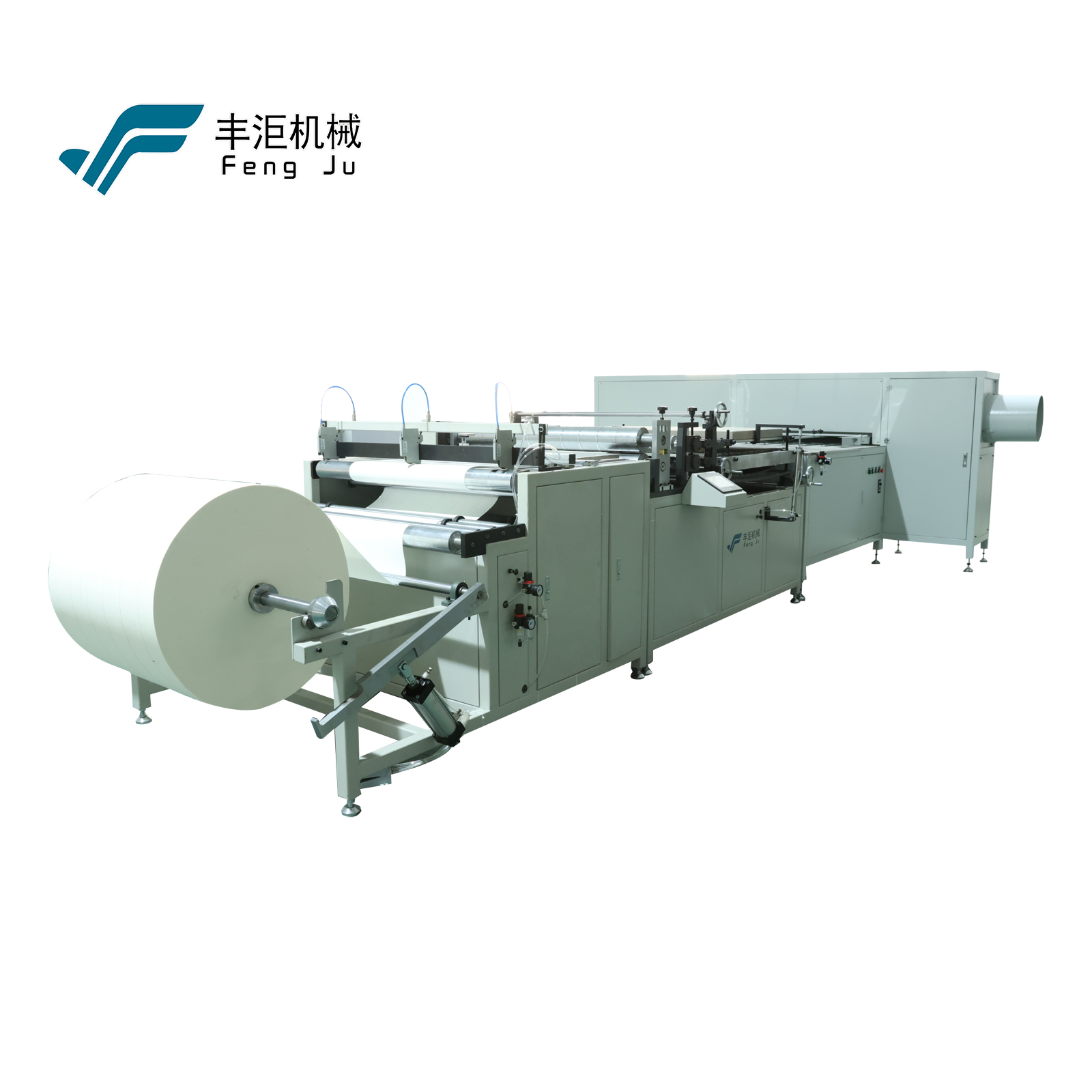
Manufacturing operations that involve filter element production, textile pleating, or precision folding processes face increasing pressure to enhance efficiency while maintaining quality standards. An automatic pleating machine emerges as a strategic solution for businesses seeking to transform their production capabilities and achieve competitive advantages in today's demanding industrial landscape.
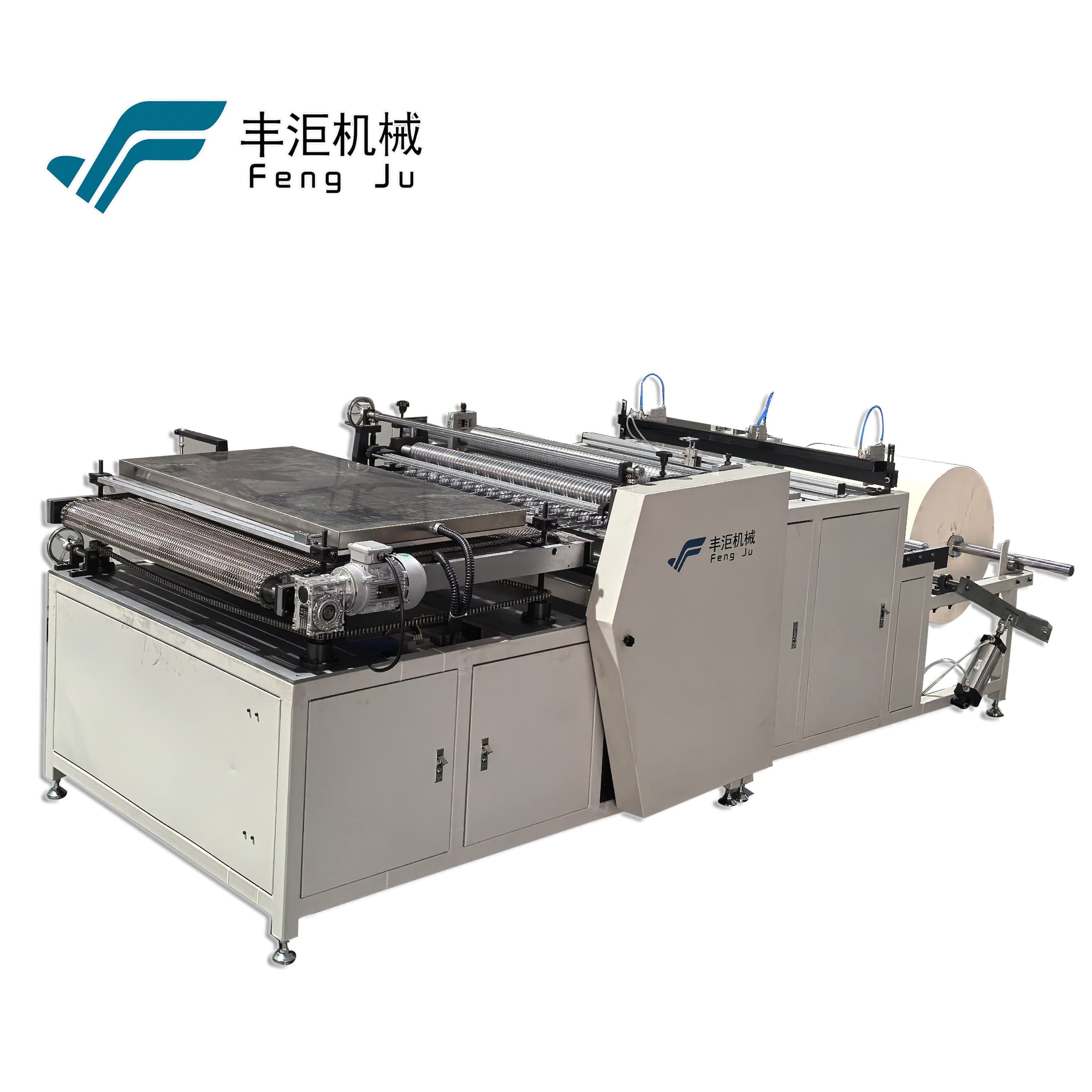
The transition from manual or semi-automated pleating processes to an automatic pleating machine represents more than just equipment upgrade—it fundamentally reshapes operational efficiency, product quality, and long-term business sustainability. Understanding these comprehensive benefits enables manufacturers to make informed investment decisions that align with their production goals and market requirements.
Enhanced Production Efficiency and Speed
Accelerated Manufacturing Cycles
The most immediate benefit of implementing an automatic pleating machine lies in dramatically reduced production time. Traditional manual pleating methods often require skilled operators to perform repetitive folding tasks, creating bottlenecks that limit overall throughput. An automatic pleating machine eliminates these constraints by executing precise pleating operations at consistent high speeds, often achieving production rates three to five times faster than manual alternatives.
This acceleration becomes particularly valuable in high-volume manufacturing environments where meeting delivery deadlines directly impacts customer satisfaction and business reputation. The machine's ability to operate continuously during production shifts maximizes equipment utilization and enables manufacturers to handle larger order volumes without proportional increases in labor costs.
Additionally, the consistent operational pace of an automatic pleating machine eliminates the variability inherent in human performance, such as fatigue-related slowdowns or inconsistent working speeds throughout the day. This reliability enables production planners to create more accurate scheduling forecasts and deliver more dependable completion timelines to customers.
Reduced Labor Dependencies
Automation through an automatic pleating machine significantly reduces the reliance on specialized manual labor, addressing both immediate operational challenges and long-term workforce sustainability concerns. Skilled pleating operators often require extensive training periods and command higher wages, making labor cost management a persistent challenge for manufacturers.
The machine's automated operation allows existing staff to be reassigned to higher-value tasks such as quality control, machine maintenance, or production coordination. This reallocation of human resources creates opportunities for workforce development and enables companies to build more resilient operational structures that are less vulnerable to labor shortages or turnover.
Furthermore, reduced labor dependency translates into greater operational flexibility, allowing manufacturers to adjust production schedules based on demand fluctuations without being constrained by workforce availability. This agility becomes increasingly important in industries characterized by seasonal demand patterns or rapid market changes.
Superior Product Quality and Consistency
Precision and Repeatability
An automatic pleating machine delivers unparalleled precision in fold creation, ensuring that each pleat meets exact dimensional specifications regardless of production volume or operator variations. The machine's programmed parameters guarantee consistent pleat depth, spacing, and alignment throughout the entire production run, eliminating the quality variations that commonly occur with manual processes.
This precision becomes critical in applications such as filter element manufacturing, where pleat uniformity directly affects filtration efficiency and product performance. Inconsistent pleating can create uneven flow patterns, reduced surface area utilization, and compromised filtration effectiveness, potentially leading to customer complaints and warranty claims.
The machine's ability to maintain consistent quality standards also reduces the need for extensive quality control inspections and rework operations. When manufacturers can rely on the automatic pleating machine to produce uniform results, they can allocate quality assurance resources more efficiently and focus on strategic improvement initiatives rather than reactive problem-solving.
Minimized Material Waste
Precise control over the pleating process significantly reduces material waste compared to manual methods. An automatic pleating machine calculates optimal material usage and executes folds with minimal excess material consumption, directly impacting production costs and environmental sustainability metrics.
The reduction in defective products also contributes to waste minimization, as consistent machine operation eliminates many of the human errors that lead to scrapped materials. This improvement in material utilization rates can result in substantial cost savings, particularly when working with expensive specialty materials or operating under tight margin constraints.
Additionally, the machine's precise material handling reduces the likelihood of material damage during the pleating process, such as tears, wrinkles, or improper fold formation that would render the finished product unusable. This protection of material integrity contributes to overall cost efficiency and customer satisfaction.
Long-term Cost Benefits and ROI
Operational Cost Reduction
While the initial investment in an automatic pleating machine requires careful financial planning, the long-term operational cost benefits typically justify the expenditure within reasonable payback periods. Reduced labor costs represent the most visible savings, as automated operation eliminates the need for multiple skilled operators and reduces overall staffing requirements.
Energy efficiency improvements also contribute to cost reduction, as modern automatic pleating machines are designed to optimize power consumption while maintaining high performance levels. These machines often incorporate advanced motor controls and energy management systems that reduce electricity usage compared to older equipment or manual processes that require extensive facility lighting and climate control.
Maintenance costs often decrease with automation implementation, as an automatic pleating machine typically features predictive maintenance capabilities and diagnostic systems that identify potential issues before they result in costly breakdowns. This proactive approach to equipment care extends machine life and reduces unexpected repair expenses.
Revenue Enhancement Opportunities
The improved production capacity enabled by an automatic pleating machine creates opportunities for revenue growth through increased order acceptance and faster delivery times. Manufacturers can pursue larger contracts and more demanding customers who require high-volume production capabilities and reliable delivery schedules.
Enhanced product quality also supports premium pricing strategies, as consistent, high-quality pleated products command higher market values than inconsistent alternatives. This quality premium can significantly impact profit margins and overall business profitability, particularly in specialized applications where performance requirements are stringent.
The machine's flexibility in handling different materials and pleat configurations enables manufacturers to diversify their product offerings and enter new market segments. This diversification reduces business risk and creates multiple revenue streams that contribute to overall financial stability.
Competitive Advantages and Market Positioning
Market Responsiveness
An automatic pleating machine enhances a manufacturer's ability to respond quickly to market opportunities and customer demands. The rapid production capabilities enable faster prototype development and quicker transition from concept to market-ready products, providing significant competitive advantages in time-sensitive markets.
This responsiveness becomes particularly valuable when customers require custom pleating specifications or rapid delivery of large orders. The machine's programmable nature allows for quick setup changes and specification adjustments without extensive retooling or retraining requirements.
Additionally, the consistent quality output enables manufacturers to offer more confident delivery promises and quality guarantees, strengthening customer relationships and supporting long-term contract negotiations. Customers increasingly value suppliers who can demonstrate reliable production capabilities and consistent quality standards.
Innovation and Technology Leadership
Investing in an automatic pleating machine positions manufacturers as technology leaders within their industry sectors. This perception enhances brand reputation and attracts customers who prioritize working with innovative, forward-thinking suppliers who invest in modern manufacturing capabilities.
The advanced capabilities of modern automatic pleating machines also enable manufacturers to explore new product development opportunities that would be impractical or impossible with manual processes. This innovation potential creates pathways for premium product development and market differentiation.
Furthermore, the data collection capabilities inherent in automated systems provide valuable insights into production trends, quality patterns, and optimization opportunities. This information supports continuous improvement initiatives and evidence-based decision-making that drives ongoing operational excellence.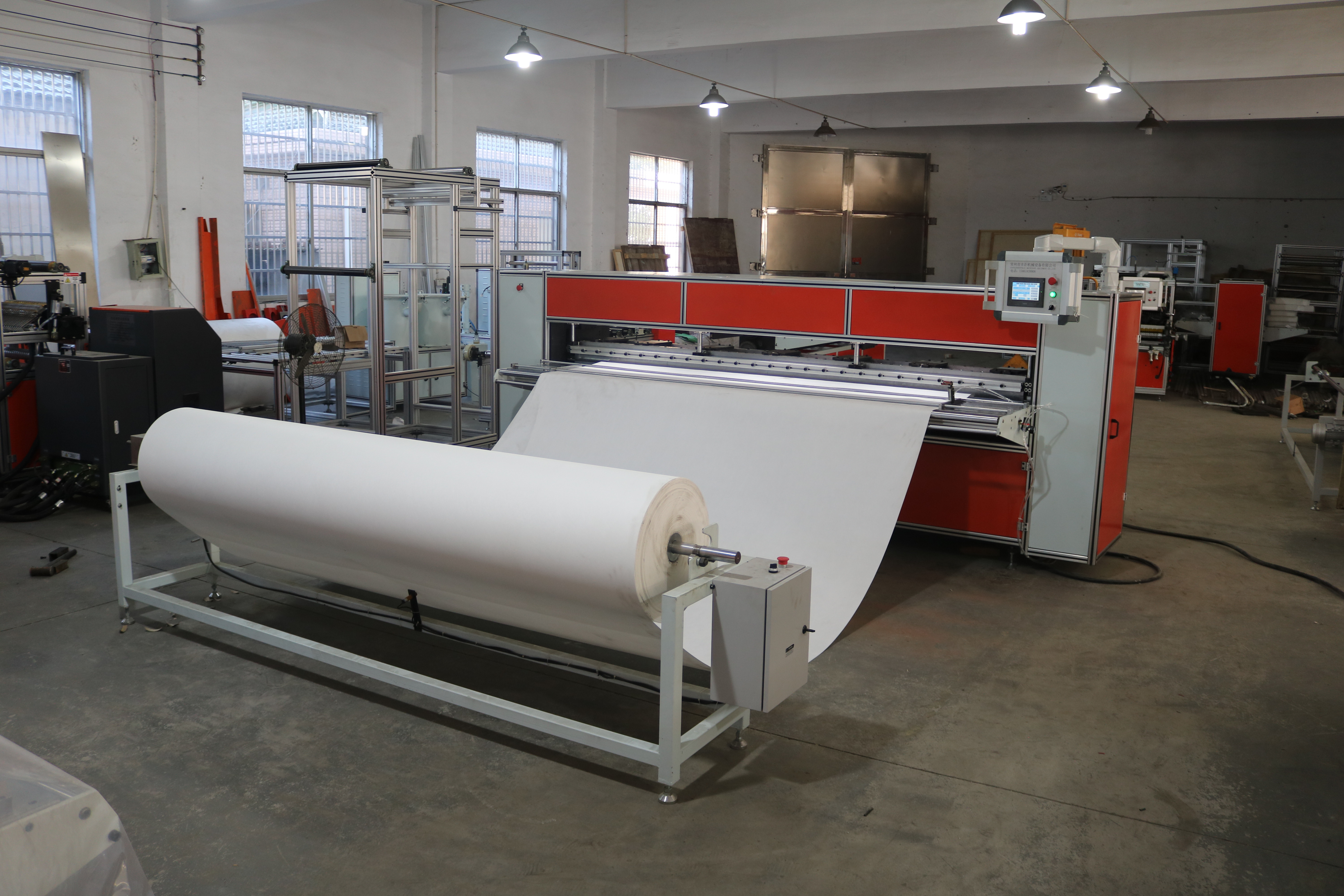
FAQ
How long does it typically take to see return on investment from an automatic pleating machine?
Most manufacturers experience ROI within 18 to 36 months, depending on production volume and labor cost savings. High-volume operations often achieve faster payback periods due to increased throughput and reduced labor expenses, while smaller operations may require longer timeframes to realize full financial benefits.
Can an automatic pleating machine handle different materials and pleat types?
Modern automatic pleating machines offer exceptional versatility, accommodating various materials including filter media, textiles, and specialty fabrics. Most machines feature adjustable parameters for different pleat depths, spacing requirements, and material thicknesses, making them suitable for diverse manufacturing applications and product lines.
What maintenance requirements should be expected with an automatic pleating machine?
Regular maintenance typically includes daily cleaning, weekly lubrication of moving parts, and periodic calibration checks. Most manufacturers recommend professional service every 6-12 months, depending on usage intensity. Modern machines often include diagnostic systems that alert operators to maintenance needs before problems develop.
How does automation impact product quality compared to manual pleating methods?
Automatic pleating machines consistently deliver superior quality with minimal variation between products. The precision control eliminates human error factors such as inconsistent pressure application, uneven spacing, or varying fold depths that commonly occur with manual processes, resulting in more reliable product performance and customer satisfaction.
Table of Contents
- Enhanced Production Efficiency and Speed
- Superior Product Quality and Consistency
- Long-term Cost Benefits and ROI
- Competitive Advantages and Market Positioning
-
FAQ
- How long does it typically take to see return on investment from an automatic pleating machine?
- Can an automatic pleating machine handle different materials and pleat types?
- What maintenance requirements should be expected with an automatic pleating machine?
- How does automation impact product quality compared to manual pleating methods?