
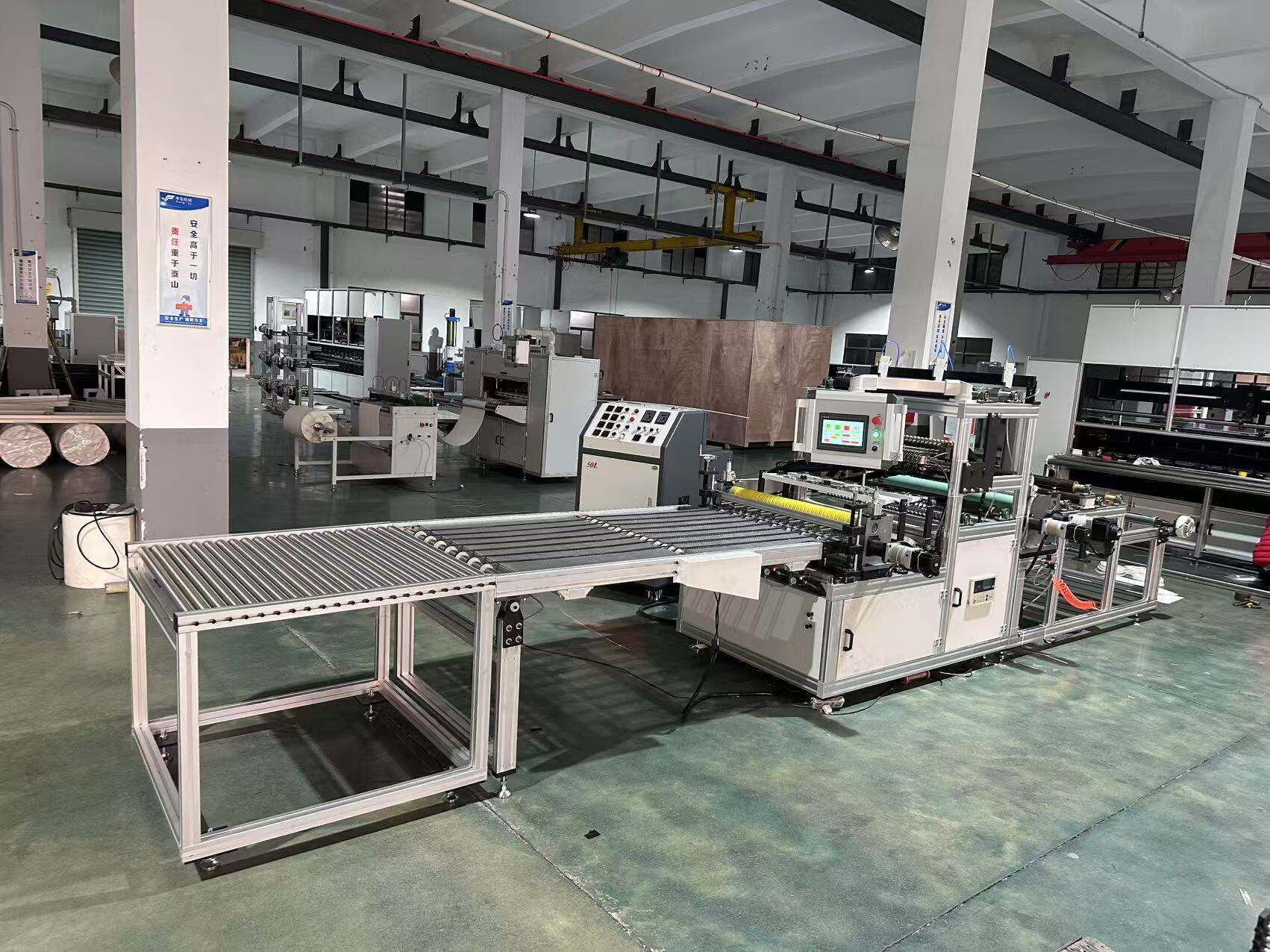
Selecting the right equipment for HEPA filter production is one of the most consequential decisions a filter manufacturer can make. The pleating stage sits at the heart of the entire process — it determines media integrity, airflow consistency, and ultimately the filtration performance your end customers depend on. A mini pleating machine designed specifically for HEPA media brings precision folding capability to operations that require tight pleat geometry, clean media handling, and repeatable output across high-sensitivity filter grades. Understanding how to evaluate and select the right model is essential before committing capital or scaling production.
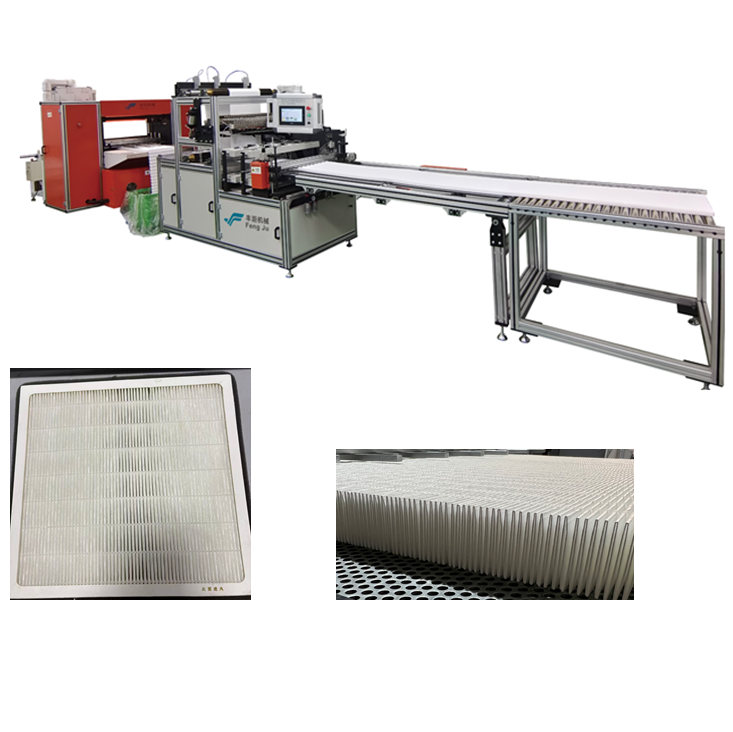
The challenge is that not every mini pleating machine on the market is built to handle the delicate, glass-fiber-based media used in HEPA-grade filters. HEPA media is fragile, electrostatically sensitive, and intolerant of mechanical stress that would cause fiber breakage or media cracking. A machine that performs well on polyester or synthetic filter media may introduce micro-damage and filtration degradation when applied to genuine HEPA-grade substrates. This guide walks you through the exact selection criteria that matter — from mechanical architecture and pleat geometry control to speed range, media compatibility, and operator workflow — so you can make a well-informed procurement decision.
Understanding What a Mini Pleating Machine Does in HEPA Filter Production
The Role of Pleating in Filter Performance
The performance of a HEPA filter is not determined solely by the raw filtration media — it is equally dependent on the quality of the pleating process that shapes that media into a usable filter element. Pleating dramatically increases the effective surface area available for particle capture within a compact housing. In a mini pleating machine, the media is fed through a set of precision-controlled folding blades or rotary cams that create evenly spaced, consistent folds across the full width of the web.
For HEPA filters, this consistency is not optional. Any variation in pleat height, pleat pitch, or fold angle will create non-uniform airflow channels within the filter pack, generating localized high-velocity zones that bypass the filter media and degrade particle capture efficiency. A properly configured mini pleating machine eliminates these inconsistencies by holding pleat dimensions within tight tolerances throughout a production run. This level of mechanical precision is what separates a specialized HEPA pleating machine from a general-purpose folding solution.
Why Compact Format Machines Serve Certain Production Environments Better
Mini pleating machines are distinguished from their larger industrial counterparts by their compact footprint, lower media width capacity, and adaptability to small-batch or specialty filter production. In many HEPA filter manufacturing environments — including cleanroom filtration, medical HVAC, laboratory air handling, and residential high-efficiency filtration — the filter dimensions are relatively small and production runs are moderate in scale. A full-scale industrial pleating line would represent gross overcapacity and excessive capital outlay for these applications.
A mini pleating machine fills this gap by offering precision mechanics in a space-efficient platform. It allows manufacturers to process narrow to mid-width media rolls with high-quality pleat geometry control, while maintaining the operational flexibility to switch between pleat heights and pitches as product specifications change. This adaptability is particularly valuable for contract filter manufacturers serving multiple end markets with varying filter geometry requirements.
Key Technical Specifications to Evaluate
Pleat Height and Pitch Adjustment Range
One of the first technical parameters to examine when selecting a mini pleating machine is the range of pleat heights and pleat pitches the machine can produce. Pleat height — the depth of each individual fold — directly influences how much media surface area is packed into the filter element. Pleat pitch — the distance between adjacent fold peaks — determines how many pleats fit within a given filter length. For HEPA filter applications, these two parameters must be optimized together to maximize media area while ensuring that adjacent pleat faces do not compress against one another during operation.
When evaluating a mini pleating machine, confirm the full adjustment range for both parameters and assess how easily the machine transitions between settings. Machines that require time-consuming mechanical changeovers for each new pleat geometry will slow your production flexibility significantly. Modern mini pleating machines designed for professional use typically offer tool-free or semi-tool-free adjustment systems, allowing operators to dial in new specifications within minutes rather than hours.
Media Width Capacity and Feed Tension Control
HEPA media typically comes in roll widths that correspond to standard filter pack dimensions, and your machine must accommodate the specific widths your product line requires. Confirm the usable media width range of the mini pleating machine you are evaluating — not just the maximum rated width, but also how well it performs at narrower widths within that range. Some machines exhibit tracking instability or edge waviness when running media significantly narrower than their maximum capacity.
Feed tension control is equally critical when working with HEPA media. Glass fiber substrates used in HEPA filters are highly sensitive to tensile stress during unwinding and feeding. A mini pleating machine that lacks precise, adjustable feed tension control may stretch the media unevenly, cause fiber breakage, or introduce tension-induced pleat deformities. Look for machines that offer adjustable unwind brake systems or motorized tension control modules, particularly if you are processing thin or fragile HEPA grades.
Pleating Speed and Output Rate
Pleating speed, measured in meters per minute of processed media, is a key throughput factor. However, raw speed must be evaluated relative to HEPA media handling requirements. At high speeds, the mechanical stresses on fragile glass fiber media increase proportionally, and the risk of fold cracking or micro-fracture rises. The best mini pleating machine configurations for HEPA applications deliver moderate, controlled pleating speeds with the mechanical smoothness to protect media integrity throughout the fold cycle.
When reviewing speed specifications, pay attention to whether the rated speed applies to synthetic media or glass fiber HEPA media specifically. Manufacturers who have optimized their machines for HEPA use will often specify separate speed ratings for these two media categories. A machine that can sustain clean, consistent folds at 15–25 meters per minute on HEPA glass fiber media is delivering excellent performance for this application class.
Machine Construction and HEPA Media Compatibility
Folding Blade Material and Surface Finish
The mechanical components that make direct contact with HEPA media during the pleating process have an outsized influence on media quality and machine longevity. Folding blades, guide channels, and rollers must be fabricated from materials that will not abrade, contaminate, or chemically interact with the glass fiber substrate. In a quality mini pleating machine intended for HEPA applications, folding components are typically manufactured from hardened tool steel or stainless steel with precisely polished contact surfaces.
A rough or pitted surface finish on folding blades will create inconsistent friction zones across the media width, resulting in non-uniform pleat geometry and potential media damage at the fold lines. Request surface finish specifications or inspect sample components when evaluating a mini pleating machine from a prospective supplier. Machines built to a lower cost point often compromise on contact surface quality, which becomes apparent only after production begins and quality control issues surface.
Frame Rigidity and Vibration Damping
Mechanical rigidity in the machine frame is a non-negotiable requirement for consistent pleat geometry in a mini pleating machine used for HEPA filter production. At any given pleating speed, the folding mechanism introduces periodic mechanical forces into the machine structure. If the frame lacks sufficient rigidity, these forces cause resonant vibration that manifests as pleat pitch variation, fold angle inconsistency, and edge alignment drift — all of which compromise HEPA filter pack quality.
Evaluate the construction of the machine base and frame carefully. Cast iron or heavy steel welded frames offer superior rigidity compared to lighter fabricated sheet metal structures. Vibration damping elements — rubber isolation mounts, counterbalanced drive systems — are positive indicators of engineering quality. A well-constructed mini pleating machine will remain dimensionally stable and mechanically quiet throughout its operational speed range, even after extended production hours.
Operational Considerations for Production Environments
Ease of Setup and Format Changeover
In any production environment running more than one filter geometry, the time required to change formats on a mini pleating machine directly impacts overall equipment effectiveness. Machines that require extensive disassembly, specialized tooling, or lengthy mechanical recalibration for each changeover will limit your ability to respond to customer orders efficiently. When evaluating machines, ask the manufacturer to demonstrate a complete format changeover from one pleat specification to another, including the time required to reach stable, in-specification output after the changeover is complete.
Good modern mini pleating machines incorporate graduated adjustment scales, indexed positioning systems, and stored parameter references that allow operators to return to a previously validated setup reliably. These features reduce setup time and minimize the risk of out-of-specification product during the transition period between formats. For contract manufacturers or operations with diverse product lines, this capability is a significant competitive advantage.
Integration with Downstream Filter Assembly Equipment
A mini pleating machine rarely operates in isolation — it feeds a downstream production sequence that may include separator insertion, pack cutting, frame bonding, or casing assembly. The interface between the pleating machine and the downstream process affects both product quality and production efficiency. Consider how the pleated media exits the machine: is it delivered in a continuous serpentine pack, or cut to length in-line? Does the output format match the input requirements of your existing downstream equipment?
Some mini pleating machine configurations include integrated pack cutting and stacking systems, while others produce a continuous output intended for manual or semi-automated downstream handling. Understanding these integration points before purchasing will prevent costly workflow mismatches and ensure that the machine fits naturally into your production cell. Consulting your equipment supplier about your complete production sequence — not just the pleating step in isolation — is a best practice that experienced HEPA filter manufacturers consistently follow.
Maintenance Requirements and Spare Parts Availability
Long-term ownership cost of a mini pleating machine includes routine maintenance, wear part replacement, and the availability of technical support. Folding blades, guide rails, feed rollers, and drive components are subject to wear and must be replaceable without excessive lead times. When selecting a machine, ask about the maintenance schedule, the availability of spare parts in your region, and the supplier's after-sales support capability. A machine that offers excellent initial performance but poor parts availability will become a production liability over time.
Assess whether the machine's mechanical design allows for component replacement without specialized skills or proprietary tooling. Machines with modular component architecture allow your own maintenance team to execute most routine replacements, reducing downtime and external service costs. This is particularly important for operations that run multiple production shifts or that cannot tolerate extended unplanned downtime in their HEPA filter production schedule.
Matching Machine Selection to Your Specific Production Scenario
Low-Volume Specialty Production vs. Medium-Scale Manufacturing
The right mini pleating machine for a cleanroom component specialist producing custom HEPA filter packs in small batches will not be identical to the right machine for a filter assembler running steady mid-volume production on standardized HEPA grades. Low-volume specialty producers prioritize setup flexibility, format changeover speed, and the ability to process a wide range of media types and pleat geometries. Medium-scale operations prioritize throughput reliability, automated tension control, and integration-friendly output formats.
Define your own production scenario clearly before initiating the selection process. Document your target media types and grades, the range of pleat heights and pitches your product line requires, your expected daily or weekly output volume, and the downstream process your pleated packs will feed. This production profile gives you a concrete specification framework against which to evaluate each mini pleating machine candidate — and helps you avoid being swayed by features that are irrelevant to your actual needs.
Evaluating Supplier Technical Competence and Application Experience
The technical competence of the machine supplier is as important as the machine specifications themselves when it comes to HEPA filter pleating applications. A supplier who understands HEPA media characteristics, filter pack geometry requirements, and the downstream assembly process can guide you toward the right machine configuration and help you avoid specification gaps that only become apparent during production trials. Ask prospective suppliers about their experience with HEPA-grade media specifically, and request references from customers operating in similar production environments.
A reputable mini pleating machine supplier will offer application testing — the ability to run your specific media on their equipment before you purchase, to validate that the machine produces the pleat geometry and media quality your product requires. This testing phase is invaluable for HEPA filter production, where media damage that is invisible to the naked eye can cause significant filter performance degradation. Suppliers who resist or cannot accommodate application testing on your materials should be viewed with caution.
FAQ
What makes a mini pleating machine suitable for HEPA filter media specifically?
A mini pleating machine designed for HEPA filter media incorporates low-stress media handling, smooth polished contact surfaces, precise tension control, and rigid mechanical construction that together protect the fragile glass fiber substrate from damage during folding. General-purpose pleating machines often lack these features and can cause micro-fractures in HEPA media that degrade filtration efficiency.
How do I determine the right pleat height and pitch for my HEPA filter application?
Pleat height and pitch are determined by your filter housing dimensions, target media surface area, and the pressure drop specification your filter must meet. Taller pleats and tighter pitches increase media area but raise pressure drop and risk inter-pleat contact. Most HEPA filter engineers work from established design guidelines and use simulation or empirical testing to optimize these parameters for each specific product. Your mini pleating machine must be capable of producing the validated geometry reliably at production speeds.
Can a mini pleating machine handle both HEPA and standard synthetic filter media?
Many modern mini pleating machines are capable of processing both HEPA-grade glass fiber media and synthetic filter materials, provided the feed tension system and contact components are appropriately configured. However, the machine settings — particularly feed tension and pleating speed — will differ significantly between these media types. Operators must adjust and validate settings each time a media change occurs to ensure output quality across both material classes.
What production throughput should I expect from a mini pleating machine for HEPA filters?
Throughput for a mini pleating machine processing HEPA glass fiber media is typically in the range of 10 to 30 meters of processed media per minute, depending on machine design, pleat geometry, and media grade. This translates to a variable number of finished filter packs per hour depending on individual pack length. Actual throughput in your environment will depend on setup time, format changeover frequency, and the efficiency of downstream handling.
Table of Contents
- Understanding What a Mini Pleating Machine Does in HEPA Filter Production
- Key Technical Specifications to Evaluate
- Machine Construction and HEPA Media Compatibility
- Operational Considerations for Production Environments
- Matching Machine Selection to Your Specific Production Scenario
-
FAQ
- What makes a mini pleating machine suitable for HEPA filter media specifically?
- How do I determine the right pleat height and pitch for my HEPA filter application?
- Can a mini pleating machine handle both HEPA and standard synthetic filter media?
- What production throughput should I expect from a mini pleating machine for HEPA filters?