
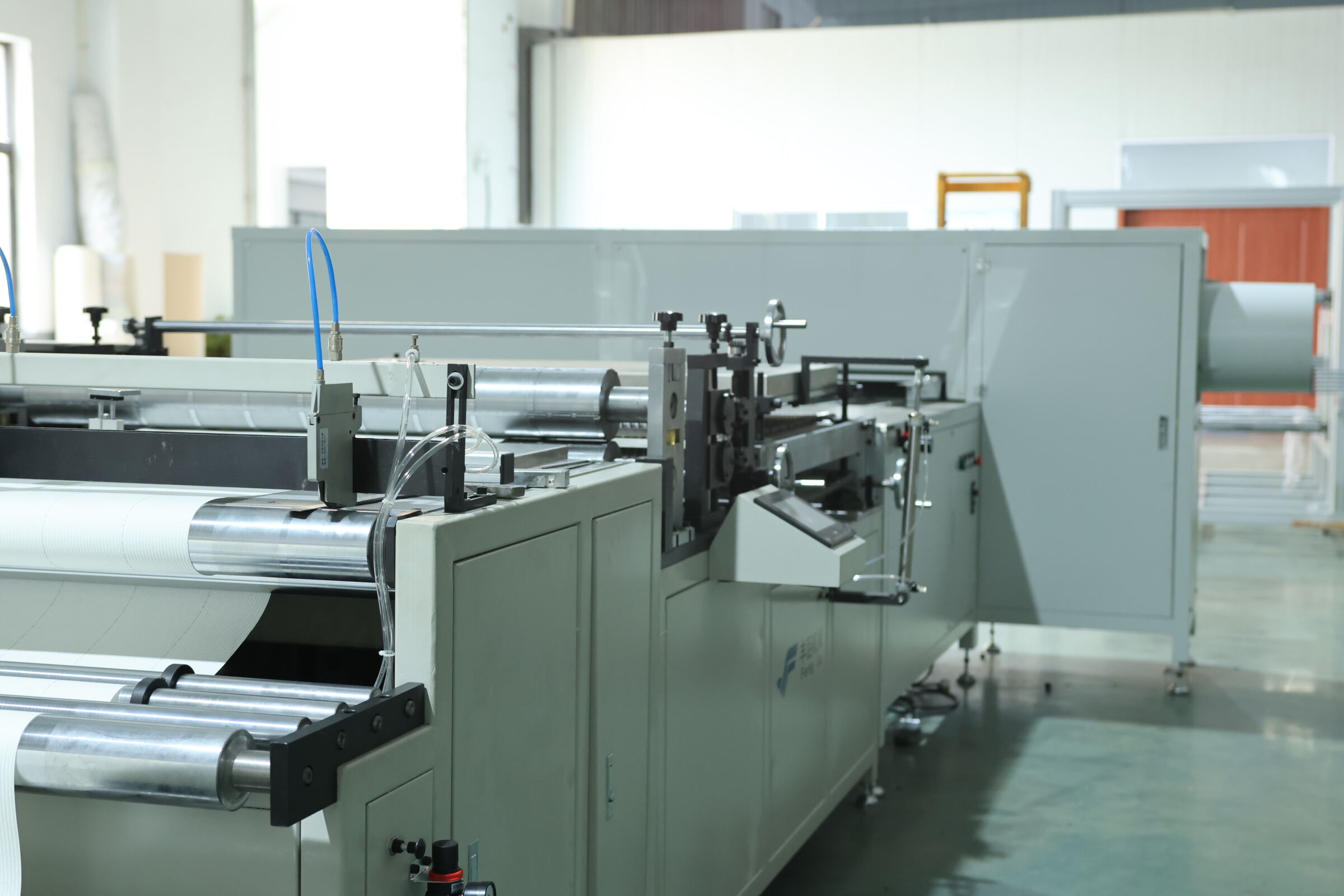
Khi lựa chọn thiết bị gấp nếp để sản xuất bộ lọc, việc hiểu rõ những khác biệt cơ bản giữa máy gấp nếp kiểu quay và máy gấp nếp thông thường trở nên vô cùng quan trọng nhằm đảm bảo hiệu quả sản xuất cũng như chất lượng sản phẩm. Việc lựa chọn giữa hai công nghệ này ảnh hưởng trực tiếp đến năng lực sản xuất, chi phí vận hành và các đặc tính cuối cùng của các phần tử bộ lọc đã được gấp nếp. So sánh toàn diện này sẽ xem xét những điểm khác biệt cốt lõi phân biệt công nghệ máy gấp nếp kiểu quay với các phương pháp gấp nếp truyền thống.
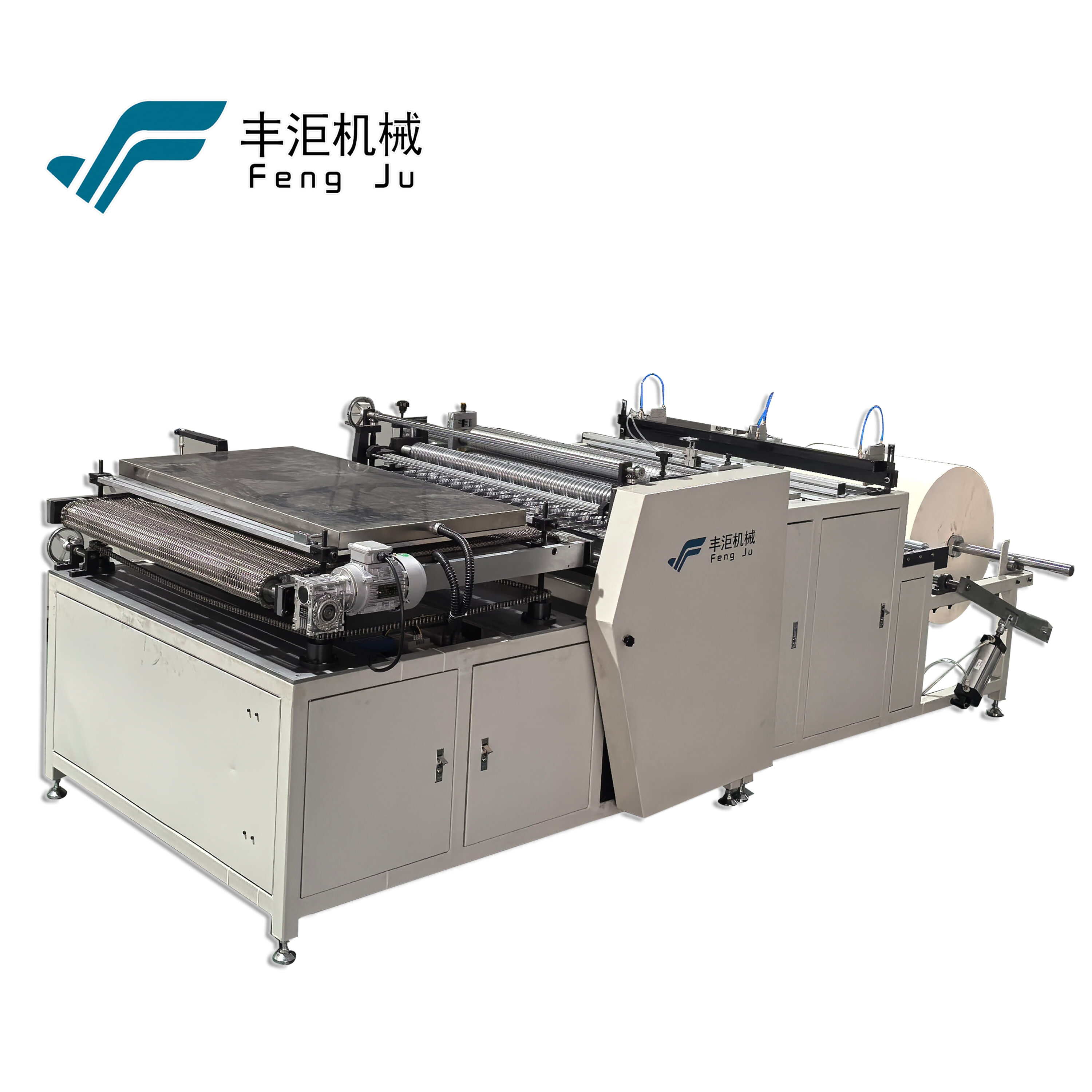
Sự phát triển của công nghệ gấp nếp đã dẫn đến những tiến bộ đáng kể trong cách xử lý và tạo hình vật liệu lọc. Trong khi máy gấp nếp thông thường đã phục vụ ngành công nghiệp trong hàng thập kỷ, thì máy tạo nếp xoay đại diện cho một bước tiến công nghệ vượt bậc về độ chính xác, tốc độ và tính nhất quán. Những khác biệt này không chỉ giới hạn ở các cơ chế vận hành đơn thuần mà còn bao quát những thay đổi căn bản trong cách sản xuất sản phẩm xếp ly, kiểm soát chất lượng và tích hợp vào các quy trình sản xuất hiện đại.
Cơ Chế Vận Hành và Kiến Trúc Thiết Kế
Cơ Chế Máy Xếp Ly Kiểu Quay
Máy xếp ly kiểu quay hoạt động dựa trên cơ chế quay liên tục, tạo ra các nếp xếp bằng cách sử dụng các bánh xe hoặc trống hình trụ. Thiết kế này cho phép vật liệu di chuyển liên tục mà không bị gián đoạn khi môi trường lọc đi qua các bộ phận quay, từ đó định hình từng nếp xếp với áp lực và thời điểm đồng đều. Hệ thống quay duy trì tốc độ không đổi trong suốt quá trình xếp ly, đảm bảo việc hình thành các nếp xếp đồng nhất bất kể sự thay đổi về độ dày hay mật độ của vật liệu.
Các thiết kế máy gấp nếp xoay tiên tiến tích hợp động cơ điều khiển servo nhằm đảm bảo vị trí và đồng bộ thời gian chính xác giữa nhiều thành phần xoay. Hệ thống cấp vật liệu hoạt động hài hòa cùng các thành phần xoay để duy trì lực căng và độ căn chỉnh phù hợp trong suốt chu kỳ gấp nếp. Cấu hình cơ học này cho phép tăng tốc độ sản xuất mà vẫn đảm bảo độ chính xác về kích thước nghiêm ngặt trên toàn bộ các phần được gấp nếp.
Cơ cấu xoay cũng tạo điều kiện thuận lợi hơn cho việc tích hợp với các hệ thống xử lý vật liệu tự động. Đặc tính vận hành liên tục của máy gấp nếp xoay cho phép kết nối liền mạch với thiết bị đầu vào và đầu ra, từ đó hình thành các dây chuyền sản xuất hiệu quả hơn, giảm thiểu sự can thiệp thủ công cũng như yêu cầu xử lý vật liệu.
Các thao tác vận hành máy gấp nếp thông thường
Các máy gấp nếp thông thường thường sử dụng cơ cấu chuyển động thẳng hoặc cơ cấu chuyển động qua lại để tạo ra các nếp gấp thông qua các thao tác gập tuần tự. Các hệ thống này thường dùng các ngón tay cơ khí, lưỡi dao hoặc dụng cụ tạo hình di chuyển theo các quỹ đạo đã được xác định trước nhằm định hình vật liệu lọc thành các cấu hình có nếp gấp. Đặc điểm từng bước của quá trình gấp nếp thông thường đòi hỏi sự đồng bộ hóa chính xác về thời gian giữa nhiều thành phần chuyển động.
Thiết bị gấp nếp truyền thống thường tích hợp các bộ truyền động khí nén hoặc thủy lực để điều khiển cơ cấu gập. Những hệ thống này yêu cầu hiệu chuẩn cẩn thận nhằm đảm bảo kích thước nếp gấp đồng đều và xử lý vật liệu đúng cách trong suốt quá trình tạo hình. Các máy gấp nếp thông thường cũng có thể bao gồm các hệ thống kẹp chuyên dụng để giữ cố định vật liệu trong suốt các thao tác gập.
Chu kỳ vận hành của các máy gấp nếp thông thường bao gồm các giai đoạn riêng biệt: định vị vật liệu, tạo nếp gấp và dịch chuyển vật liệu. Cách tiếp cận phân đoạn này cho phép đạt độ chính xác cao trong việc tạo từng nếp gấp riêng lẻ, nhưng có thể làm hạn chế tốc độ sản xuất tổng thể so với các hệ thống vận hành liên tục. Việc tích hợp kiểm soát chất lượng thường dễ dàng hơn đối với các máy gấp nếp thông thường nhờ các giai đoạn vận hành rõ ràng, từ đó tạo điều kiện thuận lợi cho việc thiết lập các điểm kiểm tra.
Hiệu quả sản xuất và khả năng về tốc độ
So sánh hiệu suất lưu lượng
Công nghệ máy gấp nếp quay mang lại tốc độ sản xuất cao hơn đáng kể nhờ đặc tính vận hành liên tục. Dòng vật liệu không gián đoạn cho phép đạt tốc độ xử lý vượt trội so với các phương pháp truyền thống từ 200–400%, tùy thuộc vào đặc tính vật liệu và yêu cầu về nếp gấp. Lưu lượng tăng cường này trực tiếp giúp giảm chi phí sản xuất trên một đơn vị sản phẩm và nâng cao mức độ sử dụng công suất sản xuất.
Các lợi ích về hiệu suất từ máy gấp nếp quay trở nên rõ rệt hơn khi xử lý các bộ lọc có chiều dài lớn hơn hoặc các lô sản xuất với khối lượng cao hơn. Việc vận hành liên tục loại bỏ các chu kỳ khởi động–dừng vốn có ở các thiết bị gấp nếp thông thường, giúp giảm mức tiêu thụ năng lượng trên mỗi đơn vị sản phẩm và hạn chế mài mòn cơ học đối với các thành phần hệ thống. Những cải thiện hiệu suất này tích lũy ngày càng tăng trong suốt các chu kỳ sản xuất kéo dài.
Kế hoạch sản xuất được hưởng lợi đáng kể nhờ tốc độ đầu ra dự báo được của các máy gấp nếp quay. Tốc độ xử lý ổn định cho phép lập lịch sản xuất và quản lý tồn kho một cách chính xác, trong khi thời gian thiết lập ngắn hơn giữa các cấu hình sản phẩm khác nhau giúp nâng cao hiệu quả thiết bị tổng thể. Các cơ sở sản xuất có thể đạt được việc phân bổ nguồn lực tốt hơn và cải thiện hiệu suất giao hàng nhờ khả năng dự báo sản xuất được nâng cao.
Yêu cầu Thiết lập và Chuyển đổi
Các máy gấp nếp thông thường thường yêu cầu quy trình thiết lập phức tạp khi chuyển đổi giữa các thông số nếp gấp khác nhau hoặc các loại vật liệu khác nhau. Việc thay thế dụng cụ, điều chỉnh hiệu chuẩn và chạy thử có thể chiếm mất đáng kể thời gian sản xuất, đặc biệt khi cần thực hiện nhiều lần chuyển đổi sản phẩm trong thời gian ngắn. Độ phức tạp của các điều chỉnh cơ học trong các hệ thống gấp nếp thông thường có thể đòi hỏi đào tạo chuyên sâu cho người vận hành cũng như kiến thức kỹ thuật chuyên môn.
Thiết kế máy gấp nếp quay thường tích hợp các quy trình chuyển đổi linh hoạt hơn nhờ hệ thống điều khiển lập trình được và thiết kế các thành phần dạng mô-đun. Việc lưu trữ tham số dưới dạng kỹ thuật số cho phép gọi lại nhanh chóng các thiết lập trước đó, trong khi các hệ thống định vị điều khiển bằng động cơ servo loại bỏ hoàn toàn nhu cầu điều chỉnh thủ công. Những tính năng này giúp giảm thời gian chuyển đổi từ 50–70% so với thiết bị gấp nếp truyền thống.
Yêu cầu thiết lập giảm thiểu của máy gấp nếp quay cho phép lên lịch sản xuất linh hoạt hơn và hỗ trợ các lô sản xuất nhỏ mà không làm giảm đáng kể hiệu suất. Khả năng này đặc biệt có giá trị trong các ứng dụng sản xuất bộ lọc theo yêu cầu, nơi sự đa dạng sản phẩm và thời gian phản hồi nhanh tạo ra lợi thế cạnh tranh.
Kiểm soát chất lượng và tiêu chuẩn độ chính xác
Độ đồng đều của nếp gấp và độ chính xác về kích thước
Máy gấp nếp quay đạt được độ đồng đều cao của nếp gấp nhờ thiết kế chuyển động liên tục, loại bỏ các lực gia tốc và giảm tốc hiện hữu trong các hệ thống chuyển động qua lại. Tốc độ quay đồng đều đảm bảo khoảng cách và độ sâu nếp gấp nhất quán trên toàn bộ chiều dài phần tử lọc. Sự ổn định cơ học này trực tiếp góp phần nâng cao hiệu suất lọc và kéo dài tuổi thọ sử dụng.
Các mẫu máy gấp nếp quay tiên tiến tích hợp các hệ thống giám sát thời gian thực để theo dõi kích thước nếp gấp và tự động điều chỉnh các thông số vận hành nhằm đảm bảo tuân thủ đặc tả kỹ thuật. Các tính năng đảm bảo chất lượng này giúp giảm thiểu phế liệu và hạn chế sản xuất các sản phẩm không đạt yêu cầu. Khả năng giám sát liên tục cho phép phát hiện sớm các biến đổi trong quy trình trước khi chúng ảnh hưởng đến chất lượng sản phẩm cuối cùng.
Độ chính xác đạt được nhờ máy gấp nếp quay cho phép duy trì dung sai kích thước chặt chẽ hơn, từ đó nâng cao các đặc tính hiệu suất của bộ lọc. Hình dạng nếp gấp đồng nhất cải thiện phân bố lưu lượng khí, giảm dao động về độ sụt áp và kéo dài tuổi thọ sử dụng của bộ lọc. Những cải tiến chất lượng này mang lại giá trị đo lường được cho người dùng cuối và hỗ trợ định vị sản phẩm ở phân khúc cao cấp.
Xử lý vật liệu và phòng ngừa hư hại
Các máy gấp nếp thông thường có thể gây ra mức độ ứng suất cao hơn lên vật liệu lọc trong quá trình gập do yêu cầu cơ học về kẹp và định vị. Các lực tăng tốc và giảm tốc đột ngột có thể gây giãn, rách hoặc biến dạng nén vật liệu, từ đó ảnh hưởng đến độ nguyên vẹn của bộ lọc. Việc lựa chọn vật liệu cẩn thận và tối ưu hóa quy trình trở thành những yếu tố then chốt trong các thao tác gấp nếp thông thường.
Thiết kế máy gấp nếp kiểu quay giảm thiểu ứng suất lên vật liệu nhờ quá trình tạo hình dần dần, giúp phân bố lực đều hơn trên toàn bộ vật liệu lọc. Đặc tính chuyển động liên tục làm giảm các điểm tập trung ứng suất cực đại và loại bỏ các thay đổi lực đột ngột vốn gắn liền với các cơ cấu chuyển động tịnh tiến qua lại. Cách xử lý vật liệu nhẹ nhàng hơn này mở rộng phạm vi các loại vật liệu có thể được gia công thành công.
Khả năng xử lý vật liệu được cải thiện của các máy gấp nếp kiểu quay cho phép xử lý các loại vật liệu lọc mỏng manh hoặc chuyên dụng, vốn có thể bị hư hại khi sử dụng thiết bị gấp nếp thông thường. Việc mở rộng khả năng tương thích với nhiều loại vật liệu này hỗ trợ đổi mới trong thiết kế bộ lọc và giúp các nhà sản xuất đáp ứng các yêu cầu ứng dụng đặc thù đòi hỏi những tính chất vật liệu độc đáo.
Các yếu tố bảo trì và vận hành
Tuổi thọ thiết bị và mô hình hao mòn
Các thành phần của máy gấp nếp kiểu quay chịu hao mòn đồng đều hơn nhờ đặc tính quay liên tục và tải phân bố cân bằng trong thiết kế hệ thống. Các hệ thống ổ trượt, bộ phận truyền động và các yếu tố tạo hình hoạt động trong điều kiện ổn định, từ đó hỗ trợ xây dựng lịch trình bảo trì dự báo được và kéo dài tuổi thọ các thành phần. Việc loại bỏ các tải sốc và các thay đổi hướng đột ngột giúp giảm ứng suất cơ học cũng như rủi ro hỏng hóc.
Các máy gấp nếp thông thường có cơ cấu chuyển động qua lại gặp phải tỷ lệ mài mòn cao hơn ở các bộ phận chịu nhiều chu kỳ tăng tốc và giảm tốc. Các phớt của bộ truyền động, hệ thống dẫn hướng và các liên kết cơ khí đòi hỏi việc kiểm tra và thay thế thường xuyên hơn do điều kiện tải động. Những yêu cầu bảo trì này có thể ảnh hưởng đến thời gian sẵn sàng sản xuất và làm tăng chi phí vận hành trong suốt vòng đời thiết bị.
Lợi thế về bảo trì của các máy gấp nếp kiểu quay trở nên rõ rệt hơn trong các môi trường sản xuất khối lượng lớn, nơi thời gian hoạt động liên tục của thiết bị ảnh hưởng trực tiếp đến lợi nhuận. Việc giảm tần suất bảo trì và các khoảng thời gian dịch vụ dự báo được tốt hơn giúp lập kế hoạch sản xuất hiệu quả hơn và kiểm soát chi phí tốt hơn. Việc tiêu chuẩn hóa các bộ phận trong các hệ thống quay cũng đơn giản hóa công tác quản lý tồn kho phụ tùng thay thế và giảm độ phức tạp trong bảo trì.
Đào tạo và Yêu cầu Kỹ năng Người vận hành
Việc vận hành máy gấp nếp quay thường yêu cầu ít kiến thức cơ khí chuyên sâu hơn nhờ các giao diện điều khiển đơn giản và tính năng vận hành tự động. Việc thiết lập thông số kỹ thuật bằng kỹ thuật số và các chế độ vận hành có thể lập trình giúp giảm sự phụ thuộc vào kinh nghiệm của người vận hành để đạt được kết quả đồng nhất. Lợi thế về tính dễ tiếp cận này hỗ trợ đào tạo người vận hành nhanh hơn và làm giảm tác động của việc thay đổi nhân sự đối với chất lượng sản xuất.
Các máy gấp nếp thông thường thường đòi hỏi thời gian đào tạo người vận hành dài hơn do những điều chỉnh cơ khí phức tạp cần thực hiện cho các sản phẩm và vật liệu khác nhau. Việc hiểu rõ mối quan hệ giữa các thông số cơ khí khác nhau và ảnh hưởng của chúng đến chất lượng nếp gấp đòi hỏi kinh nghiệm cũng như kiến thức kỹ thuật. Những người vận hành lành nghề trở thành nguồn lực quý giá, khó thay thế trong các hoạt động gấp nếp thông thường.
Yêu cầu kỹ năng giảm thiểu đối với việc vận hành máy gấp nếp xoay mang lại tính linh hoạt trong vận hành và lợi thế về chi phí tại các cơ sở có tỷ lệ luân chuyển nhân sự cao hoặc hoạt động theo nhiều ca. Các quy trình vận hành tiêu chuẩn và tính năng kiểm soát chất lượng tự động giúp đảm bảo kết quả sản xuất đồng nhất, bất kể trình độ kinh nghiệm của từng người vận hành.
Câu hỏi thường gặp
Những khác biệt chi phí chính giữa máy gấp nếp xoay và máy gấp nếp thông thường là gì?
Các máy gấp nếp kiểu quay thường yêu cầu khoản đầu tư ban đầu cao hơn do thiết kế cơ khí tiên tiến và hệ thống điều khiển của chúng. Tuy nhiên, tốc độ sản xuất tăng cao, nhu cầu lao động giảm và chi phí bảo trì thấp hơn thường dẫn đến hiệu quả hoàn vốn đầu tư tốt hơn trong dài hạn. Các máy gấp nếp thông thường có chi phí ban đầu thấp hơn nhưng có thể phát sinh chi phí vận hành cao hơn do hiệu suất giảm và nhu cầu bảo trì tăng. Tổng chi phí sở hữu cần được đánh giá dựa trên khối lượng sản xuất, chi phí lao động và yêu cầu chất lượng cụ thể cho từng ứng dụng.
Cả hai loại máy này có thể xử lý cùng một dải vật liệu lọc không?
Mặc dù cả hai loại máy đều có thể xử lý các vật liệu lọc thông dụng, nhưng máy gấp nếp kiểu quay thường có khả năng tương thích với nhiều loại vật liệu hơn nhờ đặc tính xử lý nhẹ nhàng hơn. Quá trình tạo hình liên tục của hệ thống quay giúp giảm ứng suất lên vật liệu và cho phép xử lý các loại vật liệu mỏng manh hoặc chuyên dụng mà có thể bị hư hại khi sử dụng thiết bị gấp nếp thông thường. Máy gấp nếp thông thường có thể bị giới hạn bởi các lực cơ học cần thiết cho hoạt động tịnh tiến của chúng, đặc biệt là đối với các vật liệu dễ vỡ hoặc vật liệu không dệt.
Khối lượng sản xuất ảnh hưởng như thế nào đến việc lựa chọn giữa hai công nghệ gấp nếp này?
Các môi trường sản xuất khối lượng lớn thường ưu tiên sử dụng máy gấp nếp kiểu quay do khả năng xử lý cao vượt trội và lợi thế vận hành liên tục của chúng. Các lợi ích về hiệu suất trở nên rõ rệt hơn khi khối lượng sản xuất tăng lên, từ đó làm cho khoản đầu tư ban đầu cao hơn trở nên dễ biện minh hơn. Đối với các hoạt động sản xuất khối lượng thấp đến trung bình, máy gấp nếp thông thường có thể phù hợp hơn, đặc biệt khi sự đa dạng sản phẩm đòi hỏi thay đổi thiết lập thường xuyên hoặc khi lịch trình sản xuất bao gồm nhiều đợt chạy ngắn. Điểm hòa vốn phụ thuộc vào các mô hình sản xuất cụ thể và cấu trúc chi phí.
Các máy này thường đáp ứng những tiêu chuẩn chất lượng nào trong sản xuất bộ lọc?
Cả máy gấp nếp kiểu quay và máy gấp nếp thông thường đều có thể được thiết kế để đáp ứng các tiêu chuẩn ngành như các yêu cầu về hệ thống quản lý chất lượng ISO 9001 và các tiêu chuẩn hiệu suất bộ lọc cụ thể. Tuy nhiên, máy gấp nếp kiểu quay thường đạt được độ chính xác kích thước cao hơn và chất lượng nếp gấp đồng đều hơn nhờ thiết kế hoạt động liên tục của chúng. Các yêu cầu về chứng nhận chất lượng có thể ảnh hưởng đến việc lựa chọn máy, đặc biệt trong các ứng dụng phục vụ thị trường lọc ô tô, hàng không vũ trụ hoặc y tế—những lĩnh vực áp dụng các tiêu chuẩn chất lượng nghiêm ngặt.
Mục lục
- Cơ Chế Vận Hành và Kiến Trúc Thiết Kế
- Hiệu quả sản xuất và khả năng về tốc độ
- Kiểm soát chất lượng và tiêu chuẩn độ chính xác
- Các yếu tố bảo trì và vận hành
-
Câu hỏi thường gặp
- Những khác biệt chi phí chính giữa máy gấp nếp xoay và máy gấp nếp thông thường là gì?
- Cả hai loại máy này có thể xử lý cùng một dải vật liệu lọc không?
- Khối lượng sản xuất ảnh hưởng như thế nào đến việc lựa chọn giữa hai công nghệ gấp nếp này?
- Các máy này thường đáp ứng những tiêu chuẩn chất lượng nào trong sản xuất bộ lọc?