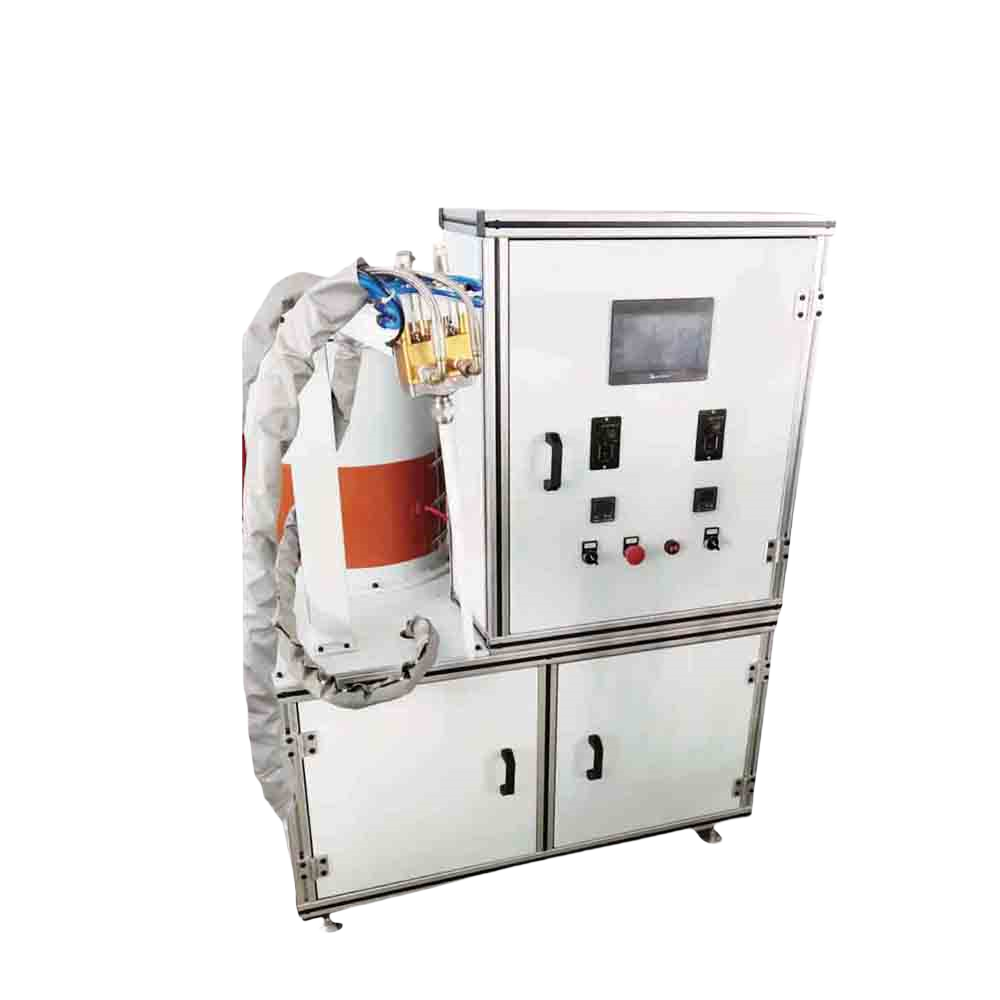
آٹومیٹک گلو مشینیں مختلف صنعتوں میں تیاری کے عمل کو انقلابی انداز میں تبدیل کر چکی ہیں کیونکہ یہ درستگی، مستقل مزاجی اور کارکردگی فراہم کرتی ہیں جو دستی طریقہ کار کے ذریعے حاصل کرنا ناممکن ہے۔ یہ پیچیدہ نظام صنعت کاروں کو چپکنے والے مواد کے اطلاق کا جامع حل فراہم کرتا ہے جس سے محنت کے اخراجات کم ہوتے ہیں، ضائع ہونے والی مقدار کو کم کیا جاتا ہے اور مصنوعات کی یکسانی کو یقینی بنایا جاتا ہے۔ آپ کی تیاری کی لائن میں آٹومیٹک گلو مشین کو نافذ کرنے کے خاص فوائد کو سمجھنا آلات کی خریداری اور آپریشنل بہتری کے حوالے سے آگاہ فیصلے کرنے کے لیے ضروری ہے۔

دستی چپکنے کے عمل سے خودکار نظاموں کی طرف منتقلی صرف تکنیکی پیش رفت سے زیادہ ہے—یہ بنیادی طور پر تیاری کی صلاحیتوں اور کاروباری نتائج کو بدل دیتی ہے۔ جدید خودکار چپکنے والی مشینیں جدید کنٹرول سسٹمز، درست ڈسپینسنگ کے آلات اور ذہین نگرانی کی خصوصیات کو شامل کرتی ہیں جو مصنوعات کی معیار، تیاری کی رفتار اور آپریشنل قابل اعتمادی میں قابلِ قیاس بہتری فراہم کرتی ہیں۔ یہ فوائد فوری لاگت کی بچت سے آگے بڑھ کر مقابلے کی صلاحیت میں اضافہ، کام کرنے والوں کی حفاظت میں بہتری اور تیاری کی زیادہ لچکداری کو بھی شامل کرتے ہیں جو کمپنیوں کو طویل مدتی کامیابی کے لیے چیلنجز کا سامنا کرنے والے مارکیٹ ماحول میں مضبوط مقام فراہم کرتی ہے۔
بہتر پیداواری کارکردگی اور رفتار
تیز شدہ تیاری کی گنجائش
خودکار گلو مشینیں انسانی طور پر چپکنے والی مادہ کے اطلاق سے وابستہ وقتی پابندیوں کو ختم کرکے تیاری کے بہاؤ کو نمایاں طور پر بڑھاتی ہیں۔ انسانی آپریٹرز کے برعکس جو متغیر رفتار پر چپکنے والی مادہ کو درست طریقے سے ناپ، مقام اور اطلاق کرتے ہیں، ایک خودکار گلو مشین مستقل اطلاق کی شرح برقرار رکھتی ہے جو بغیر کسی وقفے یا کارکردگی کے کمی کے لگاتار کام کر سکتی ہے۔ اس لگاتار کام کرنے کی صلاحیت سے صنعت کار ایک گھنٹے میں زیادہ اکائیوں کو تیار کر سکتے ہیں جبکہ چپکنے والی مادہ کی درست جگہ اور مقدار کے کنٹرول کو برقرار رکھا جاتا ہے۔
رفتار کا فائدہ خاص طور پر اُس بڑے پیمانے پر تیاری کے ماحول میں نمایاں ہو جاتا ہے جہاں سائیکل ٹائم میں چھوٹی سی بہتری بھی روزانہ پیداوار میں قابلِ ذکر اضافہ کر دیتی ہے۔ جدید خودکار نظام چند سیکنڈز میں چپکنے والی مواد کے نمونے لگا سکتے ہیں جو انسانی آپریٹرز کو دستی طور پر مکمل کرنے میں کئی منٹ لگ سکتے ہیں۔ یہ تیزی صنعت کاروں کو سخت پیداواری شیڈول پورا کرنے، صارفین کے حکم کے جواب میں فوری ردِ عمل ظاہر کرنے اور آپریشنل شفٹس کے دوران سامان کے استعمال کے تناسب کو زیادہ سے زیادہ بنانے کی اجازت دیتی ہے۔
عملی عمل کی رکاوٹوں کا خاتمہ
دستی چپکانے کے عمل اکثر پیداواری رکاوٹیں پیدا کرتے ہیں جو لائن کی مجموعی کارکردگی کو محدود کرتے ہیں اور کام کے بہاؤ کو متاثر کرتے ہیں۔ خودکار چپکانے کی مشین ان رکاوٹوں کو ختم کر دیتی ہے کیونکہ وہ مستقل پروسیسنگ کی رفتار برقرار رکھتی ہے جو دیگر خودکار پیداواری سامان کے ساتھ ہم آہنگ ہوتی ہے۔ یہ ہم آہنگی کام کے درمیان میں موجود سٹاک کے ذخیرہ کو روکتی ہے اور تیاری کے مختلف مراکز کے درمیان بفر علاقوں کی ضرورت کو کم کرتی ہے۔
خودکار نظاموں کی مسلسل پروسیسنگ صلاحیت پیداواری منصوبہ بندی اور شیڈولنگ کی درستگی کو بھی بہتر بنانے کے قابل بناتی ہے۔ جب چپکنے والی مادہ کی درجہ بندی مستقل رہتی ہے، نہ کہ آپریٹر کے مہارت کے سطح، تھکاوٹ یا تربیت کے فرق کی وجہ سے متغیر ہوتی ہے، تو صنعت کار انجام وقت کی پیش بینی کو زیادہ قابل اعتماد طریقے سے کر سکتے ہیں۔ یہ پیش بینی صارفین کی خدمت کی صلاحیتوں کو بہتر بناتی ہے اور متعدد پیداواری لائنوں اور ت manufacturing کی سہولیات میں وسائل کے زیادہ موثر تقسیم کو ممکن بناتی ہے۔
بالقوه کوالٹی کنٹرول اور سازش
درست چپکنے والی مادہ کی درجہ بندی
خودکار چپکنے والی مشینیں انسانی صلاحیت سے زیادہ درستگی اور دہرائی جانے کی صلاحیت کے ساتھ چپکنے والی مادہ کی درست جگہ پر درجہ بندی فراہم کرتی ہیں۔ یہ نظام کمپیوٹر کنٹرول شدہ مقامیت کے آلیات کا استعمال کرتے ہیں جو ملی میٹر کے اعشاریہ حصوں میں ماپی جانے والی ٹالرنس کے ساتھ چپکنے والی مادہ کی درجہ بندی کر سکتے ہیں۔ اس درستگی کی وجہ سے ہر مصنوعہ کو بالکل ایک جیسا چپکنے والی مادہ کا کوریج حاصل ہوتا ہے، جس سے دستی درجہ بندی کے طریقوں کے دوران عام طور پر پیدا ہونے والی غیر یکسانیاں ختم ہو جاتی ہیں۔
درستگی کا یہ فائدہ پیچیدہ ہندسی نمونوں اور متعدد درخواست کے نقاط تک پھیلا ہوا ہے جن کو انسانی آپریٹرز کے لیے مستقل طور پر انجام دینا مشکل یا ناممکن ہو سکتا ہے۔ جدید جل ماشین سیسٹم متعدد نمونہ پروگرام محفوظ کر سکتے ہیں اور مختلف ترتیبات کے درمیان خود بخود سوئچ کر سکتے ہیں، جس سے درستگی کو متاثر کیے بغیر لچکدار پیداواری صلاحیتوں کو فعال کیا جا سکتا ہے۔ یہ پروگرام کردہ درستگی تنگ ٹالرنس اور سخت معیار کی ضروریات کو پورا کرنے والی پیداوار کی ضروریات کو سہارا دیتی ہے۔
انسانی غلطی کے عوامل کا خاتمہ
انسانی آپریٹرز گلو کے عمل میں تھکاوٹ، غفلت، مہارت کے فرق اور جسمانی حدود جیسے عوامل کی بنا پر قدرتی غیر یکسانی پیدا کرتے ہیں۔ خودکار گلو مشینیں ان انسانی غلطیوں کے ذرائع کو ختم کر دیتی ہیں کیونکہ وہ باہری عوامل یا آپریشن کی مدت کے باوجود مستقل کارکردگی برقرار رکھتی ہیں۔ یہ استحکام معیاری خرابیوں کو کم کرتا ہے، دوبارہ کام کی ضروریات کو کم سے کم کرتا ہے اور یہ یقینی بناتا ہے کہ ہر مصنوعہ طے شدہ معیاری معیارات کو پورا کرتا ہے۔
انسانی تغیر کا خاتمہ معیار کے کنٹرول کے دستاویزات اور ٹریس ایبلٹی کو بھی بہتر بناتا ہے۔ خودکار نظام درج کر سکتے ہیں اطلاق کے پیرامیٹرز، چپکنے والی مادوں کی مقدار کی نگرانی کر سکتے ہیں، اور عمل کے ڈیٹا کو ریکارڈ کر سکتے ہیں جو ہر پیداواری دور کے لیے جامع معیار کے ریکارڈ فراہم کرتا ہے۔ یہ دستاویزی صلاحیت معیار کے انتظامی نظام، صارفین کے آڈٹس، اور مستقل بہتری کے اقدامات کی حمایت کرتی ہے جو تجزیہ اور بہتری کے لیے درست عمل کے ڈیٹا پر انحصار کرتے ہیں۔
قابلِ ذکر لاگت میں کمی کے فوائد
عمل کے خرچ کو اپٹیمائز کریں
خودکار چپکنے والی مشین کو نافذ کرنا براہ راست محنت کی ضروریات کو کم کرتا ہے کیونکہ اس سے چپکنے والی مواد کے ہاتھ سے اطلاق کے کاموں کے لیے مخصوص آپریٹرز کی ضرورت ختم ہو جاتی ہے۔ یہ محنت کی کمی فوری طور پر تنخواہوں، فوائد اور تربیت کے اخراجات میں کمی کے ذریعے لاگت کی بچت پیدا کرتی ہے۔ جب ملازمین کی مکمل لاگت کو مدنظر رکھا جائے، بشمول بیمہ، سہولیات اور اضافی عملے سے منسلک انتظامی اوورہیڈ، تو یہ بچت مزید زیادہ ہو جاتی ہے۔
براہ راست محنت کے اخراجات میں کمی کے علاوہ، خودکار چپکانے کے نظام عملہ کو معیار کے معائنے، مشینری کی دیکھ بھال یا پیداوار کی نگرانی جیسی زیادہ قیمتی سرگرمیوں کے لیے دوبارہ تفویض کرنے کی اجازت دیتے ہیں۔ یہ دوبارہ تفویض مجموعی طور پر محنت کی پیداواری صلاحیت میں اضافہ کرتی ہے جبکہ مہارت والے عملے پر انحصار کو کم کرتی ہے جنہیں بھرتی کرنا یا برقرار رکھنا مشکل ہو سکتا ہے۔ کم عملے کی ضرورت سے شیڈولنگ کی لچک بھی بڑھ جاتی ہے اور عملے کے وقفے یا دستیابی کی پابندیوں کے مقابلے میں کم حساسیت پیدا ہوتی ہے۔
مواد کے ضیاع میں کمی
خودکار چپکانے کی مشینیں درست مقدار کے کنٹرول اور ہاتھ سے کی جانے والی عملداری میں عام غلطیوں کو ختم کرکے چپکنے والے مادے کے ضیاع کو نمایاں طور پر کم کرتی ہیں۔ یہ نظام منصوبہ بند خصوصیات کے مطابق بالکل درست چپکنے والے مادے کی مقدار کو ماپ سکتے ہیں، جس سے وہ زیادہ استعمال جو آپریٹرز احتیاطی طور پر کافی کوریج یقینی بنانے کے لیے کرتے ہیں، روکا جا سکتا ہے۔ یہ درستگی عام طور پر ہاتھ سے کی جانے والی طریقوں کے مقابلے میں چپکنے والے مادے کے استعمال کو 15-30 فیصد تک کم کر دیتی ہے۔
کمی کا دائرہ صرف براہ راست مواد کے اخراجات تک محدود نہیں ہے بلکہ اس میں صفائی کی ضروریات، ماحولیاتی تربیت کے اخراجات اور چپکنے والے مادے کی صفائی یا دوبارہ کام کے باعث پیدا ہونے والی تیاری کی تاخیر بھی شامل ہے۔ خودکار نظام گرنے، ٹپکنے اور آلودگی کو کم سے کم کرتا ہے جو اضافی کچرہ پیدا کرتے ہیں اور وقت طلب صفائی کے اقدامات کی ضرورت پیدا کرتے ہیں۔ کم کچرہ ماحولیاتی پائیداری کے اہداف کی حمایت بھی کرتا ہے اور اس سے وہ صنعتیں جن کے لیے کچرہ کے انتظام کے سخت قوانین ہیں، ان کے لیے قانونی مطابقت کو بھی فروغ دے سکتا ہے۔
بہتر کام کی جگہ کی حفاظت اور ماحول
آپریٹرز کا کیمیکلز کے مقابلے میں کم اظہار
خودکار چِپکنے والی مشینیں ممکنہ طور پر خطرناک چِپکنے والے کیمیائی اجزاء کے ساتھ براہ راست انسانی رابطے کو کم کرکے کام کی جگہ کی حفاظت کو کافی حد تک بہتر بناتی ہیں۔ بہت سی صنعتی چِپکنے والی اشیاء میں محلول، کیٹلسٹ یا دیگر ایسے اجزاء ہوتے ہیں جو سانس لینے کی نالیوں میں تکلیف، جلد کی حساسیت یا دیگر صحت کے مسائل کا باعث بن سکتے ہیں اگر ان کے ساتھ طویل عرصے تک رابطہ ہو۔ خودکار درج کرنے کے نظام کام کرنے والوں اور ان مواد کے درمیان جسمانی رکاوٹیں بناتے ہیں جبکہ منظم درج کرنے کے ماحول کو برقرار رکھتے ہیں۔
کم رابطے کے فوائد کا اطلاق کام کی جگہوں میں ہوا کی معیار کو بہتر بنانے پر بھی ہوتا ہے۔ خودکار نظاموں میں دھوئیں کو خارج کرنے کے آلات، بند درج کرنے کے کمرے یا دیگر روکنے کی خصوصیات شامل کی جا سکتی ہیں جو چِپکنے والے اجزاء کے اخراج کو کام کی جگہوں میں پھیلنے سے روکتی ہیں۔ یہ روکنے کا نظام کام کرنے والوں کی صحت کی حفاظت کرتا ہے جبکہ ذاتی حفاظتی سامان اور خاص وینٹی لیشن کے نظاموں کی ضرورت کو کم کرتا ہے جو آپریشنل پیچیدگی اور لاگت میں اضافہ کرتے ہیں۔
بہتر شدہ جسمانی تناسب کے مطابق کام کرنے کے حالات
دستی چپکانے کے آپریشنز اکثر بار بار حرکتوں، غیر معمولی پوزیشننگ یا ناموافق حالت میں طویل عرصے تک رہنے کی ضرورت رکھتے ہیں جو عضلہ ہڈی کے نظام کے زخموں اور مزدور کی تھکاوٹ کا باعث بن سکتے ہیں۔ خودکار چپکانے کی مشین ان جسمانی درجہ بندی کے خطرات کو ختم کر دیتی ہے جو جسمانی طور پر چپکانے کے کاموں کو سنبھال کر اور آپریٹرز کو نگرانی اور معیار کنٹرول کے کاموں کے لیے آرام دہ پوزیشن میں کام کرنے کی اجازت دے کر یہ کام کرتی ہے۔
جسمانی تناسب کے بہتری کے اقدامات سے مزدوروں کے معاوضہ کے دعوؤں میں کمی، غیر حاضری کی شرح میں کمی، اور مجموعی طور پر مزدوروں کی اطمینان اور برقراری میں بہتری آتی ہے۔ یہ فائدے لمبے عرصے تک لاگت کی بچت کرتے ہیں جبکہ ایک زیادہ پرکشش کام کے ماحول کو بھی تشکیل دیتے ہیں جو بھرتی کے اقدامات کی حمایت کرتا ہے اور جسمانی طور پر مشقت آور عہدوں میں زیادہ ملازمین کے موڑ کی وجہ سے تربیت کی لاگت کو کم کرتا ہے۔
عملیاتی مشتملہ اور اسکیلبلیٹی
پروڈکٹ کی مختلف اقسام کے لیے موافقت
جدید خودکار چپکنے والی مشینیں مختلف پروڈکٹ کانفیگریشنز، سائز اور چپکنے والے مادوں کی ضروریات کو بغیر وسیع دوبارہ ترتیب کے وقت یا ماہر اوزاروں کے موافقت فراہم کرتی ہیں۔ پروگرام کردہ کنٹرول سسٹمز آپریٹرز کو متعدد اطلاقی پروگرامز ذخیرہ کرنے اور سادہ انٹرفیس کمانڈز کے ذریعے مختلف پروڈکٹس کے درمیان جلدی سے سوئچ کرنے کی اجازت دیتے ہیں۔ یہ لچک ایک ہی سامان پر مختلف پروڈکٹ لائنوں کی موثر پیداوار کو ممکن بناتی ہے۔
یہ موافقت کا فائدہ خاص طور پر کسٹم تیاری کے ماحول یا اکثر پروڈکٹ تبدیلیوں والے بازاروں میں بہت قیمتی ثابت ہوتا ہے۔ ایک چپکنے والی مشین پروڈکٹ کی شناخت یا آپریٹر کے انتخاب کے مطابق خود بخود اطلاق کے نمونوں، چپکنے والے مادوں کی مقدار اور سائیکل ٹائم کو ایڈجسٹ کر سکتی ہے۔ یہ صلاحیت تبدیلی کے وقت کو کم کرتی ہے، سیٹ اپ کی غلطیوں کو کم سے کم کرتی ہے اور رش آرڈرز یا خاص صارف کی ضروریات کو پورا کرنے کے لیے جوابی پیداواری شیڈولنگ کو ممکن بناتی ہے۔
سکیلبل پروڈکشن کیپیسٹی
خودکار چِپکنے والی مشینیں ایسے قابلِ توسیع حل فراہم کرتی ہیں جو کاروباری توسیع یا مارکیٹ کی طرف سے بڑھتی ہوئی طلب کے ساتھ بڑھ سکتے ہیں۔ دستی عمل کے برعکس جس میں نوکریوں کی تعداد میں تناسب سے اضافہ کرنا ضروری ہوتا ہے، خودکار نظام عام طور پر بڑھتی ہوئی پیداواری حجم کو لمبے کام کے اوقات یا چھوٹی سی ترتیب کے انتظامات کے ذریعے سنبھال سکتے ہیں۔ یہ قابلِ توسیع صلاحیت بڑے سرمایہ کاری کے بغیر یا فیکلٹی کی تبدیلی کے بغیر صلاحیت کے وسیع ہونے کا واضح راستہ فراہم کرتی ہے۔
قابلِ توسیع صلاحیت روبوٹک ہینڈلنگ، کنوریئر سسٹمز اور معیار کی نگرانی کے آلات سمیت وسیع تر تیاری کے خودکار نظام کے ساتھ ایکجُو ہونے تک پھیل جاتی ہے۔ یہ ایکجُو ہونے کی صلاحیت مکمل تیاری لائن کی بہتری کو ممکن بناتی ہے جو خودکار چِپکنے کے فوائد کو زیادہ سے زیادہ حاصل کرتی ہے اور روشنیوں کے بغیر کام کرنے (lights-out operation)، حقیقی وقت میں معیار کے کنٹرول اور پیشگوئی کی بنیاد پر رکھ روانہ کرنے (predictive maintenance) جیسے جدید تیاری کے تصورات کی حمایت کرتی ہے۔
فیک کی بات
خودکار چِپکنے والی مشینیں پیداواری اخراجات کو کتنا کم کر سکتی ہیں؟
خودکار چِپکنے والی مشینیں عام طور پر محنت، مواد کے ضیاع اور معیار سے متعلقہ اخراجات میں حاصل ہونے والی مشترکہ بچت کے ذریعے تیاری کے اخراجات میں 20-40 فیصد کمی لا کر تیاری کے اخراجات کو کم کرتی ہیں۔ درحقیقت حاصل ہونے والی بچت موجودہ دستی عمل کی موثریت، تیاری کے حجم اور چِپکنے والے مادے کی قیمت پر منحصر ہوتی ہے، لیکن زیادہ تر صانعین اپنی مشینری کی سرمایہ کاری پر 12-24 ماہ کے اندر واپسی کا وقت حاصل کرتے ہیں۔
کیا خودکار چِپکنے والی مشینیں چھوٹے پیداواری دورانیوں کے لیے مناسب ہیں؟
جی ہاں، جدید خودکار چِپکنے والی مشینیں لچکدار ڈیزائن کے ساتھ بنائی گئی ہیں اور چھوٹے پیداواری دورانیوں کے لیے بھی لاگت کے لحاظ سے موثر ہو سکتی ہیں۔ پروگرام کردہ نظام مختلف مصنوعات کے درمیان جلدی تبدیلی کی اجازت دیتے ہیں، اور مستقل نتائج کے فوائد اکثر کم حجم کی پیداوار میں بھی خودکار کاری کو جائز ٹھہراتے ہیں، خاص طور پر جب معیار کی ضروریات سخت ہوں یا محنت کے اخراجات زیادہ ہوں۔
خودکار چِپکنے والی مشینوں کی کون سی برقراری کی ضروریات ہوتی ہیں؟
آٹومیٹک گلو مشینوں کی باقاعدہ دیکھ بھال کی ضرورت ہوتی ہے، جس میں چپکنے والی سطحوں کی روزانہ صفائی، ہفتہ وار کیلنڈریشن کے امتحانات اور سیلز اور گلو تقسیم کرنے والے اجزاء کی دورانیہ کے مطابق تبدیلی شامل ہے۔ زیادہ تر نظاموں میں خودکار صفائی کے سائیکلز اور دیکھ بھال کی یاد دہانیاں شامل ہوتی ہیں، جو بنیادی تربیت حاصل کرنے والے پیداواری عملے کے لیے دیکھ بھال کو آسان بنا دیتی ہیں۔
کیا آٹومیٹک گلو مشینیں مختلف قسموں کے گلو کو سنبھال سکتی ہیں؟
زیادہ تر آٹومیٹک گلو مشینیں مختلف قسموں کے گلو جیسے ہاٹ میلٹ، کولڈ ایڈہیسوز، ری ایکٹیو سسٹمز اور واٹر بیسڈ فارمولیشنز کو استعمال کرنے کے قابل ہوتی ہیں۔ تاہم، مخصوص مطابقت گلو کی خصوصیات اور مشین کے ڈیزائن پر منحصر ہوتی ہے۔ عام طور پر سازندہ گلو کی مناسب قسموں کے بارے میں رہنمائی فراہم کرتے ہیں اور مختلف فارمولیشنز کے لیے کسی بھی ضروری ترمیم کے بارے میں بتاتے ہیں۔