
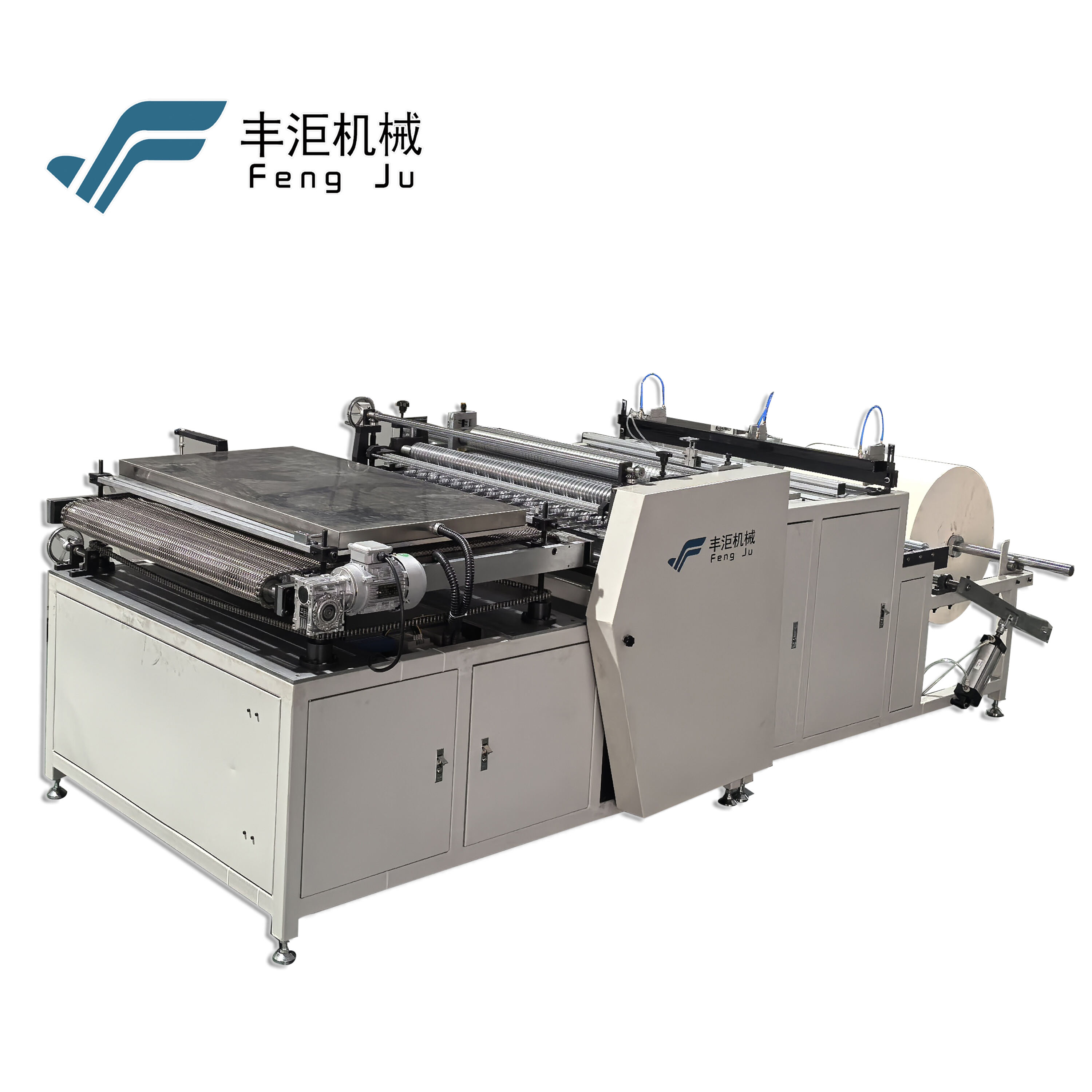
Zgjedhja e materialeve optimale për pleksimin e filtreve industriale ndikon drejtpërdrejt në efikasitetin e filtrimit, në jetëgjatësinë operative dhe në performancën e përgjithshme të sistemit. Zgjedhja e mesit të filtrimit përcakton sa mirë struktura e pleksuar ruajt integritetin e saj nën shtypje, variacione temperaturash dhe ekspozim kimik. Kuptimi i materialeve që shkëlqejnë në aplikime industriale specifike kërkon analizimin e vetive fizike, rezistencës kimike dhe përshtatshmërisë së tyre me proceset automatizuese të pleksimit të filtreve.
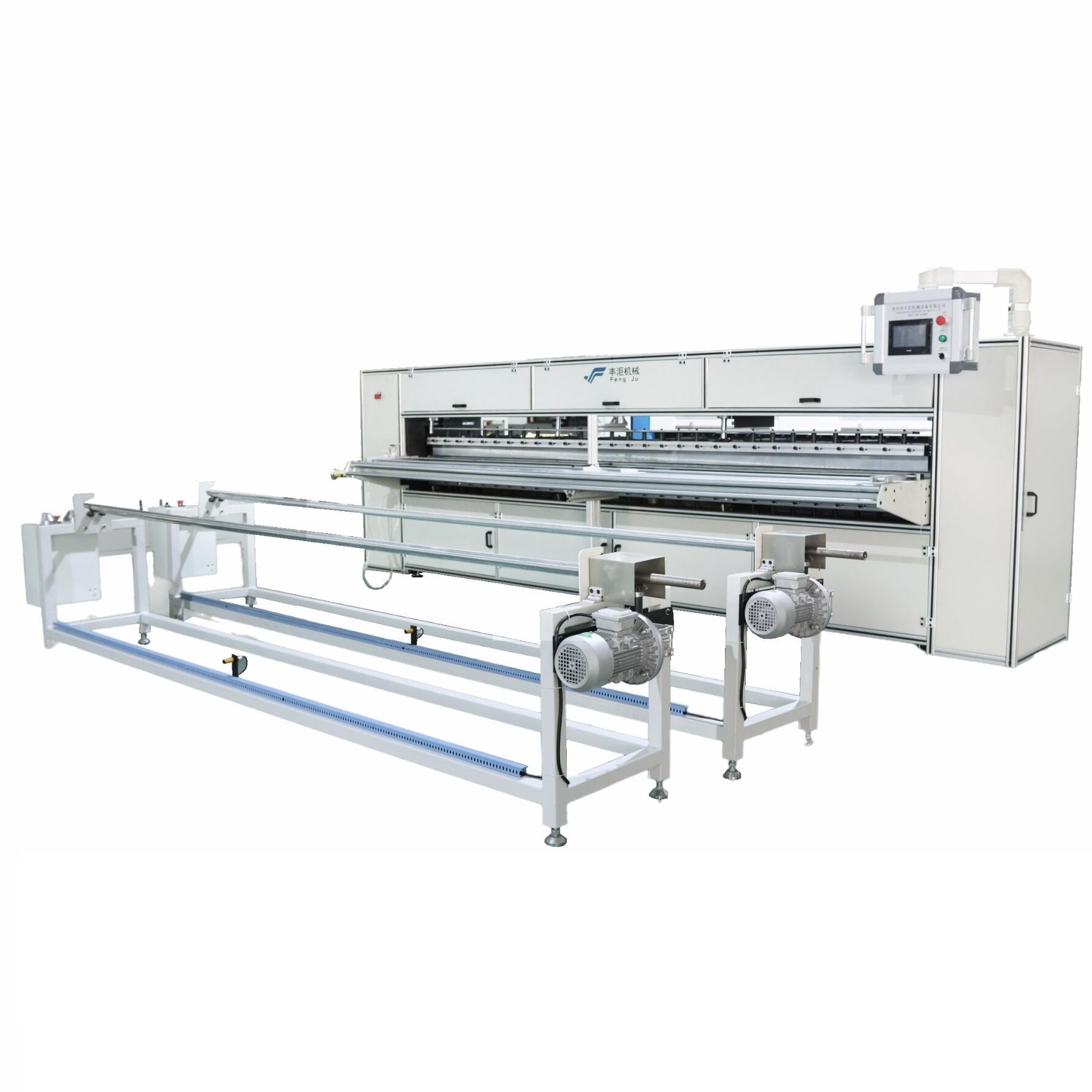
Materialet për rrudhëzimin e filtreve industriale duhet të rezistojnë stresit mekanik gjatë procesit të rrudhëzimit, duke ruajtur në të njëjtën kohë stabilitetin strukturor gjatë tërë jetës së tyre të përdorimit. Procesi i zgjedhjes së materialeve përfshin vlerësimin e faktorëve si përbërja e fibrave, pesha për njësi sipërfaqeje, permeabiliteti i ajrit dhe forca e tundimit. Ambientet industriale të ndryshme kërkojnë karakteristika specifike materiale, prandaj është thelbësore të përputhen vetitë e medias filtruese me kërkesat operative për aplikime të suksesshme të rrudhëzimit të filtreve.
Materialet me Fibra Sintetike për Rrudhëzimin e Filtrave
Vetitë e Medias Filtruese të Poliesterit
Poliestri i përfaqëson njërin nga materiale më të shumta të përdorura për aplikimet e filtrave me rrudhëzime në sektorët industrialë të ndryshëm. Natyra sintetike e fibrave të poliestrit ofron stabilitet të shkëlqyer dimensional gjatë procesit të rrudhëzimit, duke siguruar formimin e qëndrueshëm të rrudhave dhe ruajtjen e integritetit strukturor nën stresin operacional. Media e filtrave të poliestrit zakonisht tregon rezistencë të superiorë ndaj lagështirës krahasuar me alternativat e fibërave natyrale, duke e bërë atë të përshtatshme për ambientet industriale të lagështa ku sistemet e rrudhëzimit të filtrave hasin kushte atmosferike të ndryshme.
Rezistenca kimike e poliesterit e bën atë veçanërisht të vlefshme për përgjysmimin e filtreve në instalimet e përpunimit kimik dhe në mjediset e prodhimit farmaceutik. Poliesteri ruan vetitë e tij filtruese kur ekspozohet ndaj acidave të buta, bazave dhe tretësve organikë, duke siguruar që struktura e përgjysmuar mbetet efektive gjatë intervaleve të zgjatura të përdorimit. Fortësia e natyrshme e materialit lejon një hapësirë më të ngushtë përgjysmimi gjatë operacioneve të përgjysmimit të filtreve, duke maksimizuar sipërfaqen filtruese brenda dimensioneve të kufizuara të mbajtëses.
Stabiliteti i temperaturës përfaqëson një avantazh tjetër të rëndësishëm të poliesterit për aplikimet e përgjysmimit të filtreve. Materiali ruan vetitë e tij strukturore në temperaturat deri në 135°C, duke e bërë atë të përshtatshëm për proceset industriale që përfshijnë rrjedha ajri të ngrohura ose temperatura ambientale të larta. Kjo stabilitet termike siguron që filtrat e përgjysmuar prej poliesteri ruajnë gjeometrinë dhe efikasitetin e filtrimit edhe nën kushte të vështira ciklikë termike, të cilat hasen zakonisht në sistemet industriale të ventilimit.
Karakteristikat e Medias së Polipropilenit
Polipropilena ofron avantazhe unike për përdorimin e saj në filtrat me rrudhëzime në aplikimet që kërkojnë rezistencë kimike të jashtëzakonshme dhe thithje të ulët të lagështirës. Natyra hidrofobike e materialit e bën veçanërisht të përshtatshme për rrudhëzimin e filtreve në ambientet ku avulli i ujit ose pika lëngu mund të komprometojnë performancën e filtrit. Rezistenca e polipropilenës ndaj rritjes së baktereve dhe formimit të mushkonjave siguron që filtrat me rrudhëzime ruajnë vetitë e tyre higjenike në fabrikat e përpunimit të ushqimit dhe të prodhimit farmaceutik.
Natyrat e lehtë e polipropilenit zvogëlon peshën totale të montimeve të filtreve me rrudha, duke e bërë më të lehtë manipulimin dhe instalimin e tyre në sistemet industriale të filtrimit. Gjatë operacioneve të rrudhëzimit të filtreve, polipropilena tregon një mbajtje të shkëlqyer të përkuljeve, duke siguruar që rrudhat ruajnë gjeometrinë e tyre të qartë pa shfaqur lodhje apo deformim materiali. Akumulimi i ulët i ngarkesës statike të materialit zvogëlon rrezikun e tërheqjes së pluhurit në sipërfaqet e filtreve, duke ruajtur modele optimale të rrjedhës së ajrit përmes strukturës së rrudhëzuar.
Efikasiteti i kostos bën polipropilenin një zgjidhje tërheqëse për aplikimet e larta të volumit të përdorimit të filtrave me rrudha, ku shkallëzimet e shpeshta të zëvendësimit të filtrave janë të motivuara ekonomikisht. Përshtatshmëria e materialit me proceset e ngjitjes ultrasonike dhe të ngjitjes me nxehtësi lejon prodhimin efikas të montimeve të filtrave me rrudha, me hermetizim të sigurt të skajeve dhe bashkim të paketave. Inertnesi kimike e polipropilenit siguron ndërveprim minimal me substancat që filtrohen, duke parandaluar kontaminimin në proceset industriale të ndjeshme.
Zgjidhje me Fibra Natyrore për Aplikime Specializuar
Media Filtruese Bazuar në Celulozë
Fibrat celulozike ofrojnë alternativa të biodhegradueshme për aplikimet e përdorimit të filtrave me pleksura, ku qëndrueshmëria mjedisore ka përparësi mbi jetëgjatësinë e zgjatur të përdorimit. Struktura natyrale e celulozës krijon një efikasitet të shkëlqyer në kapjen e grimcave përmes mekanizmave të filtrimit mekanik dhe elektrostatik. Gjatë proceseve të pleksurjes së filtrave, materiali celulozik formon struktura të qëndrueshme pleksurash që ruajnë gjeometrinë e tyre nën presionet e zakonshme të punës, duke ofruar një kapacitet të lartë mbajtjeje të pluhurit.
Natyrat higroskopike të celulozës kërkojnë një kujdes të veçantë gjatë operacioneve të përgjymtimit të filtreve në ambiente me lagështi. Absorbimi i lagështisë mund të ndikojë në qëndrueshmërinë dimensionale të strukturave të përgjymtuara, duke kërkuar procedura të kontrolluara të ruajtjes dhe manipulimit për të ruajtur gjeometrinë optimale të filtrit. Megjithatë, kjo sensitivitet ndaj lagështisë mund të jetë avantazhose në aplikime ku kontrolli i lagështisë kontribuon në strategjinë e përgjithshme të filtrimit, duke lejuar që filtri i përgjymtur të funksionojë si barierë e grimcave dhe si rregullator i lagështisë.
Materialet bazë celuloze shkëlqejnë në pleshje e filtrit për aplikime në kabina për pikturim dhe në objekte për punimin e drurit, ku grimcat e kapura përbëhen kryesisht nga materiale organike. Struktura e fibërave natyrale ofron karakteristika të shkëlqyeshme filtrimi në thellësi, duke lejuar që filtrimet e pleksuara celulozë të kapin grimcat e holla në tërë trashësinë e materialit, jo vetëm në sipërfaqe. Ky mekanizëm i filtrimit në thellësi zgjaton jetëgjatësinë e filtrit dhe ruan modele të konstanta të rrjedhjes së ajrit kur ngarkesa e grimcave rritet.
Aplikime të fibërave të pamukut dhe lini
Fibra të pambukut ofrojnë veti natyrale filtrimi për aplikimet e pleksimit të filtreve në fabrikat e prodhimit të tekstilit dhe në objektet e përpunimit bujqësor. Struktura e fibërave krijon shtigje të tortuozë që kapin efikasishëm grimcat ajrore, ndërkohë që ruajnë karakteristikat e arsyeshme të rënies së presionit nëpër montazhin e filtërve me pleksime. Përshtatshmëria e pambukut me trajtime kimike të ndryshme lejon përmirësimin e vetive të filtrimit përmes mbulimeve antimikrobike ose trajtimeve rezistente ndaj zjarrit, të cilat aplikohen para procesit të pleksimit të filtërve.
Fibra e liris ofron karakteristika të përmirësuara të fortësisë krahasuar me pamukun, duke e bërë atë të përshtatshme për aplikimet e pleksimit të filtreve që kërkojnë qëndrueshmëri të përmirësuar nën stresin mekanik. Gjatësia më e madhe e fibërave në liri krijon struktura pleksh më të qëndrueshme që rezistojnë deformimit gjatë instalimit dhe funksionimit. Operacionet e pleksimit të filtreve me medium liri rezultojnë zakonisht në skaje pleksh më të mprehta dhe në hapësirë më të rregullt, duke kontribuar në shpërndarjen uniforme të rrjedhës së ajrit në sipërfaqen e filtrit.
Të dyja pamuku dhe liri kërkojnë menaxhim të kujlijshëm të lagështisë gjatë proceseve të pleksimit të filtreve, për të parandaluar ndryshimet dimensionale që mund të ndikojnë në gjeometrinë e plekshve. Yndyrnat natyrore të pranishme në këto fibra mund të ndikojnë në performancën e makinerisë së pleksimit, duke kërkuar protokolle të përshtatshme pastrimi dhe mirëmbajtje për të siguruar cilësi të qëndrueshme të pleksimit të filtreve. Këto materiale funksionojnë më mirë në aplikime ku mjedisi i filtruar mban nivele të qëndrueshme lagështie dhe gamë të moderuar temperaturash.
Materialet Kompozite dhe të Inxhinieruara
Media e Filtrimit nga Fibri i Qelqit
Materialet nga fibri i qelqit ofrojnë rezistencë të jashtëzakonshme ndaj temperaturës për pleksimin e filtrave në aplikimet industriale me temperaturë të lartë, si p.sh. punimi i metaleve, fabrikat e derdhjes dhe objektet e procesimit termik. Natyra inorganike e fibrave të qelqit siguron stabilitet dimensional në temperaturat mbi 200°C, duke ruajtur integritetin e pleksimeve nën kushte termike ekstreme ku materialet organike do të degradoheshin. Pleksimi i filtrave me media nga fibri i qelqit kërkon teknika të veçanta pune për të parandaluar thyerjen e fibrave dhe për të siguruar sigurinë e punonjësve gjatë operacioneve të prodhimit.
Diametri i hollë i fibrave që mund të arrihet me materiale prej qelqi krijon një efikasitet të superior për kapjen e grimcave për kontaminuesit nën mikrometër, duke bërë fibrat e qelqit ideale për përdorim në pleksimin e filtrave në aplikimet e dhomave të pastërt dhe në mjediset e prodhimit të saktë. Shpërndarja uniforme e fibrave në mediat e qelqit rezulton në formimin e konstantë të plekseve gjatë operacioneve të pleksimit të filtrave, duke siguruar karakteristika të parashikueshme të rënies së presionit dhe performancës së filtrimit në tërë sipërfaqen e filtrit.
Rezistenca kundër agjentëve kimikë përfaqëson një avantazh tjetër të rëndësishëm të fibrave të qelqit për pleksimin e filtrave në mjediset korrozive. Fibrat e qelqit ruajnë integritetin e tyre strukturor kur ekspozohen ndaj shumicës së acidëve, bazave dhe tretësve organikë, duke siguruar performancë të vazhdueshme të filtrimit në instalimet e përpunimit kimik. Natyra jo djegëse e materialit e bën atë veçanërisht të përshtatshme për pleksimin e filtrave në aplikimet ku kërkesat e sigurisë nga zjarri kërkojnë përdorimin e medias filtruese jo të djegshme.
Teknologjitë e Membranave PTFE
Membranat e politetrafluoroetilenit paraqesin zgjidhjen premium për pleksimin e filtreve në aplikimet industriale të kërkuara që kërkojnë rezistencë kimike superiore dhe stabilitet temperaturor. Struktura molekulare unike e PTFE-s ofron veti jashtëzakonisht anti-ndërlidhëse, duke parandaluar ngjiturjen e grimcave në sipërfaqet e filtrave dhe duke lejuar pastrimin efikas përmes mekanizmave të rrjedhës së pulsit ose të kundërt të ajrit. Pleksimi i filtrave me membrana PTFE kërkon teknika specializuara për të parandaluar dëmtimin e membranës gjatë formimit të plekseve të konstanta.
Propertetë hidrofobe dhe oleofobe të PTFE e bëjnë atë ideal për pleksimin e filtreve në aplikime që përfshijnë avullin e vajit, avujt kimikë dhe aerosolët ujorë. Karakteristikat e energjisë së sipërfaqes së materialit parandalojnë penetrimin e lëngjeve në strukturën e pleksuar, duke ruajtur permeabilitetin e gazit ndërkohë që ofron veti penguese për lëngjet. Kjo kombinim e bën filtrat e pleksuar bazuar në PTFE veçanërisht të vlefshëm në prodhimin farmaceutik dhe në fabrikat e prodhimit të semikonduktorëve.
Teknologjia e PTFE-së të zgjeruar lejon krijimin e strukturave mikroporozë me kontroll të saktë të madhësisë së porave, duke mundësuar efikasitet të personalizuar të filtrimit në aplikime të specializuara të pleksimit të filtreve. Fleksibiliteti i materialit lejon hapësirë të ngushtë pleksimi pa komprometuar integritetin e membranës, duke maksimizuar sipërfaqen e filtrimit brenda korpuseve të kompaktë të filtreve. Inertnesi kimike e PTFE-së siguron që nuk do të ketë asnjë ndërveprim me substancat që filtrohen, duke parandaluar kontaminimin në proceset industriale të ndjeshme.
Kriteret e Zgjedhjes së Materialit për Performancë Optimale
Konsiderata për Mjedisin e Punesimit
Kushtet e temperaturës paraqesin faktorin kryesor që ndikon në zgjedhjen e materialit për aplikimet e filtrave me pllakë në objektet industriale. Materialët duhet të ruajnë integritetin e tyre strukturor dhe vetitë e filtrimit në të gjithë gamën e pritshme të temperaturave, duke përfshirë edhe efektet e cikleve termike. Operacionet e pllakosjes së filtrave duhet të marrin parasysh koeficientët e zgjerimit termik për të siguruar që distanca midis pllakave të mbetet e pandryshueshme kur temperaturat e punës ndryshojnë gjatë proceseve industriale normale.
Vlerësimi i ekspozimit kimik përcakton përshtatshmërinë midis mjedisit të filtrimit dhe mjedisit të procesit, duke parandaluar degradimin e hershëm të filtrimi ose probleme kontaminimi. Çdo material tregon karakteristika specifike rezistence ndaj familjeve të ndryshme kimike, kërkuar një përputhje të kujdesshme midis vetive të mjedisit të filtrimit dhe përbërjes kimike të rrjedhës së ajrit që filtrimi. Plektimi i filtreve me materiale kimikisht të papërshtatshme mund të rezultojë në dëmtim strukturor, zvogëlim të efikasitetit të filtrimit ose çlirimin e produkteve të degradimit në rrjedhën e ajrit të pastër.
Nivelet e lagështisë ndikojnë në sjelljen e materialeve gjatë operacioneve të përgjymtjes së filtreve dhe gjatë jetës së tyre të mëvonshme në përdorim. Materialët higroskopikë mund të përjetojnë ndryshime dimensionale nën kushte të ndryshme lagështie, duke prekur gjeometrinë e përgjymtjeve dhe performancën e filtrimit. Materialët jo-higroskopikë ruajnë stabilitetin dimensionale, por mund të tregojnë veti elektrostatike të ndryshme nën kushte të ndryshme lagështie, duke ndikuar në mekanizmat e kapjes së grimcave në montimet e filtreve të përgjymtur.
Stresi Mekanik dhe Faktorët e Qëndrueshmërisë
Kërkesat për diferencialin e presionit nëpër filtre të përgjymtura ndikojnë në zgjedhjen e materialeve bazuar në vetitë e forcës së tundimit dhe rezistencës ndaj rrëshqitjes. Materialët duhet të jenë në gjendje të mbajnë stresin mekanik që i shkaktohet nga rënia e presionit të rrjedhës ajrore pa dëmtim strukturor apo kolapsim të përgjymtjeve. Përgjymtja e filtreve me materialë që nuk kanë forcë mekanike të mjaftueshme mund të rezultojë në dëmtim të hershëm nën kushte normale pune, duke bërë të domosdoshme zëvendësimin e shpeshtë të filtreve dhe rritjen e kostove të mirëmbajtjes.
Rezistenca ndaj vibracioneve bëhet e rëndësishme për aplikimet e përgjysmimit të filtreve në instalimet me makineri rrotulluese ose sisteme transporti. Materialët duhet të ruajnë integritetin e përgjysmimeve nën stres mekanik ciklik pa zhvilluar dëmtime të lidhura me lodhjen. Moduli i elasticitetit i mediave filtruese ndikon në mënyrën se si strukturat e përgjysmuara përgjigjen ndaj forcave vibratore, duke përcaktuar nëse përgjysmet ruajnë gjeometrinë e tyre apo deformohen gradualisht me kalimin e kohës.
Kapaciteti i ngarkesës së grimcave ndryshon në mënyrë të konsiderueshme midis materialeve të ndryshme, duke ndikuar në intervalet e shërbimit dhe në planifikimin e zëvendësimeve për sistemet e filtreve të përgjysmuara. Materialët me karakteristika të jashtëzakonshme të filtrimit në thellësi mund të mbajnë ngarkesa më të larta grimcash para se të arrijnë kushtet e presionit përfundimtar të rënie. Operacionet e përgjysmimit të filtreve duhet të marrin parasysh kapacitetin e mbajtjes së pluhurit të materialeve të zgjedhura për të optimizuar madhësinë e filtreve dhe frekuencën e zëvendësimit për aplikime industriale specifike.
FAQ
Cilat faktorë përcaktojnë materialin më të mirë për përgjysmimin e filtreve industriale?
Materiali më i mirë për përgjysmimin e filtrave industriale varet nga temperatura e punës, ekspozimi kimi, niveli i lagështisë, llojet e grimcave, kërkesat për diferencialin e shtypjes dhe pritshmëritë për jetëgjatësinë e shërbimit. Rezistenca ndaj temperaturës siguron që materialët ruajnë integritetin e tyre nën stres termik, ndërsa përshtatshmëria kimike parandalon degradimin nga kimikatet e procesit. Kërkesat për fortësi mekanike ndryshojnë në varësi të specifikimeve për rënien e shtypjes dhe stresit vibrues në ambientin e punës.
Si ndikon zgjedhja e materialit në performancën e makines së përgjysmimit të filtrave?
Zgjedhja e materialeve ndikon drejtpërdrejt në performancën e makines së përgjysmimit të filtrave përmes faktorëve si ngurtësia e materialit, tekstura e sipërfaqes, vetitë e ngarkesës statike dhe stabiliteti dimensional. Materialët më të ngurtë kërkojnë forca më të larta përgjysmimi, por prodhojnë skaje më të qarta të përgjysmimit, ndërsa materialët më të butë përgjysmohen më lehtë, por mund të mos ruajnë gjeometrinë e qartë. Traktimet e sipërfaqes dhe orientimi i fibrave ndikojnë në mënyrën se si materialët ushqehen nëpër makineritë e përgjysmimit dhe në cilësinë e montimeve të përgjysmuara të përfunduara.
A mund të kombinohen materiale të ndryshme në aplikimet e përgjysmimit të filtrave?
Materialet të ndryshme mund të kombinohen në aplikimet e përgjysmimit të filtreve përmes konstruksioneve të laminuara, strukturave me dendësi të ndryshueshme ose montimeve me shumë shtresa. Kombinimi i materialeve lejon optimizimin e vetive specifike, si p.sh. fortësia mekanike, rezistenca kundrejt agjentëve kimikë dhe efikasiteti i kapjes së grimcave. Megjithatë, për të siguruar operacione të suksesshme përgjysmimi të filtreve me sisteme materiale kompozite, duhet të koordinohen me kujdes compatibilityja e zgjerimit termik, zgjedhja e ngjitësit dhe parametrat e procesimit.
Cilat standardet e cilësisë zbatohen për materialet që përdoren në përgjysmimin industrial të filtreve?
Materialet e përdorura në pleksimin e filtrave industriale duhet të plotësojnë standardet e cilësisë përkatëse, si p.sh. standardet e ASHRAE, vlerësimet MERV, standardet EN dhe specifikimet ISO, varësisht nga aplikimi. Këto standarde përcaktojnë efikasitetin e kapjes së grimcave, karakteristikat e rënies së shtypjes, vetitë mekanike dhe protokollet e testimit. Përputhja me standardet e industrisë siguron rezultate të qëndrueshme në pleksimin e filtrave dhe performancë të parashikueshme të filtrimit nëpër prodhues të ndryshëm dhe vendet e instalimit.
Përmbajtja
- Materialet me Fibra Sintetike për Rrudhëzimin e Filtrave
- Zgjidhje me Fibra Natyrore për Aplikime Specializuar
- Materialet Kompozite dhe të Inxhinieruara
- Kriteret e Zgjedhjes së Materialit për Performancë Optimale
-
FAQ
- Cilat faktorë përcaktojnë materialin më të mirë për përgjysmimin e filtreve industriale?
- Si ndikon zgjedhja e materialit në performancën e makines së përgjysmimit të filtrave?
- A mund të kombinohen materiale të ndryshme në aplikimet e përgjysmimit të filtrave?
- Cilat standardet e cilësisë zbatohen për materialet që përdoren në përgjysmimin industrial të filtreve?