
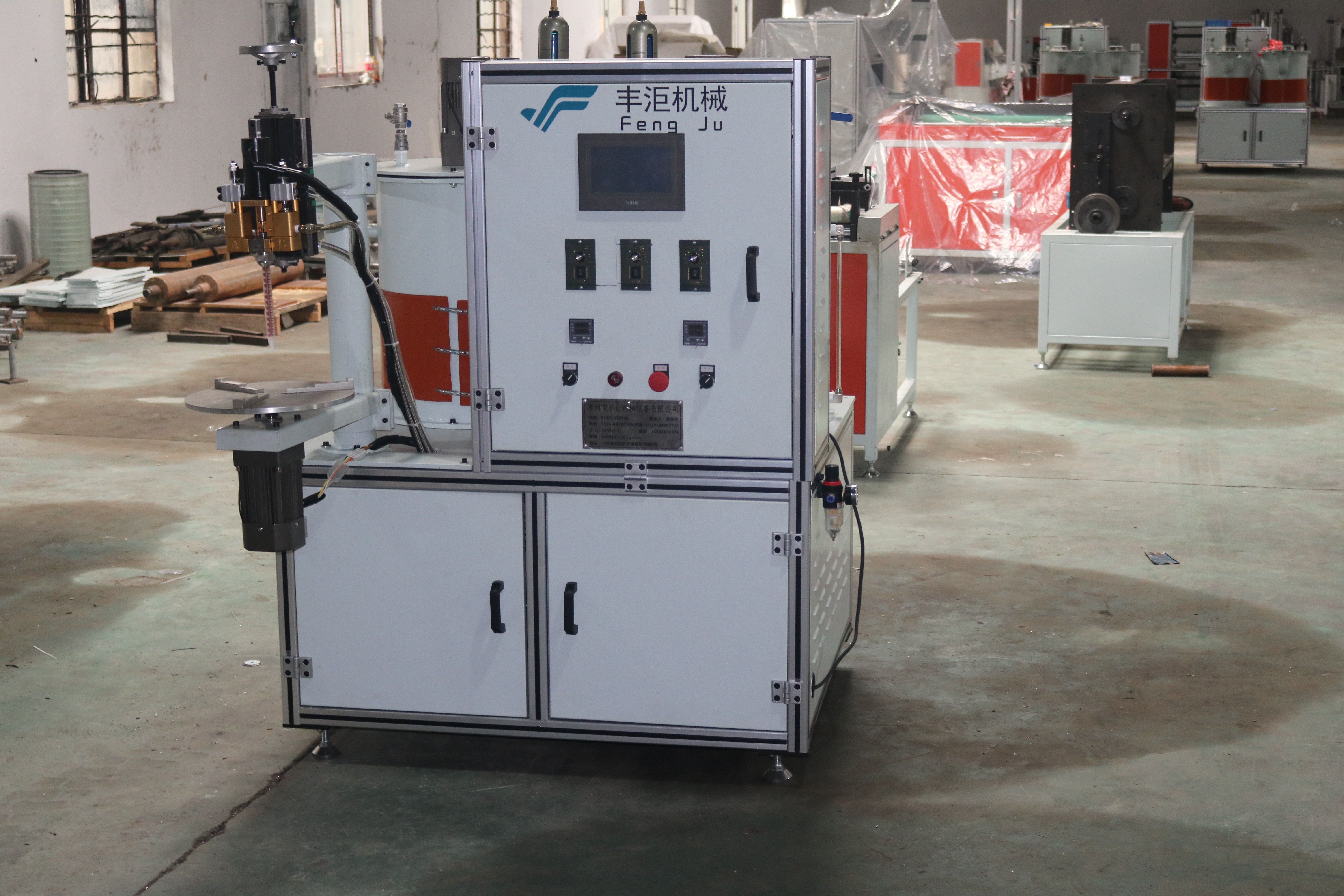
Mirëmbajtja dhe pastrimi i duhur i makinës së injektimit të glue janë thelbësorë për të siguruar performancën optimale, për të zgjatur jetëgjatësinë e pajisjeve dhe për të ruajtur cilësinë e konstantë të aplikimit të ngjitësit. Prodhuesit industrialë që mbështeten në sistemet e shpërndarjes së ngjitësit me saktësi kuptojnë se mirëmbajtja e rregullt parandalon pushimet e shtrenjta në punë dhe ruajnë efikasitetin e prodhimit. Një makine e injektimit të glue e mirëmbajtur ofron rezultate të besueshme, ndërkohë që minimizon humbjet e materialeve dhe zvogëlon rrezikun e dështimit të pajisjeve gjatë proceseve kritike të prodhimit.
Kuptimi i komponentëve themelorë dhe i kërkesave operative të pajisjeve tuaja për shpërndarje formon bazën për protokollet e mirëmbajtjes efektive. Sistemet moderne për aplikimin e ngjitësve karakterizohen nga mekanizma të sofistikuara kontrolli, pompa me saktësi dhe nozulla specializuara që kërkojnë procedura të veçanta kujdesi. Mirëmbajtja e rregullt jo vetëm ruan integritetin e pajisjeve, por siguron edhe shkallën e rregullt të rrjedhjes së ngjitësve, vëllimet e sakta të shpërndarjes dhe karakteristikat optimale të tharjes, të cilat janë thelbësore për rezultate të prodhimit me cilësi të lartë.
Procedurat Esenciale të Mirëmbajtjes Ditore
Kontrollimet e Sistemit Para Operimit
Filloni çdo ditë operacionale me inspektime të përgjithshme të sistemit për të identifikuar probleme potenciale para se ato të ndikojnë në prodhim. Kontrolloni të gjitha lidhjet elektrike, tubat pneumatikë dhe komponentët hidraulikë për shenja të konsumimit, korrozionit ose dëmtimit. Sigurohuni që sistemet e sigurisë funksionojnë në mënyrë të duhur, përfshirë butonat e ndalimit të urgjencës, valvulat e lëshimit të shtypjes dhe pengesat mbrojtëse. Këto kontrollime paraprake parandalojnë disfunktionimet e pajisjeve dhe sigurojnë sigurinë e operatorëve gjatë tërë ciklit të prodhimit.
Shqyrtoni tubat e furnizimit me ngjitës për bllokime, kthesa ose kontaminim që mund të ndikojnë në përshtatshmërinë e rrjedhës së materialeve. Inspektoni mbulimet e pompave, fletat hermetike dhe unazat O për shenja të degradimit ose vëllimit. Dokumentoni çdo anormalitet në regjistrat e mirëmbajtjes për të gjurmuar tendencat e gjendjes së pajisjeve dhe për të planifikuar riparimet parandaluese para se problemet e vogla të zhvillohen në probleme të mëdha që kërkojnë pushime të gjata.
Përgatitja e Sistemit të Ngjitësit
Përgatitni sistemin e furnizimit me ngjitës duke verifikuar cilësinë e materialit, duke kontrolluar datat e skadencës dhe duke siguruar që kushtet e ruajtjes janë mbajtur si duhet. Testoni viskozitetin dhe karakteristikat e rrjedhjes së ngjitësit për të konfirmuar se ato plotësojnë kërkesat e specifikacionit për aplikimin tuaj specifik. Përgatitni sistemin me kujdes për të hequr flluskat ajri që mund të shkaktojnë modele të papërshtatshme shpërndarjeje ose humbje materiali gjatë serive prodhuese.
Kalibroni parametrat e shpërndarjes, përfshirë shpejtësitë e rrjedhjes, rregullimet e shtypjes dhe kontrollin e kohëzimit sipas kërkesave tuaja prodhuese. Një makina e injektimit të ngjitësit i konfiguruar mirë jep rezultate të konstanta, ndërsa minimizon konsumin e materialit dhe siguron forcën optimale të lidhjes në produktet përfundimtare. Dokumentoni të gjitha rregullimet e parametrave për të ruajtur konzistencën nëpër shiftrat prodhuese dhe për të lejuar një montim të shpejtë për konfigurime të ndryshme produktesh.
Protokolle të Thellë të Pastrimit Javor
Zbërthimi i Plotë i Komponentëve
Mirëmbajtja javore kërkon zbardhjen sistematike të komponentëve kryesorë për të arritur në zona që akumulojnë mbetje ngjitëse dhe kontaminues. Hiqni nozullat e shpërndarjes, kamerat e përzierjes dhe valvulat e kontrollit të rrjedhës sipas specifikimeve të prodhuesit. Kujdesuni me kujdes për komponentët e delikatë për të parandaluar dëmtimin e sipërfaqeve me saktësi dhe të ndërfaqeve hermetike që sigurojnë performancën e saktë të shpërndarjes.
Krijoni një hapësirë pune të organizuar me lëndët e përdorura për pastrim, mjetet dhe pjesët e zëvendësimit të gatshme për përdorim. Ndiqni protokollet e duhura të sigurisë, përfshirë pajisjet e mbrojtjes personale, ventilimin e mjaftueshëm dhe procedurat e duhura për heqjen e materialeve të përdorura për pastrim që janë të kontaminuara. Organizimi sistematik parandalon humbjen e komponentëve dhe siguron rimontimin efikas pas përfundimit të procedurave të pastrimit.
Pastrimi me tretës dhe inspektimi
Zgjidhni lëndët të përshtatshme pastruese në bazë të kimisë së ngjitësit dhe të materialeve të komponentëve për të shmangur problemet e përshtatshmërisë kimike. Përdorni vashat e pastrimit me ultratinguj për komponentët e ndërlikuar me gjeometri të komplikuara, ku pastrimi manual nuk mund të arrijë efikasish të gjitha sipërfaqet. Inspektoni komponentët e pastruar nën zmadhim për të identifikuar modele të konsumimit, vija të rrëshqitjes ose korrozionin që mund të ndikojnë në performancën e ardhshme.
Zëvendësoni sigurimet, fletat hermetike dhe unazat O gjatë cikleve të pastrimit për të parandaluar rrjedhjet dhe për të ruajtur integritetin e shtypjes së sistemit. Pastroni sensorët elektronikë dhe komponentët optikë me metoda të përshtatshme për të ruajtur saktësinë e kalibrimi dhe karakteristikat e përgjigjes. Dokumentoni gjendjen e komponentëve dhe skedarët e zëvendësimit për të optimizuar kohën e mirëmbajtjes parandaluese dhe për të reduktuar dështimet e papritura.
Kalibrimi Muhor dhe Optimizimi i Sistemit
Verifikimi i Matjeve me Precizion
Procedurat e kalibrimit mujor sigurojnë që makina juaj për injektim gëlqerësh mban standardet e saktsisë të kërkuara për cilësinë e përsëritur të produktit. Verifikoni matjet e shpejtësisë së rrjedhjes duke përdorur metoda të kalibruara të grumbullimit dhe krahasojeni rezultatet me bazat e vendosura më parë. Kontrolloni transduserët e shtypjes, sensorët e temperaturës dhe kontrollin e kohëzgjatjes në krahasim me standartet referuese të certifikuara për të identifikuar çrregullimet e kalibrimit që mund të ndikojnë në saktësinë e shpërndarjes.
Testoni performancën e përsëritshmërisë duke kryer cikle të shumta shpërndarjeje nën kushte identike dhe duke matur variacionin në parametrat e daljes. Dokumentoni rezultatet e kalibrimit dhe rregulloni parametrat e sistemit sipas nevojës për të ruajtur përputhjen me specifikimet. Vendosni certifikata kalibrimi dhe ruani regjistrat e gjurmueshmërisë të kërkuar për përputhjen me sistemet e menaxhimit të cilësisë në mjedise prodhimi të rregulluara.
Rregullime për Optimizimin e Performancës
Analizoni të dhënat e prodhimit për të identifikuar mundësitë për përmirësimin e performancës dhe fitimet në efikasitet. Përdorni shpejtësitë e konsumimit të ngjitësit, kohët e ciklit dhe normat e refuzimit për të përcaktuar nëse rregullimet e sistemit mund të përmirësojnë produktivitetin e përgjithshëm. Optimalizoni modele të shpërndarjes, skemat e tharjes dhe proceset e manipulimit të materialeve bazuar në të dhënat e mbledhura të performancës dhe në feedback-in e operatorëve.
Përditësoni softuerin e kontrollit dhe firmware-n për të përfshirë përmirësimet dhe korrigjimet e gabimeve nga prodhuesi, të cilat përmirësojnë besnikërinë e sistemit. Testoni të gjitha funksionet e sistemit pas përditësimeve për të verifikuar funksionimin e duhur dhe përbashkësinë me proceset ekzistuese të prodhimit. Mësoni operatorët për çdo veçori të re ose ndryshim procedural që rezulton nga aktivitetet e optimizimit.
Planifikimi i Pajisjeve Preventive
Planifikimi i Zëvendësimit të Përbërësve
Zhvilloni plane të përgjithshme zëvendësimi për pjesët që konsumohen, bazuar në rekomandimet e prodhuesit, kushtet e punës dhe të dhënat historike të performancës. Mbani në stok pjesë rezervë kritike, përfshirë mbyllësat, filtra, sensorë dhe komponentë kontrolli, për të minimizuar kohën e ndërprerjes gjatë aktiviteteve të planifikuara të mirëmbajtjes. Vendosni marrëdhënie me furnitorë të besueshëm që mund të ofrojnë dorëzim të shpejtë të komponentëve specializuar kur ka nevojë urgjente për zëvendësim.
Monitoroni jetën shërbimi të komponentëve dhe frekuencat e zëvendësimit për të identifikuar modele që mund të tregojnë stres sistemi, faktorë mjedisorë ose praktika operative që ndikojnë në përhershmerinë e pajisjeve. Përdorni teknika parashikuese të mirëmbajtjes, përfshirë analizën e vibracionit, imazhin termik dhe analizën e vajit, ku është e zbatueshme, për të parashikuar dëmtimet e komponentëve para se ato të ndodhin.
Sistemet e dokumentacionit të mirëmbajtjes
Zbato sisteme dokumentimi të përfshirëse për të gjurmuar të gjitha aktivitetet e mirëmbajtjes, zëvendësimet e komponentëve dhe modifikimet e sistemit. Ruaj regjistrime të hollësishme të procedurave të pastrimit, rezultateve të kalibrimi dhe matjeve të performancës për të mbështetur analizën e trendeve dhe iniciatat e përmirësimit të vazhdueshëm. Sistemet digjitale të menaxhimit të mirëmbajtjes mund të automatizojnë planifikimin, të gjurmojnë inventarin dhe të gjenerojnë raporte për shqyrtim nga menaxhmenti.
Trajno personelin e mirëmbajtjes mbi procedurat e duhura të dokumentimit dhe siguro regjistrim të konzistentë në të gjitha turnet dhe operatoret. Shqyrtimi i rregullt i dokumenteve ndihmon në identifikimin e problemeve të përsëritura, vlerëson efikasitetin e mirëmbajtjes dhe mbështet kërkesat për garanci kur paraqiten papritur probleme me pajisjet.
Zgjidhja e problemeve të zakonshme
Papërshtatshmëri të Shpejtësisë së Rrymës
Variacionet e shpejtësisë së rrjedhës në një makinë për injektim gëlqerere shpesh tregojnë nozulla të bllokuara, pjesë të konsumuara të pompës ose materiale ngjitëse të kontaminuara. Zgjidhja sistematike e problemeve fillon me verifikimin e cilësisë së materialit dhe kontrollin e kontaminimit që mund të ndikojë në karakteristikat e rrjedhës. Pastro ose zëvendëso nozullat e shpërndarjes dhe inspekto mekanizmat e pompës për konsumim ose dëmtim që mund të shkaktojnë variacione në performancë.
Kontrollo parametrat e shtypjes së sistemit dhe verifiko që sistemet e furnizimit pneumatik ose hidraulik mbajnë parametra operativë të qëndrueshëm. Fluktuimet e temperaturës mund të ndikojnë në mënyrë të konsiderueshme në viskozitetin e materialit ngjitës dhe në shpejtësinë e rrjedhës, veçanërisht kur përdoren materiale termoplastike me shkrirje të nxehtë. Monitoro kushtet ambientale dhe zbatoni masa kontrolli të temperaturës aty ku është e nevojshme për të ruajtur një performancë të qëndrueshme të shpërndarjes.
Probleme me ngurtësimin e ngjitësit
Ngricimi i papërshtatshëm i ngjitësit mund të rezultojë nga raportet e gabuara të materialeve, kamerat e ndotura për përzierje ose kushtet ambientale të pasaktë. Verifikoni që raportet e përzierjes të përshtaten me specifikimet e prodhuesit të ngjitësit dhe kontrolloni komponentët e kamerës së përzierjes për shenja të konsumimit ose ndotjes. Pastrojeni elementët e përzierjes në mënyrë të thellë dhe zëvendësoni komponentët e konsumuar që mund të ndikojnë në homogjenitetin e materialit.
Faktorët ambientalë, përfshirë lagështinë, temperaturën dhe rrethqarkullimin e ajrit, ndikojnë në mënyrë të konsiderueshme në performancën e ngricimit për shumicën e sistemeve të ngjitësve. Monitoroni kushtet në vendin e punës dhe zbatoni kontrollimet ambientale aty ku është e nevojshme për të siguruar rezultate të qëndrueshme ngricimi. Kini parasysh kushtet e ruajtjes së ngjitësit dhe faktorët e afatit të skadencës që mund të ndikojnë në reaktivitetin kimik dhe në forcën përfundimtare të lidhjes.
Masa të sigurisë dhe praktikat më të mira
Kërkesat për Pajisjet Mbrojtëse Personale
Puna me pajisjet për shpërndarjen e ngjitësve kërkon ekipim të mjaftueshëm mbrojtës individual për të parandaluar ekspozimin ndaj kimikateve potencialisht të dëmshme dhe rreziqeve mekanike. Zgjidhni sytë mbrojtës, dorëzat mbrojtëse dhe mbrojtjen respiratore bazuar në fletët e të dhënave të sigurisë së materialeve ngjitëse dhe kërkesat specifike të aplikimit. Sigurojuni që të gjitha personalet të jenë të trajnuara mirë për përdorimin e ekipimit të sigurisë dhe procedurat e emergjencës.
Mbani stacionet e larjes së syve dhe instalimet e shiut të urgjencës në zonat ku përpunohen ngjitës korrozivë ose të helmit. Sigurojini ventilimin e mjaftueshëm për të parandaluar akumulimin e avujve të tretësve gjatë operacioneve të pastrimit. Trajnimet e rregullta të sigurisë dhe inspektimet e ekipimeve ndihmojnë në ruajtjen e vetëdijes dhe sigurojnë që sistemet mbrojtëse të mbeten funksionale kur lind nevoja.
Përgjigja dhe Shpërbërja e Substancave Kimike
Procedurat e duhura për manipulimin e kimikateve parandalojnë aksidentet dhe kontaminimin e mjedisit gjatë aktiviteteve të mirëmbajtjes. Ruani lëngjet pastruese dhe ngjitësit sipas rekomandimeve të prodhuesit dhe rregullave lokale mjedisore. Përdorni kontenerë të përshtatshëm dhe sisteme etiketimi për të parandaluar aksidentet nga përzierja e kimikateve dhe për të siguruar identifikimin e saktë të të gjitha materialeve.
Zhvilloni procedurat për heqjen e mbeturinave që plotësojnë rregullat mjedisore dhe minimizojnë ndikimin mbi mjedisin. Shumica e lëngjeve pastruese dhe mbeturinave të ngjitësve kërkojnë trajtim dhe heqje të veçantë përmes shërbimeve të autorizuara të menaxhimit të mbeturinave. Mbani regjistrat dhe certifikatat e heqjes për të dokumentuar zbatimin e kërkesave rregullative. 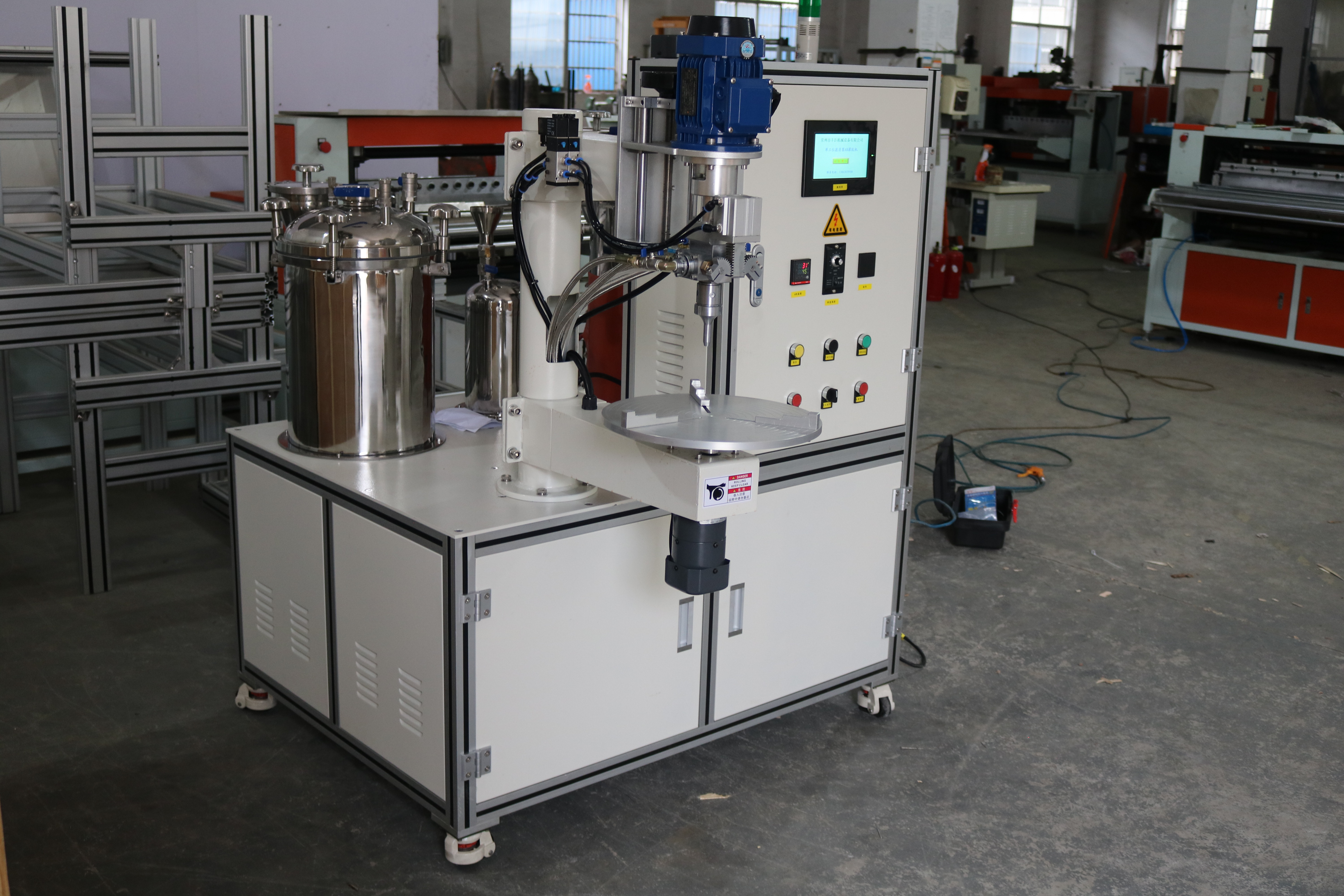
FAQ
Sa shpesh duhet të pastroni makinen tuaj për injektim ngjitësi
Pastroimi i përditshëm përqendrohet në sipërfaqet e jashtme dhe kontrollimet bazë të sistemit, ndërsa pastroimi i thellë javor përfshin çmontimin dhe pastroimin me tretës të komponentëve kritikë. Mirëmbajtja mujore përfshin procedurat e kalibrimi të plotë dhe optimizimit të sistemit. Shpeshtësia aktuale e pastroimit mund të ndryshojë në varësi të volumit të prodhimit, llojeve të ngjitësit dhe kushteve të punës specifike për aplikacionin tuaj.
Cilat tretësa janë të sigurta për përdorim me pajisjet e shpërndarjes së ngjitësit
Zgjedhja e tretësve varet nga kimia e ngjitësit dhe materiale të komponentëve në makinën tuaj të injektimit të ngjitësit. Konsultoni rekomandimet e prodhuesit të ngjitësit dhe të pajisjes për agjentët e pastroimit të përshtatshëm. Opsionet e zakonshme përfshijnë alkoolin izopropilik, acetonin dhe tretësa të veçantë të dizajnuara për lloje specifike ngjitësish. Gjithmonë testoni përshtatshmërinë e tretësit në komponentë jo-kritikë para se ta përdorni në pjesët me precizion.
A mund të kryej procedurat e kalibrimi pa pajisje specializuar
Kontrollat bazë të kalibrimit mund të kryhen duke përdorur mjete matëse të thjeshta, por kalibrimi i saktë kërkon standarde referimi të certifikuara dhe pajisje matëse. Parametrat kritikë si saktësia e shtypjes, temperaturës dhe shpejtësisë së rrjedhës duhet të verifikohen duke përdorur instrumente të kalibruara që janë të gjurmueshme tek standardet kombëtare.
Çfarë janë shkaqet më të zakonshme të dështimeve të makinarive për injektim gllue
Modelet e zakonshme të dështimit përfshijnë nozullat e bllokuara nga paqartësia e paqartësuar mirë, sigurimet e konsumuara të pompës që shkaktojnë humbje shtypi, furnizimet e ngjitësit të kontaminuara që ndikojnë në karakteristikat e rrjedhës dhe dështimet e sistemit të kontrollit nga interferenca elektrike. Mirëmbajtja parandaluese që adreson këto çështje zvogëlon në mënyrë të konsiderueshme pushimet e papritura dhe ruan cilësinë e konzistentë të prodhimit gjatë tërë jetës së shfrytëzimit të pajisjes.