
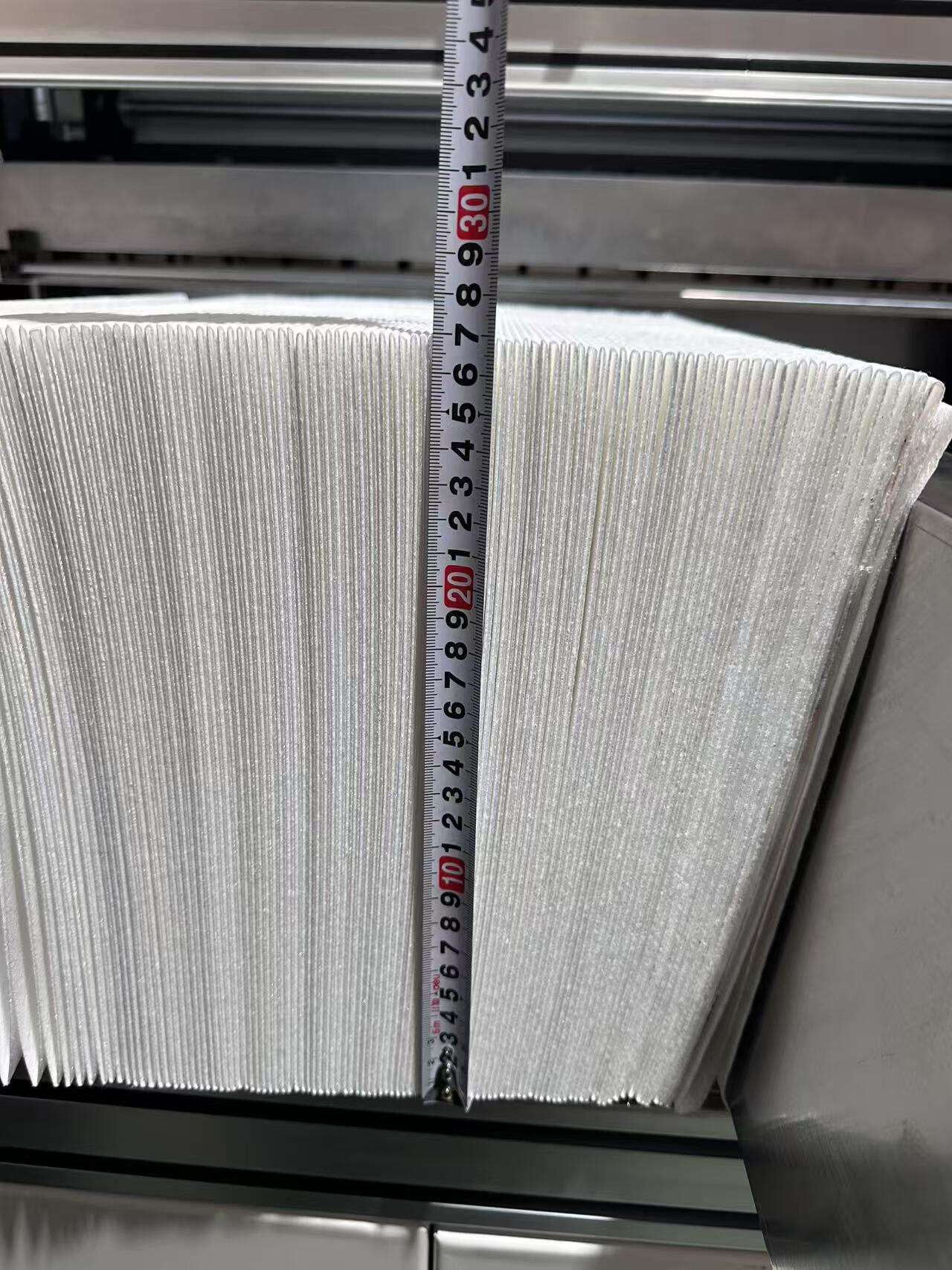
ලෝකය පුරා නිෂ්පාදන කර්මාන්ත විසින් ස්වයංක්රීය සැකිලි කිරීමේ තාක්ෂණයේ පරිවර්තන බලය සොයා ගෙන ඇත. සැකිලි කිරීමේ යන්ත්රය විවිධ ක්ෂේත්රවල අත්යවශ්ය උපකරණයක් ලෙස ඉදිරියට එන අතර, ස්වයංචාලිත වාහන ෆිල්ටර් පද්ධති සිට අභ්යවකාශ සංරචක දක්වා මෙම සංකීර්ණ යන්ත්ර මිනිසුන් විසින් කරන ක්රියාවලි වලට සැපයිය නොහැකි සියුම් බැඳීමේ හැකියාවන් සපයයි. වර්තමාන සැකිලි කිරීමේ යන්ත්ර තාක්ෂණයේ විවිධත්වය සහ කාර්යක්ෂමතාව නිෂ්පාදන ක්රියාවලි විපර්යාසයට සමාන වී ඇත. මෙය නිෂ්පාදකයින්ට ස්ථායී ගුණත්වය ලබා ගැනීමට සහ ශ්රම විය සහ නිෂ්පාදන කාලය සැලකිය යුතු ලෙස අඩු කිරීමට හැකියාව ලබා දෙයි.
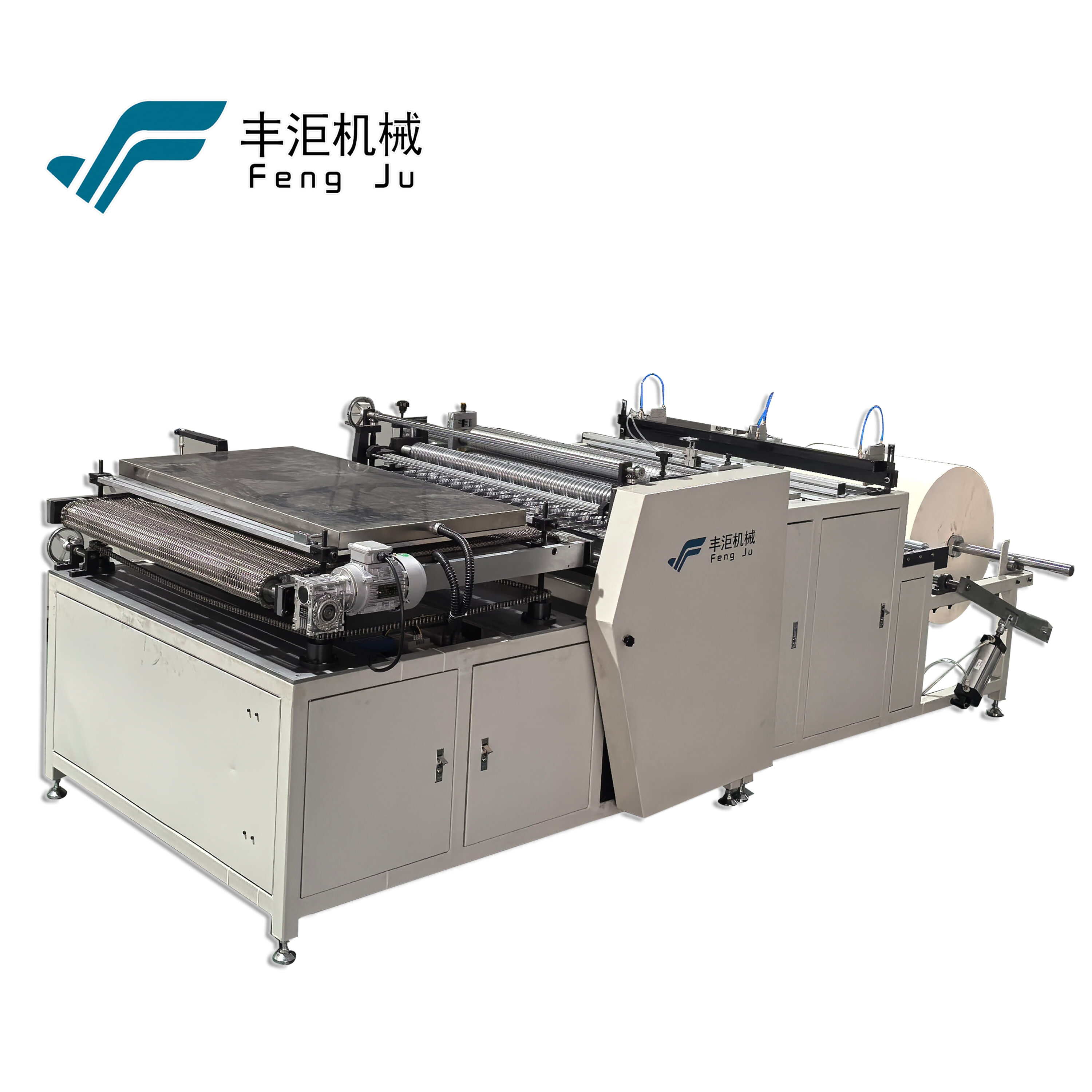
ස්වයංචාලිත වාහන කර්මාන්තයේ යෙදීම්
ඉඞින් වායු ෆිල්ටර් පද්ධති
මෝටර් වාහන ක්ෂේත්රය පිළිස්සුම් යන්ත්ර තාක්ෂණය සඳහා විශාලතම පාරිභෝගිකයන්ගෙන් එකකි, විශේෂයෙන් එන්ජින් වායු ෆිල්ටර් නිෂ්පාදනය සඳහා. සම්ප්රතියේ වාහන වලට එන්ජින් වලට සැලැස්සුම් වලින් ආරක්ෂා කිරීම සඳහා ඉතා කාර්යක්ෂම ෆිල්ටර් ක්රම අවශ්ය වේ, එමෙන්ම හොඳම වායු ප්රවාහය පවත්වා ගැනීම සඳහා ද. පිළිස්සුම් යන්ත්රයක් ෆිල්ටර් මාධ්යය තුළ සමාන ඇකෝරියන්-ශෛලියේ සැකිලි සෑදීම සඳහා යොදා ගනී, මෙය සැකිලි වූ ෆිල්ටර් ගෘහ වල අඩු පරිමාවක් තුළ උපරිෂ්ඨ වර්ගීකරණය වැඩි කරයි. මෙම වැඩි වූ උපරිෂ්ඨ වර්ගීකරණය සෘජුවම ෆිල්ටර් කාර්යක්ෂමතාව වැඩි කිරීමට සහ ෆිල්ටර් ජීවිත කාලය වැඩි කිරීමට පෙළගැසේ, මෙය ඉතා සැළකිලිමත් වායු පිටවීමේ සම්මත සපුරා ගැනීම සඳහා වාහන නිෂ්පාදකයන් විසින් සැලකිය යුතු වැදගත් සාධක වේ.
ස්වයංචාලිත ප්ලීටින් යන්ත්ර ක්රියාකාරිත්වය හේතුවෙන් ලබා ගත හැකි ස්ථායිතාව හේතුවෙන් සෑම ෆිල්ටරයක්ම නිශ්චිත විශේෂාංග සපුරා දෙයි; මෙයින් අතින් කරන ප්ලීටින් ක්රියාවලියේ ඇති විචල්යතාව ඉවත් කරයි. විශාල ස්වයංචාලිත වාහන නිෂ්පාදකයින් ගුණාත්මක ස්ථායිතාව සහතික කිරීම සඳහා වාර්ෂිකව මිලියන ගණනක ඒකක සඳහා ප්ලීටින් යන්ත්ර තාක්ෂණය ඔවුන්ගේ සැපයුම් දාමවලට ඒකාබද්ධ කර ඇත.
ශරීරය තුළ ඇති වායු ෆිල්ටරය නිෂ්පාදනය
ශරීරය තුළ ඇති වායු ෆිල්ටර යනු ප්ලීටින් යන්ත්ර තාක්ෂණය විස්තීර්ණ වාසි ලබා දෙන තවත් වැදගත් යෙදුම් ක්ෂේත්රයකි. මෙම ෆිල්ටර යාන්ත්රික වායු සැපයුම්-අඩු කිරීමේ (HVAC) පද්ධති සඳහා ප්රමාණවත් වායු ප්රවාහය පවත්වා ගැනීම සමගම යාත්රිකයින්ගේ අභ්යන්තර අවකාශයට ඇතුළු වන වායුවෙන් සීතල සාධක, දූෂිත ද්රව්ය සහ දුර්ගන්ධ ඉවත් කළ යුතුය. උසස් ප්ලීටින් යන්ත්ර උපකරණ වලින් සෑදෙන නිශ්චිත බෙදී යාමේ රටා මගින් ෆිල්ටර කාර්යක්ෂමතාව සහ පීඩන අඩුවීමේ ලක්ෂණ අතර හොඳම සමතුලිතතාවය ලබා දෙයි.
නවීන ප්ලයිටිං මැෂින් පද්ධති වලට විවිධ ෆිල්ටර් මාධ් ය වර්ග වලට ඉඩ දිය හැකිය, මූලික අංශු ෆිල්ටරවල සිට ගඳ පාලනය සඳහා සක් රීය කාබන් ස්ථර දක්වා. මෙම බහුකාර්යතාව නිෂ්පාදකයින්ට එකම උපකරණ භාවිතා කරමින් විවිධ කැබින් ෆිල්ටර් වින් යාස නිෂ්පාදනය කිරීමට ඉඩ සලසයි.
කාර්මික පෙරීමේ අංශය
HVAC පද්ධතියේ සංරචක
කාර්මික HVAC යෙදුම් සඳහා අවශ් ය වන්නේ බලශක්ති කාර්යක්ෂමතාව පවත්වා ගනිමින් විශාල වායු පරිමාවක් හැසිරවීමට හැකි අධි ධාරිතා පෙරහන් පද්ධති ය. වාණිජමය ප්ලයිටිං යන්ත් ර තාක් ෂණය මඟින් සම්මත රාමු මානයන් තුළ පෙරීමේ මතුපිට ප් රමාණය උපරිම කරන විශාල ප් රමාණයේ ප්ලයිටිං ෆිල්ටර් නිෂ්පාදනය කිරීමට හැකි වේ. මෙම කාර්මික ශ් රේණියේ පෙරහන් නිෂ්පාදන පහසුකම්, දත්ත මධ් යස්ථාන, සෞඛ් ය සේවා ආයතන සහ වාණිජ ගොඩනැගිලි සඳහා ගෘහස්ථ වාතයේ ගුණාත්මකභාවය පවත්වා ගැනීමේදී තීරණාත්මක කාර්යභාරයක් ඉටු කරයි.
ආධුනික සැකිලි යන්ත්ර සැකිලි කිරීමේ නිරවද්යතා හැකියාවන් අඩු වීමේ ලක්ෂණ සපයා දෙන සඳහා ස්ථායී සැකිලි අතර පරතරය සහ ගැඹුර සැලකිල්ලට ගැනීම සඳහා ඉතා වැදගත් වේ. සැකිලි යන්ත්ර තාක්ෂණය භාවිතා කරමින් නිෂ්පාදනය කරන කර්මාන්ත ශ්රේණියේ HVAC ෆිල්ටර් සාමාන්යයෙන් අතින් සැකිලි කරන විකල්ප වලට සැසේ වැඩි සීරු ධාරිතාවක් පෙන්වයි. එය ගොඩනැගිලි කළමනාකරුවන් සඳහා සේවා කාලය වැඩි කිරීම සහ අඩු අංශ පරිපාලන වියදම් සපයයි.
කර්මාන්ත ක්රියාවලි ෆිල්ට්රේෂන්
කර්මාන්ත ශ්රේණිය පුරා නිෂ්පාදන ක්රියාවලියේ වායු, ද්රව සහ වායු වලින් සැලැස්සුම් ඉවත් කිරීම සඳහා විශේෂිත ෆිල්ට්රේෂන් විසඳුම් අවශ්ය වේ. මෙය පීඩන යන්ත්රය ෆාර්මාසියුටිකල් සිස්ටම් සෝදා කළ කාමර සිට ආහාර සැකසුමේ සුසාධන දක්වා විශේෂිත ක්රියාවලි අවශ්යතා සඳහා සැකසූ ෆිල්ටර් සැකසුම් නිෂ්පාදනය සඳහා හැකියාව සපයයි.
රසායනික සැකසුමේ කර්මාන්ත විශේෂයෙන් පෙලෙටිං යන්ත්ර තාක්ෂණයෙන් හොඳ ප්රතිලාභ ලබයි, මන්ද එය කෲර රසායනික සහ ඉතා උස් හෝ අඩු සිසිල් සිදුරු වලට ඔරොත්තු දෙන විශේෂිත ෆිල්ටර් මාධ්ය සමඟ ක්රියා කිරීමට හැකියාව ඇත. ස්වයංක්රීය පෙලෙටිං ක්රියාවලිය හරහා ලබා ගන්නා ස්ථායී පෙලෙට් සැකසුම ෆිල්ටර් අසාර්ථකතාව හේතුවෙන් අධික වියදම් සහිත නිෂ්පාදන අතුරු පැහැරීම් සිදුවිය හැකි අභියෝගාත්මක කර්මාන්ත පරිසරයන්හි විශ්වසනීය ක්රියාකාරිත්වය සැලසුම් කරයි.
ආකාශ යානා සහ ආරක්ෂක යෙදුම්
ජෙට් එන්ජිනය සඳහා ෆිල්ට්රේෂන්
ජෙට් එන්ජිනය සඳහා ෆිල්ට්රේෂන් පද්ධති සඳහා ඉතා අභියෝගාත්මක පරිසරයන් වන අභ්යවකාශ යෙදුම් වලදී ෆිල්ටර් අසාර්ථකතාව අවස්ථාවක් නොවේ. ජෙට් එන්ජිනයේ වායු ආවේශන ෆිල්ටර් ඉතා උස් හෝ අඩු උසෙහි සහ උෂ්ණත්ව වෙනස්වීම් සමඟ විශ්වසනීයව ක්රියා කළ යුතු අතර, සංකීර්ණ ටර්බයින් සංරචක විදේශීය වස්තු වලින් හානි වීමෙන් ආරක්ෂා කළ යුතුය. පෙලෙටිං යන්ත්ර තාක්ෂණය හරහා සැකසිය හැකි වන්නේ සැහැල්ලු, ඉහළ කාර්යක්ෂමතාවක් සහිත ෆිල්ටර් වන අතර ඒවා අභ්යවකාශ ක්ෂේත්රයේ ඉතා සැකසුම් කළ විශේෂාංග සපුරා දෙයි.
ඉහළ මට්ටමේ සැකසුම් යන්ත්ර පද්ධති හරහා ලබා ගත හැකි නිරවද්යතාව අනුමැති වායු ගතික කාර්ය සාධනය සඳහා අත්යවශ්ය ස්ථායී සැකිලි ජ්යාමිතිය සැපයීම සිදු කරයි. සෙනෙටි ගුවන් යානා යෙදුම් සඳහා බොහෝ විට සම්මත නිෂ්පාදන ක්රම වලින් සපයා නොහැකි විශේෂිත ෆිල්ටර් සැකසුම් අවශ්ය වේ. එම නිසා නවීන සැකිලි යන්ත්ර උපකරණවල සැකසුම් සැකිලි සඳහා ආරක්ෂක ගිවිසුම් සමූහයන් සඳහා ඉතා වැදගත් වේ.
යාත්රික කාබින් පරිසර පාලන පද්ධති
ගුවන් යානා කාබින් වායු ගුණත්වය පද්ධති වල සැකිලි කළ ෆිල්ටර් භාවිතා කර විෂ සහිත ද්රව්ය ඉවත් කර ඉහළ උසෙහි ක්රියාත්මක වන විට පීඩනය පවත්වා ගැනීම සිදු කරයි. අභ්යවකාශ යෙදුම් සඳහා බර සංවේදී වීම හේතුවෙන්, සැකිලි යන්ත්ර වලින් නිෂ්පාදනය වන ෆිල්ටර් වල කාර්යක්ෂමතාව විශේෂයෙන් වැදගත් වේ. මන්ද, ඒකක බර අනුව ෆිල්ට්රේෂන් කාර්ය සාධනය උපරිම කිරීම සෘජුවම ඉන්ධන කාර්යක්ෂමතාව සහ බෙරළුම් හැකියාව මත බලපායි.
පිලිටින් යන්ත්ර තාක්ෂණය මගින් අභියෝගාත්මක වායු දහන හා වායු විස්ථාපන අවශ්යතා සපුරා දෙන අතර, සම්ප්රදායික ද්රව්ය වලට වඩා හොඳ කාර්ය සාධනය ලබා දෙන උසස් සින්තෙටික් මාධ්ය භාවිතයෙන් ෆිල්ටර නිෂ්පාදනය කිරීම සැහැල්ලු කරයි. ස්වයංක්රීය පිලිටින් ක්රියාවලියේ ස්ථායිතාව හේතුවෙන්, වාණිජ්ය හා හමුදා ගුවන් යානා තුළ පවතින විශාල ක්රියාකාරී පරාසය තුළ විශ්වසනීය කාර්ය සාධනය සැලකිය යුතු ලෙස සැලකිය හැක.
වෛද්ය හා සෞඛ්ය ක්ෂේත්රය
රෝහල් වායු ෆිල්ටර පද්ධති
රෝගීන්, සේවකයින් සහ සංචාරකයින් වායු මගින් පැතිරෙන රෝග සාධක සහ සාන්ද්රිත දූළි වලින් ආරක්ෂා කිරීම සඳහා සෞඛ්ය සේවා පහසුකම් වලට ඉහළම මට්ටමේ වායු ගුණත්වය අවශ්ය වේ. සැතැපුම් කාමර, තීව්ර සැකසුම් ඒකක සහ වෙන් කළ වාර්ඩ් වැනි විශේෂිත ස්ථානවල උසස් කාර්ය සාධනය සහිත වායු සැපයුම් හා වායු සැකසුම් (HVAC) පද්ධති අවශ්ය වන අතර, ඒවා උසස් පිලිටින් යන්ත්ර තාක්ෂණය මගින් නිෂ්පාදිත ඉහළ කාර්ය සාධනය සහිත පිලිටින් ෆිල්ටර ඇතුළත් වේ. මෙම විශේෂිත යෙදුම් සඳහා ෆිල්ටර කාර්ය සාධනයේ නිරපේක්ෂ ස්ථායිතාව අත්යවශ්ය වන අතර, ස්වයංක්රීය පිලිටින් ක්රියාවලියේ සුවිශේෂී නිරවද්යතාව එය සැලකිය යුතු ලෙස සැලකිය හැක.
ඖෂධ නිෂ්පාදන සැකසුම් ස්ථාන යනු සෙවිලි යන්ත්ර තාක්ෂණය වැදගත් කාර්යයක් සිදු කරන අනෙකුත් සෞඛ්ය සේවා ක්ෂේත්රයේ යෙදීම් වේ. සිලිකෝන් කාමර පරිසරයන්හි උප-මයික්රෝන් මට්ටම දක්වා කෘතිම කොටස් ඉවත් කළ හැකි සහ නිශ්චිත වායු ප්රවාහ වේගයන් පවත්වා ගැනීමට හැකි ෆිල්ටර් අවශ්ය වේ. සෙවිලි යන්ත්ර ක්රියාකාරිත්වය හේතුවෙන් ලබා ගත හැකි සමාන සෙවිලි අතර අතර දුර සැලකිය යුතු පීඩන අතර වෙනස් වීමේ ලක්ෂණ සහිත විය යුතු අතර, සිලිකෝන් කාමරයේ සුදුසු පීඩනය පවත්වා ගැනීම සඳහා එය අත්යවශ්ය වේ.
වෛද් ය උපකරණ නිෂ්පාදනය
වෛද්ය උපකරණ නිෂ්පාදකයින් පරිසර ෆිල්ටර් සහ වෛද්ය උපකරණවලට ඒකාබද්ධ කර ඇති සංරචක නිෂ්පාදනය සඳහා සෙවිලි යන්ත්ර තාක්ෂණය භාවිතා කරයි. උදාහරණයක් ලෙස, ශ්වසන චිකිත්සා උපකරණ සෙවිලි වූ ෆිල්ටර් අංග අඩංගු විය හැකි අතර, ඒවා ඉතා දැඩි ජෛව සහිතතා අවශ්යතා සපුරා ගැනීමට සහ විශ්වසනීය ෆිල්ටර් කාර්ය සාධනය සපයා දීමට අවශ්ය වේ. සෙවිලි යන්ත්ර වලින් නිෂ්පාදනය වන සංරචකවල ස්ථායිතාව රෝගීන්ගේ සුරක්ෂිතතාව සඳහා අත්යවශ්ය වූ විශ්වසනීය උපකරණ ක්රියාකාරිත්වය සහතික කරයි.
සෞඛ්ය සේවා පහසුකම් තුළ පරීක්ෂණාගාර පරිසරයන් සඳහා සංවේදී විශ්ලේෂණාත්මක උපකරණ ආරක්ෂා කිරීම සහ සැම්පල් වල සම්පූර්ණත්වය පවත්වා ගැනීම සඳහා විශේෂිත ෆිල්ටර් ක්රම අවශ්ය වේ. ෆිල්ටර් සැකසුම් සඳහා විශේෂිත පෙළ ගැසීමේ යන්ත්ර තාක්ෂණය භාවිතා කරමින් ජීව සුරක්ෂිත කැබිනට් සහ රසායනික වාෂ්ප හුඩ් වැනි විශේෂිත පරීක්ෂණාගාර යෙදුම් සඳහා සකස් කළ හැකි සැකසුම් නිෂ්පාදනය සිදු කළ හැකිය.
නිෂ්පාදනය සහ කර්මාන්ත සැකසුම
ඉලෙක්ට්රොනික් නිෂ්පාදනය
ඉලෙක්ට්රොනික නිෂ්පාදන සැකසුමේ සැහැල්ලු පරිසරයන් අවශ්ය වන්නේ සැමිකන්ඩක්ටර් සහ වර්තුල පුවරු නිෂ්පාදනය අතරතුර කෘතිම සැහැල්ලු දූවිලි දූෂණය වළක්වා ගැනීම සඳහාය. පෙළ ගැසීමේ යන්ත්රය මගින් සැඟවුණු එක් මයික්රෝනයට වඩා කුඩා අංශු ඉවත් කළ හැකි ඉතා ඉහළ කාර්යක්ෂමතාවයක් සහිත ෆිල්ටර් නිෂ්පාදනය සිදු කළ හැකිය, මෙම අංශු සංවේදී ඉලෙක්ට්රොනික සංරචකවල දෝෂ ඇති කළ හැකිය. ඉලෙක්ට්රොනික නිෂ්පාදනයේ සිදු වන සිලිකෝන් කාමර යෙදුම් යනු වඩාත් අභියෝගාත්මක ෆිල්ටර් පරිසරයන්ගෙන් එකකි, එහි අවම දූෂණයකුත් වුවද සැලසුම් අසාර්ථකතා වැඩි වීමට හේතු විය හැකිය.
පිඟානු යන්ත්ර තාක්ෂණය ඉලෙක්ට්රොනික සැකසුමේ යෙදුම් සඳහා විශේෂිත ෆිල්ටර නිෂ්පාදනය සඳහා සහය වේ; මෙය අණුක සාදන ඉවත් කිරීම සහ විද්යුත් ස්ථායි ආරෝපණ විසිරීම සඳහා හැකි ෆිල්ටර ඇතුළුවය. නිශ්චිත බැඳීමේ හැකියාවන් සෙමිකන්දුකාරී නිෂ්පාදන සුවිශේෂී සැකසුම් සැකසුම් සැකසුම් ස්ථානවල විශාල ෆිල්ටර ස්ථාපන සඳහා ස්ථායි ක්රියාකාරිත්වය සහතික කරයි.
ආහාර සහ පාන සැකසීම
ආහාර සැකසුමේ සුවිශේෂී සැකසුම් ස්ථානවල පිඟානු ෆිල්ටර විවිධ යෙදුම් සඳහා භාවිතා කරයි; එය සමූහ සැකසුම් පද්ධති සිට ඇසුරුම් කිරීමේ ප්රදේශයේ වායු ගුණත්වය පාලනය දක්වා පැහැදිලිය. පිඟානු යන්ත්රය ආහාර ආරක්ෂාව සම්බන්ධ නීති සම්පූර්ණ කරන ෆිල්ටර නිෂ්පාදනය සැකසීමට හැකියාව ලබා දෙයි, එමගින් විශ්වසනීය සාදන ඉවත් කිරීම සැපයේ. සෞඛ්ය සම්බන්ධ නිර්මාණ සැලකිලි සඳහා ෆිල්ටර ගොඩනැගීම් විශේෂයෙන් පිරිසිදු කිරීම සහ සැනිටයිසින් කිරීමේ ක්රියාවලි සඳහා නිතර භාවිතා කළ හැකි විය යුතු අතර, ක්රියාකාරිත්වය අඩු නොවිය යුතුය.
පාන නිෂ්පාදනය, විශේෂයෙන් බීර් සහ වයින් නිෂ්පාදනයේදී, ක්රියාවලියේ වායු සහ ද්රව ස්ථිතික පෙරහන් යෙදුම් සඳහා විශේෂිත පෙරහන් පද්ධති අවශ්ය වේ. සැකිලි කිරීමේ යන්ත්ර තාක්ෂණය මගින් නිෂ්පාදන ක්රියාවලියේ ආරම්භක සෛලීය වර්ධනයේ සිට අවසාන ඇසුරුම් කිරීම දක්වා විවිධ අදියර සඳහා විශේෂිත සුෂිරතා ලක්ෂණ සහිත පෙරහන් නිෂ්පාදනය සිදු කළ හැකිය.
ශක්තිය සහ විදුලි ජනනය
ගෑස් ටර්බයින් වායු ආනයන පද්ධති
ගෑස් ටර්බයින් භාවිතා කරන විදුලි ජනන සැහැල්ලු ස්ථානවලට ටර්බයින් සංරචක වායු ක්රියාකාරීත්වය හේතුවෙන් වැටීම සහ දූස්රීකරණයෙන් ආරක්ෂා කිරීම සඳහා ඉහළ වායු ප්රවාහ හැකියාව සහිත වායු ආනයන පෙරහන් පද්ධති අවශ්ය වේ. කර්මාන්තශාලා සැකිලි කිරීමේ යන්ත්ර උපකරණ මගින් විශාල ප්රමාණයේ සැකිලි කළ පෙරහන් නිෂ්පාදනය සිදු කළ හැකි අතර, ඉහළ වායු ප්රවාහ පරිමා සැකසීමට හැකි වුවද අඩු පීඩන අතුරු වෙනස් ලක්ෂණ පවත්වා ගත හැකිය. මෙම යෙදුම් සඳහා අතිශයින් හොඳ සීරුම් ධාරිතාවක් සහිත පෙරහන් අවශ්ය වන අතර, මෙය අඩු අවිධිමත් කිරීමේ අතුරු කාලයන් සහ ටර්බයින් උපයෝගීතාව උපරිම කිරීම සඳහා අවශ්ය වේ.
සම්බන්ධිත චක්ර විදුලි ජනන ස්ථාන බොහෝ විට ගුවනේ ඇති සැලැස්මි ද්රව්ය නිසා ටර්බයිනයේ කාර්ය සාධනය සහ අංග පරිපාලන අවශ්යතාවය සැලකිය යුතු ලෙස බලපාන අභියෝගාත්මක පරිසරයන්හි ක්රියාත්මක වේ. සැකිලි යන්ත්ර තාක්ෂණය හෙතුවෙන් ලබා ගත හැකි ස්ථායිතාව යනු විදුලි ජනන ස්ථානයේ ක්රියාකාරීත්වය සැලසුම් කිරීම සහ සැලසුම් නොකළ අංග පරිපාලන සිදුවීම් අවම කිරීම සඳහා අත්යවශ්ය වන පුරෝකථනය කළ හැකි ෆිල්ටර් කාර්ය සාධනය සැලසුම් කිරීම සඳහා වැදගත් වේ.
නවීන ශක්ති යෙදුම්
වායු සුළි ටර්බයින ජනනය සඳහා විශේෂිත ෆිල්ටර් පද්ධති අවශ්ය වේ, එය විවෘත වාහිනි ස්ථානවල ක්රියාත්මක වන විට සංවේදී විදුලි අංග පරිසරයේ සැලැස්මි ද්රව්ය වලින් ආරක්ෂා කිරීම සඳහා යොදා ගැනේ. සැකිලි යන්ත්ර තාක්ෂණය හෙතුවෙන් වායු ශක්ති ස්ථාපනවල සාමාන්යයෙන් දක්නට ලැබෙන ඉතා උණුසුම් සහ සීතල වෙනස්වීම් සහ ආර්ද්රතා තත්ත්වයන් සැබෑ කර ගත හැකි වායු-ප්රතිරෝධී ෆිල්ටර් නිෂ්පාදනය සැලසුම් කිරීමට හැකියාව ලැබේ.
සූර්ය පැනල නිෂ්පාදන සුවිශේෂී උපකරණ වල ඉලෙක්ට්රොනික නිෂ්පාදනය සමාන ස්වච්ඡ කාමර පරිසරයන් භාවිතා කරයි. මෙම පරිසරයන් තුළ නිෂ්පාදන ගුණත්වය පවත්වා ගැනීම සඳහා ඉහළ කාර්යක්ෂමතාව සහිත සැකිලි වූ ෆිල්ටර් අවශ්ය වේ. සැකිලි වීමේ යන්ත්රයේ ක්රියාකාරීත්වයේ සියුම් නිරවද්යතාව ෆෝටෝවොල්ටික් සෛල නිෂ්පාදනය සඳහා අත්යවශ්ය වන පාලනය කළ හැකි පරිසරයන් පවත්වා ගැනීම සඳහා ස්ථායී ෆිල්ටර් ක්රියාකාරීත්වය සහතික කරයි.
FAQ
කුමන සාධක වලින් යම් විශේෂිත කර්මාන්තයක් සඳහා සුදුසුම සැකිලි වීමේ යන්ත්රය තීරණය වේද?
උචිත සැකිලි වීමේ යන්ත්රය තෝරා ගැනීම පිළිබඳව කිහිපයක් වැදගත් සාධක මත රඳා පවතී. එයට සැකිලි වීමට යන ෆිල්ටර් මාධ්යයේ වර්ගය, අවශ්ය නිෂ්පාදන පරිමාව, සැකිලි වීමේ විශේෂාංග සහ ගුණත්ව සම්මතයන් ඇතුළත් වේ. ඉහළ පරිමාවේ අවශ්යතා සහිත කර්මාන්ත සාමාන්යයෙන් නිරන්තර ක්රියාකාරීත්වය සඳහා සැපයිය හැකි භ්රමණය වන සැකිලි වීමේ යන්ත්ර පද්ධති වලින් ප්රතිලාභ ලබයි. සැකිලි වීමේ ජ්යාමිතිය සම්බන්ධව ඉතා නිරවද්ය අවශ්යතා හෝ විශේෂිත මාධ්ය සැකසීම අවශ්ය වන යෙදුම් සඳහා උසස් පාලන පද්ධති සමඟ සර්වෝ-චාලිත සැකිලි වීමේ යන්ත්ර තාක්ෂණය අවශ්ය විය හැකිය.
පිලිටින් යන්ත්ර තාක්ෂණය ස්වයංක්රීය ක්රම වලට සැසෙන විට ෆිල්ටරයේ කාර්ය සාධනය මත කුමන බලපෑමක් ඇති කරයි
පිලිටින් යන්ත්ර තාක්ෂණය ස්වයංක්රීය පිලිටින් ක්රම වලට සැසෙන විට පිලිටි අතර දුර, ගැඹුර සහ සමස්ත ජ්යාමිතිය යන සියලු අංශයන්හි ස්ථායිතාව සැලකිය යුතු ලෙස වැඩි කරයි. මෙම ස්ථායිතාව සෘජුවම ෆිල්ටරයේ කාර්ය සාධන ලක්ෂණ පෙර නියමිතව අනුමාන කිරීමට හැකි කරයි. උදාහරණයක් ලෙස පීඩන අතිරේකය, ෆිල්ට්රේෂන් කාර්යක්ෂමතාව සහ සීරුම් ධාරිතාවය යන ඒවායි. ස්වයංක්රීය පිලිටින් යන්ත්ර ක්රියාකාරකම් මගින් ස්වයංක්රීයව නිෂ්පාදිත ෆිල්ටර වල කාර්ය සාධනයේ අස්ථායිතාවයන්ට හේතු වන මිනිසුන්ගේ විචල්යතා සාධක ඉවත් කරයි.
කර්මාන්ත ස්ථානයේ පිලිටින් යන්ත්ර ක්රියාකාරකම් සඳහා වැදගත් අංශයන් වන්නේ කුමක්ද
පිලිටිං යන්ත්ර සැකසුමේ සාමාන්ය අංග නඩත්තුව යනු බෙදී යාමේ යාන්ත්රික කොටස් පරීක්ෂා කිරීම සහ සකස් කිරීම, චලනය වන කොටස්වලට ස්නේහනය යෙදීම සහ පාලන පද්ධති සැකසීම යන කාර්යයන් ඇතුළත් වේ. සතත ක්රියාත්මක වීම අවශ්යතා සහිත කර්මාන්ත ශාඛාවල සැලසුම් කළ අංග නඩත්තු වැඩසටහන් ක්රියාත්මක කළ යුතු අතර, අපැහැදිලි වශයෙන් සැලසුම් නොකළ විරාම කාලය අවම කිරීම සඳහා එය අත්යවශ්ය වේ. පිලිටිං යන්ත්ර පද්ධතිවල සංකීර්ණතාව සැබෑ වශයෙන්ම වෙනස් වේ. තවද වඩා සංකීර්ණ උපකරණ සඳහා ඉහළම කාර්ය සාධනය සඳහා විශේෂිත වෘත්තීය හැකියාවන් අවශ්ය වේ.
පිලිටිං යන්ත්ර තාක්ෂණය විශේෂිත යෙදුම් සඳහා විශේෂිත ෆිල්ටර් විශේෂාංග සඳහා සැලසුම් කළ හැකිද?
ආධුනික සැකසුම් යන්ත්ර පද්ධති වලට විචල්ය සැකසුම් උස, අතර අවකාශය සහ විශේෂිත මාධ්ය සැකසුමේ හැකියාවන් ඇතුළු විවිධ ෆිල්ටර් සැකසුම් නිෂ්පාදනය සඳහා සැලකිය යුතු සැකසුම් හැකියාව ඇත. බොහෝ නිෂ්පාදකයින් විශේෂිත යෙදුම් අවශ්යතා සඳහා සැකසුම් යන්ත්ර සැකසුම් වෙනස් කළ හැකි අතර එයට සම්මත නොවන ෆිල්ටර් පරිමාණ හෝ විශේෂිත මාධ්ය වර්ග ඇතුළත් වේ. විවිධ සැකසුම් නිෂ්පාදනය කිරීමේ හැකියාව හේතුවෙන් සැකසුම් යන්ත්ර තාක්ෂණය විශේෂිත ෆිල්ට්රේෂන් අවශ්යතා සහිත කර්මාන්ත සඳහා විශේෂයෙන් වටිනා වේ.
අන්තර්ගතය
- ස්වයංචාලිත වාහන කර්මාන්තයේ යෙදීම්
- කාර්මික පෙරීමේ අංශය
- ආකාශ යානා සහ ආරක්ෂක යෙදුම්
- වෛද්ය හා සෞඛ්ය ක්ෂේත්රය
- නිෂ්පාදනය සහ කර්මාන්ත සැකසුම
- ශක්තිය සහ විදුලි ජනනය
-
FAQ
- කුමන සාධක වලින් යම් විශේෂිත කර්මාන්තයක් සඳහා සුදුසුම සැකිලි වීමේ යන්ත්රය තීරණය වේද?
- පිලිටින් යන්ත්ර තාක්ෂණය ස්වයංක්රීය ක්රම වලට සැසෙන විට ෆිල්ටරයේ කාර්ය සාධනය මත කුමන බලපෑමක් ඇති කරයි
- කර්මාන්ත ස්ථානයේ පිලිටින් යන්ත්ර ක්රියාකාරකම් සඳහා වැදගත් අංශයන් වන්නේ කුමක්ද
- පිලිටිං යන්ත්ර තාක්ෂණය විශේෂිත යෙදුම් සඳහා විශේෂිත ෆිල්ටර් විශේෂාංග සඳහා සැලසුම් කළ හැකිද?