
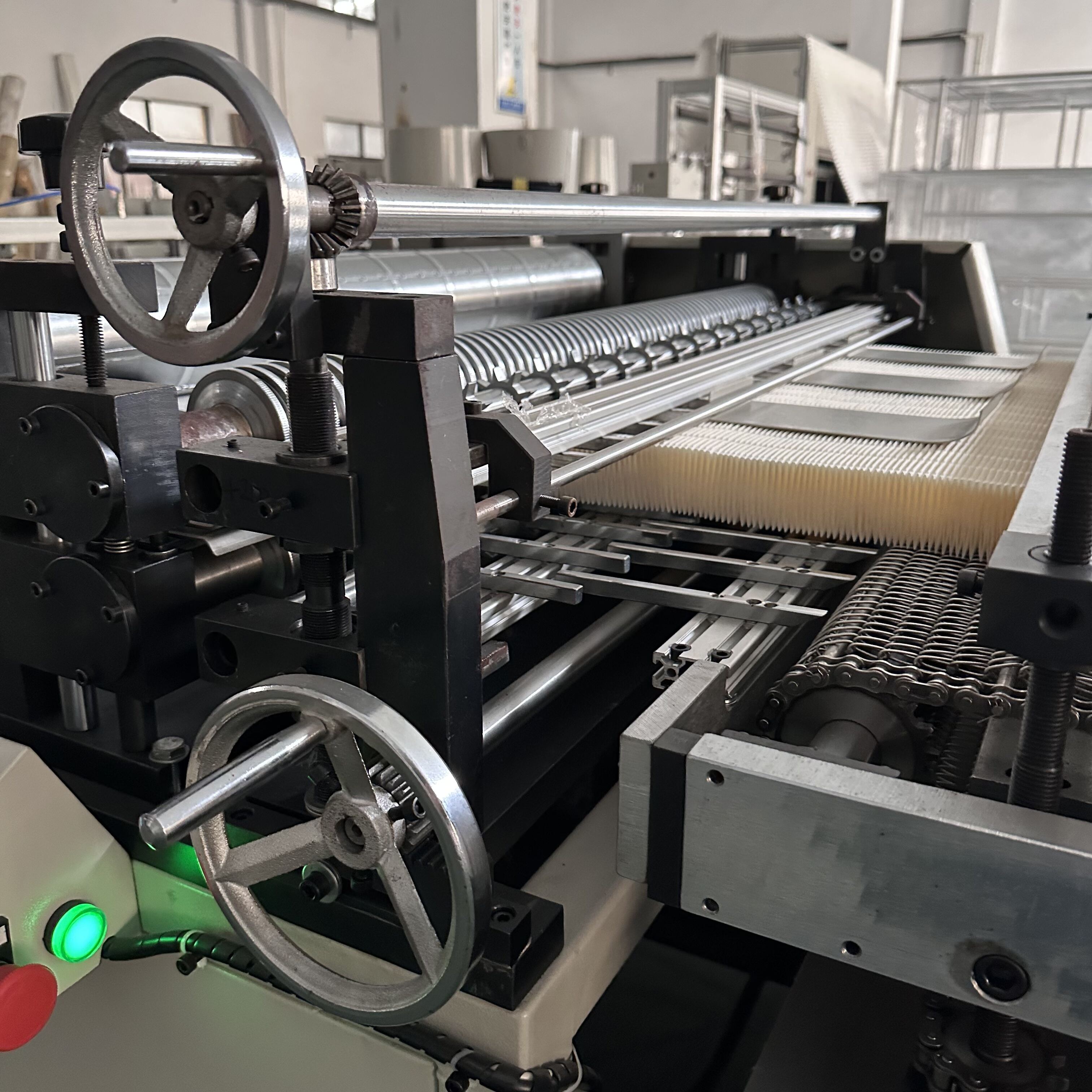
Selectarea materialelor potrivite de filtru pentru mașina dvs. rotativă de pliere determină calitatea, eficiența și consistența producției de filtre pliate. Diferitele materiale reacționează în mod unic la procesul mecanic de pliere, prezentând variații în ceea ce privește flexibilitatea, capacitatea de reținere a formei și formarea marginilor, care influențează direct performanța și durabilitatea produsului final.
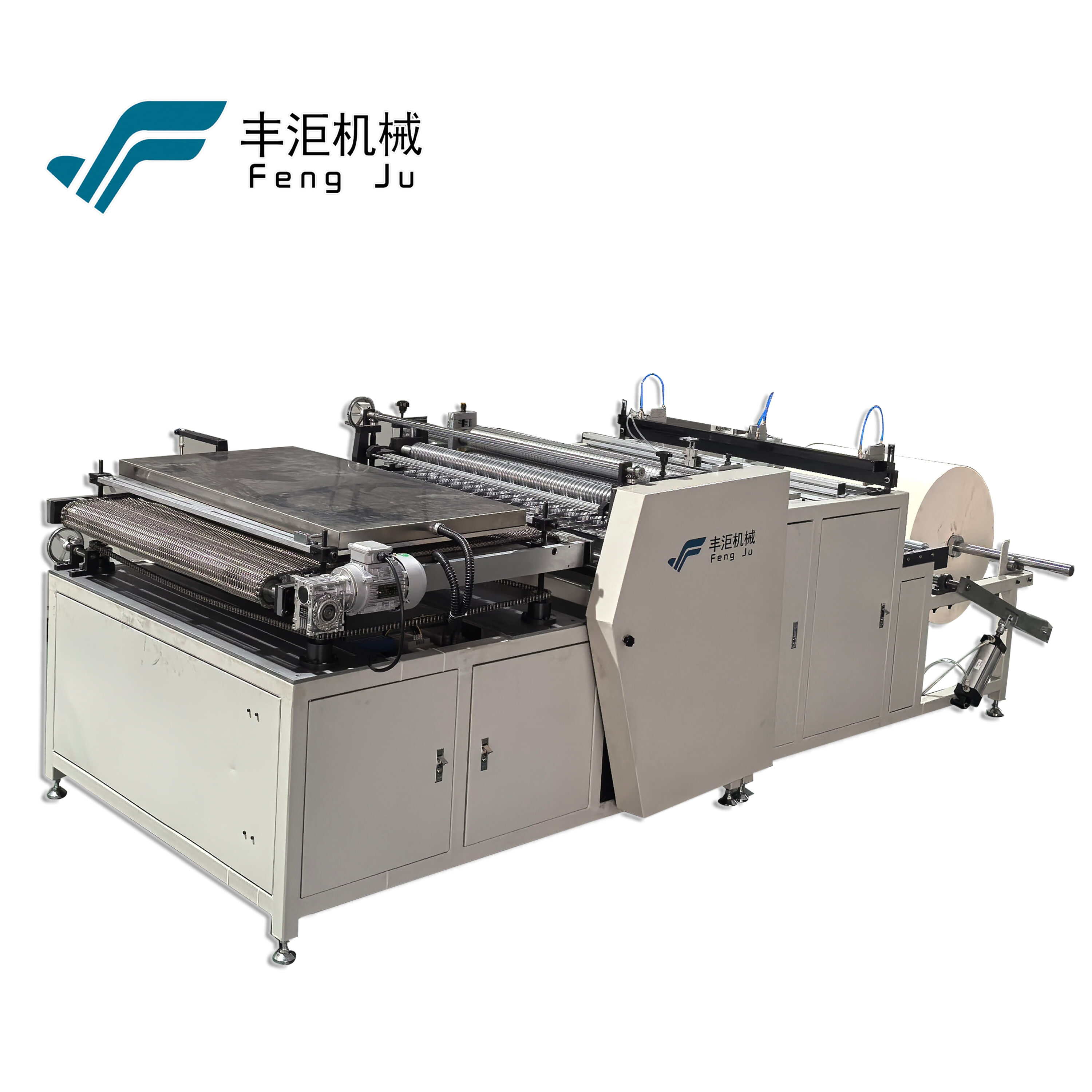
Înțelegerea compatibilității materialelor cu mașina dvs. rotativă de pliere asigură o geometrie optimă a pliurilor, reduce defecțiunile de procesare și maximizează debitul de producție. Forțele mecanice implicate în plierea rotativă creează cerințe specifice privind rezistența la întindere, reținerea pliurilor și stabilitatea dimensională, care variază semnificativ în funcție de tipul de mediu filtrant.
Proprietățile materialelor care determină succesul plierii
Structura fibroasă și răspunsul la pliere
Structura de fibre a materialelor filtrante determină în mod fundamental modul în care acestea răspund procesului de pliere rotativă. Fibrele sintetice prezintă, de obicei, o retenție superioară a formei comparativ cu fibrele naturale, permițând obținerea unor pliuri mai ascuțite și mai consistente atunci când sunt prelucrate prin intermediul unei mașini de pliere rotativă. Mediile pe bază de poliester demonstrează o stabilitate excelentă a pliurilor datorită elasticității lor intrinseci și rezistenței la deformare sub acțiunea eforturilor mecanice.
Materialele din polipropilenă oferă o rezistență chimică excepțională, păstrând în același timp caracteristici bune de pliere, ceea ce le face ideale pentru aplicații care necesită atât durabilitate, cât și geometrie precisă a pliurilor. Distribuția uniformă a fibrelor în aceste materiale sintetice asigură o formare consistentă a pliurilor pe întreaga lățime a mediului filtrant în timpul procesării rotative.
Materialul din fibră de sticlă prezintă provocări unice pentru mașinile rotative de plisare, datorită fragilității sale și potențialului de rupere a fibrelor în timpul procesului de pliere. Totuși, atunci când este susținut corespunzător cu materiale de sprijin sau tratat cu lianți adecvați, fibra de sticlă poate obține o reținere excelentă a pliurilor, păstrând în același timp proprietățile sale superioare de filtrare.
Considerente legate de grosime și densitate
Grosimea materialului influențează direct performanța mașinii rotative de plisare, domeniile optime fiind, de obicei, între 0,3 mm și 2,5 mm, în funcție de configurația specifică a mașinii. Materialele mai subțiri pot lipsi de integritatea structurală necesară pentru formarea constantă a pliurilor, în timp ce o grosime excesivă poate suprasolicita mecanismele de pliere ale mașinii și poate duce la modele neregulate de pliere.
Variațiile de densitate din interiorul mediului filtrant pot crea o distribuție neuniformă a eforturilor în timpul procesului de pliere, determinând incoerențe ale înălțimii pliurilor și posibile cedări ale materialului. Materialele cu densitate uniformă asigură funcționarea lină a mașinii rotative de pliere și produc filtre cu caracteristici constante de debit de aer în toate secțiunile pliate.
Relația dintre grosime și rigiditate devine critică la prelucrarea mai multor straturi sau a materialelor compozite prin intermediul unei mașini rotative de pliere. Materialele cu raport ridicat grosime/rigiditate produc, în general, pliuri mai bine definite, păstrând în același timp integritatea structurală pe tot parcursul procesului de pliere.
Performanța mediilor filtrante sintetice
Caracteristicile mediilor din poliester
Materialul filtrant din poliester oferă în mod constant rezultate excelente atunci când este prelucrat prin intermediul unei mașini rotative de pliere, oferind o combinație echilibrată între flexibilitate și reținerea formei. Caracterul termoplastic al fibrelor de poliester permite fixarea termică a plierilor, ceea ce poate fi deosebit de avantajos atunci când este integrat cu elemente de încălzire în sistemele avansate de pliere rotativă.
Materialul din poliester obținut prin procedeul spun-bond prezintă o stabilitate dimensională superioară comparativ cu variantele din needlefelt, reducând probabilitatea distorsionării plierilor în timpul prelucrării la viteză ridicată. Această stabilitate se traduce într-o distribuție mai uniformă a plierilor și într-o performanță constantă a filtrului în produsul final, făcând din acesta o alegere preferată pentru mulți mașina de pliere rotativă operaţiuni.
Rezistența chimică a materialelor din poliester asigură stabilitatea pe termen lung a filtrelor plisate, chiar și atunci când sunt expuse diverselor medii industriale. Acest factor de durabilitate face din poliester o alegere excelentă pentru aplicații care necesită o durată îndelungată de funcționare fără degradarea plisurilor sau apariția unor defecțiuni structurale.
Aplicații ale polipropilenei
Materialul filtrant din polipropilenă oferă o compatibilitate excepțională cu mașinile rotative de plisare, în special în aplicațiile care necesită rezistență la acizi, baze și solvenți organici. Energia scăzută de suprafață a fibrelor de polipropilenă reduce problemele de adeziune în timpul procesului de plisare, permițând o curgere uniformă a materialului prin mecanismele de pliere ale mașinii.
Materialul din polipropilenă obținut prin procedeul meltblown demonstrează proprietăți excelente de menținere a plierilor, păstrând în același timp structura sa fină de fibre, ceea ce îl face ideal pentru aplicații de filtrare de înaltă eficiență. Distribuția uniformă a fibrelor, caracteristică proceselor meltblown, asigură un comportament constant la pliere pe întreaga lățime a materialului, atunci când acesta este prelucrat cu echipamente rotative de pliere.
Caracterul hidrofob al polipropilenei oferă avantaje suplimentare în aplicațiile sensibile la umiditate, deoarece materialul își păstrează integritatea structurală și geometria plierilor chiar și în condiții de umiditate ridicată. Această proprietate face din polipropilenă o alegere excelentă pentru sistemele de filtrare a aerului exterior și pentru aplicații marine.
Considerente legate de materialele naturale și compozite
Prelucrarea mediilor pe bază de celuloză
Hârtiile filtrante din celuloză necesită o analiză atentă la alegerea materialelor pentru mașinile de pliere rotativă, deoarece natura lor higroscopică poate afecta consistența plierii în condiții variabile de umiditate. Structura naturală din fibre a materialelor celulozice poate prezenta proprietăți direcționale care influențează formarea pliurilor și stabilitatea acestora în timpul prelucrării mecanice.
Materialele filtrante din celuloză tratate cu lianți sintetici oferă, în general, o performanță superioară în aplicațiile de pliere rotativă comparativ cu hârtiile din celuloză pură. Aceste tratamente îmbunătățesc stabilitatea dimensională și reduc tendința de desprindere a fibrelor în timpul procesului de pliere, rezultând în medii de producție mai curate și într-o calitate mai constantă a filtrelor.
Caracterul biodegradabil al materialelor celulozice le face atrăgătoare pentru aplicații ecologice, deși această proprietate poate limita, totuși, potrivirea lor pentru expunerea pe termen lung în aer liber, unde integritatea pliurilor trebuie menținută pe perioade îndelungate.
Avantajele materialelor compozite
Materialele compozite stratificate oferă avantaje unice pentru aplicațiile mașinilor rotative de plisare, combinând proprietățile benefice ale mai multor tipuri de materiale. Compozitele sintetice-celulozice pot oferi caracteristicile de plisare ale materialelor sintetice, păstrând în același timp capacitatea ridicată de reținere a impurităților a mediilor celulozice.
Compozitele cu suport membranar ridică considerente speciale pentru mașinile rotative de plisare, deoarece stratul membranar trebuie să-și mențină integritatea pe tot parcursul procesului de pliere. Controlul corespunzător al tensiunii și selecția atentă a parametrilor de procesare devin esențiale pentru a preveni deteriorarea membranei sau desprinderea straturilor în timpul formării pliurilor.
Structura stratificată a materialelor compozite poate crea provocări privind etanșarea marginilor în aplicațiile de plisare rotativă, necesitând tehnici specializate de etanșare sau etape suplimentare de prelucrare pentru a asigura o asamblare corectă a filtrului și pentru a preveni scurgerea în jurul mediilor pliate.
Parametrii de procesare și optimizarea materialelor
Controlul tensiunii și manipularea materialelor
Setările optime ale tensiunii pentru mașina dvs. rotativă de plisare depind în mare măsură de proprietățile specifice ale materialului, materialele sintetice suportând, în general, tensiuni mai mari decât mediile din fibre naturale. Controlul corespunzător al tensiunii previne întinderea materialului, asigurând în același timp o alimentare adecvată a acestuia pentru o formare constantă a pliurilor pe întreaga durată a producției.
Condicionarea materialului înainte de plisare poate îmbunătăți semnificativ rezultatele procesării, în special pentru materialele higroscopice, care pot prezenta modificări dimensionale în funcție de variațiile umidității. Condicionarea preliminară contribuie la stabilizarea proprietăților materialului și asigură un comportament uniform pe tot parcursul procesului rotativ de plisare.
Sistemele de ghidare a benzii devin din ce în ce mai importante la prelucrarea materialelor cu proprietăți direcționale sau cu grosimi variabile, deoarece aceste variații pot provoca probleme de urmărire, care duc la o formare necorespunzătoare a pliurilor sau la pierderi de material în cadrul operațiunilor de plisare rotativă.
Considerente legate de viteză și temperatură
Optimizarea vitezei de procesare pentru mașina dvs. rotativă de plisare trebuie să țină cont de răspunsul specific al materialului la stresul mecanic și de ratele de deformare. Procesarea la viteză ridicată poate determina materialele elastice să prezinte efecte de revenire care compromit geometria plisurilor, în timp ce vitezele mai reduse pot fi necesare pentru materialele fragile sau groase.
Controlul temperaturii în timpul plisării rotative devine esențial atunci când se prelucrează materiale termoplastice care se pot îmblânzi sau deveni lipicioase la temperaturi ridicate. În schimb, unele materiale beneficiază de încălzirea controlată pentru a îmbunătăți definirea pliurilor și reținerea plisurilor prin procese de fixare termică.
Interacțiunea dintre viteza de procesare și proprietățile materialelor determină debitul maxim realizabil, păstrând în același timp standardele de calitate. Înțelegerea acestor relații permite optimizarea parametrilor de producție specifici fiecărui tip de material prelucrat prin mașina rotativă de plisare.
Controlul calității și testarea materialelor
Evaluarea materialului înainte de producție
Testarea sistematică a materialelor filtrante înainte de producția la scară largă asigură compatibilitatea cu configurația specifică a mașinii dvs. rotative de pliere. Probele pe loturi mici ajută la identificarea unor probleme potențiale, cum ar fi îndesarea marginilor, deformarea pliurilor sau instabilitatea dimensională, care ar putea afecta producția la scară mai mare.
Testarea proprietăților materialelor trebuie să includă măsurători ale rezistenței la întindere atât în direcția mașinii, cât și în direcția transversală, deoarece variațiile direcționale ale rezistenței pot influența în mod semnificativ reușita plierii. Caracteristicile de alungire oferă informații despre modul în care materialele vor răspunde forțelor de întindere specifice procesului rotativ de pliere.
Măsurătorile uniformității grosimii pe toată lungimea rolelor de material ajută la anticiparea consistenței plierii și la identificarea surselor potențiale de variații calitative. Materialele cu variații semnificative ale grosimii pot necesita ajustarea parametrilor de procesare sau sortarea acestora pentru a menține o formare constantă a pliurilor pe durata întregii serii de producție.
Tehnici de monitorizare în proces
Monitorizarea continuă a înălțimii și distanței dintre pliuri în timpul funcționării mașinii rotative de plisare permite detectarea precoce a problemelor legate de prelucrarea materialului. Sistemele automate de măsurare pot identifica tendințe care indică modificări ale proprietăților materialului sau deraparea parametrilor mașinii, înainte ca acestea să afecteze calitatea produsului.
Protocoalele de inspecție vizuală trebuie să se concentreze asupra calității marginilor, definirii pliurilor și integrității materialului pe întreaga secțiune plisată. Eșantionarea și documentarea regulată ajută la stabilirea unor valori de referință pentru diferitele tipuri de materiale și la identificarea momentului în care pot fi necesare ajustări ale parametrilor mașinii rotative de plisare.
Metodele de control statistic al procesului aplicate metricilor de calitate specifice fiecărui material permit optimizarea parametrilor de prelucrare și previziunea momentului în care este necesară schimbarea materialului sau întreținerea mașinii, pentru a menține o calitate constantă a produsului final.
Întrebări frecvente
Ce interval de grosime funcționează cel mai bine pentru majoritatea mașinilor rotative de plisare?
Cele mai multe mașini rotative de plisare funcționează în mod optim cu materiale filtrante având o grosime între 0,3 mm și 2,5 mm. Materialele mai subțiri pot lipsi de integritate structurală pentru o plisare constantă, în timp ce cele mai groase pot suprasolicita mecanismele de pliere și pot genera modele de pliuri neregulate. Grosimea ideală depinde de configurația specifică a mașinii dvs. și de caracteristicile de rigiditate ale materialului.
Pot fi prelucrate materiale din fibră de sticlă prin echipamente rotative de plisare?
Materialele din fibră de sticlă pot fi prelucrate prin mașini rotative de plisare, dar necesită o manipulare atentă datorită fragilității lor. Reușita depinde de utilizarea unor materiale de sprijin adecvate, de tratamente corespunzătoare cu lianți și de parametri optimizați de procesare, inclusiv viteze reduse și tensiuni controlate. Testarea înainte de producție este esențială pentru a preveni ruperea fibrelor și pentru a asigura o calitate acceptabilă a pliurilor.
Cum influențează condițiile de umiditate selecția materialului pentru plisarea rotativă?
Umiditatea influențează în mod semnificativ materialele higroscopice, cum ar fi celuloza, provocând modificări dimensionale care afectează consistența pliurilor. Materialele sintetice, cum ar fi poliesterul și polipropilena, își mențin proprietățile stabile în condiții variabile de umiditate, făcându-le mai fiabile pentru o producție constantă. În cazul utilizării materialelor pe bază de celuloză, pot fi necesare condiții de mediu controlate sau precondiționarea materialului.
Ce cauzează îndesarea marginilor în timpul procesului de pliere rotativă?
Îndesarea marginilor este, de obicei, rezultatul unei tensiuni excesive, al unor lame de tăiere uzate, al unei selecții inadecvate a materialului sau al unei susțineri insuficiente a marginilor în timpul procesului de pliere. Materialele cu structură fibroasă deschisă sau cu legătură insuficientă sunt mai predispuse la îndesare. Soluțiile includ optimizarea setărilor de tensiune, menținerea muchiilor de tăiere ascuțite și selectarea unor materiale cu caracteristici superioare de stabilitate la margine, adaptate mașinii dvs. specifice de pliere rotativă.
Cuprins
- Proprietățile materialelor care determină succesul plierii
- Performanța mediilor filtrante sintetice
- Considerente legate de materialele naturale și compozite
- Parametrii de procesare și optimizarea materialelor
- Controlul calității și testarea materialelor
-
Întrebări frecvente
- Ce interval de grosime funcționează cel mai bine pentru majoritatea mașinilor rotative de plisare?
- Pot fi prelucrate materiale din fibră de sticlă prin echipamente rotative de plisare?
- Cum influențează condițiile de umiditate selecția materialului pentru plisarea rotativă?
- Ce cauzează îndesarea marginilor în timpul procesului de pliere rotativă?