
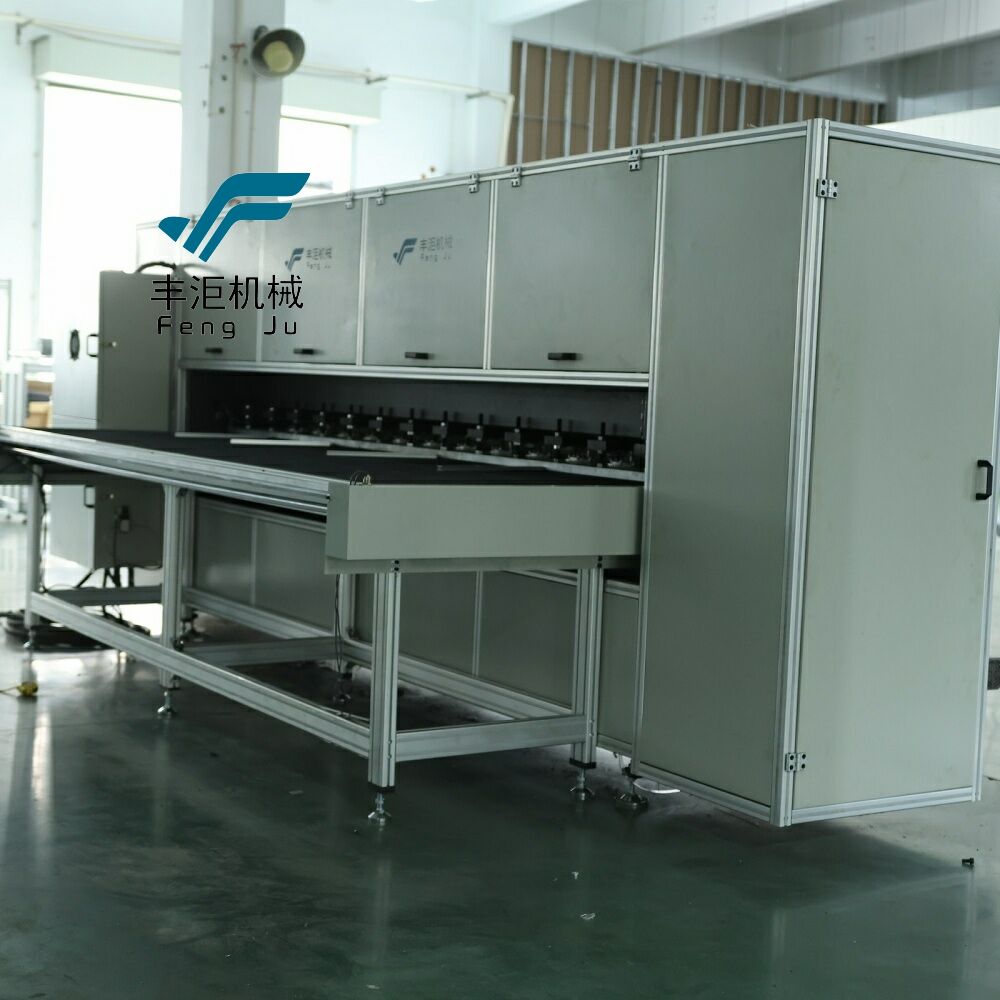
Fabricarea modernă a textilelor a evoluat semnificativ cu introducerea echipamentelor specializate concepute pentru a crea pliuri precise și uniforme în produsele textile. Înțelegerea diverselor tipuri de mașini pentru plisarea draperiilor disponibile pe piața actuală este esențială pentru producătorii care doresc să-și îmbunătățească capacitatea de producție și să răspundă cerințelor diverse ale clienților.
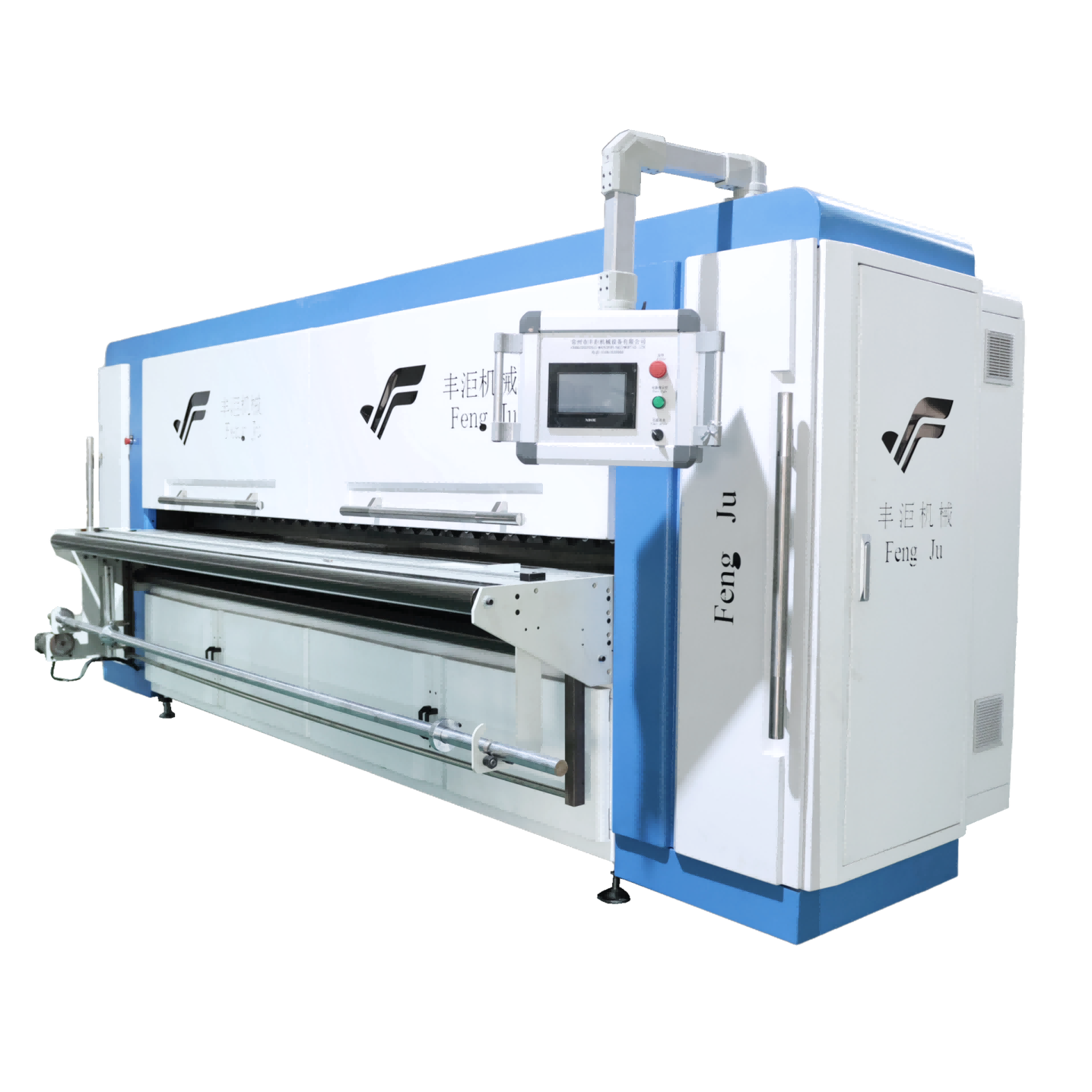
Peisajul actual al mașinilor pentru plisarea draperiilor cuprinde mai multe categorii, fiecare fiind proiectată pentru a satisface anumite cerințe de fabricație, tipuri de materiale textile și volume de producție. De la unitățile compacte, potrivite pentru ateliere mici, până la sisteme de nivel industrial capabile să gestioneze operațiuni de volum mare, diversitatea mașinilor disponibile reflectă nevoile variate ale diferitelor segmente de piață și scenarii de aplicație.
Mașini mecanice pentru plisare
Sisteme cu comandă manuală
Modelele tradiționale de mașini mecanice pentru plisarea draperiilor se bazează pe operare manuală pentru funcțiile de bază de plisare. Aceste sisteme folosesc principii mecanice fundamentale pentru a crea modele de pliere consistente prin mecanisme controlate de operator. Simplitatea designului le face accesibile în medii de producție la scară mică, unde cerințele de precizie sunt moderate, iar volumele de producție rămân gestionabile.
Sistemele mecanice manuale includ, de obicei, comenzi reglabile pentru distanțare, care permit operatorilor să modifice dimensiunile plierilor în funcție de cerințele specifice ale proiectului. Abordarea manuală oferă un control direct asupra procesului de plisare, permițând ajustări imediate atunci când se lucrează cu greutăți diferite de țesătură sau pentru a obține anumite rezultate estetice. Aceste mașini includ adesea elemente de construcție robuste, concepute pentru a rezista utilizării regulate, păstrând în același timp o performanță constantă.
Fluxul operațional implică introducerea materialului textil prin trasee stabilite, în timp ce mecanismele de plisare sunt activate manual la intervale predeterminate. Această abordare asigură faptul că fiecare plis beneficiază de o atenție individuală, deși limitează în mod natural viteza de producție comparativ cu alternativele automate. Categoria de mașini mecanice pentru plisarea draperiilor rămâne relevantă pentru aplicații specializate, unde personalizarea are prioritate față de producția în masă.
Unități mecanice semiautomatizate
Sistemele mecanice semiautomatizate reprezintă un pas evolutiv față de operațiunile pur manuale, integrând componente acționate motorizat, dar păstrând supravegherea operatorului. Aceste variante de mașini pentru plisarea draperiilor combină fiabilitatea mecanică cu o eficiență sporită prin automatizarea selectivă a proceselor repetitive. Integrarea motoarelor electrice sau a sistemelor pneumatice accelerează anumite operațiuni, păstrând în același timp controlul manual asupra ajustărilor critice.
Abordarea hibridă permite producătorilor să obțină o consistență îmbunătățită comparativ cu sistemele complet manuale, evitând în același timp complexitatea asociată automatizării deplinite. Operatorii își păstrează capacitatea de a efectua modificări în timp real, în funcție de comportamentul țesăturii sau de observațiile privind calitatea, asigurând astfel rezultate optime pentru diverse tipuri de materiale. Echilibrul dintre automatizare și control manual se dovedește deosebit de valoros la prelucrarea țesăturilor speciale sau la crearea configurațiilor personalizate de pliuri.
Aceste sisteme dispun adesea de controale programabile pentru distanțarea pliurilor și de reglaje ajustabile ale presiunii, care se adaptează diferitelor caracteristici ale țesăturilor. Caracterul semi-automatizat permite timpi de configurare mai rapizi comparativ cu sistemele manuale, păstrând în același timp flexibilitatea necesară pentru serii de producție scurte sau pentru dezvoltarea prototipurilor. Această categorie este destinată producătorilor care caută o eficiență îmbunătățită fără a renunța în totalitate la abordările operaționale tradiționale.
Sisteme automate digitale de plisare
Operațiuni controlate de calculator
Tehnologia avansată a mașinilor automate pentru plisarea draperiilor integrează sisteme sofisticate de control computerizat care gestionează toate aspectele procesului de plisare. Aceste sisteme folosesc interfețe digitale pentru a programa dimensiunile specifice ale plisurilor, cerințele de spațiere și secvențele operaționale, eliminând astfel o mare parte a intervenției manuale necesare în abordările tradiționale. Precizia obținută prin controlul computerizat depășește în mod semnificativ ceea ce pot oferi în mod constant operațiunile manuale.
Sistemele de control digital permit stocarea mai multor modele de plisuri, permițând comutarea rapidă între diferite configurații fără proceduri extinse de configurare. mașină de pliere a draperiilor mașinile echipate cu astfel de tehnologie pot menține o calitate constantă pe parcursul unor serii de producție îndelungate, în timp ce acceptă și modele complexe de plisuri, care ar fi dificil de realizat manual. Integrarea senzorilor și a mecanismelor de reacție asigură monitorizarea continuă a poziției materialului și a calității formării plisurilor.
Sistemele automate includ în mod tipic caracteristici avansate de siguranță și funcții de detectare a erorilor care minimizează deșeurile de materiale și previn deteriorarea echipamentelor. Controlul computerizat permite o gestionare precisă a tensiunii, reglarea vitezei și coordonarea temporizării, rezultând o uniformitate superioară a pliurilor și o variabilitate redusă a producției. Aceste capacități fac ca sistemele automate să fie deosebit de potrivite pentru medii de producție în volum mare, unde consistența și eficiența sunt esențiale.
Crearea programabilă a modelului
Sistemele moderne automate de plisare a draperiilor se disting prin crearea de modele complexe de pliuri, datorită capacității de creare programabilă a modelului. Aceste sisteme pot genera desene intricate care combină mai multe tipuri de pliuri, dimensiuni variabile și aranjamente sofisticate de spațiere. Caracterul programabil permite producătorilor să dezvolte stiluri de pliuri distinctive sau să îndeplinească cerințe specifice ale clienților fără modificări extensive ale mașinii.
Procesul de creare a modelului implică introducerea digitală a parametrilor de design prin interfețe ușor de utilizat, care transformă conceptele estetice în instrucțiuni mecanice precise. Sistemele avansate susțin biblioteci de modele, unde configurațiile reușite pot fi stocate pentru utilizare ulterioară, optimizând astfel configurarea producției pentru comenzile repetate. Posibilitatea de a previzualiza modelele înainte de executare reduce deșeurile de material și timpul de configurare, asigurând în același timp că produsele finale corespund așteptărilor privind designul.
Programabilitatea modelelor se extinde și la adaptarea diferitelor tipuri de materiale textile prin parametri reglabili care țin cont de caracteristicile materialelor, cum ar fi grosimea, proprietățile de elasticitate și sensibilitatea la căldură. Această adaptabilitate asigură rezultate constante pe diverse selecții de materiale textile, păstrând în același timp integritatea designurilor complexe de pliuri. Această tehnologie permite producătorilor să ofere game mai largi de produse fără a necesita mai multe mașini specializate.
Mașini pentru aplicații speciale
Echipamente pentru plisarea cu fixare termică
Proiectele specializate de mașini pentru plisarea draperiilor includ funcționalități de fixare termică care stabilesc în mod permanent formele plisurilor în materialele sintetice. Aceste sisteme combină acțiunea mecanică de plisare cu aplicarea controlată a căldurii, asigurând menținerea formei plisurilor în urma mai multor cicluri de spălare și pe durata unei utilizări îndelungate. Procesul de fixare termică necesită un control precis al temperaturii și al timpului pentru a obține rezultate optime fără a deteriora materialul.
Echipamentele de fixare termică sunt dotate cu sisteme avansate de monitorizare a temperaturii, care mențin condiții termice constante pe întreaga durată a procesului de plisare. Integrarea elementelor de încălzire în mecanismul de plisare asigură o distribuție uniformă a căldurii pe întreaga lățime a materialului, prevenind supraîncălzirea localizată sau tratamentul insuficient. Aceste sisteme includ adesea zone de răcire care stabilizează formarea plisurilor înainte de eliberarea materialului.
Capacitățile de prelucrare termică permit producătorilor să lucreze cu materiale sintetice sensibile la căldură, care necesită profiluri specifice de temperatură pentru fixarea corectă a pliurilor. Compozițiile diferite ale țesăturilor necesită combinații variate de temperatură și presiune, fapt ce face ca controlul programabil al căldurii să fie esențial pentru obținerea unor rezultate constante. Această specializare face ca sistemele de mașini pentru plisarea draperiilor prin fixare termică să fie deosebit de valoroase pentru producătorii care se concentrează pe materiale sintetice pentru draperii.
Unități de prelucrare pentru mai multe tipuri de țesături
Sisteme avansate specializate de mașini pentru plisarea draperiilor pot prelucra mai multe tipuri de țesături în cadrul unei singure serii de producție, datorită capacităților lor de adaptare la proces. Aceste sisteme reglează automat parametrii de funcționare în funcție de identificarea țesăturii sau de intrarea operatorului, asigurând o formare optimă a pliurilor, indiferent de variațiile materialelor. Versatilitatea reduce nevoia de mai multe mașini specializate, păstrând în același timp standardele de calitate pentru o gamă diversă de țesături.
Unitățile de procesare multi-texțil integrează tehnologia senzorilor care detectează caracteristicile materialelor, cum ar fi grosimea, elasticitatea și textura suprafeței. Aceste informații ghidează ajustarea automată a parametrilor de presiune, viteză și distanțare pentru a obține rezultate constante pe diferite tipuri de materiale. Capacitatea adaptivă se dovedește deosebit de valoroasă pentru producătorii care deservesc segmente de piață diverse, cu preferințe variate în ceea ce privește materialele.
Tehnologia se extinde și la prelucrarea combinațiilor de materiale în cadrul unui singur panou de perdea, permițând crearea unor designuri complexe care includ mai multe tipuri de materiale. Sistemele avansate de control coordonează parametrii de procesare pentru a asigura tranziții fără discontinuități între secțiunile din materiale diferite, menținând în același timp consistența generală a pliurilor. Această capacitate deschide noi posibilități de design pentru producătorii care doresc să-și diferențieze ofertele de produse.
Sisteme industriale de producție
Prelucrare continuă de înalt volum
Operațiunile de producție la scară largă necesită sisteme de mașini pentru plisarea perdelelor, capabile de prelucrare continuă cu o întrerupere minimă. Echipamentele de nivel industrial includ elemente de construcție robuste, concepute pentru a rezista perioadelor lungi de funcționare, menținând în același timp un randament constant calitativ. Aceste sisteme dispun de capacități de prelucrare extinse, care permit utilizarea rolelor largi de material textil și a ciclurilor lungi de producție, fără intervenții frecvente în manipularea materialelor.
Sistemele de prelucrare continuă integrează mecanisme de alimentare cu material care asigură un flux constant de țesătură pe întreaga durată a operației de plisare. Sistemele avansate de control al tensiunii garantează o manipulare uniformă a țesăturii, indiferent de variațiile diametrului rolelor sau de diferențele de greutate ale materialului. Proiectarea industrială a mașinii pentru plisarea perdelelor pune accent pe fiabilitate și ușurința întreținerii, integrând puncte de service accesibile și aranjamente modulare ale componentelor, care facilitează procedurile rutiniere de întreținere.
Sistemele de mare volum adesea includ tehnologii de monitorizare a calității care evaluează în mod continuu precizia formării pliurilor și detectează eventualele probleme înainte ca acestea să afecteze calitatea producției. Sistemele automate de inspecție pot identifica variații ale distanței dintre pliuri, neregularități ale plierii sau inconsistențe ale tensiunii, declanșând acțiuni corective sau avertizând operatorii cu privire la intervențiile necesare. Această abordare proactivă minimizează deșeurile de material și menține eficiența producției.
Soluții integrate pentru linii de producție
Instalările complete ale mașinilor industriale pentru plierea perdelelor se integrează în sistemele mai largi ale liniilor de producție, care coordonează mai multe procese de fabricație. Aceste soluții integrate permit un flux de lucru fără întreruperi, de la pregătirea materialelor textile brute până la ambalarea produsului finit, eliminând manipularea manuală între etapele de prelucrare. Coordonarea dintre diferitele componente ale sistemului optimizează eficiența generală a producției, păstrând în același timp consistența calității.
Integrarea în linia de producție implică sisteme de control sofisticate care coordonează fluxul de materiale, sincronizarea proceselor și verificarea calității pe mai multe stații. Mașina de plisare a draperiilor devine parte a unui sistem automatizat mai larg, care poate include operațiuni de tăiere a materialului textil, finisare a marginilor, atașare a benzii superioare și ambalare. Această abordare cuprinzătoare reduce necesarul de forță de muncă, în timp ce îmbunătățește viteza și consistența producției.
Sistemele integrate includ, de obicei, capacități cuprinzătoare de colectare a datelor, care urmăresc indicatorii de producție, parametrii de calitate și indicatorii de performanță ai echipamentelor. Aceste informații sprijină inițiativele de îmbunătățire continuă și permit programarea întreținerii predictive, minimizând astfel opririle neplanificate. Abordarea bazată pe date ajută producătorii să optimizeze parametrii de producție și să identifice oportunitățile de îmbunătățire a eficienței.
Întrebări frecvente
Ce factori determină cel mai potrivit tip de mașină de plisare a draperiilor pentru o aplicație specifică?
Selectarea unei mașini adecvate pentru plisarea draperiilor depinde de mai mulți factori cheie, inclusiv cerințele de volum de producție, tipurile de materiale textile procesate, complexitatea dorită a plisurilor, spațiul disponibil pe podea și considerentele bugetare. Operațiunile cu volum mare beneficiază, în general, de sisteme automate, în timp ce atelierele mai mici pot găsi mașini manuale sau semiautomate mai potrivite. Caracteristicile materialelor textile, în special diferența dintre cele sintetice și cele naturale, influențează necesitatea funcției de fixare termică.
Cum se compară sistemele automate cu mașinile manuale în ceea ce privește consistența calității plisurilor?
Sistemele automate de plisare a draperiilor oferă, în general, o consistență superioară comparativ cu operațiunile manuale, datorită controlului precis asupra parametrilor de distanțare, presiune și temporizare. Sistemele controlate de computer elimină factorii de variabilitate umană și pot menține o performanță constantă pe întreaga durată a unor serii de producție extinse. Totuși, sistemele manuale oferă o flexibilitate mai mare pentru aplicații personalizate și pentru materiale textile speciale care necesită atenție individuală sau abordări unice de manipulare.
Ce cerințe de întreținere trebuie să se aștepte pentru diferitele tipuri de mașini de plisare?
Cerințele de întreținere variază semnificativ între tipurile de mașini pentru plisarea draperiilor, sistemele mecanice necesitând în mod obișnuit lubrifiere regulată și proceduri de reglare, în timp ce sistemele automate necesită o atenție suplimentară acordată componentelor electronice, senzorilor și sistemelor de comandă. Echipamentele pentru fixarea termică necesită calibrarea periodică a controlului temperaturii și verificarea elementelor de încălzire. Toate sistemele beneficiază de curățare regulată, verificarea alinierii și programarea întreținerii preventive în funcție de intensitatea utilizării și de recomandările producătorului.
Pot mașinile moderne de plisare gestiona eficient atât materialele ușoare, cât și cele grele pentru draperii?
Sistemele avansate de mașini pentru plisarea draperiilor, în special cele cu comenzi programabile, pot gestiona o gamă largă de greutăți ale materialelor prin parametri reglabili de presiune, viteză și tensiune. Unitățile de procesare multi-materiale sunt concepute în mod specific pentru a gestiona tipuri diverse de materiale în cadrul unei singure serii de producție. Totuși, variațiile extreme ale greutății materialelor pot necesita echipamente specializate sau ajustări semnificative ale parametrilor pentru a obține rezultate optime pe întreaga gamă de materiale.
Cuprins
- Mașini mecanice pentru plisare
- Sisteme automate digitale de plisare
- Mașini pentru aplicații speciale
- Sisteme industriale de producție
-
Întrebări frecvente
- Ce factori determină cel mai potrivit tip de mașină de plisare a draperiilor pentru o aplicație specifică?
- Cum se compară sistemele automate cu mașinile manuale în ceea ce privește consistența calității plisurilor?
- Ce cerințe de întreținere trebuie să se aștepte pentru diferitele tipuri de mașini de plisare?
- Pot mașinile moderne de plisare gestiona eficient atât materialele ușoare, cât și cele grele pentru draperii?