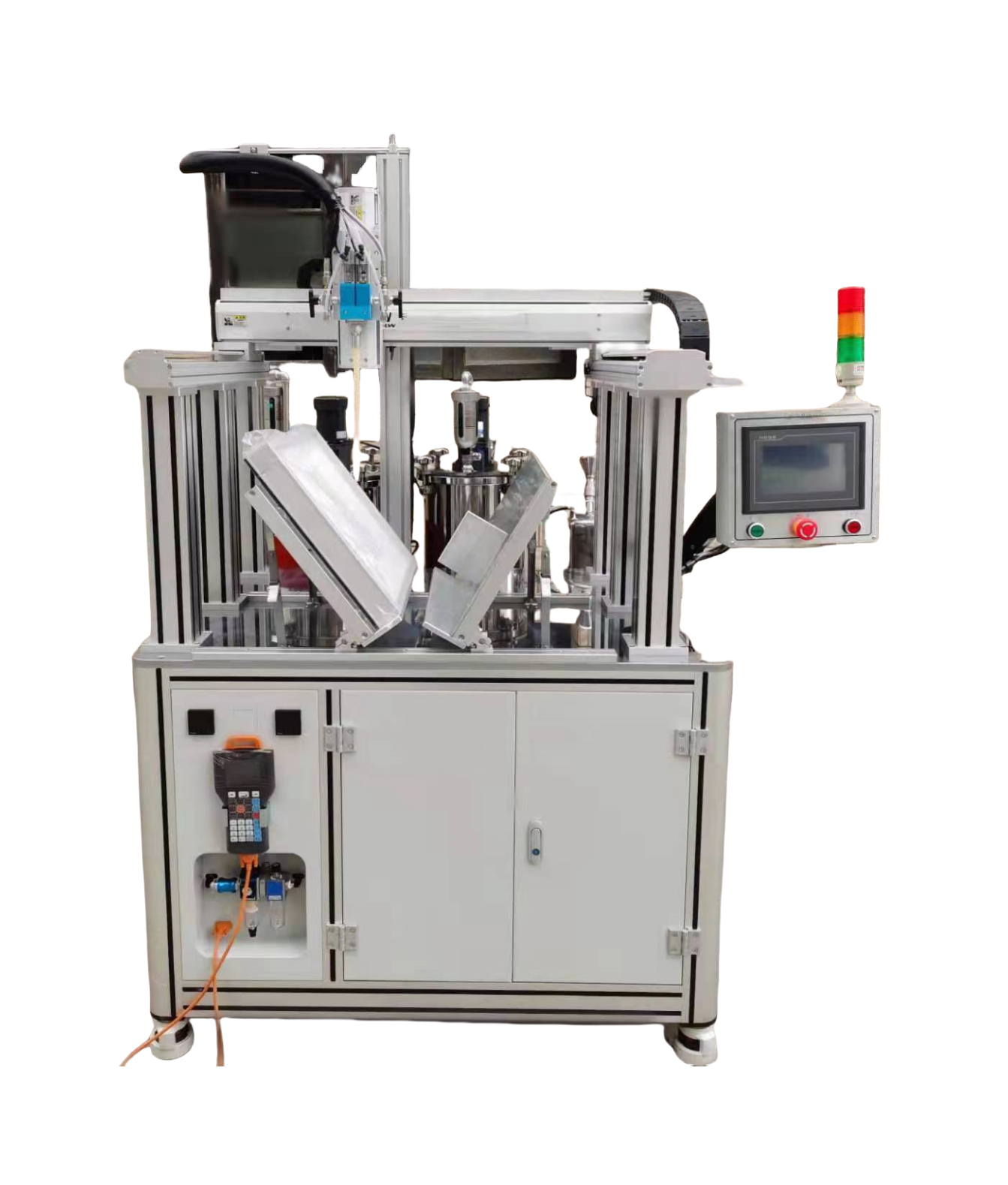
Өнеркәсіптік қолданыстар үшін сәйкес желімдеу машинасын таңдау өндіріс тиімділігіне, сапасына және өндірістің экономикалық тиімділігіне тікелей әсер ететін бірнеше техникалық және операциялық факторларды мұқият ескеруді талап етеді. Қазіргі заманғы өндіріс ортасы әртүрлі материалдарды, әртүрлі өндіріс көлемдерін және қатаң сапа талаптарын қанағаттандыра алатын, сонымен қатар ұзақ уақыт бойы тұрақты жұмыс істеуін сақтайтын дәл желім қолдану жүйелерін талап етеді.

Дұрыс желімдегіш машина таңдау үшін шешім қабылдау процесі сіздің нақты өндірістік талаптарыңызды бағалауды, әртүрлі машина технологияларын түсінуді және осы мүмкіндіктерді сіздің операциялық мақсаттарыңызбен сәйкестендіруді қамтиды. Бұл толық көлемді тәсіл сіздің желімдегіш құрыптарға инвестицияларыңыздың тиімді жұмыс істеуін, шығындарды азайтуын және әртүрлі өнеркәсіптік салаларда ұзақ мерзімді өндірістік мақсаттарды қолдауын қамтамасыз етеді.
Желімдегіш машиналардың түрлері мен технологияларын түсіну
Қолмен және жартылай автоматты жүйелер
Қолмен басқарылатын желімдегіш машиналар операторларға желімді қолдану бойынша тікелей бақылау береді, сондықтан олар кіші сериялы өндіріс, прототиптау немесе жоғары дәлдікті қажет ететін арнайы қолданбалар үшін қолайлы. Бұл жүйелерде әдетте реттелетін ағыс жылдамдығы, ауыстырылатын төртбұрыштар және әртүрлі негіздер мен желім түрлерінде тұрақты нәтижелерге қол жеткізуге мүмкіндік беретін қарапайым операциялық басқару элементтері болады.
Жартылай автоматтық желімдеу машинасының конфигурациялары қолмен басқаруды және толық автоматтандырудың арасындағы аралықты жабады, бағдарламаланатын желімдік үлгілерді, уақыт бойынша бақыланатын қолдану циклдарын және алдын ала орнатылған көлемдік басқаруды ұсынады. Бұл жүйелер кейбір операторлардың қатысуы қабылданатын орта көлемдегі өндіріс ортасында тиімді жұмыс істейді, таза қолмен орындалатын әдістерге қарағанда тұрақтылықты жақсартады және операциялық икемділікті сақтайды.
Қолмен және жартылай автоматтық жүйелерді таңдау көбінесе өндіріс көлемінің талаптарына, операторлардың біліктілік деңгейіне және қайталанғыштық қажеттілігіне байланысты болады. Таңдаулы немесе төмен көлемдегі өнімдермен жұмыс істейтін салалар көбінесе бұл жүйелердің ұсынатын икемділігінен пайда көреді, ол жылдам ауысуға және арнайы қолдану әдістеріне мүмкіндік береді.
Толық автоматтандырылған және роботтық интеграция
Толығырақ автоматтандырылған желімдеу машиналары — желімді қолдану технологиясының жоғарғы шыңын көрсетеді; оларға компьютерлік басқарылатын желімді құю жүйелері, дәл орналастыру механизмдері мен интеграцияланған сапа бақылау функциялары тән. Бұл жүйелер тұрақтылық, жылдамдық және оператордың аз қатысуы — негізгі сәттілік факторлары болып табылатын жоғары көлемді өндіріс ортасында өте жақсы көрсеткішке ие.
Роботтық желімдеу машинасын интеграциялау автоматтандыруды одан әрі дамытады: желімді құюды бағдарламаланатын қозғалыс үлгілерімен, көп осьті орналастырумен және күрделі траектория жоспарлау мүмкіндіктерімен ұштастырады. Бұл жүйелер кеңістіктегі (3D) беттерді өңдей алады, күрделі желімдеу үлгілерін қадағалайды және әртүрлі өнім геометриясына бейімделеді, сонымен қатар желімді дәл орналастыру мен көлемін бақылауды сақтайды.
Қазіргі заманғы автоматты жүйелер жиі сапа қамтамасыз ету бағдарламаларын және үздіксіз жақсарту іс-шараларын қолдауға арналған нақты уақытта бақылау, болжамды техникалық қызмет көрсету туралы ескертпелер және деректерді тіркеу мүмкіндіктері сияқты функцияларды қамтиды. Осы жетілдірілген жүйелерге инвестициялар еңбек шығындарын төмендету, тұрақтылықты жақсарту және өндірістік қуатты арттыру арқылы табыс әкеледі.
Өндіріс талаптары мен материалдардың үйлесімділігін бағалау
Көлем мен жылдамдық ескертулері
Клей машинасын таңдауда өндіріс көлемі талаптары маңызды рөл атқарады, өйткені әртүрлі технологиялар әртүрлі өткізу қабілеті мен жұмыс сипаттамаларын ұсынады. Төмен көлемді қолданыстар үшін дәлдік беретін, бірақ қажетті капиталдық инвестициялар мен күрделі орнату процедураларын қажет етпейтін икемді қолдан және жартылай автоматты жүйелер пайдалы болуы мүмкін.
Жоғары көлемді өндіріс ортасы әдетте тұрақты желім қолдану жылдамдығын сақтауға, минималды тоқтатуларға және бар өндіріс желілерімен интеграциялануға қабілетті автоматтандырылған желімдеу машиналарын талап етеді. Бұл жүйелер ұзақ уақыт бойы сенімді жұмыс істеуі тиіс және жалпы желі талаптарына сәйкес келетін жылдамдықпен дәл желім орналастыруын қамтамасыз етуі керек.
Жылдамдыққа қойылатын талаптар тек шикі өнімділіктен асады, сонымен қатар жабдықтың бір өнімнен екіншісіне ауысу уақыты, тазалау процедуралары мен жөндеу талаптары да кіреді. Ең тиімді желімдеу машинасын таңдау максималды өндіріс жылдамдығы мен операциялық икемділікті теңестіру болып табылады; бұл өндірушілерге сапа стандарттарын бұзбай, өнім талаптарының өзгеруіне немесе қосымша тапсырыстарға жылдам реакция беруге мүмкіндік береді.
Желімнің қасиеттері мен тұтқырлық талаптары
Әртүрлі клейлік құрамдардың дозалау жабдықтарынан белгілі бір өңдеу сипаттамаларын талап етуі, материалдың үйлесімділігін таңдаудың маңызды факторы болып табылады. Төмен тұтқырлықты клейлер кіші тесіктер мен жіңішке дозалау ұштары арқылы оңай ағады, сондықтан артық қолдануды және шығындарды болдырмау үшін дәл ағыс бақылауы қажет; ал жоғары тұтқырлықты материалдарға берік сорғылау жүйелері мен ірі дозалау ашылулары қажет.
Қыздырылатын клейлер клей машинасы жүйелері үшін ерекше қиындықтар туғызады: олар ағыс сипаттамаларын сақтау үшін температураны реттеу мүмкіндігін, қыздырылатын сыйымдылықтарды және жылумен басқарылатын дозалау желілерін талап етеді. Осы жүйелер операторларды жоғары температурадағы материалдардан қорғау үшін қауіпсіздік функцияларын қосымша қамтиды, сонымен қатар клейдің қызу нәтижесінде тозуын болдырмау қажет.
Эпоксидтік немесе полиуретандық сияқты реакциялық клейлердің қосылуы үшін арнайы араластыру жабдығы, дәл қатынас бақылауы және клей машинасында ерте қатаятындықты болдырмау үшін жылдам дозалау қажет болуы мүмкін. Осы материалға тән талаптарды түсіну сіздің таңдалған жүйенің қазіргі клей құрамдарымен жұмыс істеуін қамтамасыз етеді, сонымен қатар келешекте материалдардың өзгеруіне икемділік береді.
Техникалық сипаттамалар мен өнімділік критерийлері
Дәлдік және нақтылық талаптары
Дәлдік талаптары әртүрлі өнеркәсіптік қолданыстарда әртүрлі болады: құрылымдық бекіту үшін кең аумақты қамтудан электрондық жинақтаудағы микродоттық қолданыстарға дейін. Таңдалған клей машинасы сіздің нақты қолданысыңызға сәйкес дәлдік деңгейін көрсетуі тиіс, ол үшін орналастыру дәлдігі мен көлемдің қайталанатын циклдар бойынша тұрақтылығы ескерілуі қажет.
Қазіргі заманғы дәлдік желімдеу машиналары жиі тұйық циклды кері байланыс басқару жүйелерін, көрінетін бағдарланған орналастыру және жұмыс істеу шарттары өзгерген кезде де тұрақты жұмыс істеуді қамтамасыз ететін нақты уақытта бақылау мүмкіндіктерін қолданады. Бұл сипаттамалар желімді орналастыру өнімнің қызмет көрсетуіне немесе эстетикалық пішініне тікелей әсер ететін қолдануларда маңызды болып табылады.
Дәлдік талаптарын өлшеу мен құжаттау – жабдықты бағалау үшін анық жұмыс істеу көрсеткіштерін орнатуға және әртүрлі желімдеу машиналарының нұсқаларын салыстыру үшін объективті критерийлер беруге көмектеседі. Бұл тәсіл сіздің инвестицияңыздың өнім сапасы мен өндірістік тұрақтылықта өлшенетін жақсартулар әкелуін қамтамасыз етеді.
Қоршаған факторлар мен қауіпсіздік туралы есептер
Өнеркәсіптік желімдеу құрылғысының жұмысы шығарылатын зиянды заттар, қалдықтардың пайда болуы және еңбек қауіпсіздігі бойынша экологиялық нормаларға сай болуы тиіс. Еріткіштік негізде жасалған желімдермен жұмыс істейтін жүйелердің қауіпсіз жұмыс істеуі мен нормативті талаптарға сәйкестігін қамтамасыз ету үшін қажетті желдету, буланған заттарды қайта өңдеу және жарылысқа төзімді электр құрылғылары қажет.
Желімдегі материалдар мен желімдегі құрылғылардың температура мен ылғалдылыққа сезімталдығы жүйені таңдауды әсіресе дәл ауа-райы реттеуі жоқ өндірістік орындарда әсер етеді. Тұрақты жұмыс істеуге қабілетті желімдеу құрылғылары ауа-райы өзгерістеріне қарсы компенсациялау механизмдерін қамтиды, олар әртүрлі жұмыс режимдерінде тұрақты нәтиже беруге кепілдік береді.
Авариялық тоқтату басқаруы, қорғаныс қабырғалары және автоматтандырылған өшіру жүйелері сияқты қауіпсіздік функциялары операторларды қорғайды және аномальды жұмыс жағдайлары кезінде құрылғылардың зақымдануын болдырмауға көмектеседі. Бұл факторлар құрылғыларды таңдаған кезде әсіресе маңызды болып табылады жібек машинасы қатал қауіпсіздік талаптары бар немесе техникалық қолдау мүмкіндіктері шектеулі объектілер үшін жүйелер.
Интеграция және жұмыс істеу факторлары
Қолданыстағы жабдықпен үйлесімділік
Сәтті клей машинасының интеграциясы үшін қолданыстағы өндірістік жабдықтар, басқару жүйелері мен материалдарды өңдеу инфрақұрылымын мұқият ескеру қажет. Қолданыстағы бағдарламалық логикалық басқарушылар, адам-машина интерфейстері және байланыс протоколдарымен сәйкестік орнатылған жағдайда орнату процесі тегіс өтеді және қолданыстағы жүйелерге кең көлемді өзгерістер енгізуге тура келмейді.
Физикалық интеграцияға байланысты қарастырылатын факторларға қолжетімді еден аумағы, қосымша қызмет көрсету талаптары, сондай-ақ жабдықтың техникалық қызмет көрсетуі мен өзгерту процедуралары үшін қолжетімділік жатады. Таңдалған клей машинасы өндірістік орналасуға сыйып, операторлар мен техникалық қызмет көрсету персоналы үшін рутинды операцияларды тиімді орындауға қолжетімділік қамтамасыз етуі тиіс.
Деректерді интеграциялау мүмкіндіктері заманауи желілеу машинасы жүйелерінің кәсіпорын ресурстарын жоспарлау жүйелерімен, сапа басқару дерекқорларымен және болжамды техникалық қызмет көрсету платформаларымен байланысуына мүмкіндік береді. Бұл байланыс толық өндіріс бақылауын қолдайды және үнемі жақсарту бағдарламалары үшін деректерге негізделген шешім қабылдауды қамтамасыз етеді.
Жөндеу және қолдау талаптары
Желілеу машинасы жүйелері үшін жалпы иелену құнына үнемі техникалық қызмет көрсету талаптары әсер етеді, сондықтан жөндеуге қол жетімділігі мен қолдау қолжетімділігі – жүйелерді таңдау критерийлерінің маңызды элементтері болып табылады. Техникалық қызмет көрсету процедуралары жеңілдетілген, ауыстырғыш бөлшектер оңай қолжетімді және толық құжаттамасы бар жүйелер жабдықтың пайдалану мерзімі ішінде тоқтатулар мен операциялық шығындарды азайтады.
Жабдық өндірушілерінің техникалық қолдауы қызметкерлерді даярлау бағдарламаларын, қашықтан диагностикалау мүмкіндіктерін және жауап беруге қабілетті алаңдық қызмет көрсетуін қамтиды. Бұл қызметтер бастапқы орнату кезінде, процесті оптимизациялау кезінде және күрделі операциялық мәселелерді талдау кезінде ерекше маңызды болып табылады.
Алдын ала техникалық қызмет көрсету жоспары мен болжамды техникалық қызмет көрсету мүмкіндіктері кездейсоқ тоқтап қалуларды азайтуға және жабдықтың жұмыс істеу сапасын оптималдауға көмектеседі. Қазіргі заманғы желімдеу машиналарының жүйелері жиі өте маңызды параметрлерді бақылайтын автоматтандырылған бақылау функцияларын қамтиды және мүмкін болатын техникалық қызмет көрсету қажеттіліктері туралы алдын ала ескерту береді.
Шығындарды талдау және Қайтарымдылық
Бастапқы капиталдық инвестицияларды бағалау
Желімдеу машиналарының жүйелері үшін капиталдық шығындарды бағалау бастапқы жабдықтарды сатып алу шығындарынан тыс, орнату, қызметкерлерді даярлау және жүйені интеграциялау шығындарын да қамтиды. Толық шығындарды талдау барлық іске қосуға байланысты шығындарды ескере отырып, дәл бюджеттік жоспарлау мен нақты қайтарымдылық көрсеткіштерін бағалауға мүмкіндік береді.
Финансылау нұсқалары мен жабдықтарды жалға алу бағдарламалары таңдау процесіне әсер етуі мүмкін, соның ішінде шағын өндірушілер немесе шектеулі капиталдық бюджеті бар өндірушілер үшін. Қолжетімді финансылау нұсқаларын түсіну қажетті өндірістік қуаттылықтарды игеру арқылы қаржы ағымын оптималдауға және бизнес өсуі мен бәсекеге қабілеттілігін қамтамасыз етуге көмектеседі.
Әртүрлі желімдеу машиналарының технологиялары бойынша капиталдық шығындарды салыстыру үшін қосылған функциялар, өнімділік мүмкіндіктері және болашақтағы модернизациялау қабілетін ұқыпты талдау қажет. Ең төменгі бастапқы құны бар нұсқа қажетті функцияларды немесе болашақ талаптарға сай модернизациялау қабілетін қамтамасыз етпесе, ең жақсы ұзақ мерзімді құндылықты бермеуі мүмкін.
Желімдеу машинасы жүйелерінің жұмыс істеу шығындары мен тиімділігін талдау
Желімдеу машинасы жүйелерінің жұмыс істеу шығындарына желімдің тұтынуы, энергия шығыны, жөндеу шығындары және еңбек ресурстарының қажеттілігі кіреді. Тиімді жүйелер дәл қолдану басқаруы арқылы желімдің шығынын азайтады, оптималды қыздыру мен сорғылау жүйелері арқылы энергия шығынын азайтады және күнделікті операциялар үшін оператордың араласуын азайтады.
Автоматтандырылған желімдеу машиналары жүйелерінің құнын төмендету – бұл еңбекақыны төмендету, әсіресе жоғары еңбекақылы нарықтарда немесе жоғары білікті операторларды талап ететін қолданбаларда маңызды артықшылық. Бұл үнемділікті сандық бағалау үшін қазіргі уақыттағы еңбек күшінің қажеттілігін, еңбекақы ставкаларын және автоматтандыру арқылы қол жеткізілетін өнімділіктің артуын талдау қажет.
Сапаның жақсаруы мен қайта жасау көрсеткіштерінің төмендеуі материалдардың шығынын азайтуға, тексеру талаптарын төмендетуге және тұтынушылардың қанағаттануын арттыруға ықпал етеді, осылайша жалпы шығындарды төмендетеді. Бұл артықшылықтар сапаға қойылатын талаптар жоғары болатын қолданбалар үшін дәл желімдеу машиналары жүйелеріне бастапқы жоғары инвестициялардың тиімділігін негіздейді.
Жиі қойылатын сұрақтар
Әртүрлі желімдеу машинасы технологияларын таңдаған кезде қандай факторларға басымдық беруім керек?
Негізгі факторлар ретінде өндіріс көлемінің талаптарын, дәлдік талаптарын және материалдардың үйлесімділігін басымдықпен қарастырыңыз. Жоғары көлемді өндіріс әдетте автоматтандырылған жүйелерден пайда болады, ал төмен көлемді немесе арнайы қолданылатын жағдайлар үшін қолмен немесе жартылай автоматты желімдеу машиналары тиімдірек болуы мүмкін. Ең тиімді технологиялық шешімді қабылдау үшін сіздің желім түрлеріңізге, қажетті дәлдік деңгейлеріне және қолда бар жабдықтармен интеграциялау талаптарына назар аударыңыз.
Желімдеу машинасыңыздың автоматтандыру деңгейін қалай анықтауға болады?
Оптималды автоматтандыру деңгейін анықтау үшін өндіріс көлеміңізді, тұрақтылық талаптарыңызды және қолжетімді білікті еңбек күшіңізді бағалаңыз. Қолмен басқарылатын жүйелер білікті операторлары бар төмен көлемді қолданыстар үшін жақсы жұмыс істейді, жартылай автоматты жүйелер кейбір айнымалылықтары бар орта көлемді өндіріс үшін қолайлы, ал толық автоматтандырылған желімдеу машиналары тұрақты сапа мен аз еңбек шығыны қажетті жоғары көлемді ортада үздіксіз жұмыс істейді.
Ұзақ мерзімді желімдеу машинасының жұмыс істеу сапасын қамтамасыз ету үшін қандай техникалық қызмет көрсету факторлары ең маңызды?
Қол жетімді компоненттері бар, орынбасушы бөлшектері оңай табылатын және толық техникалық қызмет көрсету құжаттамасы бар жүйелерге назар аударыңыз. Күнделікті тазалау процедураларының күрделілігін, компоненттерді алмастыру жиілігін және техникалық қолдау қолжетімділігін ескеріңіз. Сіздің техникалық қызмет көрсету мүмкіндіктеріңізге сәйкес келетін және кенеттен тоқтауларды азайту үшін болжамды техникалық қызмет көрсету функцияларын қамтитын желімдеу машинасын таңдаңыз.
Таңдалған желімдеу машинасыңыздың болашақта өндірістегі өзгерістерге икемді болуын қалай қамтамасыз еруге болады?
Модульдік дизайнмен, жаңартылу мүмкіндігімен және өзгеріп отырған өндірістік талаптарға бейімделу қабілеті бар бағдарламалауға ие жүйелерді таңдаңыз. Кеңейтілетін конфигурациялары, көптеген желім түрлерімен сәйкес келуі және болашақтағы автоматтандыру жабдықтарымен интеграциялану мүмкіндігі бар желімдеу машинасы жүйелерін қарастырыңыз. Өндірушінің ескі жабдықтарды қолдау тәжірибасын және өндірістің дамуына байланысты қажеттіліктерге сай жаңарту жолдарын ұсынуын бағалаңыз.
Мазмұны
- Желімдегіш машиналардың түрлері мен технологияларын түсіну
- Өндіріс талаптары мен материалдардың үйлесімділігін бағалау
- Техникалық сипаттамалар мен өнімділік критерийлері
- Интеграция және жұмыс істеу факторлары
- Шығындарды талдау және Қайтарымдылық
-
Жиі қойылатын сұрақтар
- Әртүрлі желімдеу машинасы технологияларын таңдаған кезде қандай факторларға басымдық беруім керек?
- Желімдеу машинасыңыздың автоматтандыру деңгейін қалай анықтауға болады?
- Ұзақ мерзімді желімдеу машинасының жұмыс істеу сапасын қамтамасыз ету үшін қандай техникалық қызмет көрсету факторлары ең маңызды?
- Таңдалған желімдеу машинасыңыздың болашақта өндірістегі өзгерістерге икемді болуын қалай қамтамасыз еруге болады?