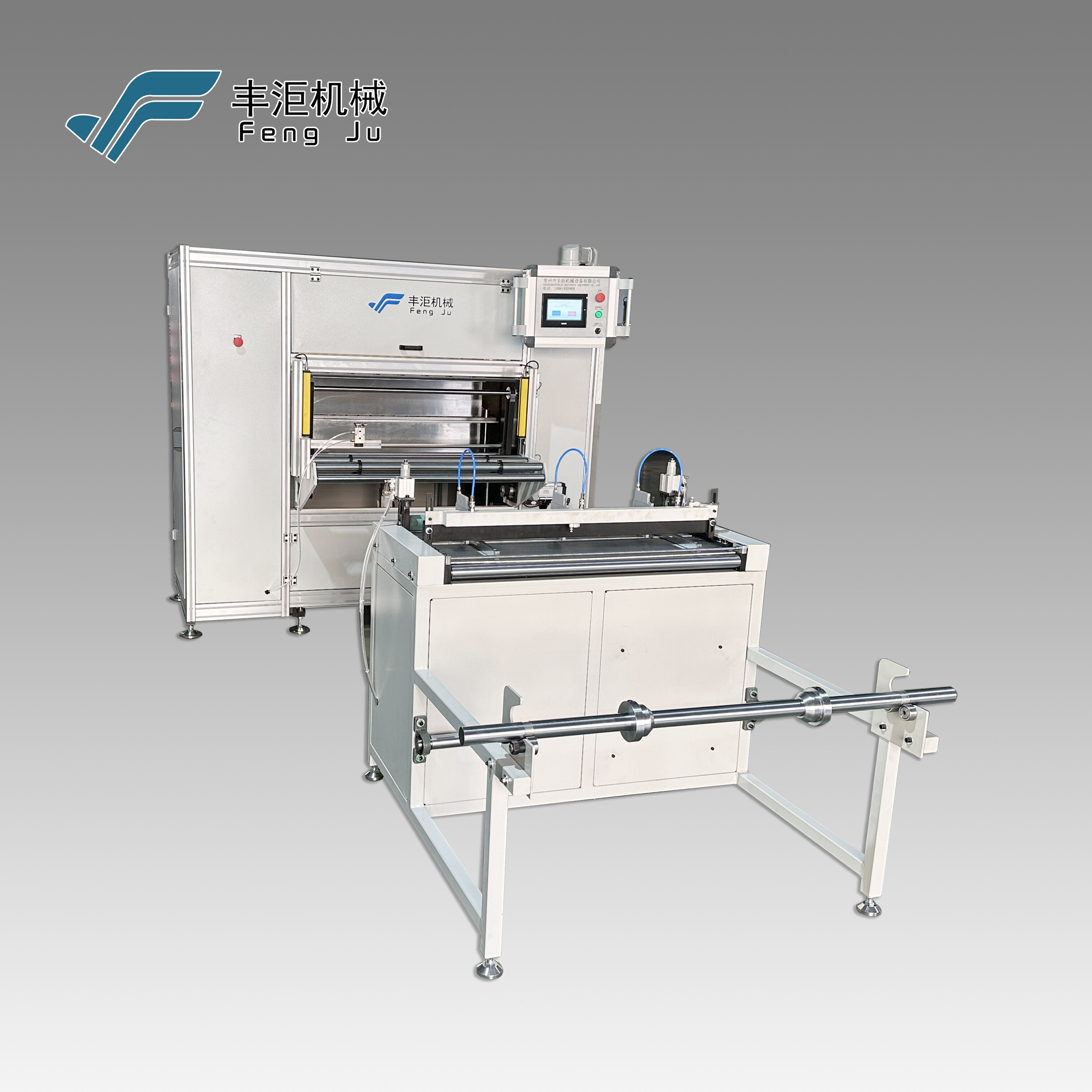
Ფილტრების კრავის ტექნოლოგია ბოლო წლებში განიცადა შესამჩნევი ტრანსფორმაცია, რაც გამოწვეულია ფილტრაციის უფრო მაღალი ეფექტურობის, მდგრადობის და წარმოების სიზუსტის მიმართ მატულები მოთხოვნებით. ახალგაზრდული ფილტრების კრავის ინოვაციები მოიცავს განვითარებულ ავტომატიზაციის სისტემებს, გარემოს დაცვის პრინციპებზე დაფუძნებულ მასალებს და საკმაოდ რთულ გადახვევის მექანიზმებს, რომლებიც მნიშვნელოვნად აუმჯობესებენ როგორც პროდუქტის ხარისხს, ასევე წარმოების ეფექტურობას. ამ ტექნოლოგიური გამოგონებები აცვლის მწარმოებლების მიდგომას ფილტრის ელემენტების დიზაინის მიმართ და საშუალებას აძლევს მათ მკაცრი სამუშაო სტანდარტების დაკმაყოფილებას, რაც ერთდროულად შემცირებს გარემოზე მოქმედებას და ოპერაციულ ხარჯებს.
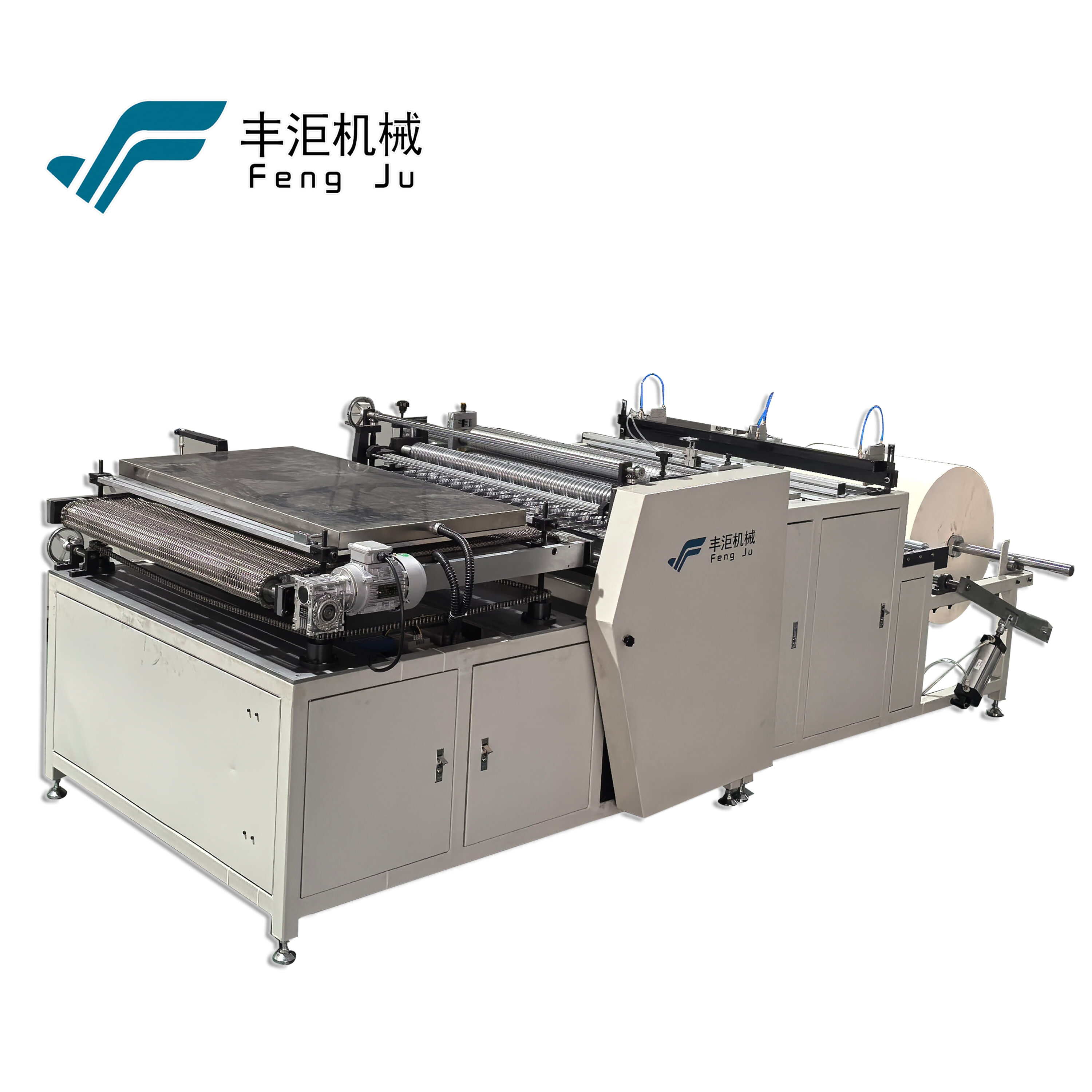
Ფილტრების პლეტირების ტექნოლოგიის ევოლუცია წარმოადგენს მექანიკური ინჟინერიის შესანიშნავობის, მასალების მეცნიერების წინაღედგების და ციფრული მართვის ინტეგრაციის კონვერგენციას. დღევანდელი ინოვაციები მიმართულია ზუსტი და მუდმივი პლეტების შექმნაზე, რომლებიც მაქსიმიზირებენ ზედაპირის ფართობს, ხოლო ერთდროულად ინარჩუნებენ სტრუქტურულ მტკიცებულებას სხვადასხვა ექსპლუატაციური პირობებში. ეს განვითარებები განსაკუთრებით მნიშვნელოვანია იმ სამრეწველოებში, რომლებიც მოითხოვენ ულტრა-სუფთა გარემოს, მაგალითად, ფარმაცევტულ ინდუსტრიაში, ელექტრონიკის წარმოებაში და აეროკოსმოსურ აპლიკაციებში, სადაც ფილტრების ეფექტურობა პირდაპირ აისახება პროდუქტის ხარისხზე და უსაფრთხოების სტანდარტებზე.
Თანამედროვე ფილტრების პლეტირების განვითარებული ავტომატიზაციის სისტემები
Ზუსტი კონტროლის მექანიზმები
Თანამედროვე ფილტრების კრავის მანქანები შეიცავს სრულყოფილ სერვო-მძრავ სისტემებს, რომლებიც უზრუნველყოფს კრავების ჩამოყალების უწინარეს სიზუსტეს. ეს ავტომატიზებული სისტემები იყენებენ განვითარებულ სენსორებსა და უკუკავშირის მარყუჯებს კრავების სიმაღლის, მანძილებს შორის მანძილებს და სიღრმის მუდმივობის დასაცავად მთელი წარმოების პროცესის განმავლობაში. პროგრამირებადი ლოგიკური კონტროლერების ინტეგრაცია საშუალებას აძლევს ოპერატორებს საკმარისად ზუსტად მართონ გადახვევის პარამეტრები, რის შედეგადაც მიიღება ფილტრების ელემენტები, რომლებსაც მთელი წარმოების სერიის განმავლობაში ჰარმონიული სამუშაო მახასიათებლები ახასიათებს.
Თანამედროვე ფილტრების პლეტირების აღჭურვილობა იყენებს რეალური დროის მონიტორინგის სისტემებს, რომლებიც უწყვეტად აფასებენ პლეტების ხარისხს მათი ჩამოყალების დროს. ეს სისტემები შეძლებენ მასალის სისქის ცვლილებების, დაძაბულობის არეგულარობების ან გადაკეპვის არეგულარობების გამოვლენას და ავტომატურად შეასწორებენ ექსპლუატაციურ პარამეტრებს პლეტების ოპტიმალური გეომეტრიის შესანარჩუნებლად. ამ ავტომატიზაციის დონე მნიშვნელოვნად ამცირებს ადამიანის შეცდომებს და უზრუნველყოფს იმ ფაქტს, რომ ყველა ფილტრის ელემენტი აკმაყოფილებს ზუსტ სპეციფიკაციებს ჰაერის ნაკადის წინააღმდეგობისა და ნაკლები ნაწილაკების შეკავების ეფექტურობის მიხედვით.
Ინტელექტუალური მასალების მართვა
Ბოლო დროის ინოვაციები ფილტრების პლეტირების ტექნოლოგიაში მოიცავს ინტელექტუალურ მასალის მიწოდების სისტემებს, რომლებიც ადაპტირდებიან სხვადასხვა ტიპის და სისქის მედიას. ეს სისტემები იყენებენ განვითარებულ დაძაბულობის კონტროლის მექანიზმებს და მასალის მიმართვის საშუალებებს, რომლებიც აძლევენ საშუალებას სხვადასხვა ტიპის ფილტრის მასალების გამოყენებას პლეტირების პროცესში მათ დაზიანების ან დეფორმაციის გარეშე. სხვადასხვა ტიპის მედიას შორის უწყვეტი გადასვლელობის შესაძლებლობა ერთი წარმოების ციკლის განმავლობაში ამაღლებს წარმოების მოქნილობას და ამცირებს რეჟიმის შეცვლის დროს დაკარგულ დროს.
Ჭკვიანური მასალების მოძრავების სისტემები ასევე მოიცავს ნარჩენების შემცირების ფუნქციებს, რომლებიც ოპტიმიზაციას ახდენენ ფილტრების გარემოების დროს მასალების გამოყენებას. ეს სისტემები არჩევენ ოპტიმალურ კვეთის ნიმუშებსა და გარემოების კონფიგურაციებს მასალების ნარჩენების მინიმიზაციის და ფილტრის ზედაპირის ფართობის მაქსიმიზაციის მიზნით. საერთაშორისო პროგრამული უზრუნველყოფის ალგორითმები ანალიზის ქვეშ აყენებენ მასალების თვისებებს და ავტომატურად არეგულირებენ კვეთისა და გადახვევის პარამეტრებს, რათა ძვირადღირებული ფილტრაციის მედიის ყველაზე ეფექტურად გამოყენება მოხდეს.
Გარემოს დაცვის მიზნით შექმნილი ფილტრების გარემოების ინოვაციები
Ენერგოეფექტური წარმოების პროცესები
Უახლესი ფილტრების გაჯერების ტექნოლოგია აკეთებს აკცენტს ენერგიის ეფექტურობაზე, რაც მიიღწევა ინოვაციური ძრავების სისტემებისა და ოპტიმიზებული მეхანიკური დიზაინების საშუალებით. ცვალებადი სიხშირის მარეგულირებლები საშუალებას აძლევენ ძრავის სიჩქარისა და მომენტის სრულყოფილად მარეგულირებლად მართვას, რაც ამცირებს ენერგიის მოხმარებას და ერთნაირი ხარისხის გაჯერებების ფორმირებას უზრუნველყოფს. ამ ენერგიის ეფექტური სისტემები შეძლებენ ელექტროენერგიის მოხმარების 40%-მდე შემცირებას ტრადიციული გაჯერების აღჭურვილობასთან შედარებით, რაც მათ უფრო მიმზიდველ არჩევანს ხდის მწარმოებლებისთვის, რომლებიც მიმართულნი არიან მდგრადი განვითარების და ოპერაციული ხარჯების შემცირების მიზნებზე.
Ამჟამინდელი ფილტრების გაჯერების მანქანები ასევე შეიცავენ რეგენერაციული საჭანავე სისტემებს, რომლებიც გაჯერების ციკლის დამანებების ფაზებში ენერგიას იკრებენ და ხელახლა იყენებენ. ამ აღდგენილი ენერგია სისტემის ელექტრომომარაგებაში ისევ შეიტანება, რაც საერთო ენერგიის მოხმარებას კიდევე მეტად ამცირებს. ამასთანავე, განვითარებული და დამაცველებული სითბოიზოლაცია და სითბოს აღდგენის სისტემები მინიმიზაციას ახდენენ სითბოს დაკარგვას, რაც უზრუნველყოფს ფილტრების გაჯერების პროცესებში სითბოს გამოყენების ეფექტურობას.
Ბიოდეგრადირებადი და რეციკლირებადი მასალების თავსებადობა
Ამჟამინდელი ფილტრების პლეტირების ინოვაციები მოიცავს გაუმჯობესებულ თავსებადობას გარემოს დაცვის მიზნით შექმნილი ფილტრების საშუალებების მასალებთან. თანამედროვე პლეტირების სისტემები შეძლებს ეფექტურად დამუშავებას ბიოდეგრადირებადი სინთეტიკური ბოჭკოების, რეციკლირებული მასალების და სხვა მდგრადი მედიის ვარიანტების გარეშე პლეტების ხარისხის ან სტრუქტურული მტკიცების დაკარგვის. ეს შესაძლებლობები მწარმოებლებს საშუალებას აძლევს მოერგონ გარემოს დაცვის მიზნით შექმნილი ფილტრების მოთხოვნის ზრდას ბაზარზე, ხოლო ერთდროულად შეინარჩუნონ მაღალი შესრულების სტანდარტები.
Განვითარებული ფილტრის კრემლების ტექნოლოგია ასევე ხელს უწყობს ადვილად რეციკლირებადი ფილტრის ელემენტების შექმნას სპეციალიზებული გადახვევის ტექნიკების მეშვეობით, რომლებიც საბოლოო სარგებლობის დასრულების შემდეგ მასალების გამოყოფას ამარტივებს. ამ ინოვაციებში შედის კრემლების მეთოდები, რომლებიც მინიმუმამდე ამცირებენ ლეპტოს გამოყენებას და ქმნიან ფილტრის ელემენტებს, რომლებიც მასალების აღდგენის მიზნით უფრო ადვილად დაიშლება. ეს მიდგომა შეესაბამება წრიული ეკონომიკის პრინციპებს და დახმარებას აძლევს წარმოებლებს მათ უფრო მკაცრი გარემოს დაცვის რეგულაციების შესრულებაში.
Ციფრული ინტეგრაცია და განათლებული შემუშავება
Ინტერნეტ საოცნების კავშირგაბმულობა
Ინტერნეტის საგარეო საშუალებების (IoT) ტექნოლოგიის გამოყენება ფილტრების კრეპირების მოწყობილობაში საშუალებას აძლევს სრულად მონიტორინგის და პრედიქტიული მომსახურების შესაძლებლობების განხორციელებას. კრეპირების მანქანებში მოთავსებული ჭკვიანი სენსორები რეალურ დროში აგროვებენ მონაცემებს ექსპლუატაციური პარამეტრების, მასალის მოხმარების და მოწყობილობის მუშაობის შესახებ. ეს მონაცემები გადაიგზავნება ღრუბლოვან ანალიტიკურ პლატფორმებზე, რომლებიც მიაწოდებენ ინფორმაციას წარმოების ეფექტურობის, ხარისხის ტენდენციების და მომსახურების საჭიროებების შესახებ, რაც წარმოებლებს საშუალებას აძლევს პროაქტიულად ოპტიმიზირების თავისი ფილტრების კრეპირების ოპერაციები.
IoT-შეძლებელი ფილტრების კრავის სისტემები ასევე ხელს უწყობს დაშორებულ მონიტორინგსა და პრობლემების აღმოჩენას, რაც ამცირებს დასაშვებ დროს და მომსახურების ხარჯებს. ტექნიკოსებს შეუძლიათ დაშორებულად მივიდნენ აღჭურვილობის მონაცემებზე, დიაგნოსტიკურად განსაზღვრონ პრობლემები და საერთოდ არ იყვნენ წარმოების საწარმოში ფიზიკურად არსებული, რათა შეცვალონ ექსპლუატაციური პარამეტრები. ეს შესაძლებლობა განსაკუთრებით მნიშვნელოვანია მწარმოებლებისთვის, რომლებიც მართავენ რამდენიმე წარმოების ადგილს ან მოითხოვენ 24/7 წარმოების განრიგს კრიტიკული ფილტრაციის აპლიკაციებისთვის.
Ხელოვნური ინტელექტი და მანქანური სწავლა
Უახლესი ფილტრების კრავის ტექნოლოგია მოიცავს ხელოვნური ინტელექტის ალგორითმებს, რომლებიც უწყვეტად სწავლობენ წარმოების მონაცემებიდან და ავტომატურად ამარტივებენ კრავის პარამეტრებს. ეს სისტემები ანალიზის განახლებულ შედეგებს, მასალის მახასიათებლებს და გარემოს პირობებს, რათა წინასწარ განსაზღვრონ თითოეული წარმოების ციკლის საუკეთესო პარამეტრები. მანქანური სწავლების შესაძლებლობები საშუალებას აძლევს ფილტრის შეკუმშვა აღჭურვილობას დროთა განმავლობაში გააუმჯობესოს შედეგები, რათა ადაპტირდეს მასალის თვისებებისა და ექსპლუატაციური პირობების ცვალებადობას.
Ხელოვნური ინტელექტის მეშვეობით მოქმედებადი ფილტრების გაჯერების სისტემები შეძლებს ასევე მომსახურების საჭიროებების პროგნოზირებას გამოყენების შაბლონებისა და შედეგების ტენდენციების საფუძველზე. ვიბრაციის შაბლონების, ენერგიის მოხმარების და სხვა ექსპლუატაციური მეტრიკების ანალიზის საშუალებით ეს სისტემები შეძლებს პოტენციური მოწყობილობის პრობლემების ადრეულ აღმოჩენას, სანამ ისინი წარმოების შეწყვეტას გამოიწვევენ. ეს პრედიქტიული მომსახურების შესაძლებლობა მნიშვნელოვნად ამცირებს განუსაზღვრელ შეწყვეტებს და გრძელებს მოწყობილობის სიცოცხლის ხანგრძლივობას, ხოლო ერთდროულად უზრუნველყოფს ფილტრების გაჯერების ხარისხის მუდმივობას.
Განვითარებული მასალის გამოსაобработვლელი საშუალებები
Მრავალფენიანი ფილტრის მედიის მოვლა
Თანამედროვე ფილტრების კრეპირების ინოვაციები მოიცავს სირთულის მაღალი მრავალფენიანი ფილტრების მასალების კონფიგურაციების დამუშავების უნარს მქონე საკმაოდ სრულყოფილ სისტემებს. ეს მექანიზირებული სისტემები შეძლებენ ერთდროულად მრავალი სხვადასხვა თვისების მქონე მასალის ფენის დამუშავებას, რაც საშუალებას აძლევს შექმნას კრეპირებული ფილტრების ელემენტები გაუმჯობესებული ფილტრაციის შედეგებით და სტრუქტურული სტაბილურობით. კომპოზიტური მასალების დამუშავების შესაძლებლობა გახსნის ახალ შესაძლებლობებს ფილტრების დიზაინში და საშუალებას აძლევს შექმნას ელემენტები, რომლებიც ერთი კრეპირებული სტრუქტურის рамკეში აერთიანებენ სხვადასხვა ფილტრაციის მექანიზმს.
Განვითარებული მასალების დამუშავების შესაძლებლობები ასევე მოიცავს ფოლდირების პროცესში ფენების ზუსტ გასწორებასა და დაკავშირებას. ეს სისტემები უზრუნველყოფენ მრავალფენიანი მასალების სწორ მდებარეობას მთელი ფოლდირების ოპერაციის განმავლობაში, რაც თავიდან აიცილებს ფენების გამოყოფას ან გასწორების დარღვევას, რომელიც შეიძლება გამოიწვიოს ფილტრის ეფექტურობის დაქვეითება. სპეციალიზებული დაკავშირების ტექნიკები უფლებობით ინტეგრირდება ფოლდირების პროცესში და ქმნის ძლიერ მიბმას ფენებს შორის, არ შეცვლის ფოლდების გეომეტრიას ან ჰაერის გატარების მახასიათებლებს.
Მაღალტემპერატურული და ქიმიურად მედეგი მასალების დამუშავება
Ფილტრების პლეტირების ტექნოლოგიაში მოხდენილი ბოლო ინოვაციები მოიცავს სპეციალური მასალების დამუშავების გაუმჯობესებულ შესაძლებლობებს, რომლებიც შეიძლება გამოყენებულ იქნას ექსტრემალური ექსპლუატაციური პირობებში. ეს სისტემები ეფექტურად ახდენენ მაღალტემპერატურულად მედიის, ქიმიურად ინერტული მასალების და სხვა სპეციალური ფილტრაციის მასალების პლეტირებას მათი სამუშაო მახასიათებლების დაკარგვის გარეშე. განვითარებული გათბობისა და გაგრილების სისტემები პლეტირების პროცესის მანძილაზე მთლიანად არ ცვლიან საჭიროების შესაბამის დამუშავების ტემპერატურას, რაც უზრუნველყოფს მასალის მახასიათებლების შენარჩუნებას წარმოების დროს.
Ფილტრების კრავის მოწყობილობა, რომელიც შეიძლება გამოყენებულ იქნას სპეციალური მასალებისთვის, ასევე შეიცავს კოროზიის წინაღორების კომპონენტებს და სპეციალიზებულ მომუშავეობის სისტემებს, რომლებიც დამუშავების დროს არ უშვებენ დაბინძურებას. ეს მახასიათებლები საჭიროებულია ქიმიური დამუშავების, ფარმაცევტული წარმოების და სხვა ინდუსტრიების მომსახურების შემთხვევაში, სადაც ფილტრის ელემენტების სისუფთავე განსაკუთრებით მნიშვნელოვანია. საერთოდ გასუფთავების სისტემები და სუფთა ოთახებში გამოსაყენებლად შერჩეული დიზაინები უზრუნველყოფენ იმ მოთხოვნებს, რომლებიც დაბინძურების კონტროლის მკაცრი სტანდარტებით განისაზღვრება.
Ხარისხის უზრუნველყოფა და ტესტირების ინტეგრაცია
Ხაზში ხარისხის მონიტორინგი
Ამჟამინდელი ფილტრების კრავის ტექნოლოგია მოიცავს ინტეგრირებულ ხარისხის უზრუნველყოფის სისტემებს, რომლებიც რეალურ დროში აკონტროლებენ კრავის ფორმირებას. განვითარებული ვიზუალური სისტემები აღიბეჭდავენ თითოეული კრავის დეტალურ სურათს მისი ჩამოყალების დროს და ადარებენ მის ფაქტობრივ განზომილებებს და გეომეტრიას წინასწარ განსაზღვრულ სპეციფიკაციებს. ეს სისტემები შეძლებენ დაადგინონ დეფექტები, როგორიცაა არეგულარული კრავის მანძილების მანძილების მანძილების მანძილების მანძილების მანძილების მანძილების მანძილების მანძილების მანძილების მანძილების მანძილების მანძილების მანძილების მანძილების მანძილების მანძილების მანძილების მანძილების მანძილების მანძილების მანძილების მანძილების მანძილების მანძილების მანძილების მანძილების მანძილების მანძილების მანძილების მანძილების მანძილების მანძილების მანძილების მანძილების მანძილების მანძილების მანძილების მანძილების მანძილების მანძილების მანძილების მანძილების მანძილების მანძილების მანძილების მანძი...... და გადახრის შეუსაბამობები, რაც საშუალებას აძლევს დაემუშავოს ან მოიშოროს დეფექტური ნაკვეთები მათ საბოლოო პროდუქტზე ზემოქმედებამდე.
Ხაზის გასწვრივ ხარისხის მონიტორინგი ასევე მოიცავს ავტომატიზებულ საზომ სისტემებს, რომლებიც ადასტურებენ კრიტიკულ განზომილებებს, მაგალითად ფილტრის ელემენტის პლეტის სიმაღლეს, მანძილებს შორის მანძილებს და სრულ გეომეტრიას. ამ გაზომვები უწყვეტად რეგისტრირდება და ანალიზდება, რათა დარწმუნდეს, რომ ყველა ფილტრის ელემენტი აკმაყოფილებს ზუსტ სპეციფიკაციებს. სტატისტიკური პროცესის კონტროლის ალგორითმები ამოაგარენენ ტენდენციებს, რომლებიც შეიძლება მიუთითონ აღჭურვილობის აბრაზიულ wear-ს ან პროცესის გადახრას, რაც საშუალებას აძლევს პროაქტიულად შევასწოროთ პროცესი და შევანარჩუნოთ მუდმივი ხარისხი მთელი წარმოების ციკლის განმავლობაში.
Ავტომატიზებული ტესტირება და ვალიდაცია
Თანამედროვე ფილტრის პლეტინგის სისტემები მოიცავს ავტომატიზებული ტესტირების შესაძლებლობებს, რომლებიც ადასტურებენ ფილტრის შესრულებას პლეტინგის დასრულების დამთავრების შემდეგ დასაწყისშივე. ეს სისტემები შეძლებენ წინასწარი ჰაერის ნაკადის წინააღმდეგობის ტესტების ჩატარებას, სტრუქტურული მტკიცების შეფასებას და განზომილებების ვერიფიკაციას ხელოვნური ჩარევის გარეშე. ავტომატიზებული ტესტირება ამცირებს ხარისხის კონტროლის დროს, ხოლო ერთდროულად უზრუნველყოფს, რომ ყველა პლეტილი ფილტრის ელემენტი შეასრულოს შესრულების სპეციფიკაციები გასაყიდად და გადასაგზავნად შეფუთვამდე.
Განვითარებული ტესტირების ინტეგრაცია ასევე მოიცავს მონაცემების რეგისტრაციის შესაძლებლობებს, რომლებიც ქმნის სრულყოფილ ხარისხის ჩანაწერებს ყოველი წარმოებული ფილტრის ელემენტის შესახებ. ამ ჩანაწერებში შეტანილია დამუშავების პარამეტრები, მასალის სერიის ინფორმაცია, ტესტირების შედეგები და ხარისხის მეტრიკები, რაც უზრუნველყოფს სრულ საკონტროლო სიზუსტეს მთელი წარმოების პროცესის განმავლობაში. ეს დოკუმენტაცია საჭიროებს ინდუსტრიებს, რომლებსაც მკაცრი ხარისხის კონტროლი და რეგულატორული შესაბამობა სჭირდება, მაგალითად, მედიცინის მოწყობილობების წარმოება და აეროკოსმოსური გამოყენებები.
Ხშირად დასმული კითხვები
Რა აკეთებს თანამედროვე ფილტრების პლეტირების ტექნოლოგიას ტრადიციული მეთოდებზე უფრო ეფექტურს?
Თანამედროვე ფილტრების გაჯერების ტექნოლოგია აღწევს უფრო მაღალ ეფექტურობას სრულყოფილი ავტომატიზაციის სისტემების, სიზუსტის მაღალი დონის კონტროლის მექანიზმების და ინტელექტუალური მასალების მოძრაობის სისტემების საშუალებით. ამ ინოვაციებს საშუალებას აძლევს მივიღოთ სტაბილური გაჯერებები მინიმალური ნარჩენებით, შემცირებული ენერგიის მოხმარებით და მნიშვნელოვნად გაუმჯობესებული წარმოების სიჩქარით. რეალური დროის მონიტორინგისა და ხარისხის კონტროლის სისტემების ინტეგრაცია ასევე ათავიდებს დეფექტებს წარმოების პროცესშივე, ხოლო არ აღმოაჩენს მათ შემდეგ, რაც წარმოება დასრულდება, რაც იწვევს საერთო ეფექტურობის მაღალ დონეს და წარმოების ხარჯების შემცირებას.
Როგორ მოახდენენ გარემოს გათვალისწინება ამჟამინდელ ფილტრების გაჯერების ინოვაციებზე გავლენას?
Ეკოლოგიური მდგრადობა მრავალი ამჟამინდელი ფილტრის პლეტირების ინოვაციის მძიმე ძალაა, მათ შორის — ენერგიის ეფექტური მოძრავი სისტემები, ბიოდეგრადირებადი მასალებთან თავსებადობა და ნარჩენების შემცირების ფუნქციები. თანამედროვე პლეტირების აღჭურვილობა შეუძლია გადამუშავოს რეციკლირებული და მდგრადი ფილტრის მედია, ხოლო ენერგიის მოხმარება შეიძლება იყოს 40%-ით ნაკლები ტრადიციული სისტემებთან შედარებით. ამასთან, ახალი პლეტირების ტექნიკები ამარტივებს ცხოვრების ბოლოს რეციკლირებას ლეპტოს გამოყენების მინიმიზაციით და ფილტრის ელემენტების მოწყობილობის მარტივად დაშლის შესაძლებლობით მასალების აღდგენის მიზნით.
Როგორი როლი აკმაყოფილებს ციფრული ტექნოლოგია საერთოდ განვითარებულ ფილტრის პლეტირების სისტემებში?
Ციფრული ტექნოლოგია ახდენს ფილტრების პლეტირების ტრანსფორმაციას საკავშირო საშუალებების, ხელოვნური ინტელექტის ინტეგრაციის და პრედიქტიული ანალიტიკის შესაძლებლობების მეშვეობით. ჭკვიანი სენსორები უწყვეტად აკონტროლებენ მოწყობილობის მუშაობის მახასიათებლებს და ავტომატურად ადაპტირებენ პლეტირების პარამეტრებს რეალური დროის პირობების მიხედვით. მანქანური სწავლების ალგორითმები ანალიზის წარმოების მონაცემებს მოწყობილობის ტექნიკური მომსახურების საჭიროებების პრედიქტირების და პროცესის ეფექტურობის დროთა განმავლობაში გაუმჯობესების მიზნით, ხოლო დაშორებული მონიტორინგის შესაძლებლობები ამცირებენ დასასვენებლობას და საშუალებას აძლევენ პროაქტიულად აღმოაჩენას და ამოაგვაროს პრობლემები რამდენიმე წარმოების საწარმოში.
Შეუძლია თუ არა თანამედროვე ფილტრების პლეტირების მოწყობილობას გამოიყენოს ექსტრემალური პირობების მოთხოვნებს აკმაყოფილებლები სპეციალური მასალები?
Კი, ამჟამინდელი ფილტრების პლეტირების ინოვაციები მოიცავს გაუმჯობესებულ შესაძლებლობებს სპეციალური მასალების დამუშავებისთვის, რომლებიც შეიქმნა ექსტრემალური ექსპლუატაციური პირობებისთვის. საერთოდ განვითარებული სისტემები შეძლებენ მაღალტემპერატურულად მედიის, ქიმიურად ინერტული მასალების და მრავალფენიანი კომპოზიტური სტრუქტურების ეფექტურ პლეტირებას მათი სამუშაო თვისებების შენარჩუნებით. ამ მანქანებში შეიტანილია სპეციალიზებული გახურებისა და გაგრილების სისტემები, კოროზიის წინააღმდეგ მდგრადი კომპონენტები და დაბინძურების კონტროლის შესაძლებლობები, რომლებიც აუცილებელია მოთხოვნით სავსე აპლიკაციებში გამოყენებული მასალების დამუშავებისთვის, როგორიცაა ფარმაცევტული წარმოება, ქიმიური დამუშავება და აეროკოსმოსური ინდუსტრია.
Სარჩევი
- Თანამედროვე ფილტრების პლეტირების განვითარებული ავტომატიზაციის სისტემები
- Გარემოს დაცვის მიზნით შექმნილი ფილტრების გარემოების ინოვაციები
- Ციფრული ინტეგრაცია და განათლებული შემუშავება
- Განვითარებული მასალის გამოსაобработვლელი საშუალებები
- Ხარისხის უზრუნველყოფა და ტესტირების ინტეგრაცია
-
Ხშირად დასმული კითხვები
- Რა აკეთებს თანამედროვე ფილტრების პლეტირების ტექნოლოგიას ტრადიციული მეთოდებზე უფრო ეფექტურს?
- Როგორ მოახდენენ გარემოს გათვალისწინება ამჟამინდელ ფილტრების გაჯერების ინოვაციებზე გავლენას?
- Როგორი როლი აკმაყოფილებს ციფრული ტექნოლოგია საერთოდ განვითარებულ ფილტრის პლეტირების სისტემებში?
- Შეუძლია თუ არა თანამედროვე ფილტრების პლეტირების მოწყობილობას გამოიყენოს ექსტრემალური პირობების მოთხოვნებს აკმაყოფილებლები სპეციალური მასალები?