
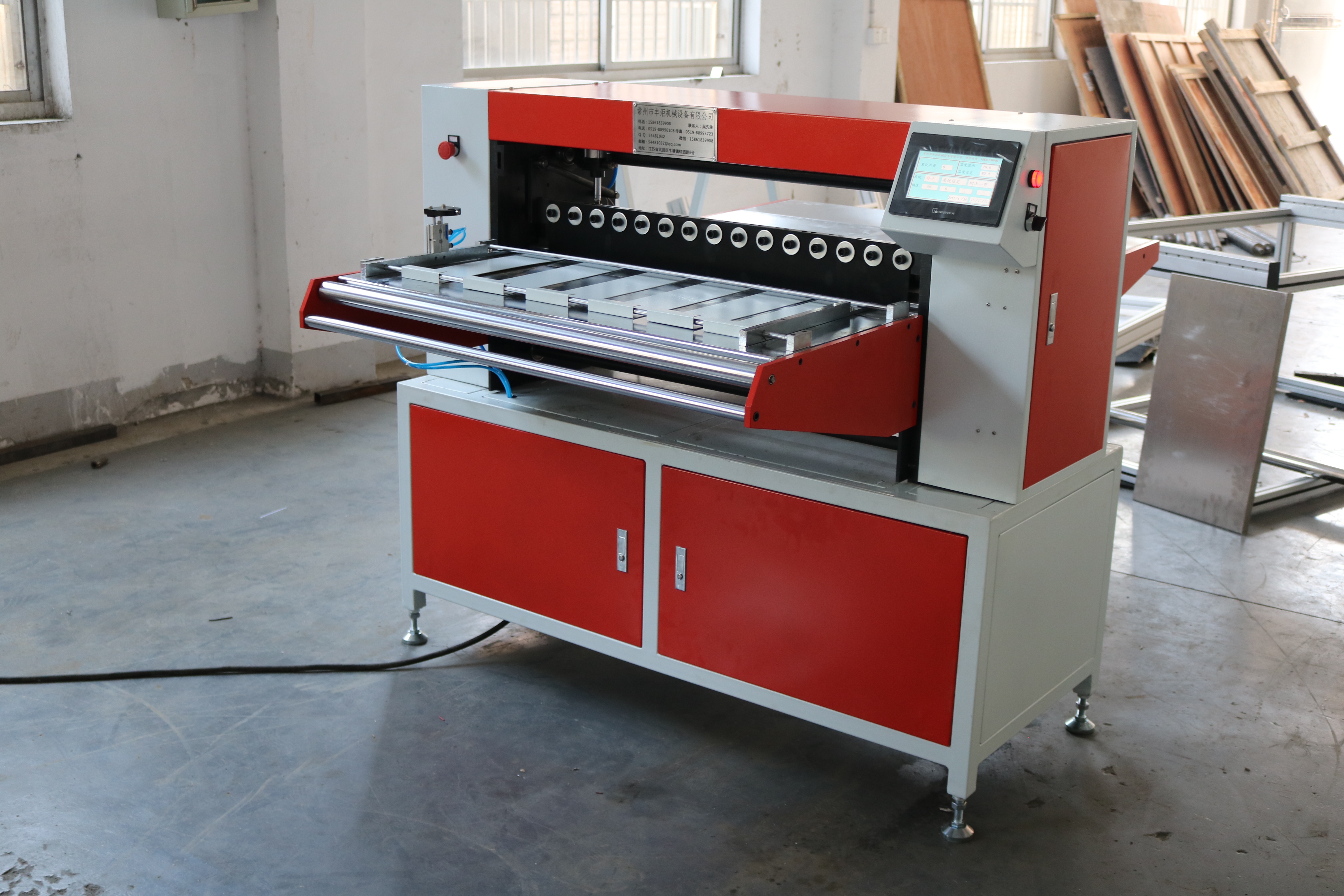
Porozumění univerzálnosti polot automatické zářezové technologie
Poloautomatický záhybovací stroj představuje klíčovou střední pozici v průmyslové výrobě, kde se spojuje přesnost automatického mechanického pohybu s nezbytným dozorem lidského operátora. Na rozdíl od zcela manuálních metod, které jsou náročné na pracovní sílu a náchylné k nekonzistenci, nebo zcela robotizovaných link, které vyžadují obrovské kapitálové investice a tuhé nastavení, poloautomatický záhybovací stroj nabízí škálovatelné řešení pro podniky, které zpracovávají různé druhy látek a vzory záhybů. Toto zařízení je navrženo tak, aby zpracovávalo různé materiály – od syntetických textilií a přírodních vláken až po specializovaná filtrační média – do strukturovaných, rovnoměrných záhybů známých jako plety. Tyto plety nejsou pouze estetickým prvkem; často plní funkční účely, například zvětšují povrchovou plochu, poskytují konstrukční tuhost nebo umožňují roztažení a smrštění v technických aplikacích.
Technická výhoda poloautomatických provozů
V průmyslovém prostředí se poloautomatický záhybovací stroj vyznačuje zejména svou přizpůsobivostí. Stroj obvykle zajišťuje náročnou část procesu skládání, čímž zaručuje, že každý řez nožem nebo otočení válce je nastaven na přesnou hloubku a vzdálenost mezi záhyby. Poloautomatická charakteristika však umožňuje obsluhujícímu pracovníkovi řídit rychlost podávání materiálu, kontrolovat kvalitu materiálu v reálném čase a provádět rychlé úpravy pro různé požadavky jednotlivých šarží. To jej činí ideální volbou pro zařízení, která vyrábějí malé a střední objemy, kde se často střídají různé typy záhybů – například boční záhyby, krabičkové záhyby nebo vlnité vzory. Tímto vyváženým přístupem mohou výrobci dosahovat vysoké kvality výstupu bez prohibitivních nákladů plně autonomního systému.
Kompatibilita materiálů a rozsah zpracování
Jedním z důvodů, proč je tato konkrétní strojní technika tak rozšířená v různých odvětvích, je její schopnost zpracovávat širokou škálu podkladů. Vysoce kvalitní poloautomatický záhybovací stroj je stejně snadno použitelný pro jemné hedvábí vysoké módy jako pro těžké netkané látky určené pro průmyslovou filtraci. Ohřívací prvky integrované do mnoha z těchto strojů umožňují trvalé nastavení záhybů v termoplastických vláknech, čímž je zajištěno, že se záhyby zachovají ostré i po praní nebo intenzivním použití. Tato univerzálnost zajišťuje, že se stroje zůstávají klíčovým aktivem společnosti i při jejím růstu nebo změně zaměření výrobků, a nestávají se zastaralými.
Filtrační a systémy řízení prostředí
Filtrační průmysl je pravděpodobně nejvýznamnějším uživatelem poloautomatických záhybovacích strojů kvůli základním fyzikálním principům čištění vzduchu a kapalin. V tomto odvětví je hlavním cílem maximalizovat povrchovou plochu filtračního média v rámci omezeného prostorového objemu. Pomocí poloautomatického záhybovacího stroje mohou výrobci vytvářet husté, vysoce přesné záhyby z papíru, skleněných vláken nebo syntetických membrán. Tyto záhyby umožňují procházení výrazně většího množství vzduchu či kapaliny filtrem, čímž dochází k účinnějšímu zachycování kontaminantů ve srovnání s rovnou plochou. Přesnost, kterou poskytují poloautomatické jednotky, zajišťuje rovnoměrné rozestupy mezi jednotlivými záhyby, čímž se zabrání tzv. „seskupování záhybů“ a zaručuje se stálý tlakový spád po celou životnost filtru.
Automobilové a průmyslové vzduchové filtry
V automobilovém sektoru vyžaduje každé vozidlo několik míst filtrace, včetně sacích otvorů motoru a systémů pro úpravu kvality vzduchu v kabíně. Poloautomatický záhybovací stroj se používá k výrobě záhybových prvků nacházejících se v těchto filtrů. Protože se modely automobilů výrazně liší ve velikosti i tvaru, umožňuje flexibilita poloautomatického zařízení výrobcům vyrábět filtry na míru pro různé motory, aniž by bylo nutné kompletně přestavět celou výrobní linku. Navíc průmyslové systémy pro odstraňování prachu a jednotky VZT pro velké budovy spoléhají na tyto stroje při výrobě robustních záhybových panelů, které zajišťují bezpečnost a čistotu vnitřního prostředí.
Úprava vody a chemické procesy
Kromě filtrace vzduchu se filtrace kapalin značně spoléhá na rýhované struktury k odstraňování částic z vody nebo chemických roztoků. Poloautomatický rýhovací stroj se používá k skládání specializovaných membrán, které musí odolávat vysokým tlakům. V těchto aplikacích je zachování integrity rýhy rozhodující; jakákoli nerovnost by mohla vést k průrazu filtru a následné kontaminaci. Použití poloautomatické technologie umožňuje technikům sledovat napětí materiálu během rýhování, čímž se zajišťuje, že křehké membrány nebudou během mechanického skládacího procesu protaženy nebo roztrženy. Tato úroveň kontroly kvality je zásadní pro farmaceutický a potravinářský průmysl, kde jsou požadavky na čistotu mimořádně přísné.
Výroba oděvů a módní design
Ve světě oděvního průmyslu poloautomatický záhybovací stroj tvoří základ jak pro masovou výrobu oblečení, tak pro haute couture. Záhyby dodávají oděvům pohyb, objem a texturu a jsou proto nezbytnou součástí výroby sukní, návrhu šatů i dekorativních rukávů. Ačkoli tradiční ruční záhybování stále používají některé luxusní módní domy, poloautomatický záhybovací stroj poskytuje rychlost a opakovatelnost nutnou pro komerční úspěch. Umožňuje návrhářům experimentovat se složitými vzory, jako jsou akordeonové nebo sluneční záhyby, a zároveň zajišťuje, že každý kus v sériové výrobě bude vzhledově identický s referenčním vzorkem.
Výroba sukní a uniforem ve velkém množství
Výrobci uniforem a velké oblečení značky využívají poloautomatický žehlič na rýhy k udržení konzistence u tisíců kusů. Ať už jde o školní suknici nebo profesionální uniformu pro hotelnictví a služby, rýhy musí být ostré a trvanlivé. Schopnost stroje aplikovat teplo a tlak současně znamená, že rýhy jsou do látky „upečeny“, čímž se dosáhne profesionálního povrchu, který vydrží dlouhou dobu. Pro podniky zaměřené na efektivitu znamená poloautomatická funkce tohoto zařízení, že obsluha může rychle vložit do stroje předem nastřižené díly, čímž se výrazně zkrátí dodací lhůta ve srovnání s ručním kolíkováním a párou.
Návrh interiéru a Domů Textil
Vliv rýhování sahá dál než jen na oděvy, které nosíme, a zasahuje i do prostor, které obýváme. Poloautomatický rýhovací stroj se často používá při výrobě okenních zařízení, jako jsou rýhované žaluzie a záclony. V interiérovém designu rýhy dodávají strukturovaný, uspořádaný vzhled, který krásně filtruje světlo. Kromě toho se rýhované prvky, vytvořené na těchto strojích, často vyskytují i na dekorativních povlacích na polštáře a na lampových stínítkách. Protože materiály pro domácí textil se mohou lišit od tenké organzy až po tlusté tmavící látky, jsou u poloautomatického rýhovacího stroje nezbytná nastavitelná nastavení tlaku, aby bylo možné dosáhnout správného záhybu bez poškození estetické kvality interiérových výrobků.
Specializované lékařské a ochranné vybavení
Zdravotnický sektor využívá poloautomatický záhybovací stroj pro výrobu nezbytného ochranného vybavení a chirurgických komponentů. Chirurgické roušky například mají charakteristické záhyby, které umožňují roušce rozšířit se přes nos a bradu nositele, přičemž zároveň udržují těsné uzavření po stranách. Tyto záhyby jsou přesně vypočteny tak, aby zaručily pohodlí i bezpečnost. Využití poloautomatického zařízení umožňuje společnostem vyrábějícím prostředky osobní ochrany rychle přizpůsobit výrobu, například změnou počtu záhybů nebo rozměrů roušky, aby splnily různé regulační normy či ergonomické požadavky.
Výroba prostředků osobní ochrany
Kromě roušek se poloautomatický záhybovací stroj používá také při výrobě různých typů ochranného oblečení. Laboratorní pláště, operační prostěradla a dokonce i specializované čepice často obsahují záhybové části, které umožňují uživateli lepší rozsah pohybu. V lékařských prostředích s vysokým stupněm náročnosti je spolehlivost zařízení nepodmíněná. Poloautomatický záhybovací stroj zajistí, že tepelné lepení nebo mechanické skládání netkaných lékařských látek probíhá konzistentně a zabrání tak vzniku slabých míst, která by mohla vést k protržení ochranných bariér.
Výroba komponent pro zdravotnická zařízení
V pokročilejších technických lékařských aplikacích se rýhované materiály používají uvnitř zařízení, jako jsou oxigenátory nebo jednotky pro filtrace krve. Tyto komponenty vyžadují extrémní přesnost a stérilní výrobní prostředí. Poloautomatický rýhovací stroj lze upravit pro použití v čistých místnostech a poskytuje mechanickou přesnost nutnou k skládání jemných, biokompatibilních materiálů. Možnost, aby proces dohlížel operátor, je zde zvláště výhodná, protože náklady na suroviny jsou často vysoké a povolená chybovost je téměř nulová. 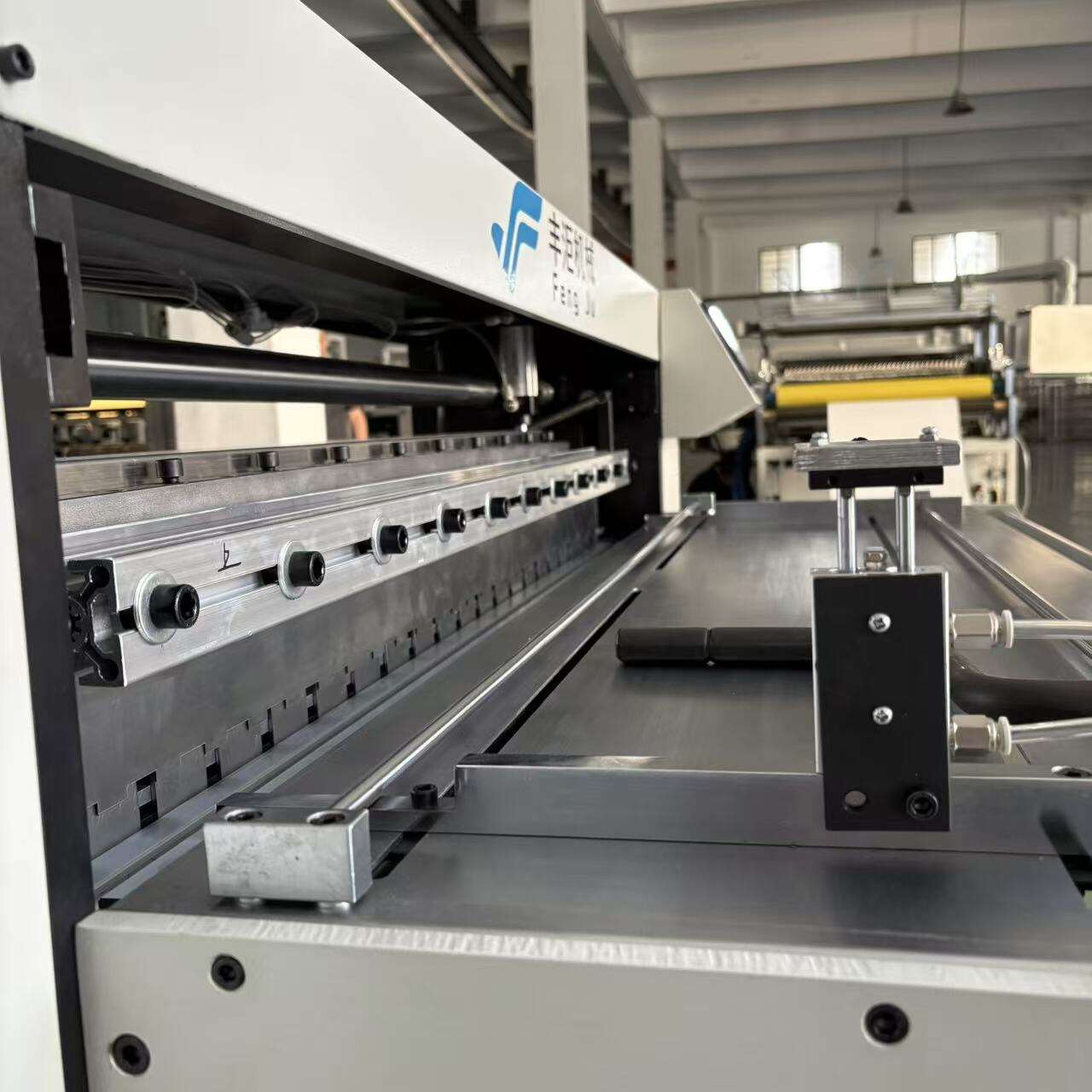
Často kladené otázky
Jaké jsou hlavní výhody výběru poloautomatického rýhovacího stroje oproti manuálnímu?
Přechod od manuálních metod k poloautomatické záhybovací strojnímu zařízení přináší výrazné zvýšení jak rychlosti výroby, tak kvality výstupu. Manuální záhybování je velmi závislé na dovednostech a vytrvalosti jednotlivého pracovníka, což vede k nevyhnutelným odchylkám v hloubce a zarovnání záhybů během delší směny. Poloautomatické záhybovací strojní zařízení standardizuje mechanickou činnost a zajišťuje, že každý záhyb má stejnou velikost a napětí. To nejen zlepšuje profesionální vzhled konečného výrobku, ale také výrazně snižuje odpad materiálu způsobený lidskou chybou. Navíc snižuje fyzickou zátěž zaměstnanců a umožňuje udržitelnější výrobní proces.
Je poloautomatické záhybovací strojní zařízení schopno zpracovávat různé typy materiálů?
Ano, jednou z rozhodujících vlastností vysoce kvalitní poloautomatické žehličky pro rýhování je její univerzálnost v použití materiálů. Tyto stroje jsou konstruovány tak, aby zpracovávaly širokou škálu podkladů, včetně syntetických látek jako je polyester a nylon, přírodních vláken jako je bavlna a hedvábí, a dokonce i průmyslových materiálů jako jsou netkané polypropyleny nebo specializované filtrační papíry. Mnoho modelů disponuje nastavitelnými teplotními a tlakovými parametry, což je klíčové při přepínání mezi jemnými módními textilními materiály, které vyžadují nízkou teplotu, a těžkými průmyslovými médii, která potřebují vysoký tlak a teplotu, aby trvale udržela záhyb. Tato přizpůsobivost činí tyto stroje cenným aktivem pro výrobní zařízení vyrábějící více druhů výrobků.
Jak ovlivňuje údržba poloautomatické žehličky pro rýhování dlouhodobou výrobu?
Pravidelná údržba je nezbytná pro udržení poloautomatického záhybového stroje v optimálním provozním stavu. Protože tyto stroje využívají kombinaci mechanických pohybů a topných prvků, je nutné pravidelně kontrolovat nože, válečky a senzory teploty, aby nedošlo k výpadkům provozu. Správné mazání pohyblivých částí zajišťuje hladký chod a předchází tak tzv. "trhání", které může způsobit nerovnoměrné záhyby. Dodržováním pravidelného plánu údržby mohou výrobci výrazně prodloužit životnost zařízení a zajistit tak vysoký návrat investic. Navíc dobře udržovaný stroj poskytuje konzistentnější výsledky, což snižuje potřebu odmítnutí v rámci kontroly kvality a umožňuje efektivní chod výrobní linky.
Je pro obsluhu obtížné se naučit pracovat s poloautomatickým záhybovým strojem?
Většina moderních poloautomatických záhybovacích strojů je navržena s uživatelsky přívětivými rozhraními, díky čemuž je poměrně snadné se jich naučit ovládat. I když existuje určitá křivka učení spojená s počátečním nastavením pro různé typy záhybů a napětí materiálů, každodenní provoz je obvykle přímočarý. Mnoho výrobců poskytuje školení a podrobné návody, které pomáhají obsluhám pochopit proces kalibrace. Poloautomatická funkce je ve skutečnosti výhodou pro školení, protože zachovává lidský prvek v procesu a umožňuje operátorovi vyvinout „cit“ pro materiál, zatímco stroj zajišťuje opakující se úkoly vyžadující vysokou přesnost. Tato kombinace často vede ke kratšímu období školení ve srovnání se složitými plně automatizovanými robotickými systémy.
Obsah
- Porozumění univerzálnosti polot automatické zářezové technologie
- Filtrační a systémy řízení prostředí
- Výroba oděvů a módní design
- Specializované lékařské a ochranné vybavení
-
Často kladené otázky
- Jaké jsou hlavní výhody výběru poloautomatického rýhovacího stroje oproti manuálnímu?
- Je poloautomatické záhybovací strojní zařízení schopno zpracovávat různé typy materiálů?
- Jak ovlivňuje údržba poloautomatické žehličky pro rýhování dlouhodobou výrobu?
- Je pro obsluhu obtížné se naučit pracovat s poloautomatickým záhybovým strojem?