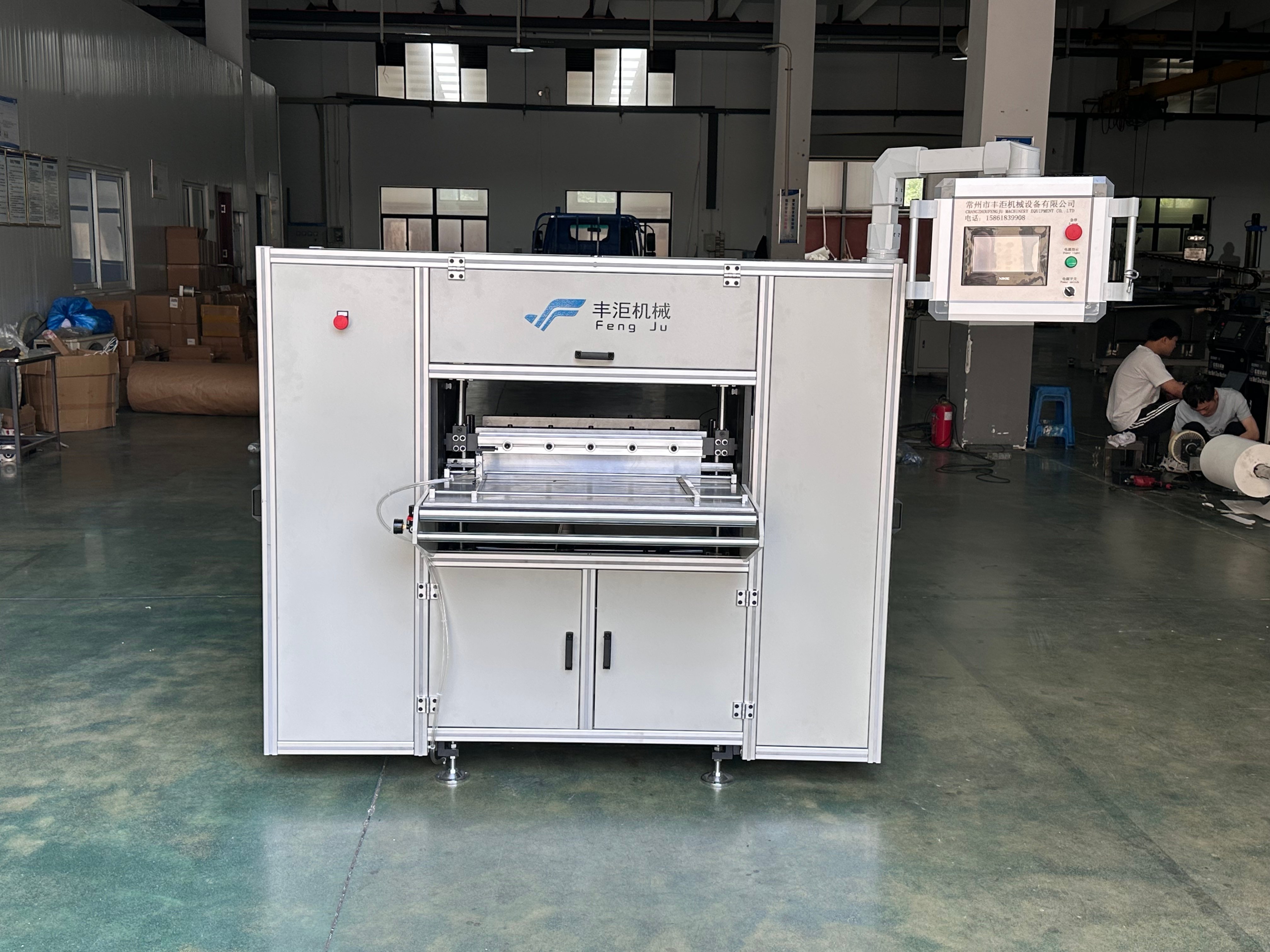
Výrobní operace v různých odvětvích čelí stále vyššímu tlaku na zvýšení výstupu při zachování standardů kvality a kontrole nákladů. Výroba filtrů, balení a textilní výroba tradičně považují proces sbíhání za významné úzké místo, které omezuje celkový výkon. Zavedení automatického stroje na sbíhání tento omezení přemění na konkurenční výhodu eliminací závislosti na ruční práci a výrazným zrychlením výrobních cyklů.
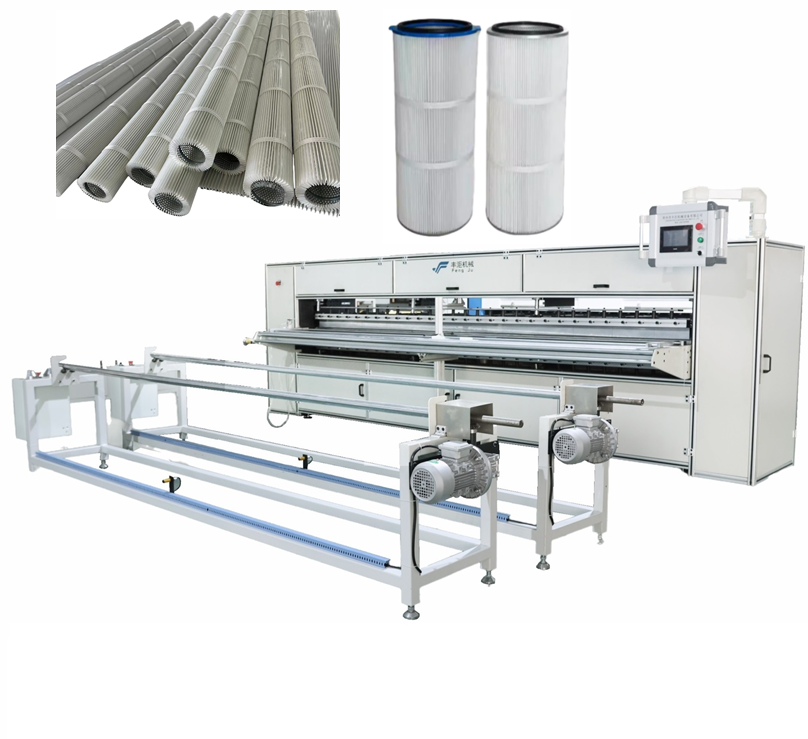
Pochoopení toho, jak automatický záhybovací stroj zvyšuje produktivitu, vyžaduje zkoumání základních mechanik automatického záhybování ve srovnání s tradičními metodami. Na rozdíl od manuálních záhybovacích operací, které závisí na dovednostech pracovníků a jejich fyzické vytrvalosti, automatické systémy vytvářejí konzistentní záhybové vzory předem stanovenou rychlostí bez ohledu na vnější proměnné. Tento technologický posun vede k měřitelnému zlepšení výrobních ukazatelů a zároveň snižuje faktory lidské chyby, které ohrožují kvalitu a plýtvají materiály.
Zrychlení díky automatizaci
Snižení doby cyklu
Nejrychlejší zvýšení produktivity při použití automatického záhybového stroje vyplývá ze výrazného zkrácení cyklového času ve srovnání s ručními operacemi. Tradiční ruční záhybování obvykle dosahuje 50 až 100 záhybů za minutu, což závisí na tloušťce materiálu a zkušenostech pracovníka. Moderní automatické záhybové systémy pracují rychlostí od 300 do 800 záhybů za minutu, což představuje tři až osminásobné zlepšení základní rychlosti zpracování.
Tato výhoda rychlosti se během celého pracovního dne ještě zvyšuje, protože automatizované systémy udržují stálý výkon bez zpomalení způsobených únavou. Ruční obsluha během delších směn postupně ztrácí efektivitu, zejména při práci s náročnými materiály nebo složitými vzory záhybů. Automatický záhybový stroj udržuje vrcholný výkon po celou dobu výrobního cyklu a tak eliminuje poklesy produktivity spojené s lidskými omezeními.
Konstantní rychlost umožňuje také přesnější plánování a rozvrhování výroby. Výrobci mohou na základě známých výkonových parametrů strojů přesně vypočítat dobu dokončení zakázek místo odhadování s ohledem na proměnlivý lidský výkon. Tato předvídatelnost zlepšuje závazky k dodání zboží zákazníkům a snižuje potřebu bezpečnostních rezerv výrobních rozvrhů.
Možnosti nepřetržitého provozu
Mimo jednotlivé cyklové rychlosti umožňují automatické pleťovací stroje provozní modely nepřetržitého chodu, které násobí výrobní zisky. Ruční pleťování vyžaduje pravidelné přestávky pro odpočinek pracovníků, obědy a změny směn, čímž dochází k přerušování výrobního toku. Automatizované systémy běží nepřetržitě po celou dobu plánované výroby s výjimkou krátkých přestávek pro naskladnění materiálu a základní údržbové kontroly.
Rozšířené provozní možnosti se stávají zvláště cennými v období vysokého výrobního objemu nebo při splnění těsných termínů dodání. An automatický pletací stroj může zpracovávat materiály po několik směn s minimálním dozorem, čímž efektivně zvyšuje denní výrobní výkon na trojnásobek oproti ručnímu provozu v jedné směně.
Model nepřetržitého provozu také snižuje odpad vznikající při nastavování a spouštění, který vzniká při častých přerušeních výroby. Ruční procesy často vyžadují čas na obnovení správného rytmu a úrovně kvality po přestávkách, což vede k odmítnutí výrobků a zbytečnému spotřebování materiálu. Automatické systémy udržují po celou dobu dlouhodobého provozu stálé parametry, čímž minimalizují ztráty při přechodech a spotřebu materiálu.
Konzistentní kvalita a snižování odpadu
Systémy přesné kontroly
Zlepšení produktivity díky automatickým záhybovacím strojům sahá dále než jen rychlost – zahrnuje i konzistenci kvality, která snižuje potřebu přepracování a odpad. Ruční záhybové operace vykazují odchylky v úhlech záhybů, vzdálenostech mezi nimi a tlaku, což vyžaduje kontrolu kvality a případné přepracování. Automatické systémy využívají přesné regulační mechanismy, které zachovávají přesné specifikace záhybů po celou dobu výroby.
Možnosti přesného řízení eliminují učební křivky a požadavky na rozvoj dovedností spojené s ručním rýhováním. Noví operátoři vyžadují rozsáhlé školení, aby dosáhli přijatelné úrovně kvality při ručním rýhování, během něhož trpí produktivita vysokými mírami zmetkovosti a pomalými rychlostmi zpracování. Automatické rýhovací stroje poskytují konzistentní výsledky od prvního spuštění, čímž odstraňují bariéry produktivity související s kvalitou.
Pokročilé automatické rýhovací systémy zahrnují možnosti sledování a úpravy v reálném čase, které udržují optimální výkon i při zpracování různých materiálů nebo specifikací rýh. Tyto adaptivní funkce brání zhoršení kvality, ke kterému často dochází, když ruční operátoři pracují s neznámými materiály nebo složitými požadavky na vzory.
Minimalizace materiálových ztrát
Významné zvýšení produktivity vyplývá ze snížení odpadu dosaženého díky přesnému automatickému rýhování. Manuální operace obvykle generují 5 až 15 procent odpadu materiálu kvůli chybám při měření, nekonzistentním vzorům záhybů a odmítnutým kusům, které nesplňují požadavky na kvalitu. Automatický rýhovací stroj snižuje odpad na méně než 2 procenta díky přesné manipulaci s materiálem a konzistentním nastavení procesních parametrů.
Snížení odpadu se přímo promítá do zlepšení produktivity tím, že maximalizuje využitelný výstup z každé jednotky vstupního materiálu. Nižší procento odpadu znamená více hotových výrobků na každou zakoupenou dávku suroviny, čímž se efektivně zvyšuje výrobní účinnost bez nutnosti investice do dalšího zařízení nebo rozšíření výrobního prostoru.
Snížení odpadu také minimalizuje čas strávený manipulací s materiálem, správou zásob a likvidací. Ruční operace vyžadují významné úsilí při třídění, hodnocení a likvidaci odmítnutých kusů, zatímco automatické systémy produkují převážně přijatelný výstup, který se přímo přesouvá do balicích nebo montážních operací.
Efektivita práce a optimalizace zdrojů
Průchodnost nasazení pracovní síly
Zavedení automatických záhybovacích strojů vytváří průchodnost nasazení pracovní síly, která zvyšuje celkovou produktivitu zařízení. Tradiční záhybovací operace vyžadují specializované operátory, kteří nemohou snadno přejít na jiné výrobní úkoly. Automatické systémy snižují počet potřebných operátorů a zároveň umožňují školení pro více výrobních funkcí.
Tato pružnost se stává zvláště cennou v době kolísání poptávky nebo sezónních výrobních cyklů. Výrobci mohou během období nízké poptávky po rýhování přesměrovat pracovní sílu na jiné činnosti a tak udržet celkovou produktivitu pracovní síly místo toho, aby přijímali náklady spojené s nečinností.
Automatické rýhovací stroje umožňují dozorčímu personálu dohlížet současně na více výrobních oblastí namísto toho, aby se soustředil na ruční kontrolu kvality rýhování. Tato širší možnost dohledu zlepšuje koordinaci mezi jednotlivými výrobními procesy a pomáhá identifikovat úzká hrdla nebo příležitosti ke zvýšení efektivity v celé výrobní zařízení.
Údržba a operační efektivita
Moderní automatické systémy pro rýhování zahrnují funkce prediktivní údržby, které minimalizují neplánované výpadky a maximalizují produktivní provozní hodiny. Na rozdíl od ručních operací, které mohou pokračovat za snižující se kvality, dokud se problémy nestanou zřejmé, automatické systémy poskytují časná varovná signála, která umožňují proaktivní plánování údržby.
Účinnost údržby sa rozširuje i na správu náhradních dílů a plánování servisních opatření. Automatické rýhovací stroje využívají standardizované komponenty s předvídatelnými vzory opotřebení, což umožňuje přesné plánování zásob a servisních termínů a minimalizuje přerušení výroby. Ruční operace závisí na výměně nástrojů a organizaci pracovního prostoru, která se liší podle individuálních preferencí a zvyků operátora.
Optimalizace spotřeby energie představuje další faktor produktivity, který napomáhá automatizovaným systémům. Automatický záhybovací stroj pracuje s konstantními výkonovými úrovněmi optimalizovanými pro požadavky zpracování, zatímco ruční operace často vyžadují dodatečné osvětlení, vytápění nebo chlazení, aby byly po celou dobu delších směn udrženy pohodlné pracovní podmínky pro obsluhu.
Výhody škálovatelnosti a plánování výroby
Možnosti rozšiřování kapacity
Automatické záhybovací stroje poskytují škálovatelná řešení produktivity, která se přizpůsobují měnícím se požadavkům výroby bez úměrného nárůstu nákladů na práci nebo prostoru v provozu. Rozšíření kapacity prostřednictvím dalších ručních záhybovacích stanic vyžaduje odpovídající nárůst kvalifikovaných obsluh, dozoru a přidělení pracovní plochy. Automatizované systémy mohou zvýšit výkon prostřednictvím modernizace zařízení nebo přidaných jednotek s minimálními úpravami personálního obsazení.
Výhoda škálovatelnosti se stává kritickou v obdobích růstu podniku nebo při vstupu na nové trhy s odlišnými požadavky na objem výroby. Automatický záhybovací stroj umožňuje rychlé zvýšení kapacity, aby bylo možné uspokojit rostoucí poptávku, aniž by bylo nutné najímat, školit a řídit větší počet ručních pracovníků.
Automatické systémy poskytují také flexibilitu pro dočasné zvýšení kapacity v obdobích špičkové poptávky. Výrobci mohou zavést přesčasy nebo prodloužené směny za minimálních dodatečných nákladů na práci, zatímco u ručních provozů je pro dosažení podobného rozšíření kapacity nutné úměrně zvýšit počet zaměstnanců i dozor.
Integrace výroby a optimalizace pracovních postupů
Integrační možnosti automatických záštěvkovacích systémů zvyšují produktivitu prostřednictvím zlepšené koordinace pracovních postupů s procesy předcházejícími i následujícími. Automatická zařízení se mohou synchronizovat se systémy pro podávání materiálu, stanicemi pro kontrolu kvality a balicími operacemi, čímž vytvářejí bezproblémové výrobní toky, které eliminují zpoždění způsobená manipulací a snižují požadavky na zásoby.
Tyto integrační výhody umožňují uplatňovat principy štíhlé výroby, které minimalizují zásoby výrobků ve výrobě a zkracují celkovou dobu výrobního cyklu. Ruční záštěvkování často vytváří úzká hrdla, která vyžadují vyrovnávací zásoby, aby byla zajištěna nepřerušovanost následných procesů, zatímco automatické systémy poskytují předvídatelný výkon, který umožňuje plánování výroby dle principu just-in-time.
Možnosti sběru dat automatických záhybovacích strojů podporují iniciativy pro nepřetržité zlepšování, které identifikují příležitosti ke zvýšení produktivity v celém výrobním systému. Sledování výkonu v reálném čase umožňuje rychlou reakci na odchylky v efektivitě a podporuje rozhodování založené na důkazech za účelem optimalizace procesů. 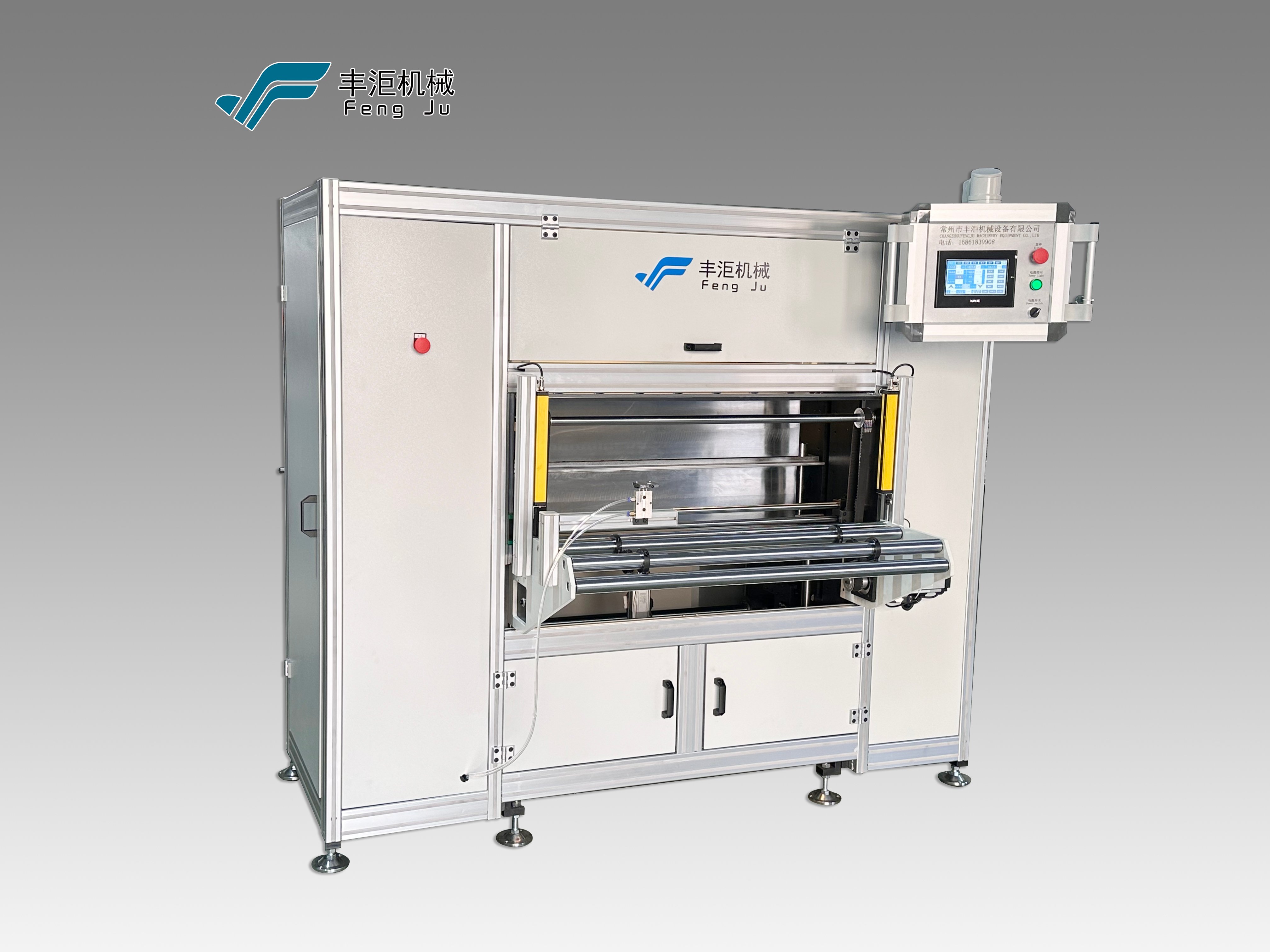
Často kladené otázky
Jaký je typický nárůst produktivity při přechodu z ručního na automatické záhybování?
Většina výrobců zažívá při zavádění automatických záhybovacích strojů nárůst produktivity o 300 až 600 procent, a to v závislosti na složitosti jejich výrobků a stávajících ručních procesech. Skutečné zlepšení se liší podle druhů materiálů, specifikací záhybů a integrace s ostatním výrobním zařízením, avšak kombinace vyšší rychlosti, snížených odpadů a možnosti nepřetržitého provozu konzistentně přináší významné zisky.
Jak rychle se operátoři naučí obsluhovat automatické záhybovací zařízení?
Základní obsluha automatického pleťovacího stroje obvykle vyžaduje jedno až tři dny školení pro operátory s obecnými zkušenostmi z výroby. Pokročilé funkce a dovednosti v odstraňování poruch mohou vyžadovat další školení, avšak křivka učení je výrazně kratší než při získávání manuálních pleťovacích dovedností, které často trvají týdny nebo měsíce, než se dosáhne konzistentní úrovně kvality.
Fungují automatické pleťovací stroje se všemi typy materiálů?
Moderní automatické pleťovací stroje zvládají širokou škálu materiálů, včetně papíru, textilií, syntetických filtrů a tenkých kovů, i když konkrétní modely mohou mít omezení ohledně tloušťky nebo složení materiálu. Většina systémů obsahuje nastavitelná nastavení pro různé vlastnosti materiálů a výrobci obvykle poskytují pokyny pro kompatibilitu materiálů, aby byl zajištěn optimální výkon pro konkrétní aplikace.
Jaké požadavky na údržbu ovlivňují produktivitu automatických pleťovacích systémů?
Pravidelná údržba automatických záhybovacích strojů obvykle zahrnuje denní čištění, týdenní mazání a měsíční kontrolu opotřebitelných komponentů, což vyžaduje přibližně 30 minut denní pozornosti. Plánovaná údržba obvykle zahrnuje podrobné čtvrtletní kontroly a roční výměnu komponentů; většina systémů je navržena tak, aby dosahovala provozní dostupnosti 95 procent nebo vyšší při správné údržbě.
Obsah
- Zrychlení díky automatizaci
- Konzistentní kvalita a snižování odpadu
- Efektivita práce a optimalizace zdrojů
- Výhody škálovatelnosti a plánování výroby
-
Často kladené otázky
- Jaký je typický nárůst produktivity při přechodu z ručního na automatické záhybování?
- Jak rychle se operátoři naučí obsluhovat automatické záhybovací zařízení?
- Fungují automatické pleťovací stroje se všemi typy materiálů?
- Jaké požadavky na údržbu ovlivňují produktivitu automatických pleťovacích systémů?